The Strength That Stays Silent: Why Kenyan Men Abroad Are Quietly Carrying a Mental Health Crisis
As Kenya confronts a men's mental health crisis at home, the same pressure follows the sons it sent abroad to provide — men who learned early never to ask for help.
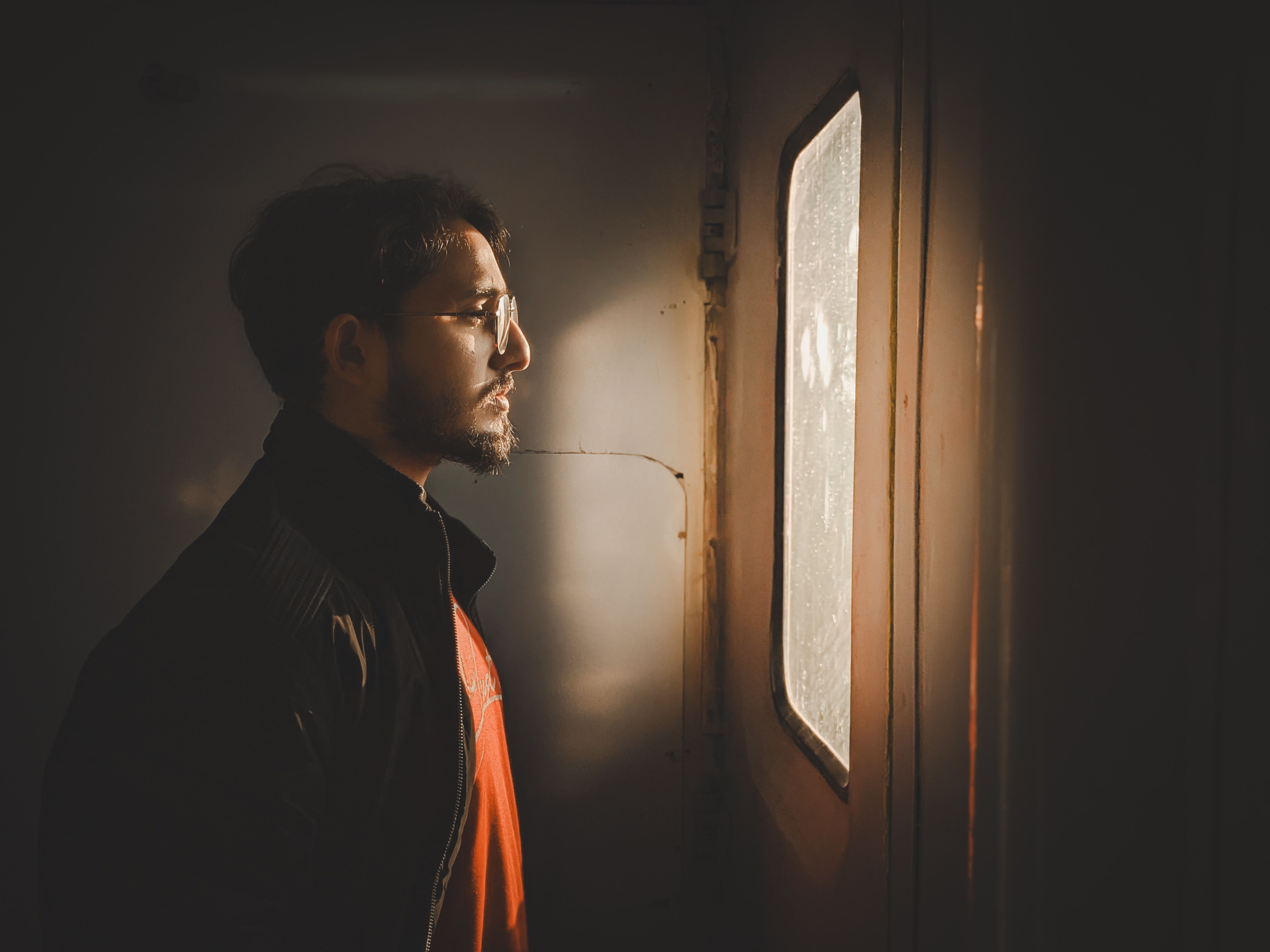
Every month, in cities like Manchester, Dallas and Doha, the same quiet ritual repeats itself. A man checks his phone, opens a money-transfer app, and sends a figure home to Nairobi or Kisumu or Mombasa. School fees. A parent's hospital bill. A sibling's rent. Then he closes the app, pulls on his uniform or his suit, and goes to work a shift that will let him do it all again next month. What rarely travels down that same wire is any admission that he is tired, frightened, or quietly coming apart.
This month, as Men's Mental Health Awareness Month is marked around the world, Kenyan health professionals are warning that men back home are struggling in silence — and the same conditions that produce that silence are amplified, not eased, by life in the diaspora.
A Crisis That Travels Well
In Kenya, the conversation has grown sharper this June. Local reporting has turned to what some are now calling a male mental-health emergency, with counsellors describing a generation of men who absorb stress until it breaks out as something else. The Star, marking the awareness month, reported experts urging action as "stigma, depression, anxiety and harmful masculinity norms leave many Kenyan men suffering silently."
Counselling psychologist Virginia Naishoki told the paper that men are far less likely than women to say plainly that they are depressed. "Instead, it may show up as anger, withdrawal, irritability, overworking, risk-taking behaviour or alcohol and drug use," she said. Those are precisely the symptoms that are easiest to mistake — for ambition, for toughness, for a man simply keeping his head down and getting on with it.
For Kenyans abroad, that camouflage is almost perfect. A man working two jobs in Texas or pulling night shifts in a Birmingham warehouse can look, from the outside and from home, like a success story. The very behaviours that signal distress are the ones a migrant economy rewards.
The Arithmetic of Being the Strong One
Money is at the centre of the strain. Remittances from Kenyans abroad have become one of the country's most dependable sources of foreign exchange, with diaspora households sending billions of dollars home each year. Behind that macroeconomic statistic sits a more intimate arithmetic: an individual who feels personally responsible for a web of relatives who may not fully grasp how thin the margins are where he lives.
Naishoki points to exactly this pressure. Many societies, she noted, still define a man's worth by his ability to provide, protect and succeed, so that financial struggles, unemployment and relationship difficulties land with particular force on men's wellbeing. In the diaspora, the provider role is not just cultural expectation but the literal reason many men emigrated in the first place. Admitting that the burden is heavy can feel like admitting the whole project has failed.
So the money keeps going home, and the man keeps quiet. A request for a rent contribution arrives in a family WhatsApp group; what does not arrive is permission to say no, or to say he is unwell.
What 'Man Up' Costs
The roots of the silence are laid down long before anyone boards a plane. Naishoki attributes much of the problem to how boys are raised — told to "man up," to "be strong," to "stop crying," until they learn that vulnerability is risky and that showing emotion may invite judgment rather than support.
Those lessons do not expire at the airport. If anything, they harden. A man who has been taught that strength means handling problems alone, and who is now thousands of miles from the people who knew him before he became "the one in America," has fewer safe places than ever to set the performance down. Members of the public interviewed by The Star described the same pattern in plain terms: men, one said, often stay silent and carry their burdens alone because they fear being judged.
The Distance That Isolates
Migration adds its own specific weight. Distance from family, the loss of the dense social networks of home, long and antisocial working hours, cold weather and, in some countries, the grind of immigration uncertainty all chip away at the relationships that protect mental health. Loneliness, which mental-health professionals list among the core stressors facing men today, is not incidental to diaspora life — for many it is the defining feature of the first years abroad.
It is also harder to reach help. A man may not know how the health system works in his host country, may fear that disclosing distress could affect his job or his visa, or may simply have no one nearby who shares his language and his frame of reference. The result is that the people most exposed to the strain are often the least likely to find their way to support.
Where Help Is Starting to Appear
There are openings, and they tend to run along the lines the community already trusts. Kenyan churches, savings groups and county and alumni associations abroad double as informal support networks, the places where someone might first notice that a usually reliable friend has gone quiet or started drinking more. Across the UK and the United States, diaspora-led and faith-based organisations have begun building mental-health awareness into events that men will actually attend — football tournaments, prayer meetings, fundraisers — rather than waiting for them to walk into a clinic.
Kenya's own institutions have signalled interest in the problem too, with diaspora-affairs bodies discussing wellbeing support as part of how the state engages its citizens overseas. The practical advice from clinicians is unglamorous but consistent: build genuine relationships, keep up healthy routines, and seek support before reaching a breaking point rather than after.
Noticing Before the Breaking Point
Naishoki's closing message in The Star is one that diaspora communities can act on without waiting for any policy: "You do not have to earn support by reaching a breaking point. Strength is recognising when something is heavy and allowing others to help carry it." Family and friends, experts say, can watch for the quiet signals — deeper isolation, irritability, heavier drinking, poor sleep, a steady withdrawal from people — and check in before they become a crisis.
For the man sending money home tonight, the most useful idea may be the simplest: that providing for everyone else does not have to mean carrying everything alone, and that asking for help is not the opposite of strength but a form of it.
This article touches on mental health and emotional distress. Anyone struggling can reach out to a local health provider or a mental-health helpline in their country of residence; in the UK, Samaritans can be called free on 116 123, and in the US the 988 Suicide and Crisis Lifeline offers 24-hour support.