The First Drops: Why a Newborn's Heel-Prick Test Means One Thing in Nairobi and Another in London
In the diaspora, a baby's heel is pricked within days of birth and screened for hidden disease. In Kenya, that same quiet test remains largely a private privilege.

The baby girl born just after 4 a.m. in a Nairobi maternity ward and the baby boy born the same night in a London hospital will, in their first hours, share almost everything: the same startled cry, the same plastic wristband, the same exhausted parents counting fingers and toes in the half-light. But somewhere in the next three days a single difference opens up between them. One of those babies will have his heel pricked, a few drops of blood pressed onto a paper card and sent to a laboratory that quietly checks for a list of rare and hidden diseases. The other may go home without the test ever being mentioned.
That small thing — a pinprick, a card, a courier to a lab — is one of the most overlooked inequalities in the early life of a Kenyan child. And for now it falls almost entirely along the line between home and abroad.
The Test That Travels With the Passport
In the countries where most of Kenya's diaspora has put down roots, the heel-prick test is so ordinary that many parents barely notice it happening. In the United Kingdom, the National Health Service offers every newborn a blood-spot screen at around five days old, checking a panel of rare but serious conditions from a few drops taken from the heel. In the United States, where close to four million babies are born each year, nearly all of them are pricked within their first 48 hours. The screen is treated as such a basic public-health duty that states generally require it by law, and parents are often not even asked for their consent.
Canada and Australia run comparable programmes, and the Gulf states where tens of thousands of Kenyans work have built newborn screening into their well-funded hospital systems too. The practical effect is striking: a Kenyan child born in Manchester, Minneapolis, Toronto or Doha is almost guaranteed to be screened, while the decision is made for the family rather than by it. Diaspora parents inherit a safety net they rarely had to ask for.
A Quiet Privilege Back Home
In Kenya, the same test exists, but it is not yet woven into the system the way it is abroad. At Aga Khan University Hospital in Nairobi, a newborn screening programme draws a few drops of blood from a baby's heel between 48 and 72 hours after birth, timed so the infant's metabolism has stabilised while the conditions can still be caught early. According to the hospital, the procedure causes only brief discomfort and can flag trouble long before any outward symptom appears.
What separates that programme from its diaspora equivalents is not the science but the reach. Universal newborn screening in Britain and America is a default funded by the state and offered to everyone. In Kenya it remains, for most families, something accessed privately at a well-resourced hospital rather than a guarantee that follows every birth in every county. A baby delivered in a busy public facility, or at home in a rural area far from a referral hospital, is far less likely to ever feel that pinprick.
The result is a two-tier reality that diaspora families know intimately. The child born abroad is screened automatically. The niece or nephew born back home, or the grandchild a diaspora grandmother flies in to meet, may never be.
What a Few Drops Can Catch
The reason public-health systems treat the test as non-negotiable is the nature of the conditions it detects. Aga Khan's programme screens for congenital hypothyroidism, congenital adrenal hyperplasia, cystic fibrosis, galactosaemia and sickle cell disease. Each is individually uncommon, but together they represent a real threat to infant health, and several share a cruel feature: by the time symptoms are obvious, irreversible harm may already be done.
Congenital hypothyroidism and severe galactosaemia, for instance, can cause permanent neurological damage if they go untreated, even though both can be managed once identified. Catching them in the first days of life, before a parent notices anything wrong, is the entire point. Doctors describe newborn screening as a preventive approach to medicine — a way of protecting a child's health before illness announces itself rather than scrambling to respond after.
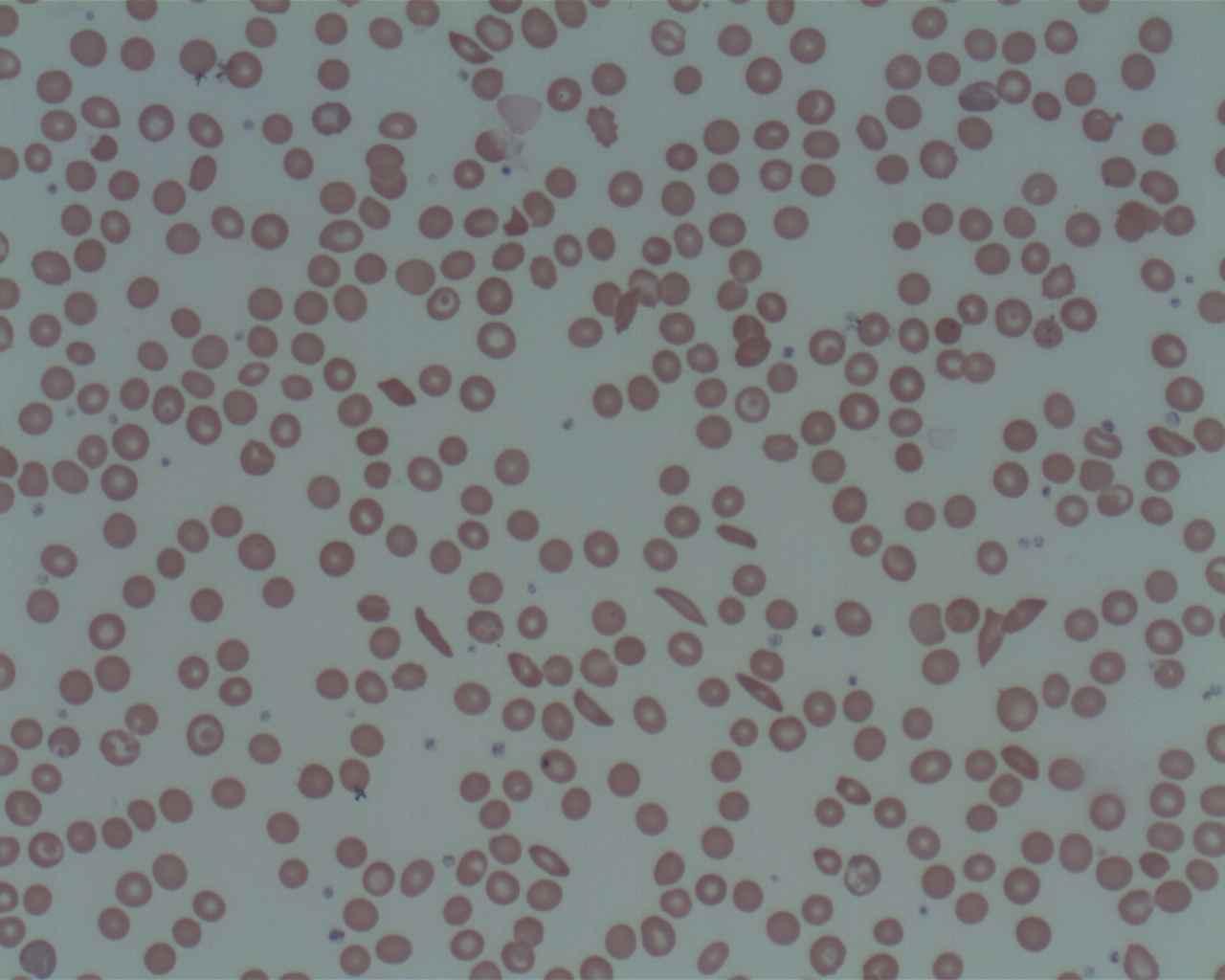
Sickle cell disease carries a particular weight in the East African context. Where it is identified at birth, families and clinicians can begin protective care early; where it is missed, the first sign of trouble can be a child already in crisis. For a region where the condition is far from rare, the absence of routine screening is not a small administrative gap.
What the Diaspora Should Understand
For Kenyans abroad, the lesson is partly reassurance and partly responsibility. Reassurance, because the systems around them have already made the decision their relatives back home often cannot: their own children are almost certainly being screened, whether or not anyone explained why the nurse was squeezing a tiny heel onto a card.
The responsibility is subtler. Diaspora families are frequently the ones funding maternity care for relatives at home, choosing hospitals, paying for the extras that public facilities do not cover. Knowing that newborn screening exists — and that at hospitals such as Aga Khan it can be requested — turns a vague good intention into a concrete one. It is the kind of preventive spending that costs little against the lifelong price of a missed diagnosis.
It is also worth understanding what the test does not do. An abnormal result does not confirm that a baby is ill; it signals that further checks are needed, sometimes a repeat sample, sometimes additional diagnostic tests. A clean result is reassuring but not a lifetime guarantee, since some conditions surface later in infancy. Ordinary monitoring of a child's growth still matters. The screen is a powerful first filter, not a final verdict.
Closing the Gap
The argument for making the heel-prick test universal in Kenya is, in the end, an economic one as much as a moral one. Early diagnosis lowers the burden of disease on children, on families and on a health system that can ill afford the cost of late treatment — the long hospital stays, the developmental support, the lifelong management that a few drops of blood at birth might have softened or avoided.
For diaspora readers, the story is a small window onto a larger one: the everyday medical defaults they have come to take for granted in their adopted countries are still privileges back home. The babies born tonight in Nairobi and London begin life looking identical. Whether they also begin it with the same quiet protection is, for now, a matter of which hospital — and which country — they happened to arrive in.