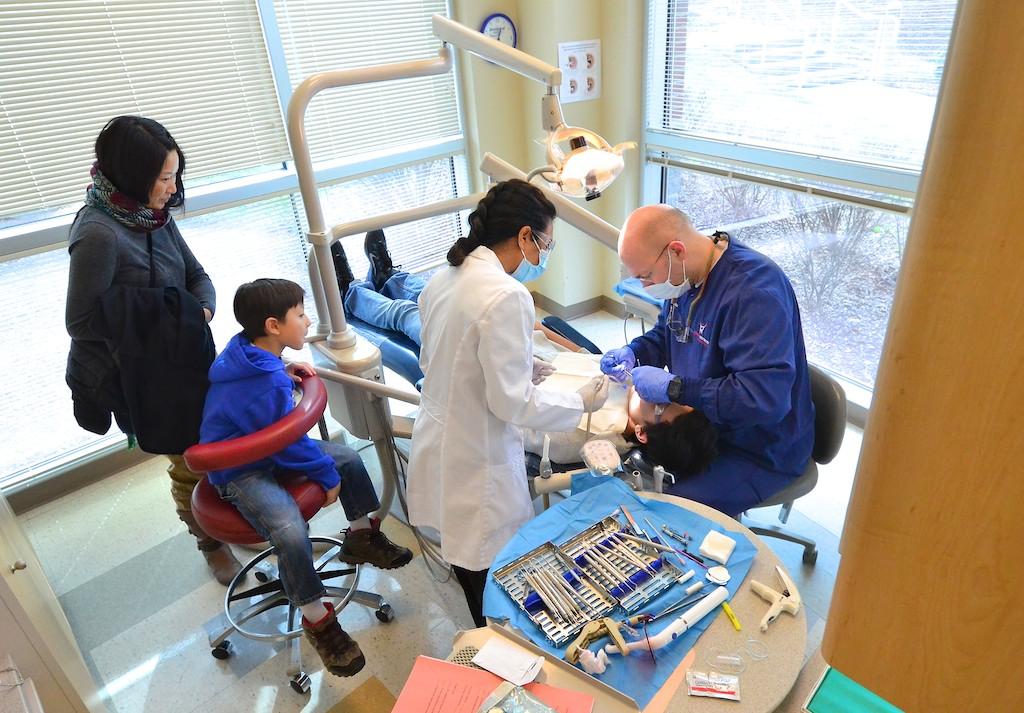
The Crème de la Crème Departure: How Kenya Trains the World's Nurses and Empties Its Own Wards
Roughly 4,000 Kenyan doctors and nurses leave each year for the UK, the Gulf and North America. The remittances are real — so is the hole they leave behind.
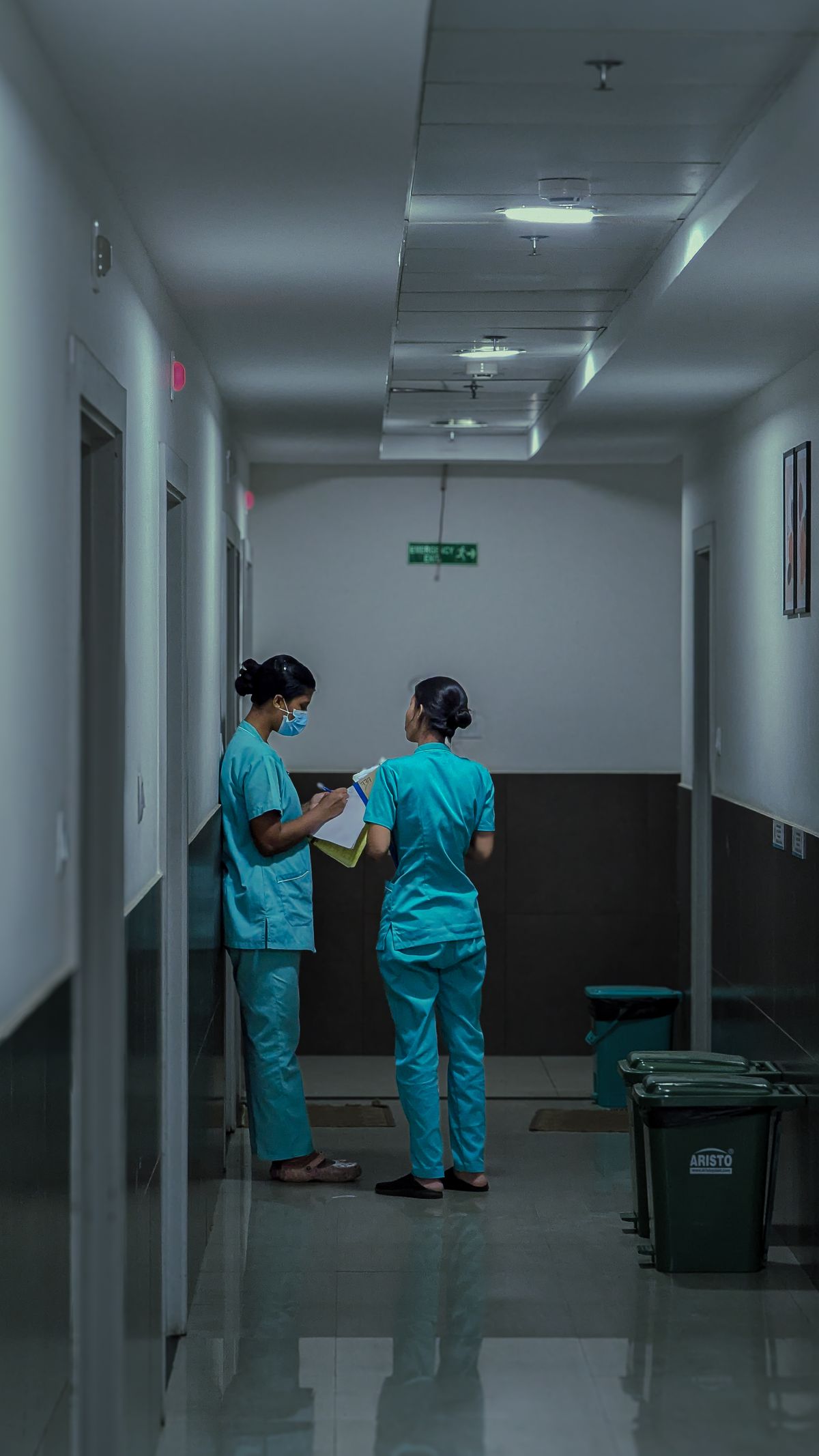
In a quiet examination room in Nairobi, a newly licensed Kenyan nurse sits in front of a computer screen and answers questions written for a hospital eight thousand kilometres away. The test is the National Council Licensure Examination — the NCLEX — the gateway to nursing registration in the United States, Canada and Australia. Until recently, Kenyan nurses had to travel to India or South Africa to sit it. Since the government opened a Pearson VUE testing centre in the capital, they can now take the first decisive step toward emigration without leaving home.
That single room is a fair symbol of a larger national paradox. Kenya has become remarkably good at producing health workers, and remarkably unable to keep them. The country trains nurses, clinical officers and doctors in growing numbers, then watches its most capable practitioners board flights to London, Riyadh, Toronto and beyond. The phenomenon is sometimes celebrated as opportunity and sometimes mourned as loss. Increasingly, it is both at once.
A Pipeline Built on Purpose
What makes Kenya's case distinctive is that the exodus is not accidental. It is, in part, government policy. Officials have negotiated bilateral labour agreements with the United Kingdom, Saudi Arabia, Germany and others precisely to move Kenyan workers into foreign job markets. Speaking on Labour Day, President William Ruto framed managed migration as a pillar of national development, noting that Kenya can absorb only about 200,000 of the roughly one million qualified workers who enter the job market each year.
For health workers, the channels are now well worn. By April 2024, some 280 nurses had migrated to Britain under the Kenya-UK Bilateral Agreement, with around 200 more awaiting placement, according to figures cited by the Health Ministry. The first cohort of 19 nurses left for the UK's National Health Service in June 2022, less than a year after the two governments signed their health-workforce pact in July 2021. One recent diaspora job posting advertised more than 2,000 nursing positions in the Gulf alone. This week, Nairobi and Ottawa moved closer to a labour-mobility framework that names healthcare professionals among the workers Canada hopes to recruit.
The Arithmetic of Loss
The case for letting health workers go rests largely on remittances. Musalia Mudavadi, the cabinet secretary for Foreign and Diaspora Affairs, has argued that money sent home by Kenyans abroad circulates through the domestic economy. "The more Kenyans get engaged out there, and the more we get in terms of remittances, those remittances come back and create jobs here," he has said, describing diaspora earnings as financing for factories and agriculture.
The counter-argument is written in the country's own staffing ratios. In 2024 the Council of Governors reported roughly 14 doctors for every 100,000 Kenyans. The World Health Organization recommends a minimum of about 21.7 doctors and 228 nurses per 100,000 people. Kenya, in other words, is exporting a resource it does not have enough of. Estimates drawn from earlier health-economics research put the cost of every departing doctor at more than half a million US dollars in lost training investment, and every nurse at well over three hundred thousand — a transfer of value from one of the world's poorer health systems to some of the richest.
Ouma Oluga, a former secretary general of the Kenya Medical Practitioners, Pharmacists and Dentists' Union, has described the trade bluntly. The workers who leave, he notes, are usually the experienced ones, hand-picked by recruiters. "That weakens the health-care system because the novice nurses are left without experienced hands to guide them," he told Think Global Health. A 2023 Ministry of Health survey found that nearly two-thirds of health professionals wanted to leave the country; by some union estimates, around 4,000 doctors and nurses do so every year.
The Amber Line
There is a global rulebook for this, and Kenya sits in one of its more delicate categories. The WHO maintains a Health Workforce Support and Safeguards List — informally, the "red list" — naming dozens of countries whose health systems are considered too fragile to withstand active international recruitment. In its latest update the list has grown to cover well over fifty nations. Kenya is not on it.
Instead, Kenya occupies the "amber" space recognised by recruiting countries such as Britain, where the NHS code of practice permits hiring only through government-to-government agreements. The logic is that managed bilateral deals can include safeguards — investment in Kenyan training institutions, compensation, or caps — that pure market poaching cannot. Whether those safeguards genuinely offset the loss of a senior intensive-care nurse is exactly the question Kenyan health officials and county governors keep returning to. One governor has called the export of skilled medics a paradox of "giving away the crème de la crème."
Who Comes Back?
The optimistic theory of brain drain is that it is really brain circulation: workers go abroad, sharpen their skills and savings, and eventually return to strengthen the systems that trained them. Oluga, who contributed to a review of the WHO's recruitment code, is sceptical that this happens often in practice. The same weaknesses that pushed health workers out — low pay, thin staffing, scarce equipment — tend to keep them from coming back. He has spoken of building a voluntary framework to engage diaspora health workers in mentorship, research and institution-building from a distance, on the assumption that many will not physically return.
That is where the diaspora itself becomes part of the story rather than merely its endpoint. Kenyan nurses staffing night shifts in Manchester or Edmonton, and doctors in Gulf hospitals, increasingly form a professional network with real expertise and capital. The unresolved question is whether Kenya can convert that network into something more than a remittance stream — into teaching, telemedicine, equipment, or the return of even a fraction of those who left.
The Diaspora's Stake
For Kenyans abroad, the health-worker exodus is not an abstraction. It shapes the care their relatives receive when they fall ill back home, and it shapes their own working lives in host countries where they are now a visible part of the frontline workforce. Every bilateral deal signed in Nairobi changes the calculus for a nursing graduate weighing whether to stay, and for a hospital matron in a county referral facility trying to keep an experienced team together.
Kenya's challenge is not to stop the movement — it has chosen, deliberately, to encourage it — but to make sure the country that trains the world's nurses does not run short of its own. The examination room in Nairobi will keep filling. The harder work is ensuring the wards do not empty faster than they can be refilled.