The Screening Line at JKIA: How a Worsening Ebola Outbreak Is Redrawing the Kenyan Diaspora's Journey Home
As the Bundibugyo strain spreads through the DRC and Uganda, enhanced airport checks and a contested US quarantine camp are reshaping what it means for Kenyans abroad to travel between two worlds.
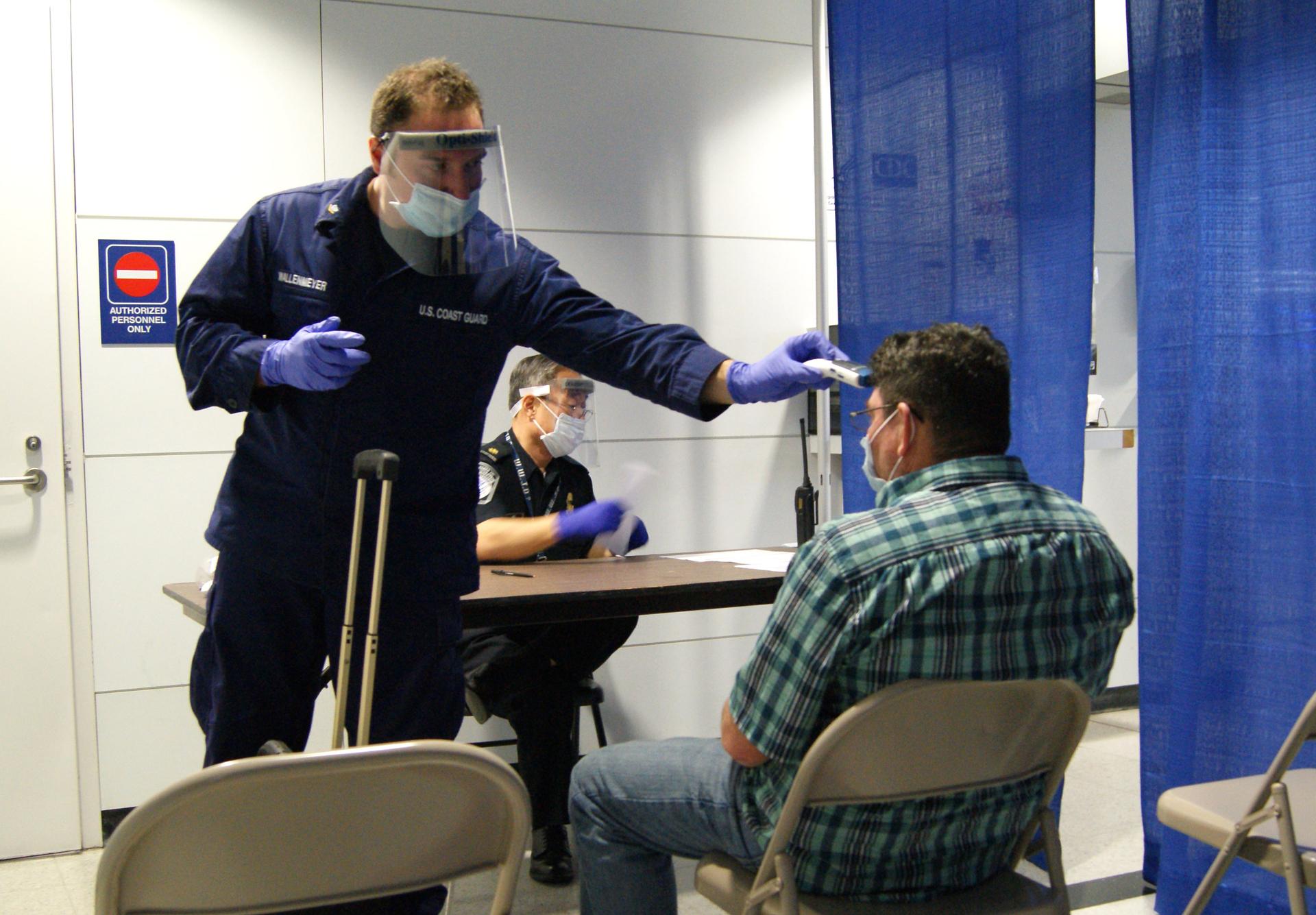
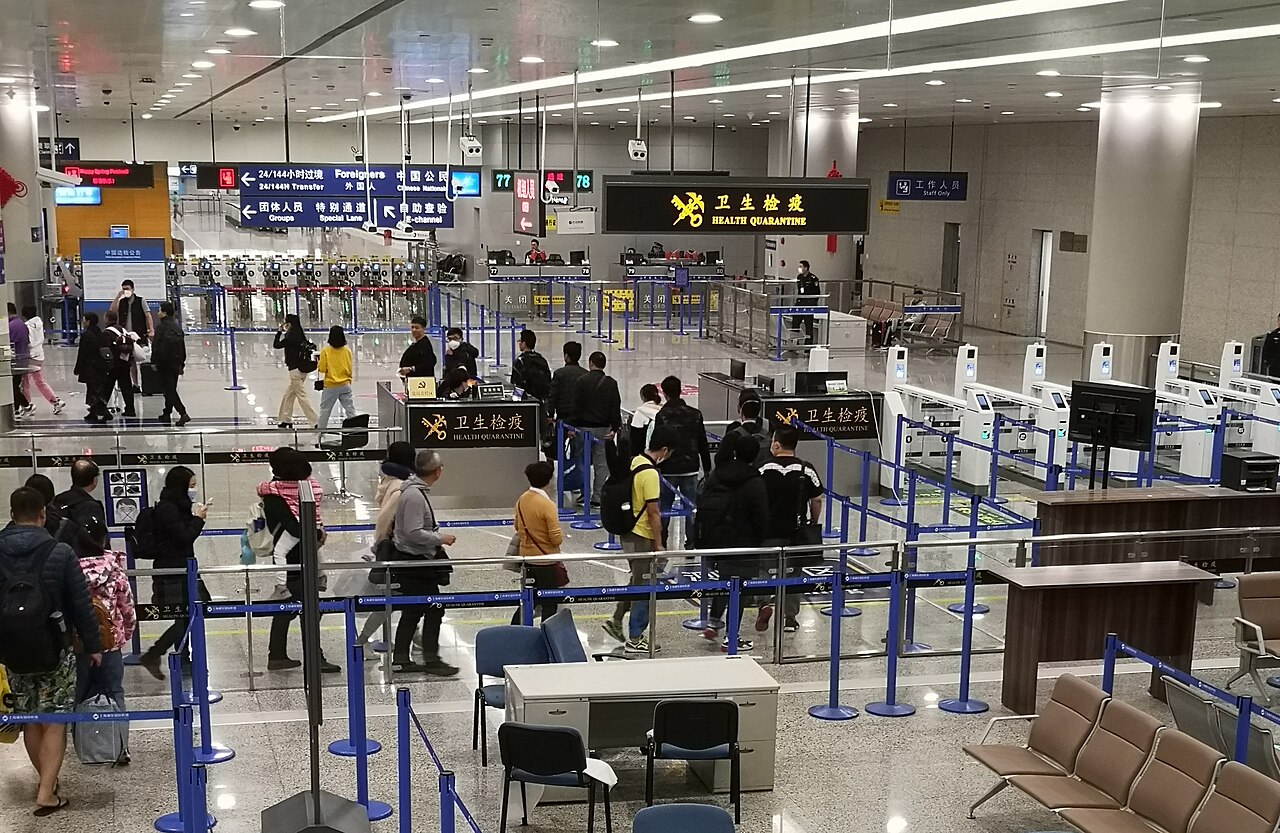
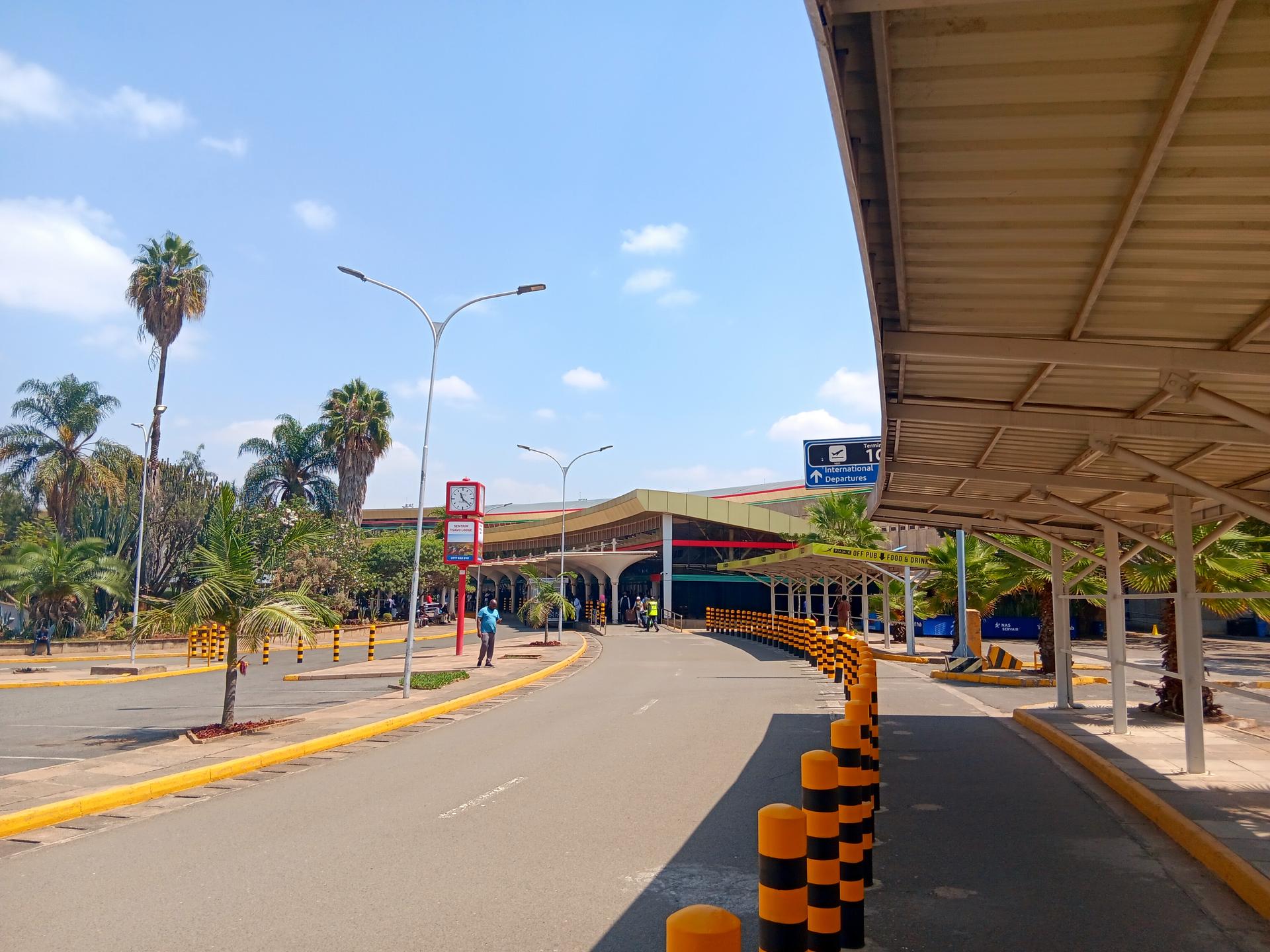
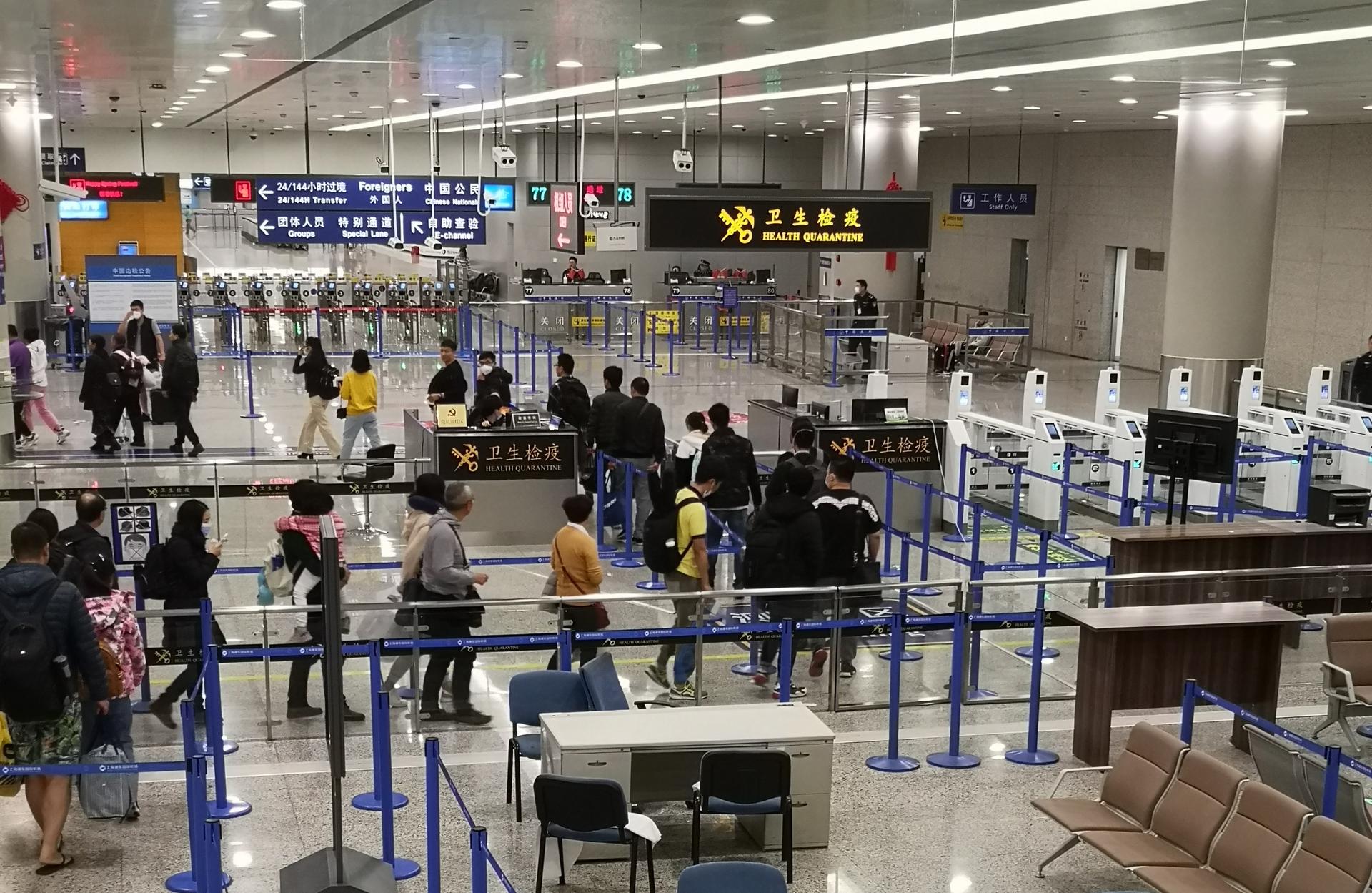
For the Kenyan who lives in Atlanta or Manchester or Doha, the trip home has always had its rituals: the overstuffed suitcases, the long layover, the slow shuffle through Jomo Kenyatta International Airport into the warm Nairobi night. This month there is a new ritual at the threshold. Before the baggage carousel, before the relatives waiting beyond the glass, there is a screening line — a health worker, a thermometer, a form asking where you have travelled and whether you feel unwell.
Kenya has recorded no confirmed case of Ebola. But the country sits beside an outbreak that the World Health Organization has called a public health emergency of international concern, and the precautions now reaching every arrival hall are a reminder that for the diaspora, the journey between two worlds has rarely felt so closely watched.
A Familiar Name, a Different Virus
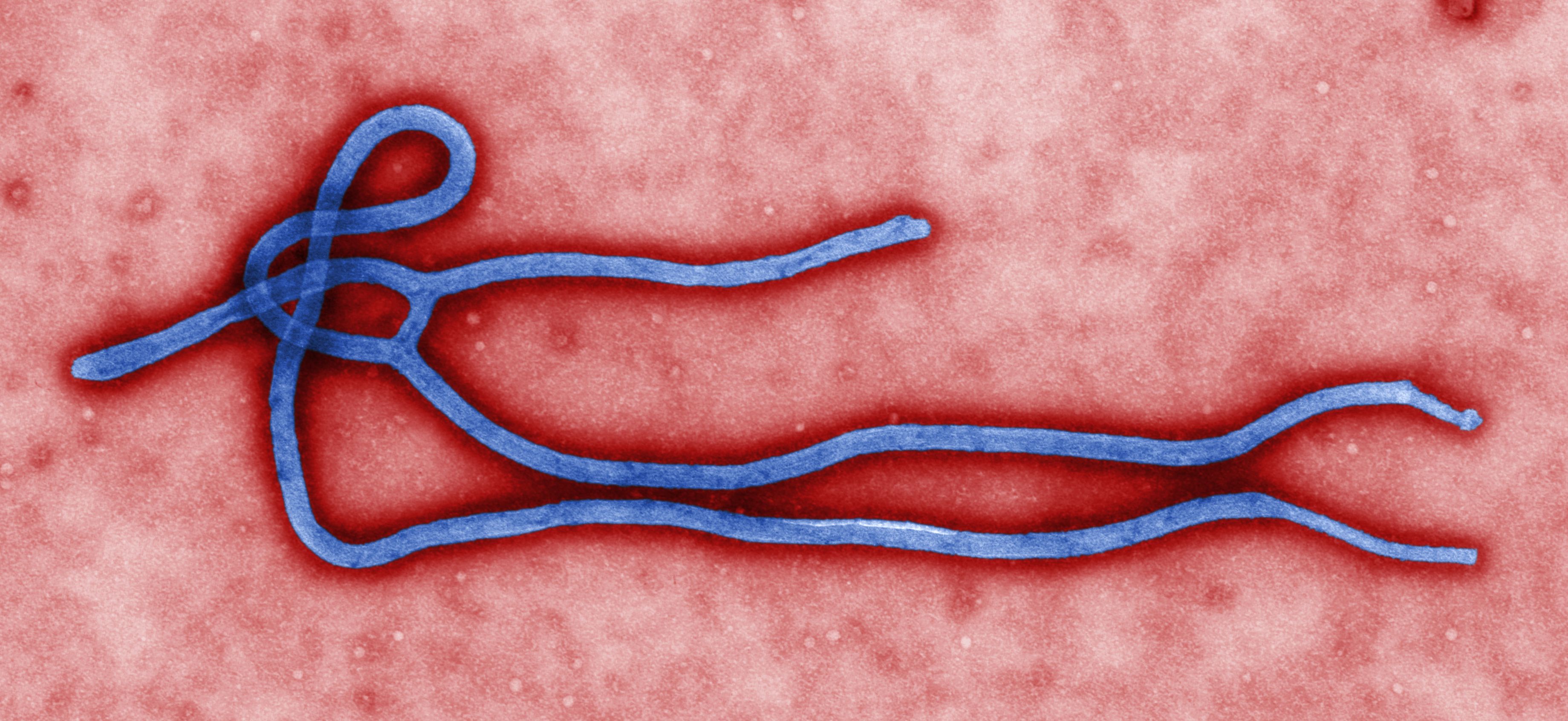
The outbreak was confirmed by the Democratic Republic of Congo's Ministry of Health in mid-May, in the northeastern province of Ituri. It is caused by the Bundibugyo virus, a strain of Ebola less often seen than the Zaire variety that drove the catastrophic West African epidemic of 2014. On 17 May the WHO declared the epidemic a public health emergency of international concern, the agency's highest level of alarm.
The numbers have climbed steadily since. In its update dated 19 June, the WHO and Congolese health authorities reported more than 800 confirmed cases and close to 200 deaths in the DRC, the great majority of them in Ituri, with smaller clusters in North Kivu and South Kivu. Uganda, which shares a porous border with the DRC, has confirmed roughly nineteen cases and two deaths. Response teams are working in a region already strained by armed conflict; the WHO has reported an attack on a burial team and workers briefly held after being falsely accused of spreading the disease — the kind of friction that turns an outbreak into a prolonged crisis.
For Kenyans following from abroad, the geography matters. Ituri is far from Nairobi, but the regional traffic of traders, families and aid workers means the outbreak is a neighbour's emergency, not a distant one.
The Screening Regime at the Border
Kenya's response has been to build a wall of surveillance rather than wait for a case. The Ministry of Health says it has enhanced screening of travellers at high-risk points of entry, coordinated through the Kenya National Public Health Institute under a fully activated National Incident Management System. Four national reference laboratories are running around the clock to handle Ebola testing, and isolation and holding facilities have been readied at designated referral hospitals and border posts.
Travellers arriving from or through the DRC, Uganda or South Sudan now face the prospect of health screening, surveillance and traveller-locator forms. The Kenya Civil Aviation Authority has issued its own travel advisory to airlines. None of this stops a Kenyan-American flying in from Newark or a nurse returning from the Gulf, but it changes the texture of arrival — the questionnaires, the temperature checks, the awareness that the person ahead of you in the queue is being asked the same questions.
The country's diplomats have spoken directly to citizens overseas. In a statement circulated in May, the State Department for Diaspora Affairs urged Kenyans living in or travelling through affected parts of the DRC and Uganda to exercise caution, practise regular handwashing, avoid contact with the sick, and seek medical attention quickly if symptoms appear after travel. The ministry activated a 24-hour Diaspora Response Center and pointed citizens to official channels rather than the rumour mills of social media.
A Quarantine Camp in the Shadow of Mount Kenya
The most contentious chapter of Kenya's outbreak has nothing to do with Kenyan patients. In the tourist town of Nanyuki, about 120 miles north of Nairobi and beneath the peaks of Mount Kenya, the United States has been preparing a facility at Laikipia Air Base to quarantine and observe American citizens who have had high-risk exposure to Ebola in the DRC, South Sudan or Uganda.
The plan has drawn repeated protests. Demonstrators have marched with a mock coffin; police fired tear gas during one demonstration in early June, and earlier protests turned deadly. Many residents say their government was not transparent about the project and fear it could import the very virus the country is screening so hard to keep out. The Nairobi-based Katiba Institute petitioned the courts, and a high court ruled against the facility, questioning whether the executive could expose the public to such risk without constitutional safeguards.
Washington has not backed down. Secretary of State Marco Rubio told a late-May cabinet meeting that protecting Americans was the first priority of US foreign policy, later softening the framing to a "misunderstanding" and saying sick Americans could return home for treatment. The State Department told NPR that Kenya was chosen for its proximity and airport capacity, and that the United States had committed 13.5 million dollars to support Kenya's own response. President William Ruto defended the arrangement as a partnership "with friends who have worked with Kenya for 30, 40 years."
Public health veterans of the 2014 epidemic are unconvinced. Nahid Bhadelia, who directs Boston University's Center on Emerging Infectious Diseases, argued the facility "does not make America safer" and that patients are better cared for near high-quality biocontainment units at home. Craig Spencer, the Brown University physician who survived Ebola after treating patients in Guinea in 2014, said that to many Kenyans the plan "looks like colonial decision making all over again," fuelling anti-American anger. As of early June, the State Department said no exposed American had yet used the facility.
What the Diaspora Carries Home
For the Kenyan diaspora, the outbreak lands in a particular emotional place. These are communities that send money home every month, that fly back for funerals and weddings, that hold both a host country's anxieties and Kenya's realities in the same heart. An outbreak in the region revives memories of the pandemic years, when borders closed and diaspora families were stranded on the wrong side of an ocean.
The practical questions are immediate. Is it safe to bring children to see their grandparents this summer? Will a layover in the region trigger extra screening on the way back to the United States or Britain? The US Embassy in Nairobi has folded enhanced Ebola screening into its worldwide-caution health alerts, a signal that travel measures can ripple outward to anyone moving between continents. Diaspora health professionals — the Kenyan nurses and doctors who staff hospitals in the United States, the United Kingdom and the Gulf — also weigh whether and how to volunteer, knowing the response needs exactly their skills.
The Long Wait for an All-Clear
An outbreak ends not with a single announcement but with a slow accumulation of quiet days — 42 of them, two incubation cycles, with no new case, before the WHO will lift an emergency. Bundibugyo has shown it can move faster than the response chasing it, and the insecurity in eastern Congo makes every clean day harder to string together.
Until then, the screening line at JKIA will keep its place in the choreography of homecoming. For most travellers it will mean only a brief pause and a few questions. But it is also a marker of the diaspora's permanent condition — to live with one set of headlines abroad and another back home, and to feel, in the queue at the airport, exactly where the two meet. The advice from Kenya's own health officials is plain: wash your hands, watch for symptoms, trust official updates over rumour, and do not let fear curdle into the stigma that helps the virus hide.