The Gate Marked Sixteen: How an Ebola Surge Next Door Turned JKIA Into the Diaspora's Anxious Front Door
As Bundibugyo Ebola pushes past 500 deaths in Congo and slips across into Uganda, every Kenyan flying home now meets a screening line — and a diaspora watches from afar.
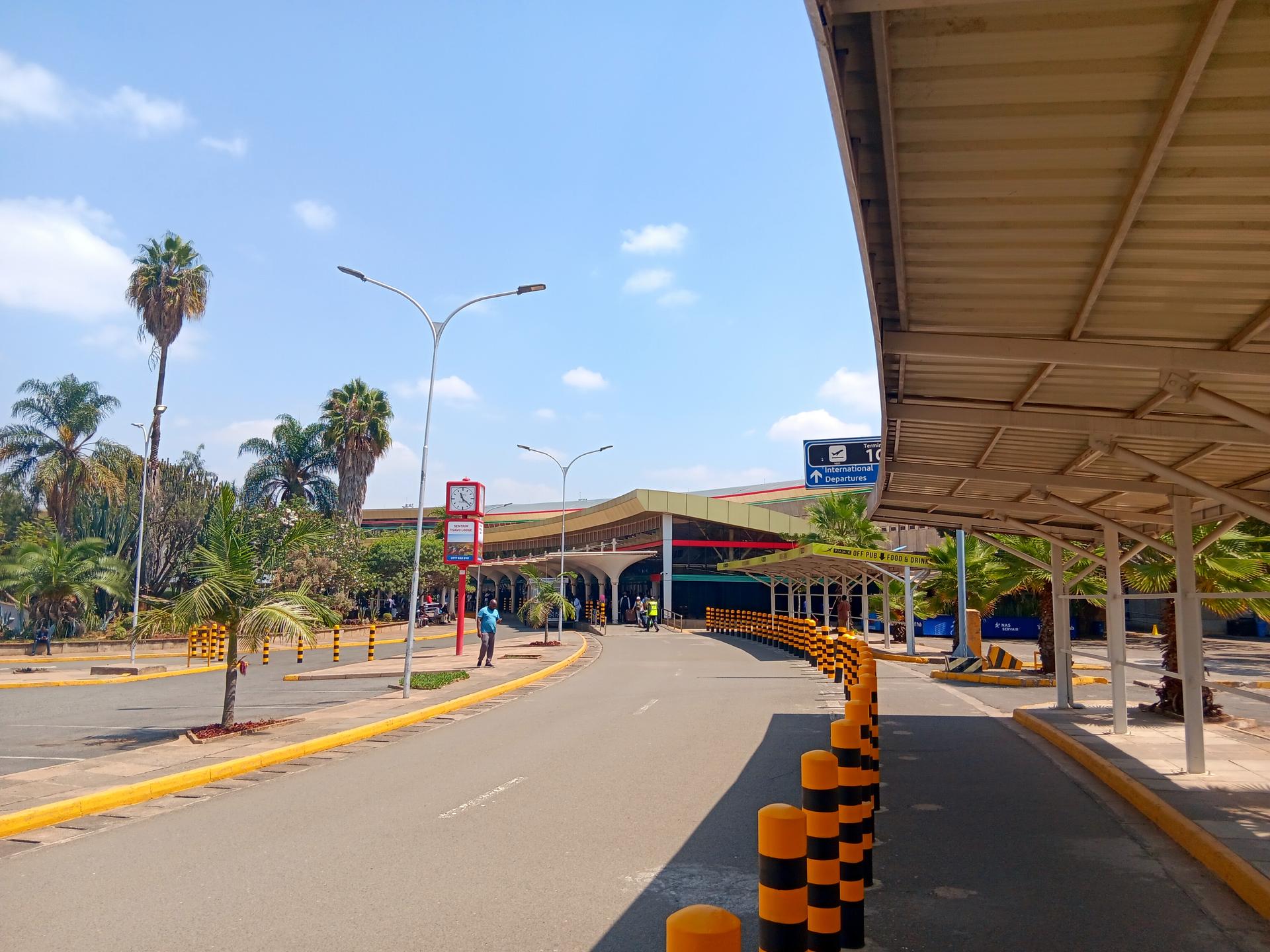
There is a gate at Jomo Kenyatta International Airport that most passengers will never walk through, and that is precisely the point. Gate 16 sits apart from the ordinary river of arrivals, reserved for the flights that health officials have decided to watch more closely than the rest. A returning student from Manchester, a nurse landing from Doha, a grandmother home from Boston for a wedding — most of them pass through the usual channels, phones out, health form already filled. But the very existence of that separate gate tells its own quiet story about the summer of 2026, and about a virus moving through the forests and mining towns just beyond Kenya's western horizon.
For the hundreds of thousands of Kenyans scattered across the United States, the Gulf, Britain and Australia, home has always been a place reached by a long flight and a longer line at immigration. This year that line has grown a new meaning. It is no longer only the border between abroad and home. It is the border a country is trying to hold against Ebola.
A toll that keeps climbing across the border
The numbers arriving from the Democratic Republic of the Congo have been steadily, grimly rising. On 5 July, the DRC reported 1,561 confirmed cases of Ebola disease, including 506 deaths, according to figures compiled by the World Health Organization and echoed by the US Centers for Disease Control and Prevention. The strain behind this outbreak is Bundibugyo virus, a less familiar member of the Ebola family than the Zaire strain that devastated West Africa a decade ago, but a lethal one all the same. The clusters have been concentrated in the Mongbwalu and Rwampara health zones of Ituri Province, in the country's turbulent east.
What has changed the calculation for the wider region is that the outbreak no longer respects the Congolese frontier. Health authorities in Uganda confirmed Bundibugyo virus in a patient who had travelled from the DRC and later died while receiving care. A single cross-border case is not an epidemic, but for public health planners it is the sound they most dread: the virus proving it can move with people, along the same roads and bus routes that stitch East Africa together.
For Kenya, Uganda is not a distant abstraction. It is the neighbour on the other side of the Busia and Malaba crossings, linked by a constant flow of traders, truckers, students and families. When the disease reached Uganda, the map of risk quietly redrew itself closer to Nairobi.
Kenya has no cases — and is working to keep it that way
The most important fact, and the one Kenyan officials have repeated most insistently, is this: Kenya has recorded no confirmed Ebola cases. Public Health Principal Secretary Mary Muthoni, touring JKIA earlier in the response, urged the public to trust official updates from the Ministry of Health rather than the rumours that spread faster than any virus on WhatsApp.
But the absence of cases is not the absence of effort. It is the product of it. Kenya sits at the centre of the region's air and road network, a hub for trade, tourism and the endless comings and goings of its own diaspora. That connectivity, Health Cabinet Secretary Aden Duale has argued, is exactly why preparedness cannot be optional. The country that everyone passes through is the country with the most doors to watch.
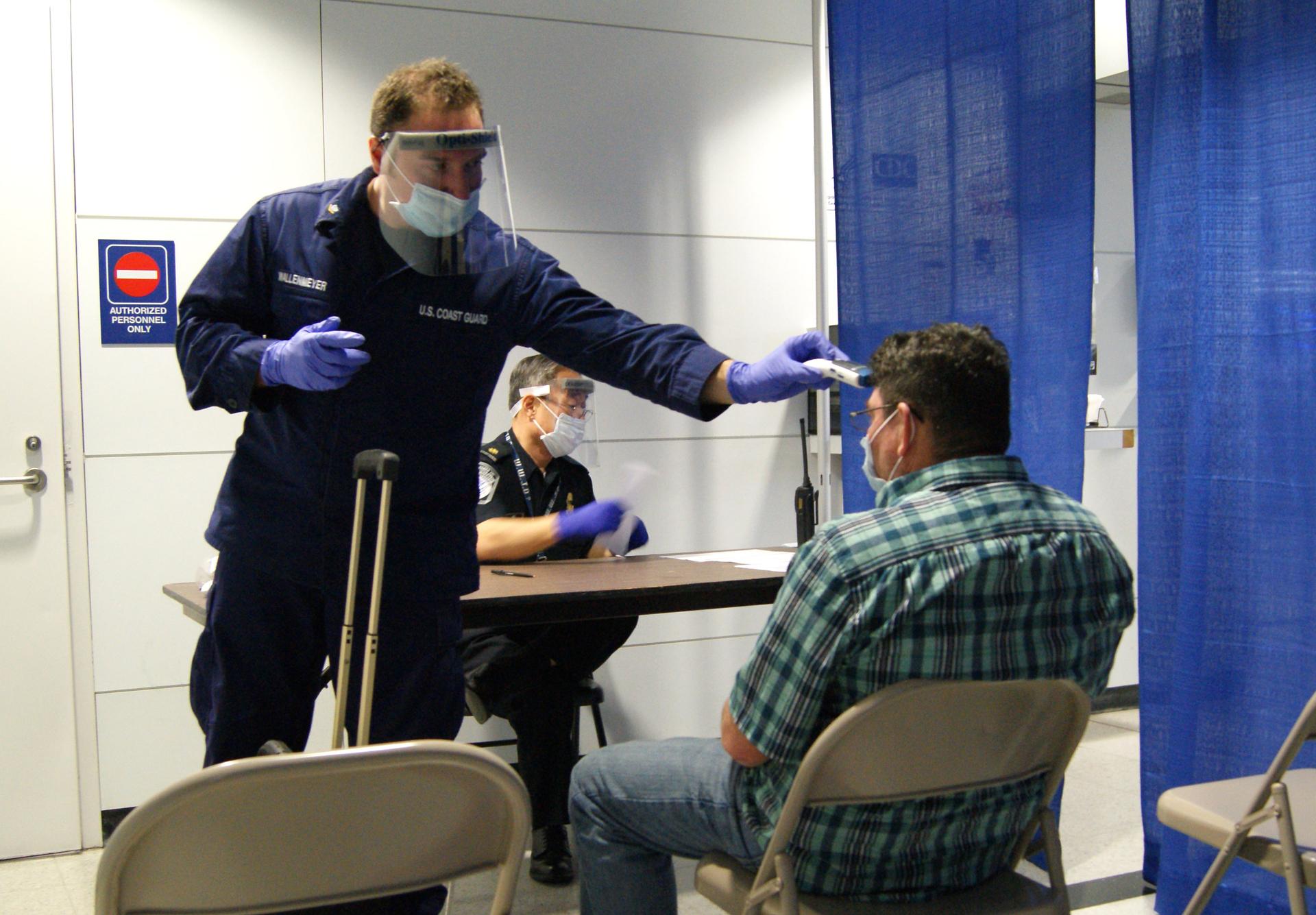
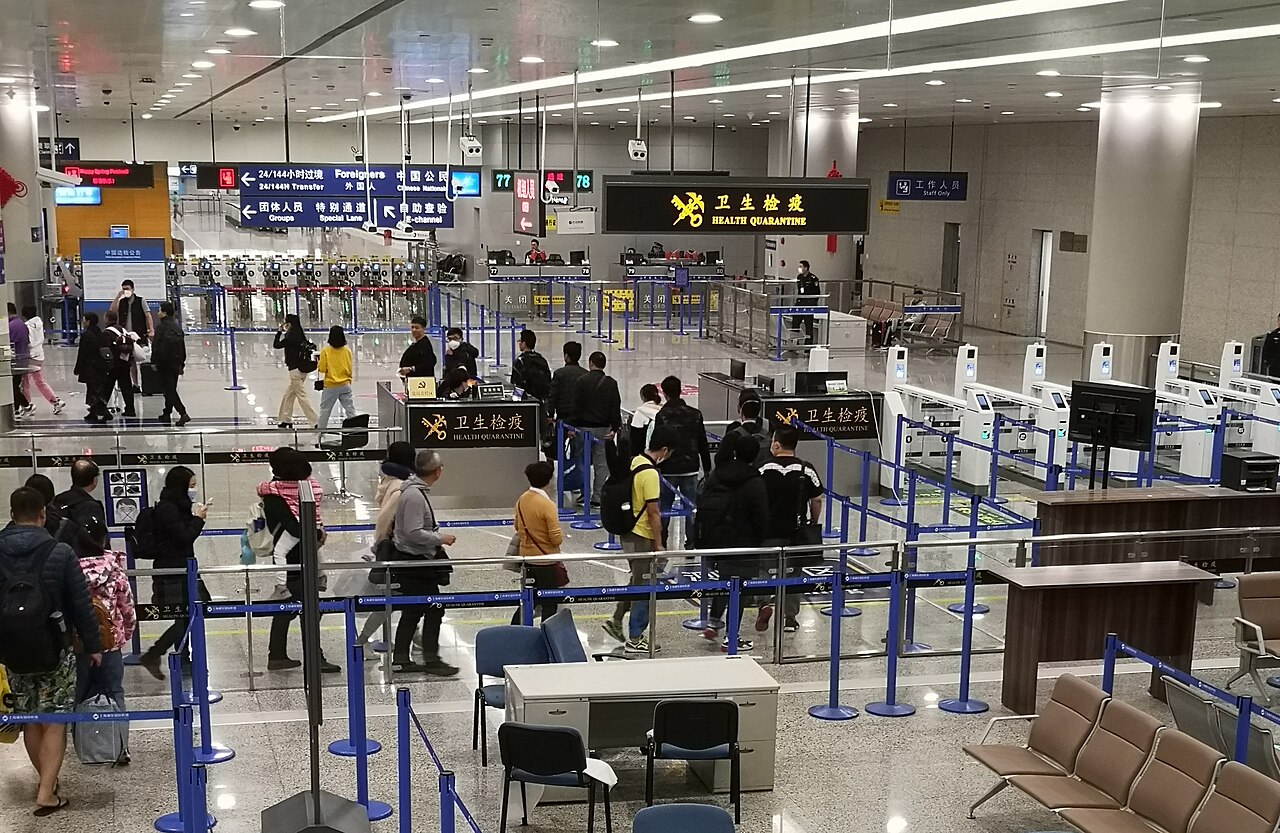
So the doors are being watched. At JKIA, surveillance has been stepped up across all six international arrival channels, with Gate 16 set aside for flights from countries considered higher risk. Mandatory screening has been widened to cover arrivals from Kenya's neighbours. Every traveller entering the country is asked to complete an online self-reporting health form, declaring recent travel and any symptoms, before clearing immigration.
The science quietly running beneath the terminal
Some of the most striking measures are the ones passengers never see. Health teams at JKIA have begun collecting and testing waste from arriving aircraft — a form of genomic surveillance that treats an aeroplane's sewage as an early-warning system. The samples are stored at the airport's health clinic and passed to national laboratories, where analysts look not only for Ebola but for other pathogens that might slip in with international travel.
It is the same logic that Kenyan scientists have been pioneering in the country's sewers and wastewater plants: the idea that a population's health can be read, days ahead of the first hospital admission, in what it leaves behind. Applied to the belly of a long-haul jet, it turns each landing into a data point. If a threat is present, the hope is to see it in a lab result before it is ever seen in a sick traveller.
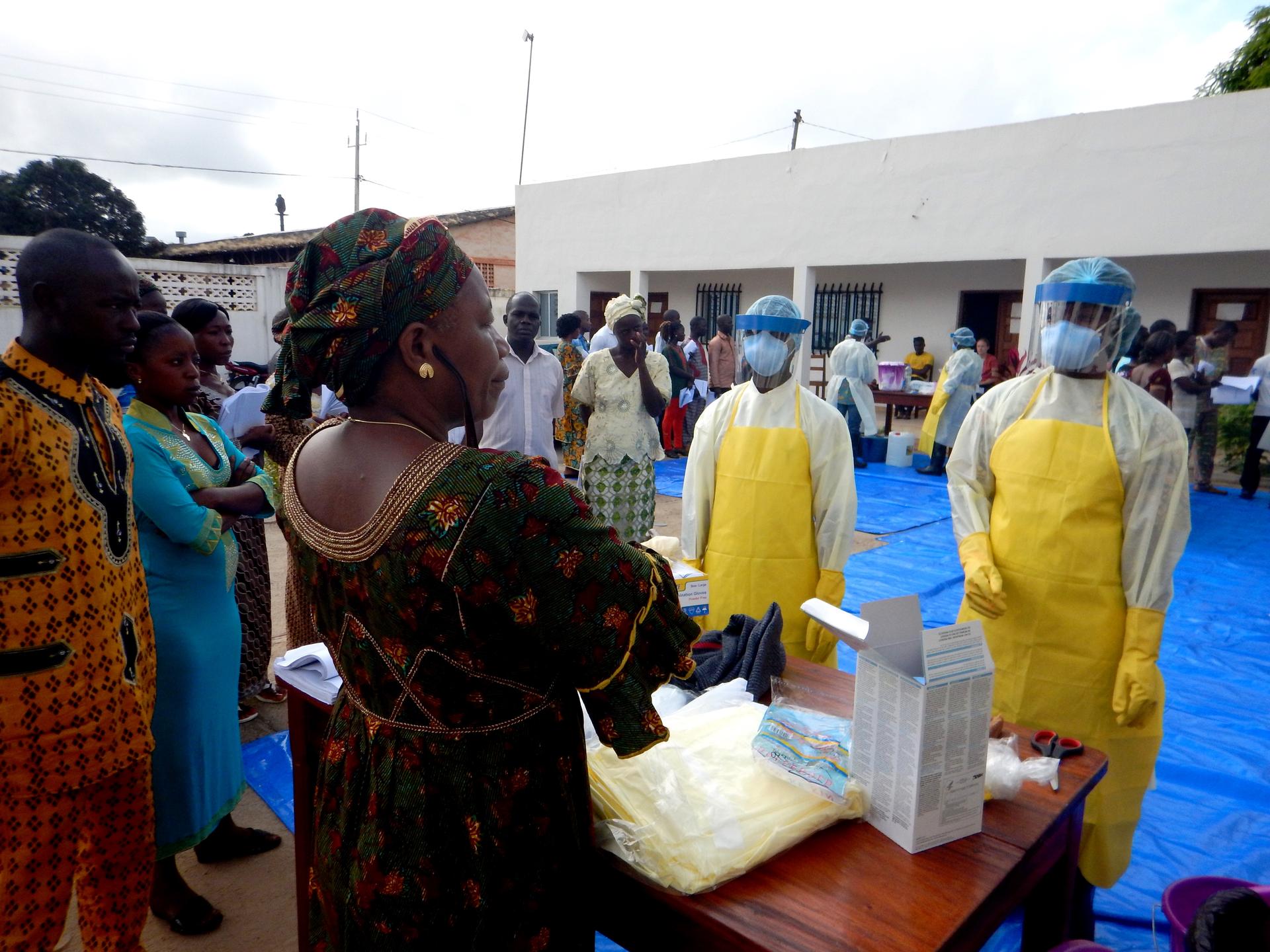
Should a passenger fall ill in the air, the protocol is defined. Port health officers meet the aircraft, escort the traveller to an airport clinic, and, if needed, arrange transfer to Kenyatta National Hospital, where an isolation and treatment unit stands ready. Similar isolation capacity has been established at Moi Teaching and Referral Hospital, the National Police Service Referral Hospital and across more than a dozen counties judged high-risk because of their proximity to border corridors. More than a thousand health workers have been trained in Ebola response, and national coordination centres have been activated to run the effort.
What the diaspora reads in a screening line
For a Kenyan in Atlanta or Abu Dhabi, none of this is theoretical. It shapes the texture of a trip home. The relative planning a December visit now factors in health forms and the possibility of screening delays. The family in the village measures the outbreak not in case counts but in the safety of a mother travelling to Kampala for market, a cousin driving the Nimule road, a brother crossing at Malaba.
There is a particular ache in following a health emergency from thousands of miles away. Distance strips out the reassurance of being able to see for yourself, and leaves only the headlines and the family calls. The diaspora has learned, over years of following floods, fuel crises and now an epidemic next door, to hold two truths at once: that Kenya remains, for the moment, free of the disease, and that the situation across the border is serious and still worsening.
Kenya's preparedness has not been without friction. A US-backed plan to build an Ebola quarantine and treatment facility in Laikipia became the subject of legal challenge and public unease, a reminder that even measures meant to protect can raise hard questions about consent, sovereignty and who decides. Those debates will continue. So, for now, will the screening.
The front door, held for now
Gate 16 is, in the end, a small piece of architecture doing a large job. It is a country's attempt to keep an open door open — to remain the hub that welcomes its students home and its workers back for weddings and funerals — without letting in the one guest no one can afford. Whether the barrier holds will depend on things far beyond any terminal: on how quickly the outbreak in Congo and Uganda is contained, on the honesty of a self-reported form, on the alertness of a port health officer at the end of a long shift.
For the Kenyan abroad, watching the numbers tick upward from a screen in another time zone, the message from home is steadying but not soft. The line at the airport is longer this year for a reason. It is there so that the reunion at the other end can happen at all.
This article discusses an ongoing disease outbreak. For current guidance and confirmed information, readers should rely on the Kenya Ministry of Health and the World Health Organization rather than unverified reports.