The Form Before the Flight: How Congo's Worst Ebola Surge in Years Reached Kenya's Borders
As the Bundibugyo virus tears through eastern Congo at record speed, Kenya has turned its airports and frontier posts into a single watchful screen — and Kenyans abroad are reading every update.
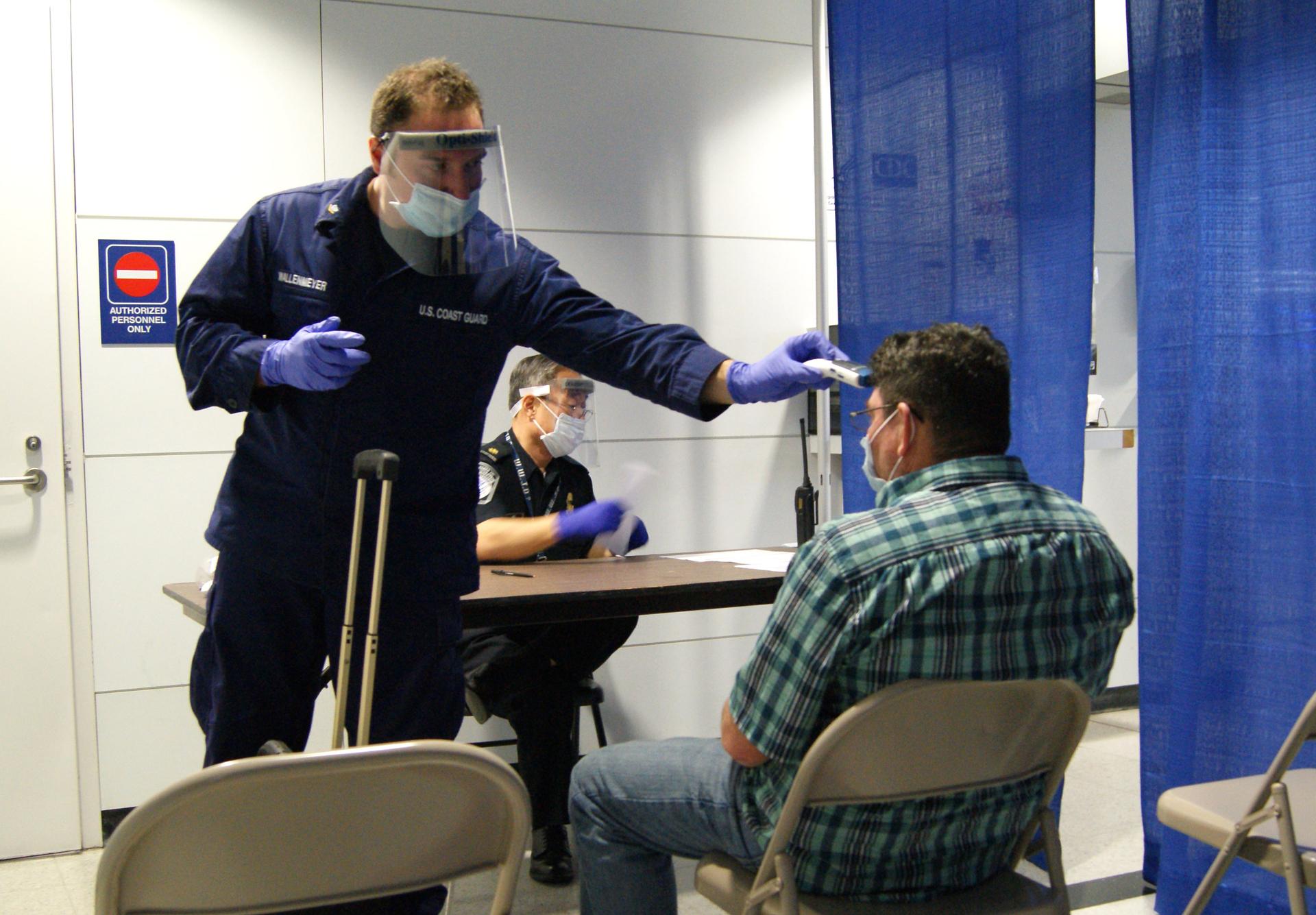
At Jomo Kenyatta International Airport, the journey home now begins a little earlier than it used to. Somewhere between the check-in desk and the gate, the rhythm of arrival has changed: a phone held up to scan a code, an electronic health form to complete, a thermal camera quietly reading foreheads as passengers file past. For most travellers it adds only minutes. But that small bureaucratic ritual is the visible edge of something far larger — a country bracing against the second-largest Ebola outbreak ever recorded, unfolding just across its western frontier.
On 23 June, Kenya's Ministry of Health confirmed that travellers arriving from or transiting through the Democratic Republic of Congo and Uganda must now complete electronic health surveillance forms before entering the country. Temperature checks are being conducted at points of entry, and anyone recording above 38 degrees Celsius is referred for further assessment. The notice, circulated through Kenya's diplomatic channels, formalised what had been building since spring: a nation turning its airports and land borders into a single, watchful screen.
For the hundreds of thousands of Kenyans living abroad — many of them planning the long flights home for the July and August visiting season — the news lands differently than an ordinary domestic health bulletin. It is a reminder that the route home now passes through a checkpoint that did not exist a few months ago.
A Virus Moving Faster Than Any Before It
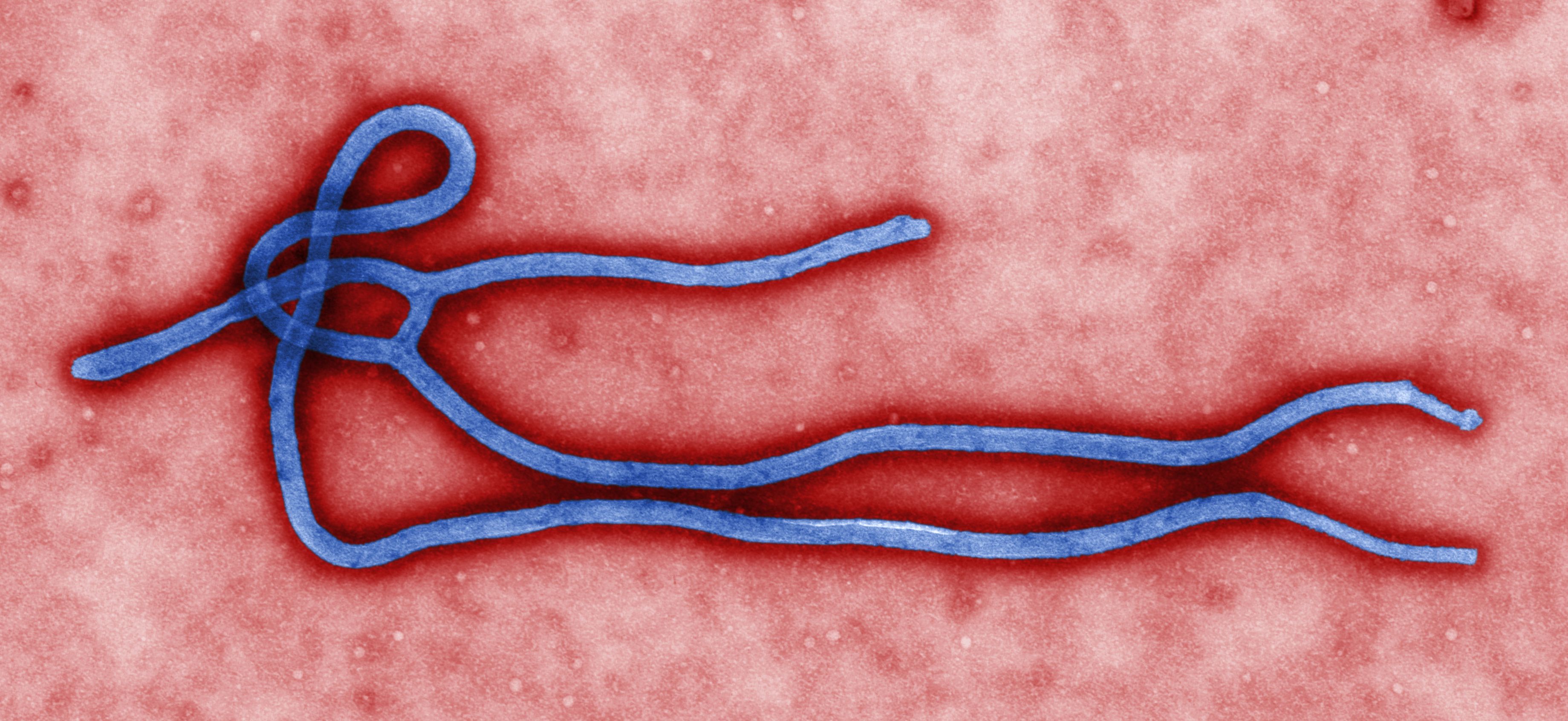
The outbreak began in DRC's Ituri Province, where health officials confirmed Ebola disease on 15 May. Within days the count climbed into the hundreds; by 22 June, the DRC had confirmed more than a thousand cases, making this the second-largest Ebola outbreak on record and, by several accounts, the fastest-spreading the world has seen. The World Health Organization declared the epidemic a Public Health Emergency of International Concern on 17 May, pointing both to the speed of transmission and to the strain involved — Bundibugyo virus, a less common but well-documented member of the Ebola family.
Uganda, which shares a long and porous border with eastern DRC, soon confirmed its own case: a patient who had travelled from Congo and later died, prompting Kampala to activate surveillance and screening of its own. With two of Kenya's neighbours now affected, Nairobi's calculation was straightforward. Kenya has not recorded a single case linked to the outbreak, and the entire effort is designed to keep it that way.
The Screen at the Border
Kenya's exposure is not theoretical. The country sits at the centre of East Africa's trade and travel web, with heavy daily movement through the Busia, Malaba, Suam and Namanga crossings and a constant stream of international arrivals at JKIA. Goods, traders, truck drivers and families cross these lines every day, and a virus does not need a passport to follow them.
The response has been built around sheer volume. By official counts, more than 34,500 travellers have already been screened at entry points, including over 18,000 international passengers along with thousands of local travellers, truck drivers and vehicles. An online passenger surveillance system has been deployed, and laboratory capacity has been strengthened at the KEMRI sites in Kisumu and Nairobi, the National Public Health Laboratory, and through mobile testing platforms positioned near the high-risk western counties.
At JKIA, airlines have been instructed to ensure passengers complete the surveillance forms before departure and to hand passenger manifests and health declarations to Port Health officers on request. The effect is to push the screen back to the moment of boarding — before anyone is in the air.
"Isolate First"
Perhaps the most striking instruction was the one sent to hospitals. The Ministry told medical facilities not to wait for a travel history or laboratory confirmation before isolating a patient showing possible symptoms. "Do not wait for travel history confirmation or laboratory results before initiating isolation," the advisory read, warning that patients may not volunteer where they have been, or may simply be too ill to say. The guidance reduced its own message to two emphatic words: isolate first.
It is a posture shaped by hard memory. Ebola's danger has always lived in the gap between a sick patient walking into a crowded ward and anyone realising what they are dealing with. By trying to collapse that gap, Kenya is attempting to buy the one resource that outbreaks punish most severely when it is lost: time.
Why the Diaspora Is Watching
For Kenyans abroad, an outbreak on the doorstep of home is never merely a headline about somewhere else. Diaspora families are among the most frequent long-haul travellers into JKIA, returning for weddings, funerals, school holidays and the ordinary work of staying connected. Many also send money and supplies home, and a regional health emergency can ripple through everything from flight schedules to the cost of the cross-border trade that relatives depend on.
There is also the particular weight of watching from a distance. The diaspora has spent recent years absorbing difficult news from afar — losses in the Gulf, deaths in distant cities, the slow grind of shifting immigration rules. An Ebola surge so close to home adds a different kind of helplessness: the urge to do something for family in the border counties, set against the knowledge that the most useful response for most people is to stay informed and resist the spread of panic.
The Politics of Preparedness
Preparedness has not been free of friction. Earlier in June, protests broke out in Nanyuki over a planned, US-funded Ebola facility, turning deadly and exposing how quickly fear and mistrust can attach themselves to public-health infrastructure. The dispute spilled into the courts, where Health Cabinet Secretary Aden Duale appeared before a judge over the matter and offered an apology that spared him a custodial term.
The episode was a reminder that disease control is never a purely medical exercise. Communities asked to host isolation units or testing sites want to know who made the decision, who stands to benefit and who carries the risk — questions that a surveillance form at an airport gate cannot begin to answer.
What Comes Next
For now, Kenya holds the status it wants: zero cases, heightened watch. Whether that holds will depend partly on Kenya's own vigilance and partly on the trajectory across the border in DRC, where the curve has so far bent the wrong way. The WHO's emergency designation should unlock international support, but the experience of past outbreaks suggests the decisive work happens at the human scale — a nurse who isolates early, a traveller who fills in a form honestly, a border officer who notices a fever and acts.
For the diaspora, the new checkpoint at JKIA is a small thing to navigate and a large thing to understand. The form before the flight is, in the end, a quiet measure of how close home and danger now sit — and of a region trying, screen by screen, to keep the two apart.