The Form Before the Jet Bridge: How Kenya's Ebola Screening Is Reshaping the Diaspora's Summer Trip Home
As Ebola spreads through eastern Congo, new health checks at Kenya's airports and borders are quietly rewriting what it means to fly home this season.
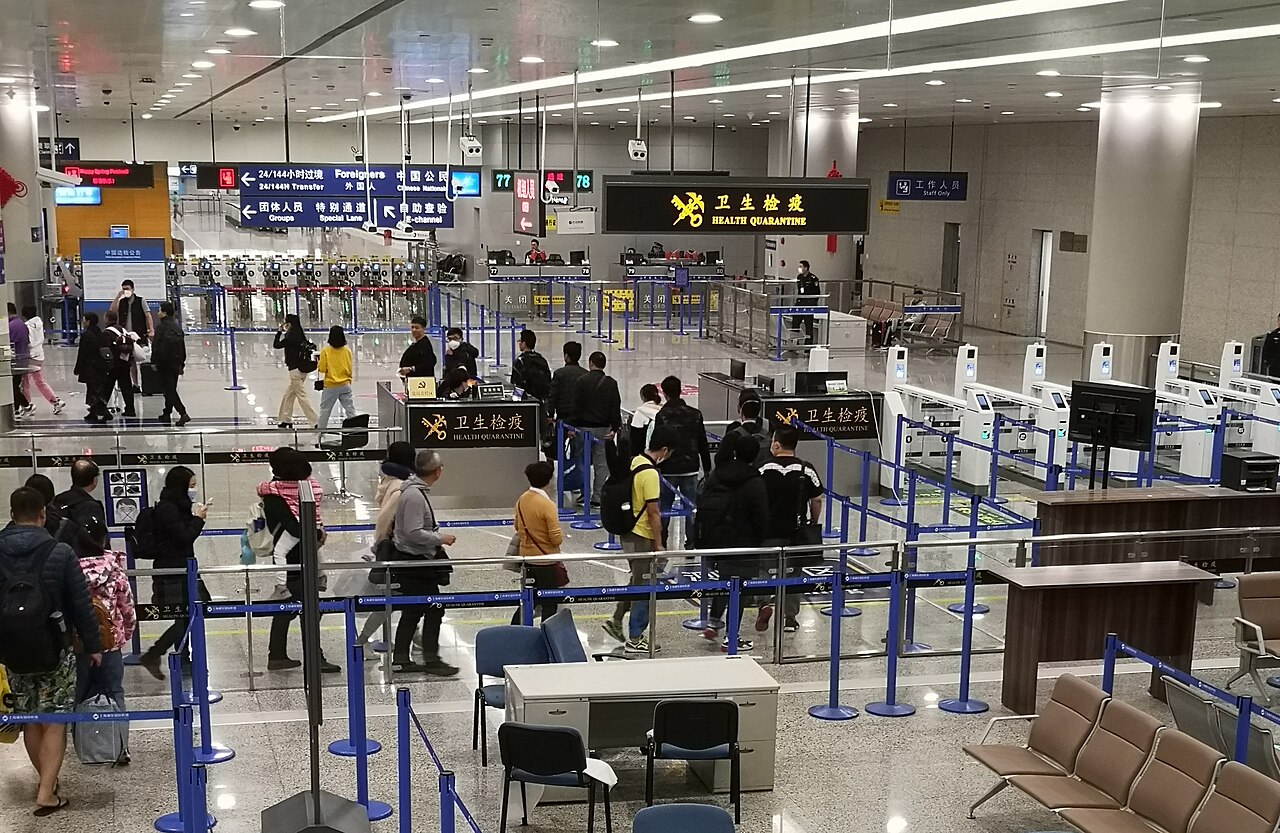
For the Kenyan who has been saving all year to fly home in July, the trip used to begin at the check-in desk. This season it begins a little earlier, at a screen.
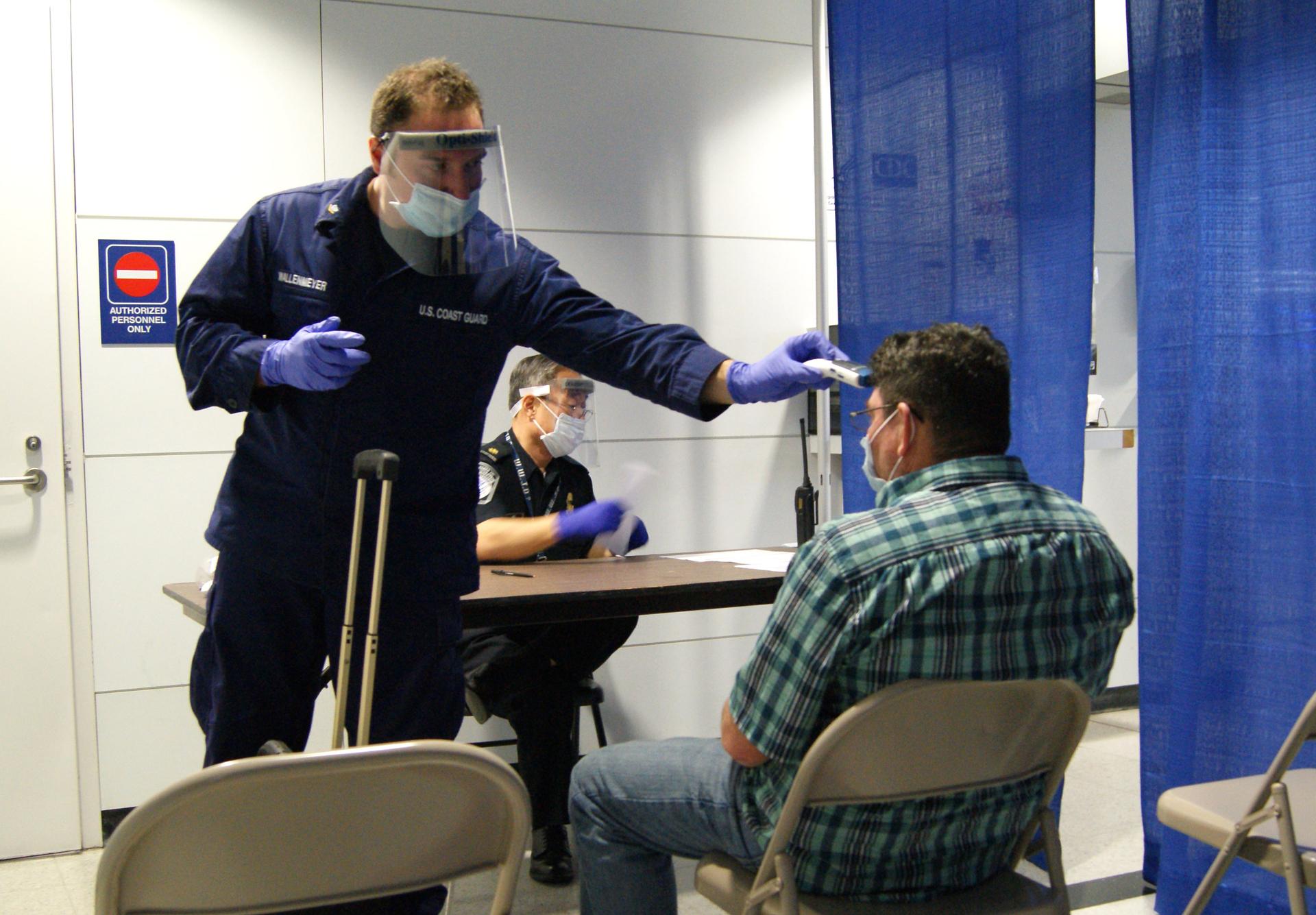
Before boarding a flight routed through Nairobi, passengers arriving from or transiting the Democratic Republic of Congo and Uganda are now asked to complete an electronic health surveillance form. At Jomo Kenyatta International Airport, a thermal camera reads the temperature of each traveller stepping off the jet bridge. Anyone registering a fever of 38 degrees Celsius or higher is pulled aside for a closer look. It is a small bureaucratic ritual, and for thousands of Kenyans abroad planning their first trip back in years, it is the first sign that the country they are returning to is bracing for something serious across its western border.
The Notice That Changed the Arrival Hall
The new measures were communicated through a diplomatic note issued via Kenya's embassy in Angola, instructing missions and carriers that travellers from or transiting the two affected countries must complete the surveillance forms before they enter Kenya. Airlines flying into JKIA have been directed to confirm that passengers fill in the declarations before departure, and to hand passenger manifests and health declarations to Port Health Officers on request.
The screening is not confined to the airport. Kenya manages heavy daily movement across its land frontiers, and the new surveillance net is drawn over the busy posts at Busia, Malaba, Suam and Namanga as much as over the terminals at Nairobi. For families who cross those borders by road, often several times a year, the change is as real as it is for the long-haul traveller arriving from Atlanta or Manchester.
A Larger Outbreak Across the Border
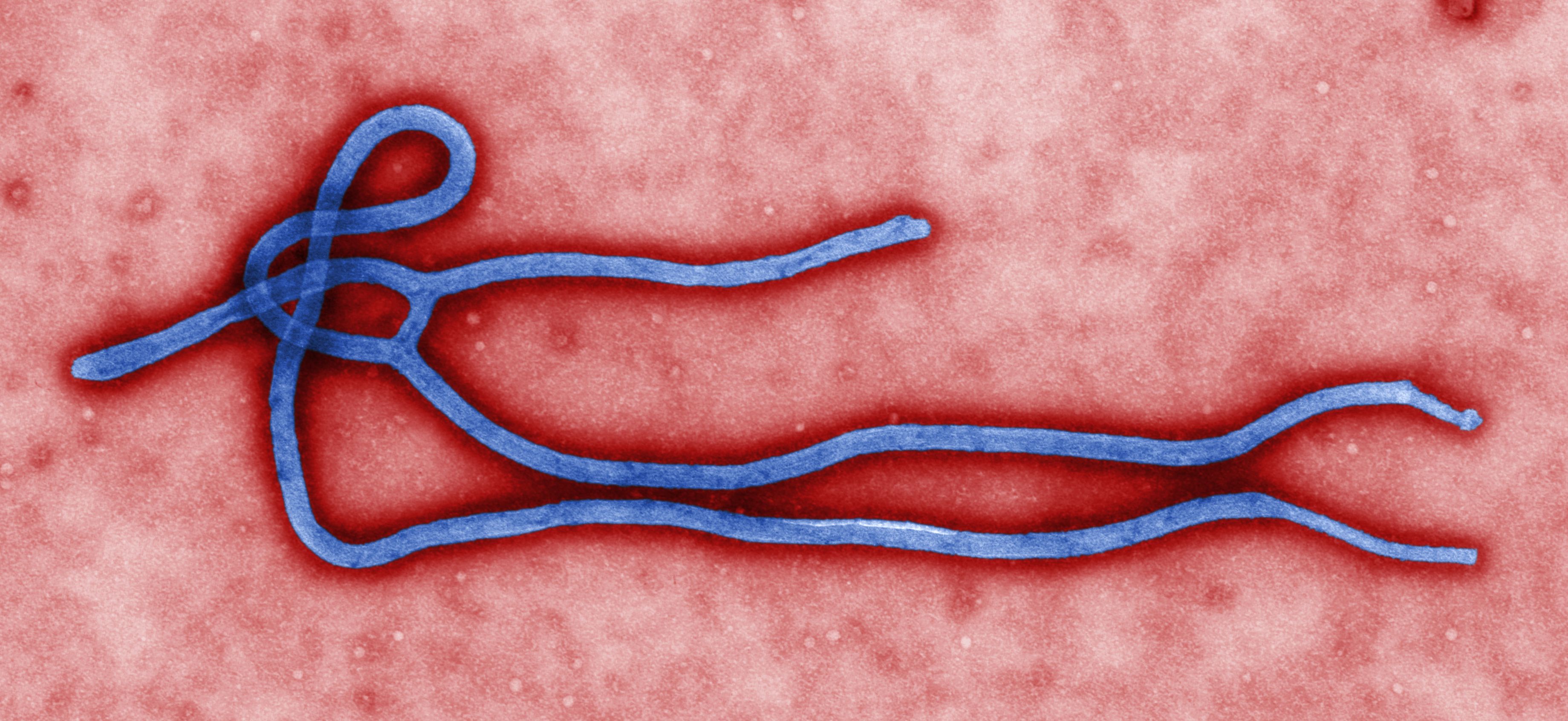
The caution is grounded in numbers that have been climbing for weeks. The outbreak, caused by the Bundibugyo strain of the Ebola virus, was declared in the Ituri Province of eastern Congo. By mid-June, the Democratic Republic of Congo had reported a cumulative 896 confirmed cases and 232 deaths, according to figures circulated by regional health authorities and echoed by international agencies tracking the epidemic.
Uganda, which shares a long and porous border with both Congo and Kenya, had recorded 19 confirmed cases and two deaths by 18 June, along with one probable case that ended in death. There was one encouraging sign in the Ugandan data: no new cases had been reported there since early June, a hint that its response may be gaining ground even as Congo's caseload continues to rise. For Kenya, sitting one country removed from the epicentre, the lesson of past outbreaks is that geography offers no guarantee. Viruses travel the same roads and runways that people do.
Why the Diaspora Is Watching
There is a particular reason this story lands differently for Kenyans abroad. June through August is the season of homecomings — weddings, burials, school holidays, the long-promised visit to ageing parents. The diaspora does not simply read about a back-home outbreak from a distance; many of its members are about to walk straight into the country's arrival halls, suitcases in hand.
The screening also reaches further than Kenya's own borders. Public-health agencies in the United States and Europe have issued their own advisories for travellers returning from Ebola-affected areas, asking them to monitor their health for weeks after arrival and to report symptoms promptly. A Kenyan nurse in Dallas or a student in Birmingham who passes through Nairobi this summer may find that the journey home, and the journey back, now comes with a longer paper trail and a heightened watchfulness on both ends. For a community that has spent years navigating tightening visa rules and rising travel costs, this is one more variable to weigh before booking a ticket.
Isolate First
Behind the forms and the cameras lies a clinical instruction that reveals how seriously Kenyan health officials are treating the threat. Hospitals have been told not to wait for confirmation before acting on a suspected case. "Do not wait for travel history confirmation or laboratory results before initiating isolation. Patients may not volunteer their history or may be too ill to provide it. ISOLATE FIRST," the advisory to medical facilities stated.
That guidance is a quiet acknowledgement of how Ebola has slipped through defences before, when a single unrecognised case in a crowded ward became the seed of a wider chain. To support the front line, Kenya has activated a national incident management system through the Kenya National Public Health Institute, with rapid response teams said to be on standby around the clock. By the authorities' own count, more than 34,500 travellers had already been screened at points of entry, a figure that included international passengers, local travellers, truck drivers and the vehicles moving between the countries.
The Tests Still Ahead
Screening at a border is only as strong as the system waiting behind it. Thermal cameras catch fevers, not incubating infections, and a traveller can carry the virus for days before a temperature betrays it. The real test for Kenya will be whether its hospitals, laboratories and rapid response teams can move quickly if a genuine case slips through, and whether the public trusts the institutions asking them to fill in another form.
For the diaspora, the practical advice is unglamorous but sound: build extra time into airport transfers, keep documentation handy, watch for official updates before travelling, and take the post-arrival monitoring guidance seriously rather than as a formality. The outbreak across the border is a reminder that the bonds between Kenya and its citizens abroad are not only emotional and financial but biological too — that a health emergency in Ituri can change the texture of a homecoming in Nairobi. For now, the journey home still runs through that small screen at the gate, and the families on either side of it are watching the numbers, and the borders, with the same quiet anxiety.