The Form Before the Flight: How a Regional Ebola Surge Redraws the Diaspora's Path Home
As the Bundibugyo virus tears through DRC and Uganda, Kenya has wrapped its airports and land borders in a new screening regime — and the journey home now begins with a health form.
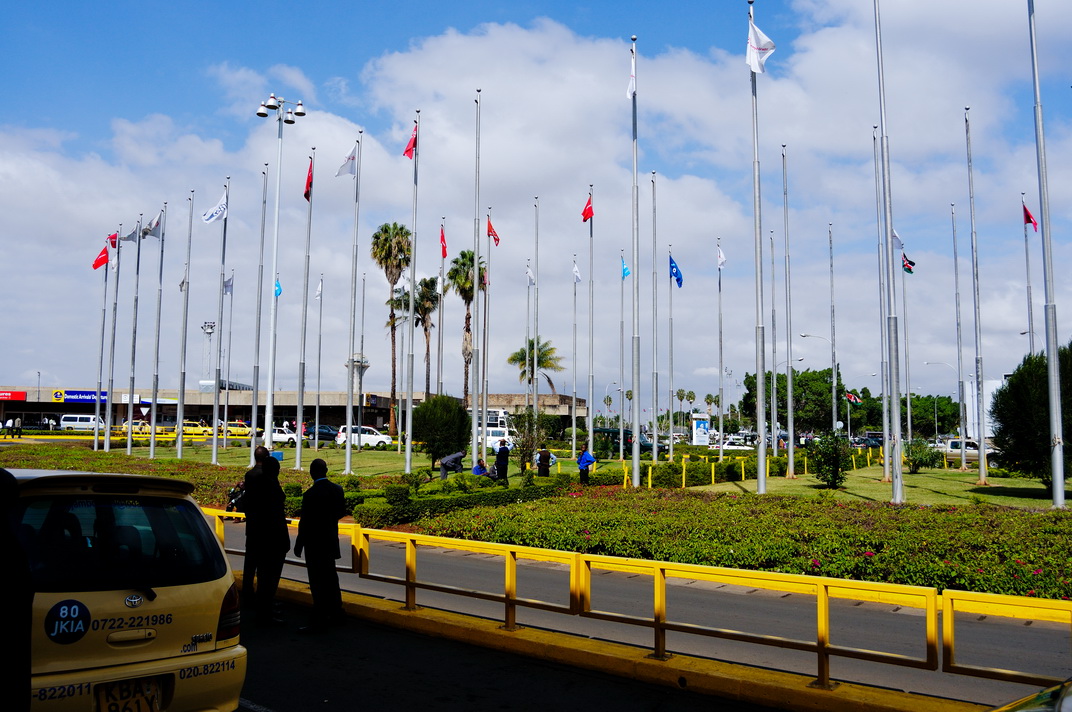
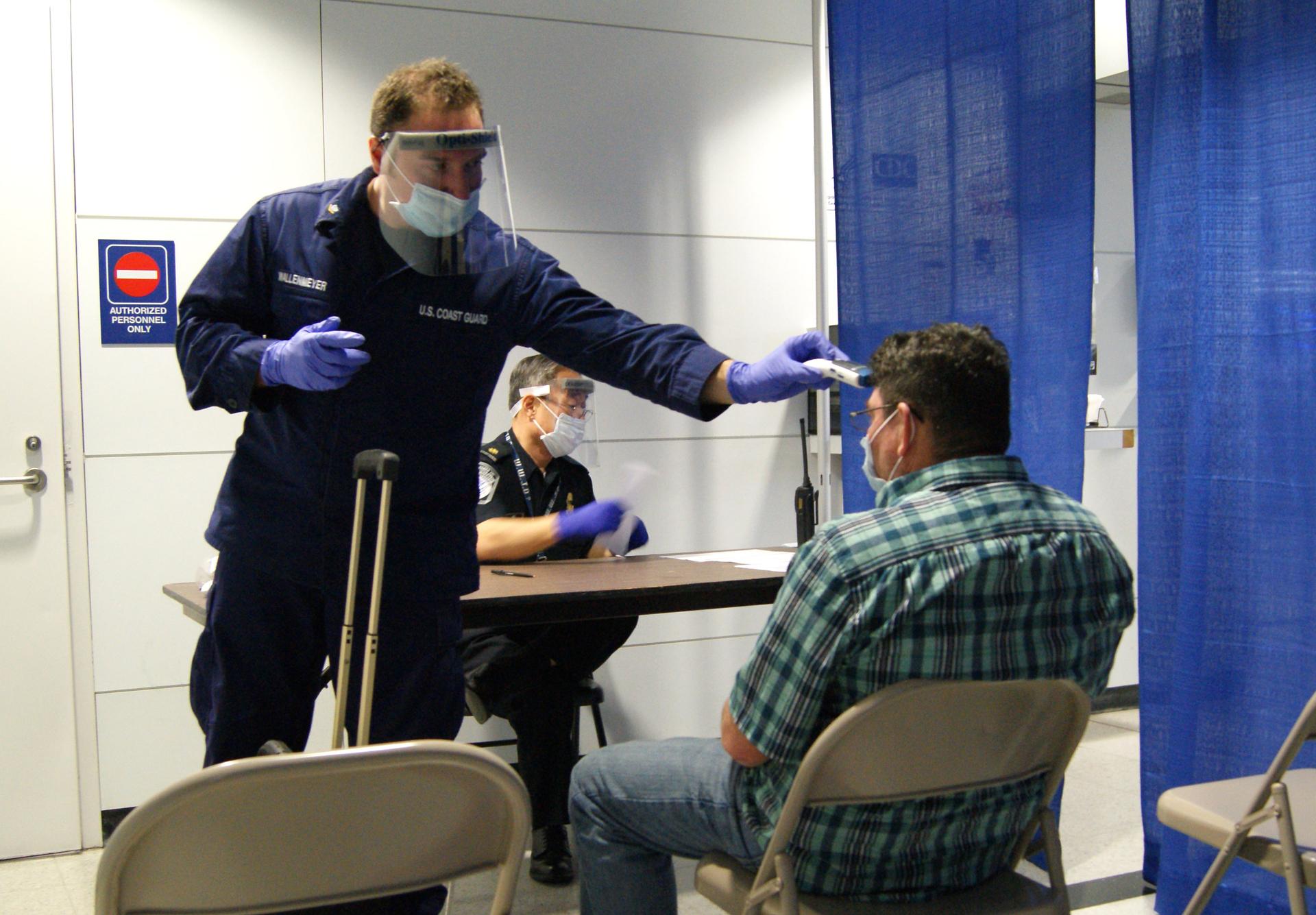
Somewhere over Lake Victoria this week, a Kenyan returning from a work posting in Kinshasa pulled out a phone, opened a browser, and filled in an electronic health surveillance form before the cabin crew began the descent into Nairobi. A few months ago the flight would have ended with a passport stamp and a taxi queue. Now it ends with a question about fever, a temperature check near the jet bridge, and a Port Health Officer scanning a manifest. The paperwork is small. What it represents is not.
Kenya has tightened health screening for travellers arriving from the Democratic Republic of Congo and Uganda, moving to seal the country's busiest gateways against the importation of Ebola Virus Disease. For the Kenyan diaspora — whose journeys home so often route through Jomo Kenyatta International Airport — the new measures are a reminder that the region's public-health emergencies do not respect the distance between Nairobi and Nottingham, or between Eldoret and Edmonton.
What Changed at the Border
In a diplomatic notice circulated through the Kenyan embassy in Angola, the government set out new entry requirements for anyone travelling from or transiting through the DRC and Uganda. Passengers must complete electronic health surveillance forms before they enter Kenya. Airports have been instructed to carry out temperature screening, with any traveller recording a reading above 38°C referred for further assessment.
At JKIA, the directives reach back into the departure process itself. Airlines have been told to make sure passengers complete the surveillance forms before they board, and carriers must hand passenger manifests and health declarations to Port Health Officers on request. The screening does not stop at the airport. Kenya channels heavy cross-border movement through land posts at Busia, Malaba, Suam and Namanga, and those crossings are now part of the same surveillance net.
A Regional Emergency, by the Numbers
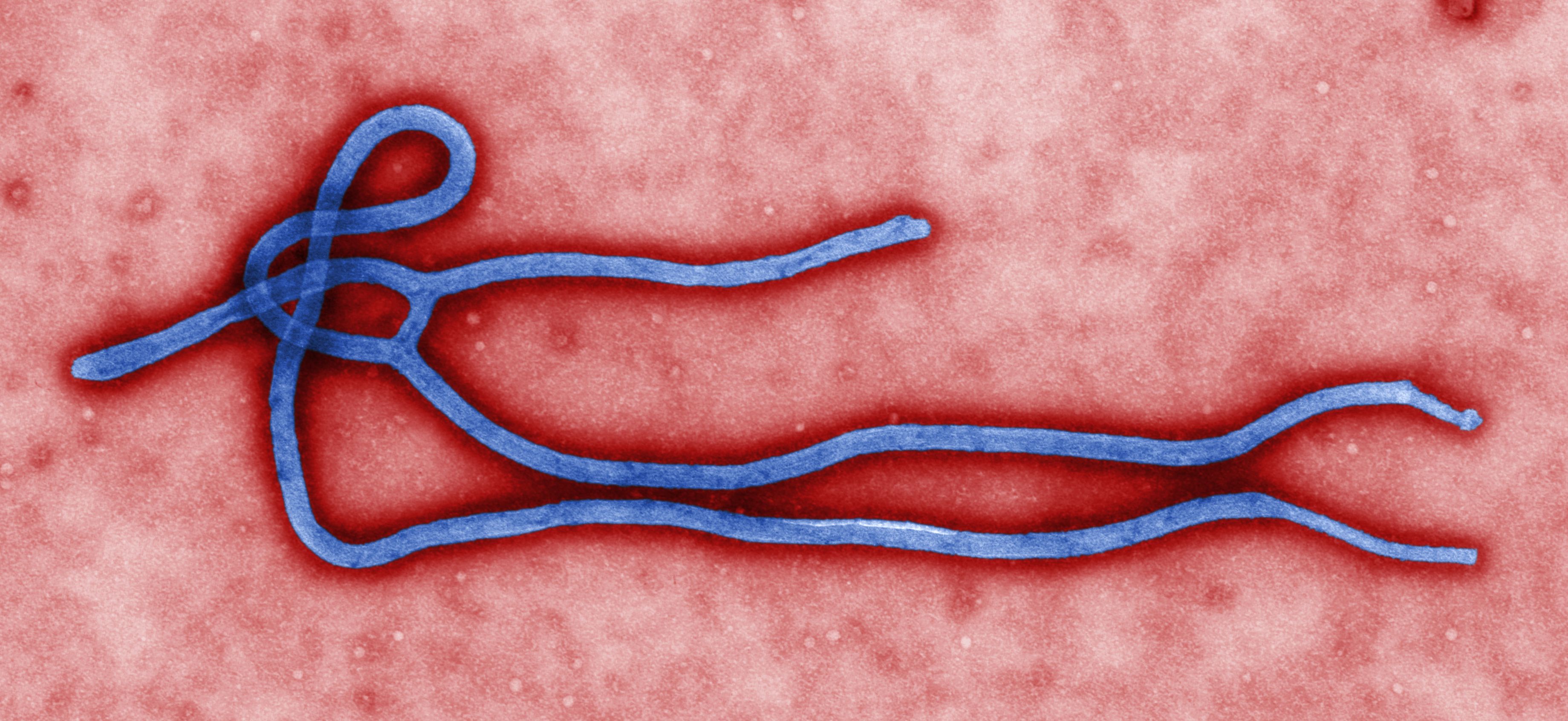
The caution has a grim arithmetic behind it. The current outbreak is caused by the Bundibugyo strain of Ebola, and in May the World Health Organization declared it a Public Health Emergency of International Concern — the agency's highest level of alarm.
The DRC has borne the brunt. By 21 June, its health ministry had recorded more than a thousand confirmed cases and over 260 related deaths, with the eastern province of Ituri accounting for the overwhelming majority. North Kivu and South Kivu have reported smaller clusters. Across the border, Uganda's outbreak has been far more contained — around twenty confirmed cases and two deaths, with no new infection reported for several days by late June. Kenya itself has so far stayed clear: a handful of suspected cases were investigated and all returned negative.
Those figures explain why the response has been calibrated less to panic than to vigilance. The International Organization for Migration says it has conducted more than a million health screenings along cross-border routes and travel corridors in the affected and at-risk countries, expanding surveillance across more than a hundred official points of entry.
Why the Diaspora Is Watching
For Kenyans abroad, an outbreak two countries away can feel both remote and uncomfortably close. JKIA is the hinge of the diaspora's relationship with home — the airport where remittance-funded visits begin, where the bodies of loved ones are repatriated for burial, where grandparents meet grandchildren for the first time. A screening regime layered onto that gateway touches the texture of ordinary diaspora life: the summer trip home, the funeral that cannot wait, the wedding planned around school holidays in Manchester or Minneapolis.
There is also memory at work. Diaspora communities watched the West African Ebola epidemic of 2014 reshape travel, stigma and grief across an entire region, and they have watched earlier Ugandan and Congolese flare-ups ripple into airport queues far beyond the affected zones. The worry among many Kenyans abroad is not only of the virus but of the blunt instruments that sometimes follow it — travel advisories, visa friction, and the quiet suspicion that can attach to an East African passport in a foreign immigration hall.
The "Isolate First" Doctrine
Inside Kenya, the most striking part of the new posture is aimed not at the border but at the hospital ward. The Ministry of Health has instructed medical facilities to treat suspected Ebola cases as emergencies from the first moment, without waiting for confirmation. Hospitals have been told to isolate patients showing possible symptoms immediately, regardless of whether a travel history has been established or laboratory results have come back.
The guidance is unusually direct, summed up in the official advisory's instruction to clinicians to "ISOLATE FIRST." It is a doctrine born of hard experience: in past outbreaks, the deadliest delays came not at airports but in crowded casualty departments, where a single unrecognised case could seed a cluster among nurses and fellow patients. By pushing isolation ahead of certainty, Kenya is trying to buy the one thing an outbreak steals fastest — time.
What Travellers Should Know
For a diaspora reader planning a trip in the coming weeks, the practical takeaways are modest but real. Travel to and from Kenya itself remains open, and the country has not been placed under the kind of restrictions now shadowing parts of the DRC. Anyone routing through Kinshasa, Entebbe or the eastern Congolese provinces should expect health forms, temperature checks and possible questioning on arrival, and should build extra time into connections at JKIA.
The deeper message is one the diaspora already understands instinctively. The health of home is not an abstraction watched from afar; it is a shared inheritance, carried back and forth in every suitcase and every boarding pass. Kenya's screening forms are a small inconvenience in service of a large idea — that a region is only as safe as its busiest doorway, and that doorway, for millions of Kenyans abroad, is the one they pass through on the way home.