A Thousand Cases at the Border: What East Africa's Worsening Ebola Outbreak Means for Kenyans at Home and Abroad
As confirmed infections pass 1,000 in the DRC and seep into Uganda, Kenya sits on the front line — and its diaspora is watching airport screens, travel notices and a quarantine plan with new unease.
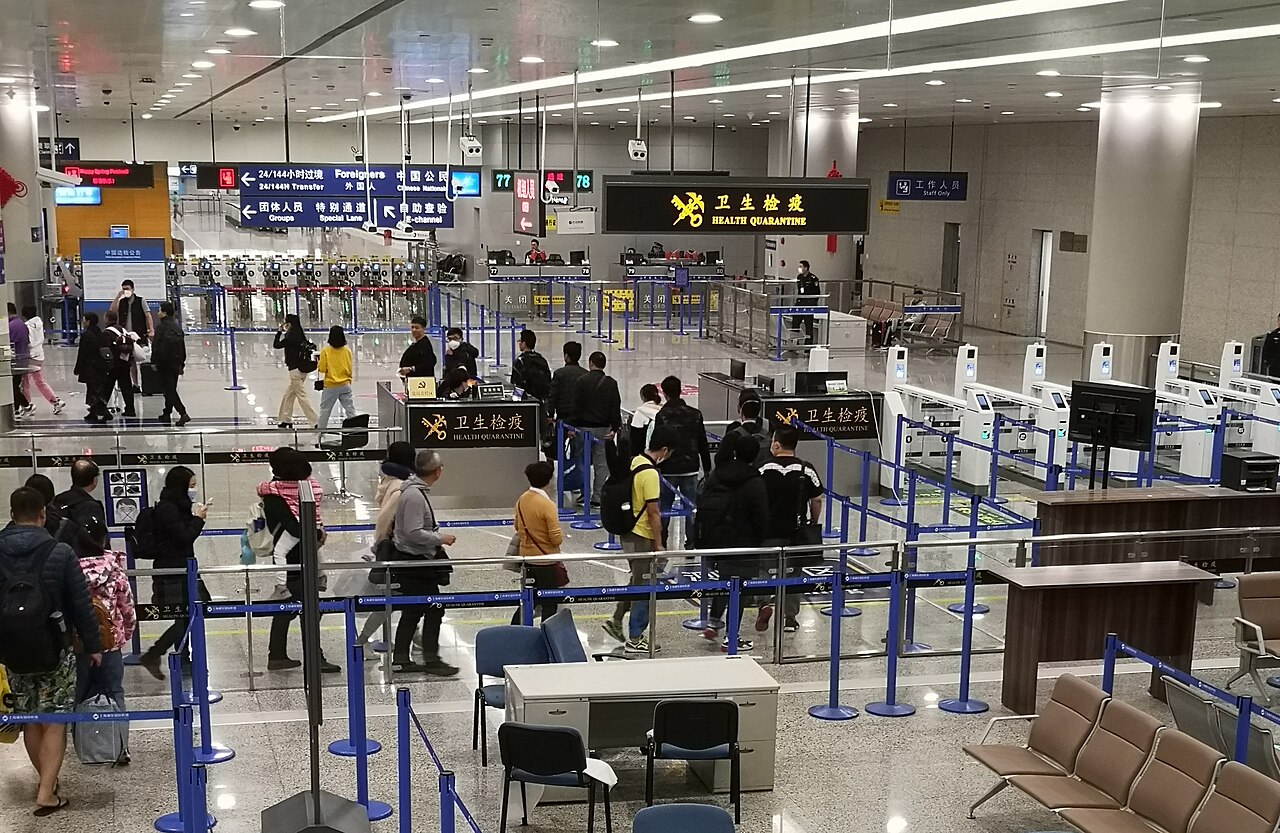
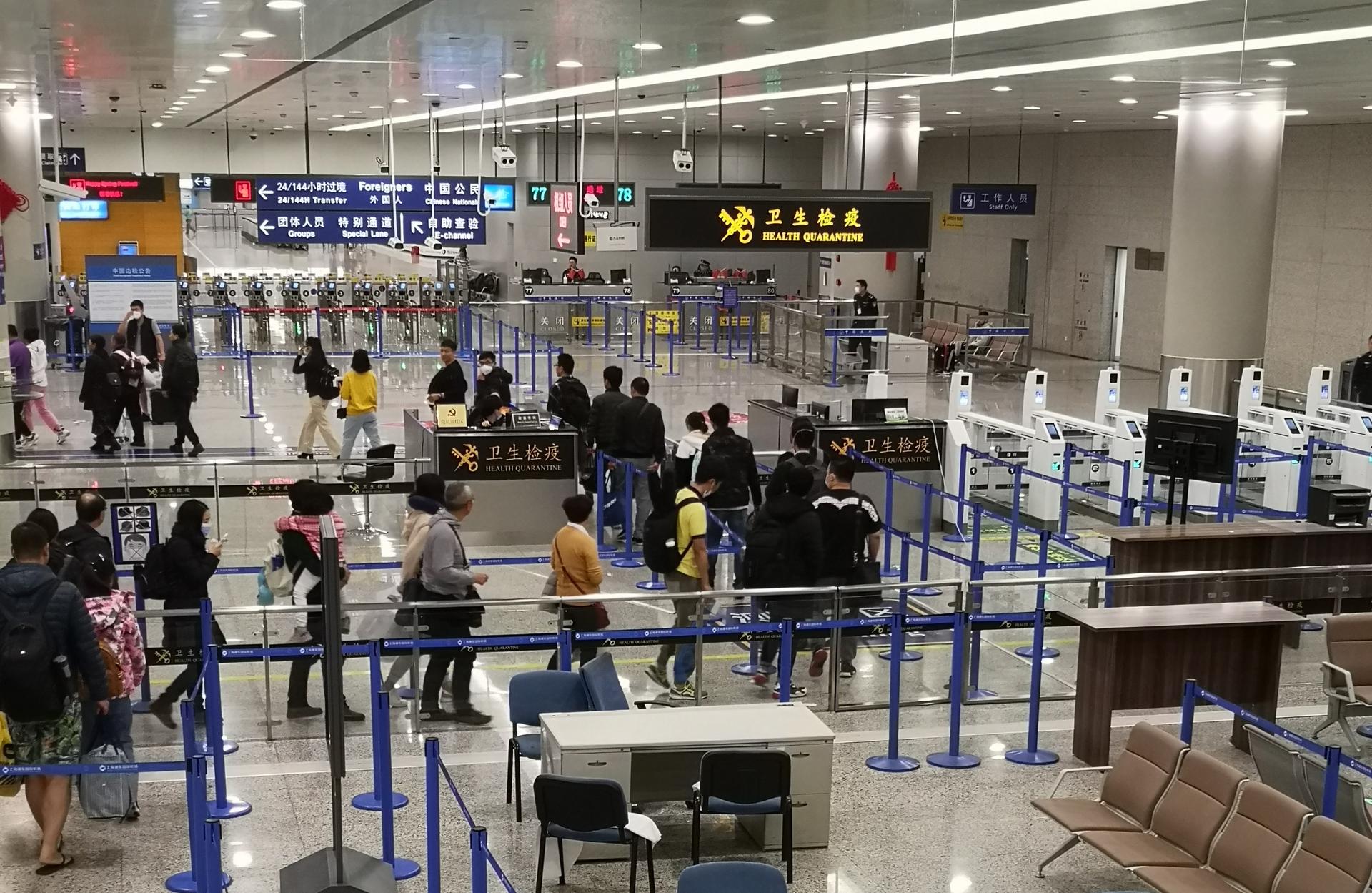
In a Nairobi departure lounge this week, the queue for a Kampala-bound flight moved a little more slowly than usual. A health officer in gloves studied a thermal screen; a poster taped to the glass listed the warning signs of a fever that will not break. The travellers — traders, students, a grandmother carrying a grandchild's birthday gift — shuffled forward without complaint. Most had read the news. A few hundred kilometres to the west, across borders that Kenyan families cross as casually as county lines, an Ebola outbreak that began in a remote mining district has grown into the second largest the world has recorded.
For the Kenyan diaspora, the story arrives in fragments: a cousin's WhatsApp message about screening at the airport, a travel notice flagged on a phone, a headline glimpsed between shifts on a hospital ward in Leeds or Atlanta. But the fragments add up to a single, uncomfortable fact. The outbreak is no longer a distant African tragedy of the kind the world learns to scroll past. It is on Kenya's doorstep, and it is reshaping how Kenyans move between home and the places they have built their lives.
The Numbers Behind the Alarm
The outbreak was confirmed on May 15 in Ituri Province, in the troubled northeast of the Democratic Republic of the Congo. It is the seventeenth recorded Ebola outbreak in the DRC since the virus was first identified in 1976, but this one carries an unusual signature: it is caused by the Bundibugyo virus, a rare strain first detected in Uganda in 2007 and responsible for only a handful of outbreaks since.
By June 21, the DRC's Ministry of Health had logged more than 1,000 confirmed cases, including over 250 deaths. Neighbouring Uganda, where a patient who had travelled from the DRC died in care, has confirmed roughly twenty cases and at least two deaths. On May 17, the World Health Organization declared the epidemic a Public Health Emergency of International Concern, its highest level of alarm.
What makes Bundibugyo especially worrying is what medicine does not yet have for it. There is no licensed vaccine for this strain; the Ebola vaccine approved in the United States protects only against a different species and is not expected to work here. There is no approved treatment. Doctors are left with the oldest tools — isolation, contact tracing, supportive care — at a moment when those tools are hardest to use.
A Response Hobbled by Conflict
The geography of this outbreak is part of its danger. Ituri and North Kivu are provinces scarred by years of armed conflict, displacement and mining-driven movement of people. Health teams trying to trace contacts are working in areas where treatment centres have been attacked and roads are barely passable.
WHO Director-General Tedros Adhanom Ghebreyesus has warned that in many affected areas health facilities are either non-functional or operating under severe constraints because of insecurity, and that poor roads are slowing the movement of supplies and aid. Contact tracing and containment are the only ways to stop a Bundibugyo outbreak, and both depend on a stability that eastern Congo simply does not have. Uganda, for its part, moved early to close its border with the DRC and activate screening — a measure that ripples outward to every neighbour, Kenya included.
Kenya on the Front Line
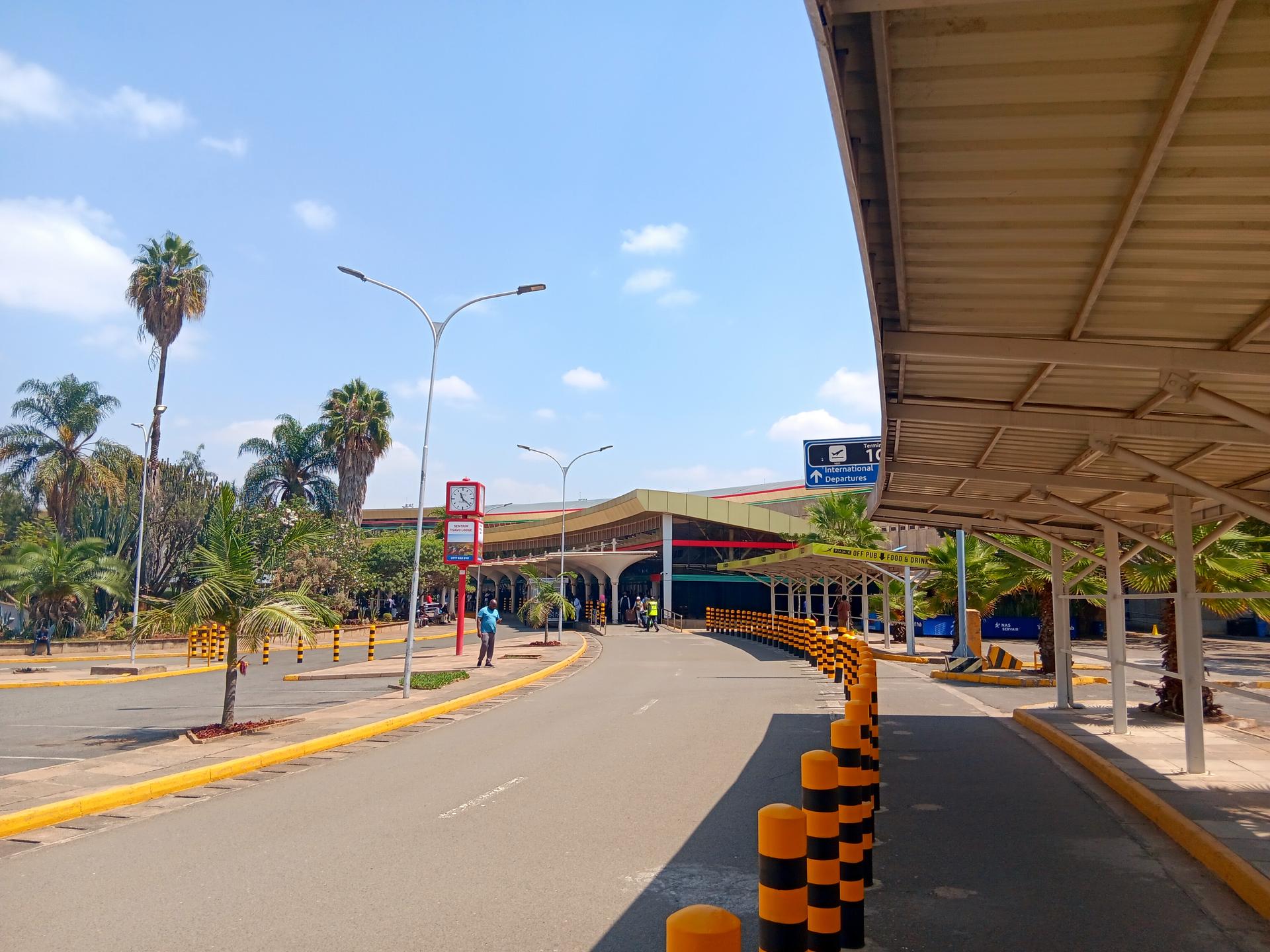
Kenya is not among the countries with confirmed cases. Three suspected cases were investigated and all tested negative. But Kenya's role in this crisis is larger than its case count suggests, because Kenya is the region's hinge. Nairobi's Jomo Kenyatta International Airport is East Africa's busiest gateway; Kenyan lorries, traders and relatives move constantly across the wider region. An outbreak in the DRC and Uganda is, for Kenya, a matter of when the screening tightens, not whether.
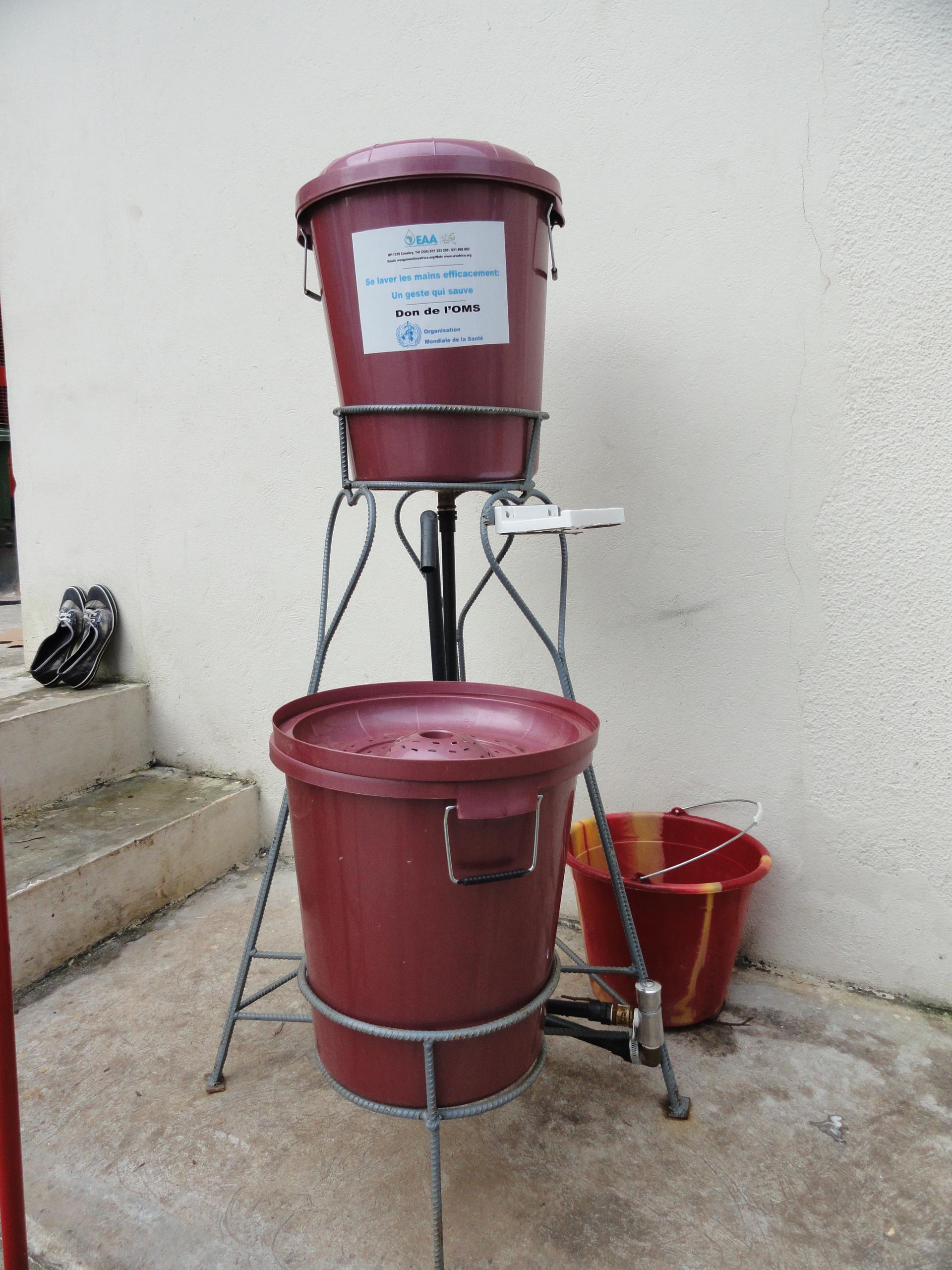
The Kenyan government has leaned on the unglamorous basics that have always blunted Ebola: handwashing with soap and clean water, avoiding contact with the sick or with the bodies of those who have died, and seeking care quickly if fever, weakness, vomiting or unexplained bleeding appear after travel to affected areas. The virus is not airborne; it spreads through direct contact with bodily fluids, and its incubation period runs from two to twenty-one days. Those plain facts are the difference between vigilance and panic, and Kenyan missions abroad have been asked to keep repeating them.
The Screens at the Airport
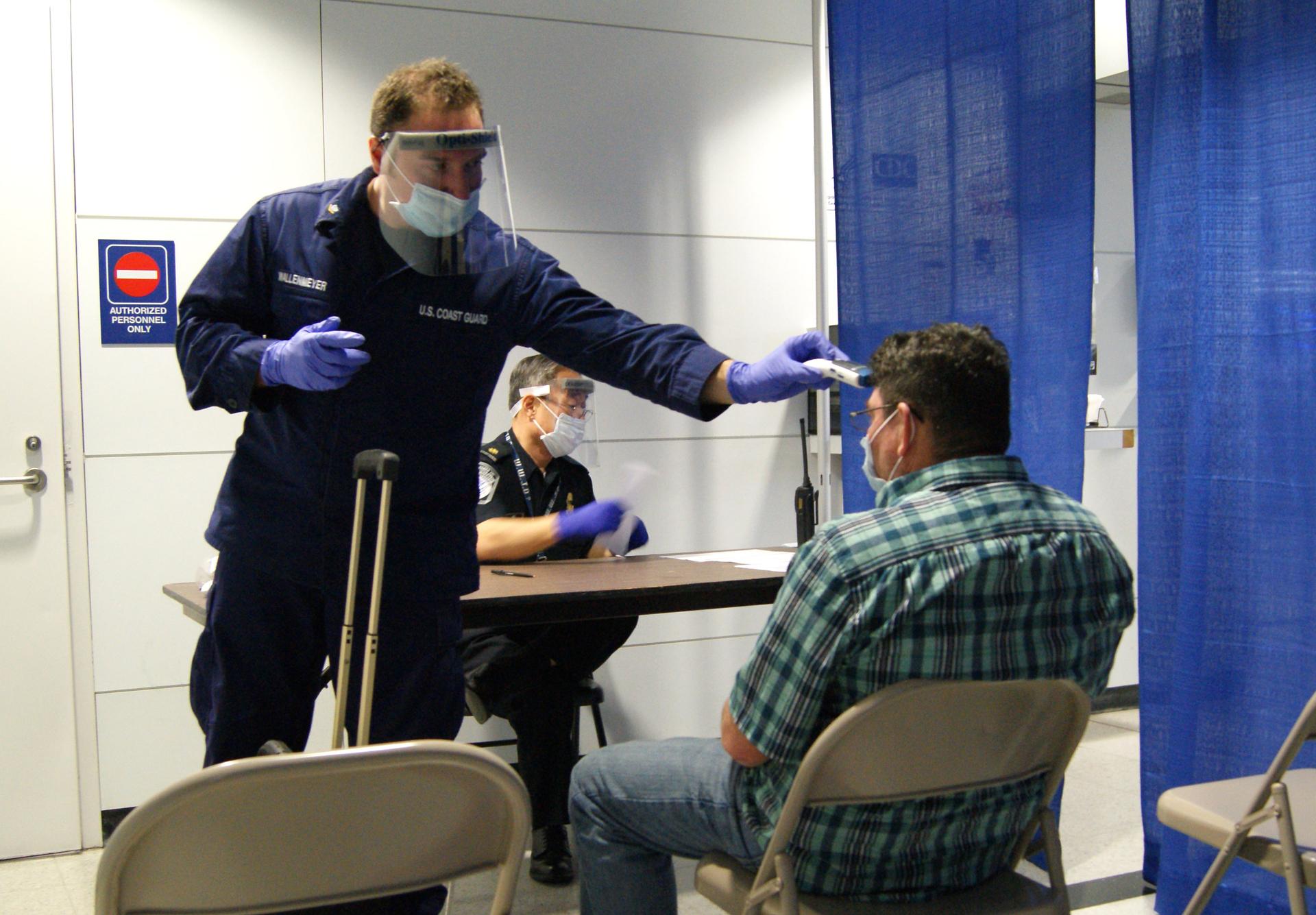
For the diaspora, the most visible change has been at the other end of the journey. In the United States, federal authorities introduced enhanced screening at major international airports — including Washington Dulles, Atlanta's Hartsfield-Jackson and Houston's Bush Intercontinental — where arriving passengers are checked for fever and questioned about recent travel. Authorities have also moved to route air passengers arriving from the DRC, South Sudan and Uganda through a small number of designated airports.
For a Kenyan flying to see family in Texas or returning to a nursing job in Maryland, this is the part that lands closest to home. Most Kenyan travellers have no connection to the outbreak zone at all, yet the wider East African region has been swept into the same advisories. The practical advice from health officials is unchanged and undramatic: carry documentation of your travel history, answer screening questions honestly, and monitor your health for three weeks after any time spent near affected areas.
The Quarantine Plan That Names Kenya
There is one development that has unsettled Kenyans in particular. According to reports, Washington has drawn up a plan to send Americans exposed to Ebola in the region to a facility in Kenya for observation and quarantine, staffed by trained public-health and defence personnel — a departure from the past practice of flying exposed citizens home. US Secretary of State Marco Rubio, pressing the urgency of keeping the virus out, said bluntly: "We cannot and will not allow any cases of Ebola to enter the United States."
The plan, still taking shape, casts Kenya in a role it did not choose: a regional waystation in another country's containment strategy. For a diaspora already sensitive to how the world treats African mobility, it is a reminder that decisions made in distant capitals can put their home country at the centre of a story it would rather not headline.
The Long Watch
For now, the message from Nairobi to the diaspora is one of preparedness without alarm. Kenya's 24-hour Diaspora Response Centre remains active for citizens abroad who need guidance, reachable by phone and WhatsApp, with updates pushed through the State Department for Diaspora Affairs and Kenyan missions. The advice is the same whether you are in Kitengela or Kansas City: follow official health channels, resist the rumours that travel faster than any virus, and take the basic precautions seriously.
Outbreaks of this kind end the way they always have — slowly, through the patient, dangerous work of health teams on the ground, and through the discipline of millions of ordinary people washing their hands and watching for symptoms. The Kenyan diaspora cannot trace contacts in Ituri or staff a clinic in Bunia. But it can stay informed, support the relatives who are closest to the danger, and refuse to let fear curdle into the stigma that, in every past outbreak, has made the work of containment harder. The border may be close. So, this time, is the resolve to meet it calmly.