The Virus the Vaccines Can't Touch: Why Kenya Is Fighting an Incurable Ebola Strain With Thermometers and Trust
As a strain no existing Ebola vaccine can stop spreads across the border, Kenya has screened more than 140,000 travellers and recorded no case — its defence built on detection, not a cure.
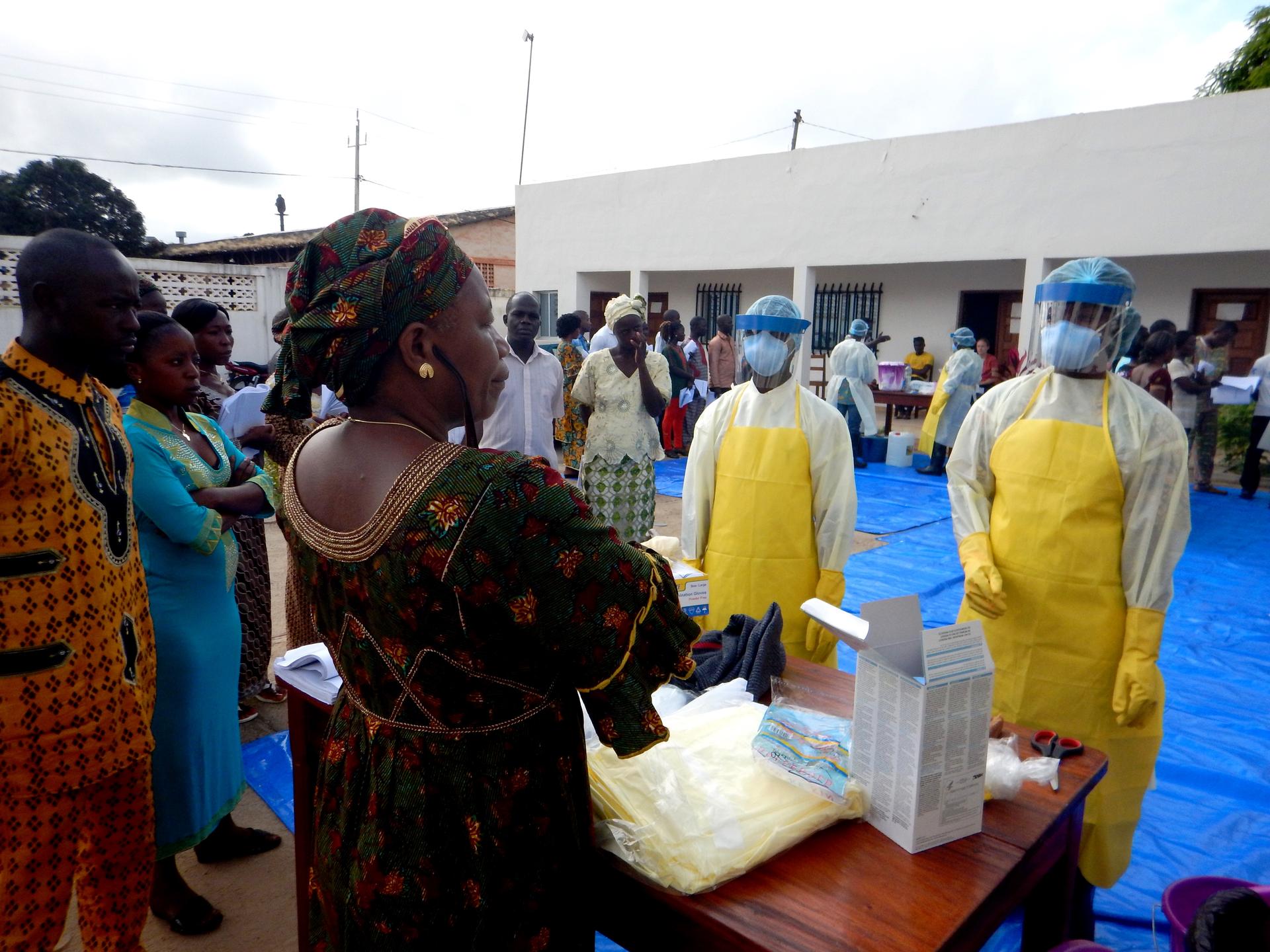
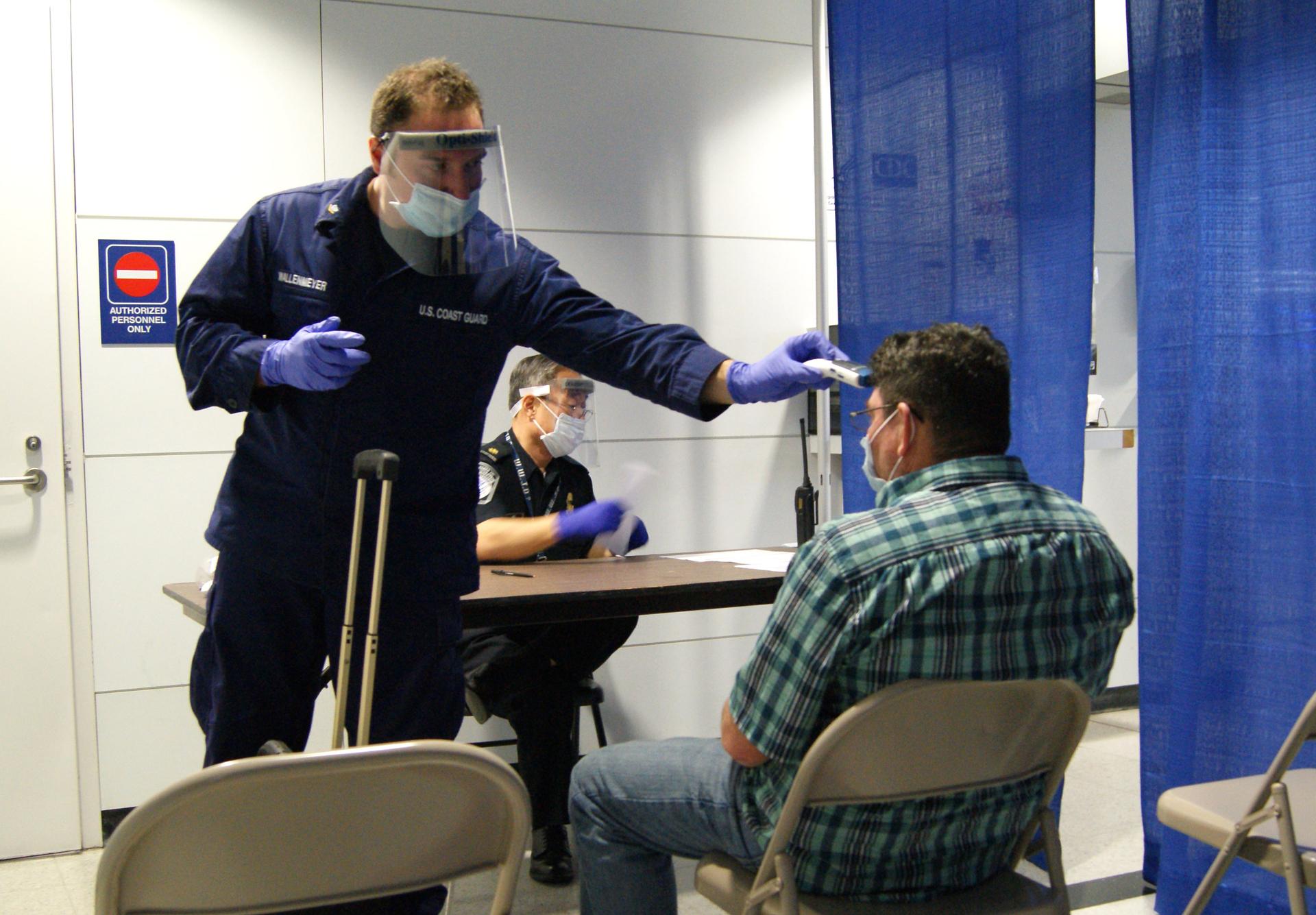
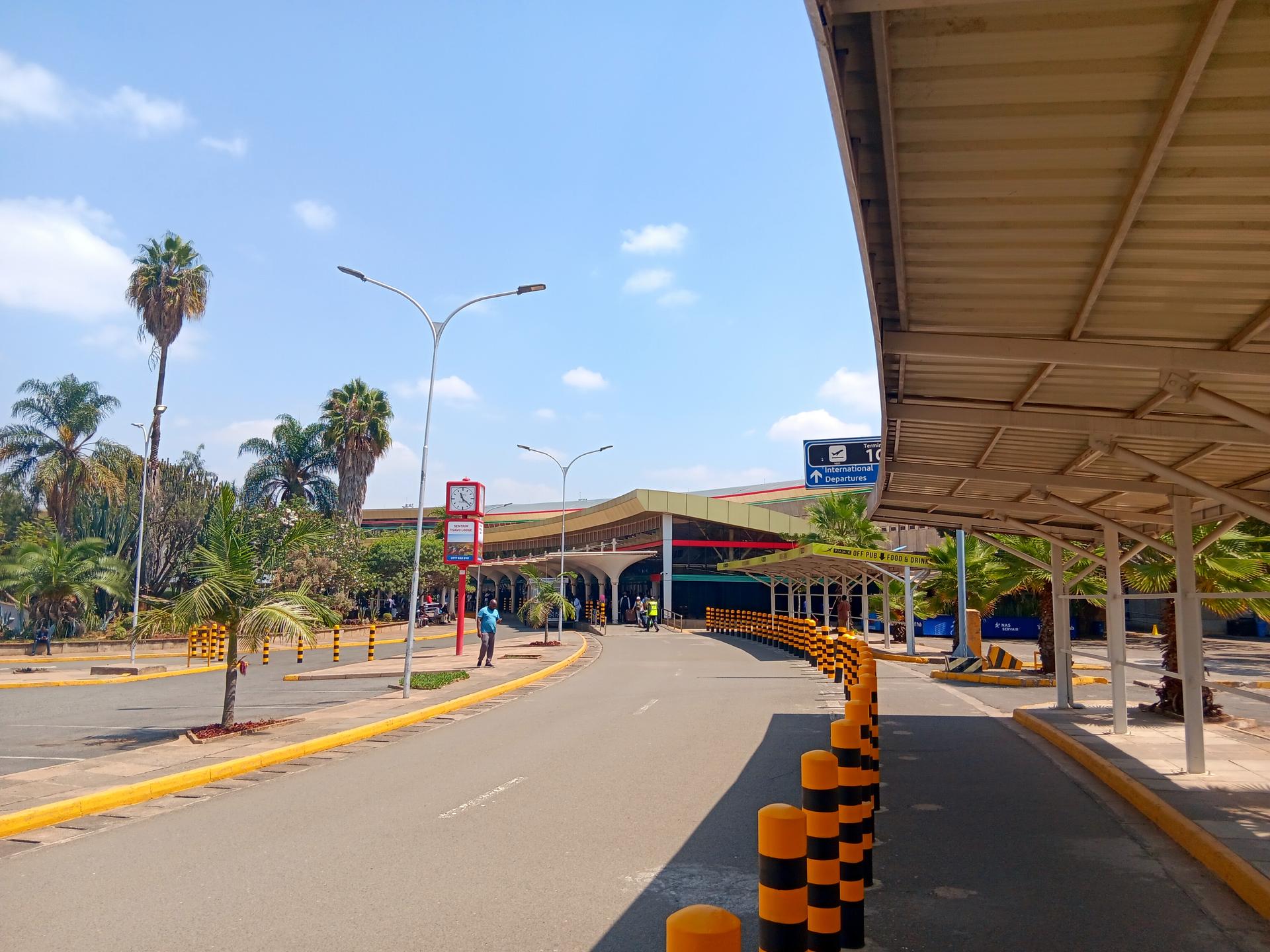
At the arrivals hall of Jomo Kenyatta International Airport, the first person a returning Kenyan often meets is not an immigration officer but a health worker holding a no-touch thermometer. The traveller — perhaps a nurse flying home from Manchester for the July holidays, perhaps a student back from Doha, perhaps a parent who has saved for two years to see Nairobi again — fills out a short health declaration, answers where they have been in the previous 21 days, and waits for a number to appear on a small screen. It is an almost clerical moment, over in seconds. It is also, for now, the sharpest instrument Kenya has against a form of Ebola that medicine cannot yet cure.
That is the uncomfortable fact sitting beneath the calm advisories the government has issued to Kenyans at home and abroad. The outbreak tearing through the eastern Democratic Republic of Congo and parts of Uganda is not the Ebola the world spent the last decade learning to fight. It is a rarer cousin, and the tools that finally tamed earlier epidemics do not work on it.
A strain the world's vaccines were not built for
The current epidemic is caused by the Bundibugyo virus, one of the lesser-seen species in the Ebola family. The Democratic Republic of Congo and Uganda declared outbreaks in mid-May 2026, and on 17 May the World Health Organization designated the situation a Public Health Emergency of International Concern — its highest formal alarm. Africa CDC classified it as a continental security event.
What makes Bundibugyo so unsettling for public health officials is what is missing from the response cupboard. The vaccines and antibody therapies developed and stockpiled over the past decade were designed for the Zaire species of Ebola. They are not known to protect against Bundibugyo, and scientists are only now racing to assess whether any of them can be repurposed. In practical terms, there is no licensed vaccine and no specific treatment for this strain. Past Bundibugyo outbreaks have killed between roughly 30 and 50 percent of the people they infected.
Strip away the vaccine and the cure, and outbreak control falls back on fundamentals that have not changed since the nineteenth century: find cases quickly, isolate them, prevent infection in clinics, and — most fragile of all — keep the trust of frightened communities. It is slow, human, unglamorous work, and it is the only work available.
140,000 thermometers and not a single jab
This is why Kenya's defence looks the way it does. Health Cabinet Secretary Aden Duale said on 25 June that the country had screened more than 140,000 travellers arriving from affected regions and investigated over 100 Ebola alerts, with every test returning negative and no confirmed case recorded inside Kenya's borders. For a country that is East Africa's busiest air and logistics hub — the place much of the region's traffic passes through — that volume is a measure of exposure as much as effort.
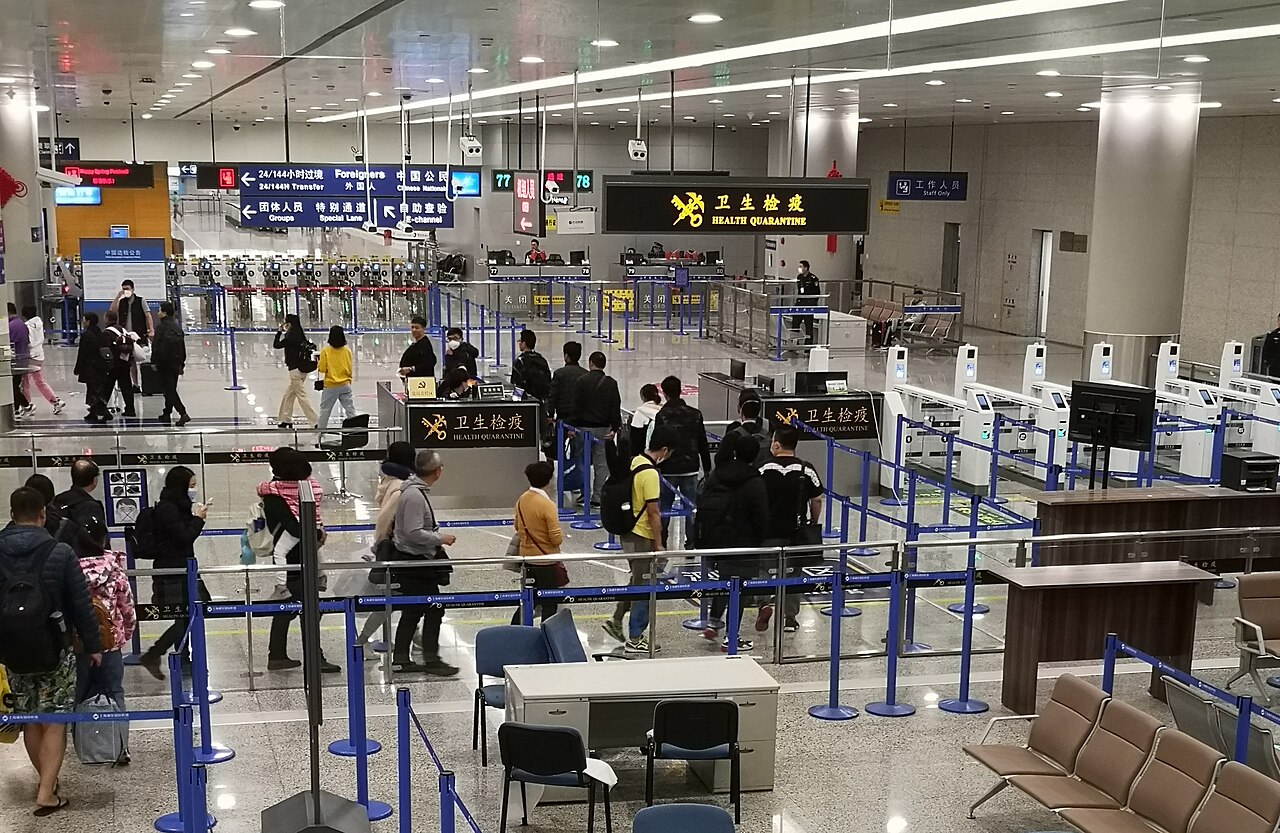
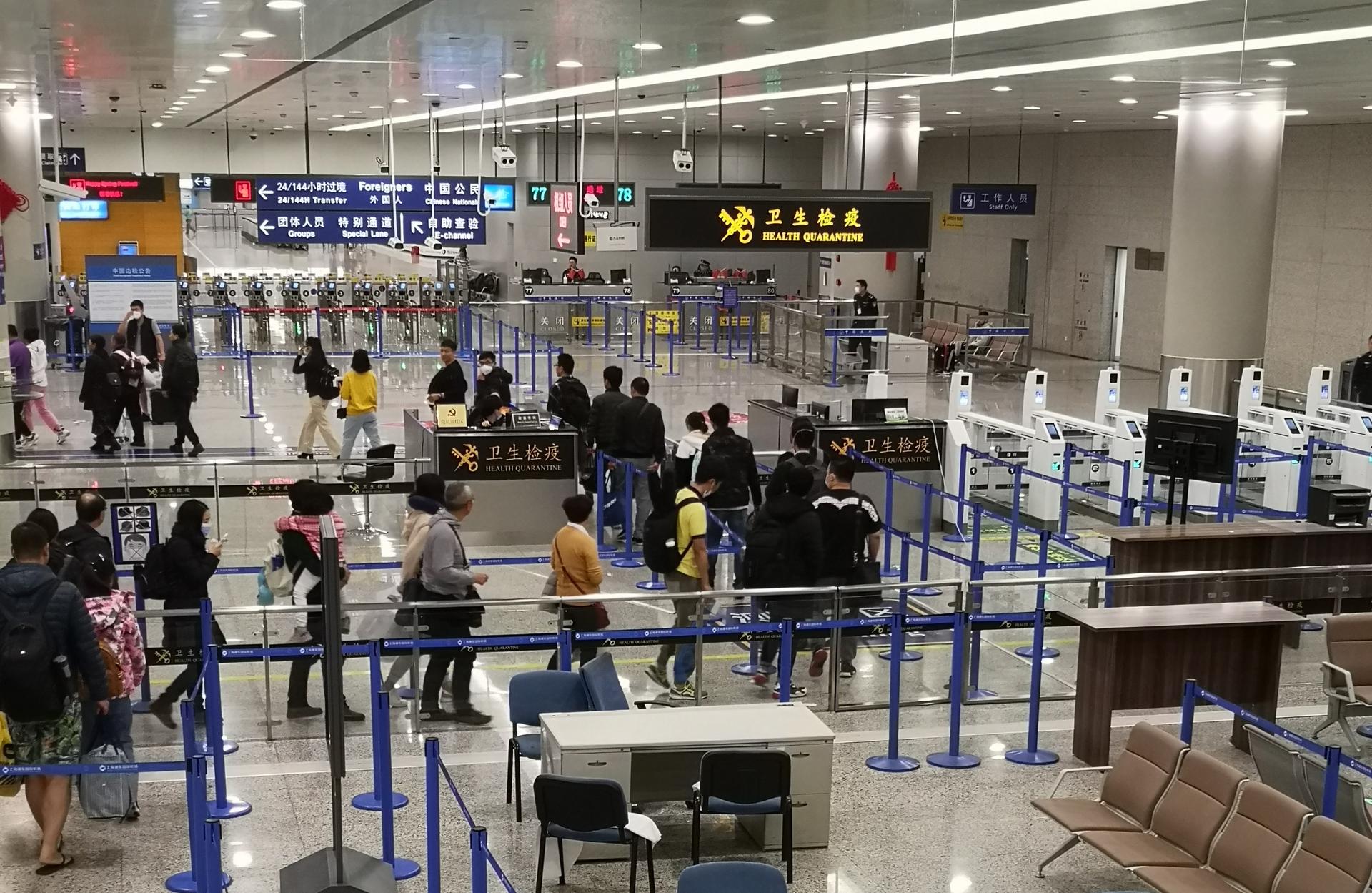
The machinery behind those numbers is deliberately old-fashioned. Through the Kenya National Public Health Institute, the Ministry of Health has activated a National Ebola Incident Management System, reinforced screening at airports and land border points, and put four national reference laboratories on round-the-clock testing. Isolation and holding facilities have been readied at designated referral hospitals and border crossings, and a cross-border simulation exercise was staged in Busia to test how quickly the system could move.
Duale has spent much of the past month defending that preparation against public anxiety, particularly over a planned isolation facility that critics feared signalled a hidden domestic outbreak. He has framed it instead as ordinary contingency. "Just as a country prepares a fire engine before a fire occurs, public health authorities must prepare isolation and quarantine facilities before an outbreak occurs," he said. Countries that prepare early, he argued, protect both lives and economies.
What the diaspora is hearing from home
For Kenyans abroad, the outbreak has arrived not as a headline but as a government text message of sorts. The Ministry of Foreign and Diaspora Affairs, through its State Department for Diaspora Affairs, urged Kenyans living in or travelling through affected parts of the DRC and Uganda to take precautions and to follow the health guidance of their host countries. It activated a 24-hour Diaspora Response Centre and pointed citizens to official channels rather than the rumour mills of social media.
The advice is practical and, in its way, intimate: wash hands often, avoid contact with anyone who is sick or with bodily fluids, and seek medical attention immediately for fever, weakness, vomiting, diarrhoea or unexplained bleeding after travel to an affected area. For the tens of thousands of Kenyan nurses, clinical officers and care workers who staff hospitals in Britain, the Gulf and North America, the warning carries a second weight. They understand better than most what a vaccine-less, treatment-less Ebola strain means for the colleagues working the wards back home, and what it would mean if a single imported case slipped past a thermometer.
Remittances sharpen that concern. Money wired home each month frequently pays for the very clinic visits and medicines an uncontrolled outbreak would overwhelm. A diaspora that funds its families' health from afar has an unusually direct stake in whether Kenya's screening line holds.
The toll across the border
The reason for the vigilance is visible just over the frontier. As of 26 June, the DRC had reported around 1,155 confirmed cases and 304 confirmed deaths, with Ituri Province by far the worst hit. The virus has reached North Kivu and South Kivu, and a single imported case surfaced in France in late June after a doctor returned from a humanitarian mission in the DRC — a reminder that in an age of constant movement, an outbreak in a remote province is never as far away as it looks.
The epidemic has already bent the wider region's plans, contributing to the postponement of a major international summit, while insecurity tied to armed conflict in eastern DRC has slowed responders and strained supplies in the worst-affected zones. Each of those frictions makes the disease harder to corner — and makes the borders that ring the outbreak, including Kenya's, more important.
A defence built on people, not pharmaceuticals
The international response has tried to close the gap that science left open. The United States has committed substantial funding to the broader Ebola response, including a pledge in mid-June toward developing medical countermeasures aimed specifically at the Bundibugyo strain, while Britain announced up to £20 million to support communities in eastern DRC. Those efforts matter, but they are bets on the future. They will not produce a usable shot in time for this outbreak.
So the defence that actually stands between the virus and the region remains stubbornly human: a health worker at a border post, a laboratory technician on a night shift, a community health volunteer talking a wary family into early testing, and a returning diaspora traveller patiently filling out a form they would rather skip. It is a far less reassuring picture than a vial of vaccine. But for a strain the vaccines cannot touch, it is the line that holds — and every negative reading on a thermometer at Jomo Kenyatta International Airport is a small, quiet proof that, so far, it is holding.