The Form Before the Flight Home: How an Ebola Outbreak in Central Africa Reached the Diaspora's Doorstep
A doctor home in Paris, fresh temperature checks at Nairobi's airport, and 1,100 cases in Congo — the diaspora is watching a virus inch toward its routes home.
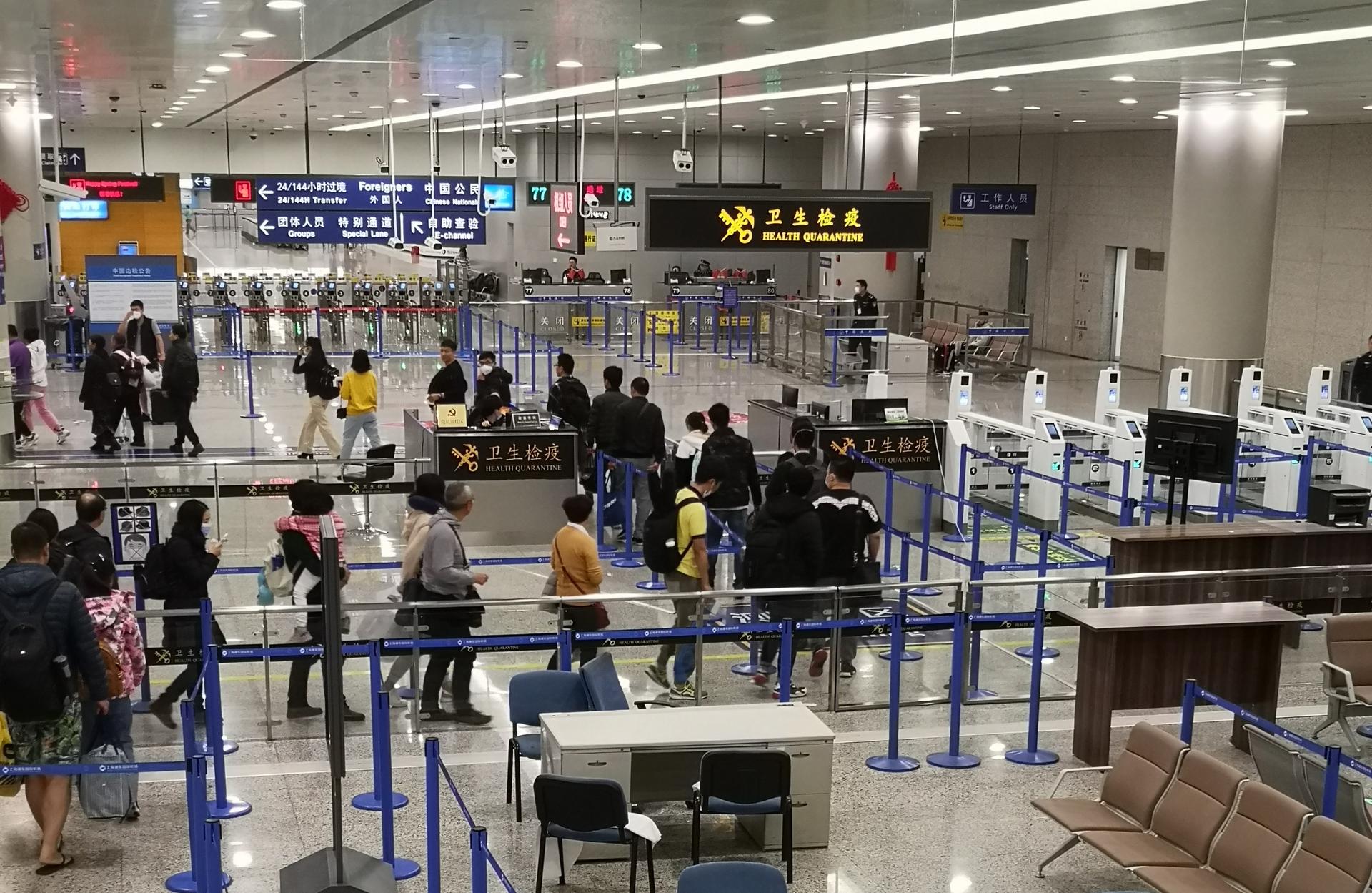
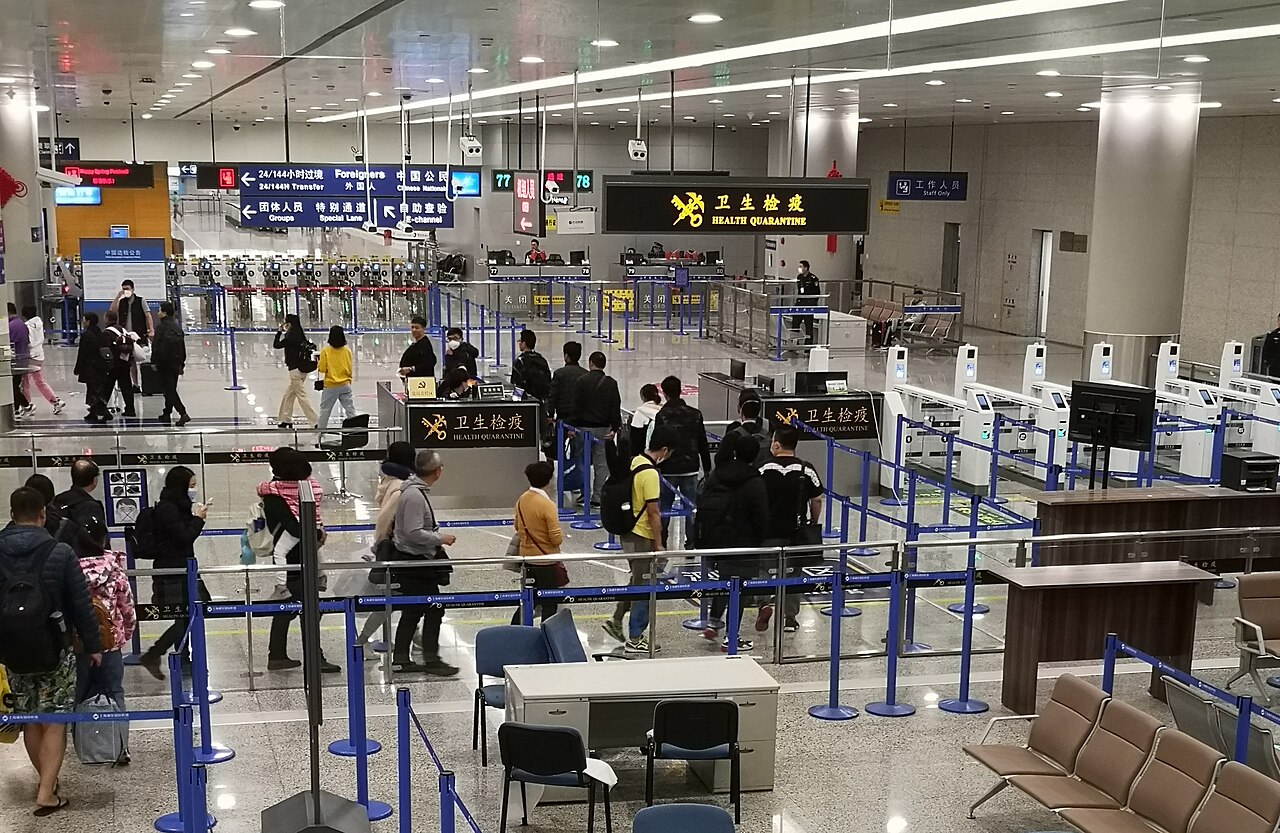
For a Kenyan flying home from the Gulf or Europe this week, the journey now begins with a form. Before boarding a flight routed through or originating in the region around the Democratic Republic of Congo, passengers are being asked to complete an electronic health surveillance declaration. At Jomo Kenyatta International Airport in Nairobi, thermal cameras read the temperature of arriving travellers, and anyone registering above 38 degrees Celsius is pulled aside for a closer look. It is a small bureaucratic ritual, easy to overlook in the rush of a long-haul arrival. It is also the visible edge of something much larger moving through Central Africa, and the reason a quiet anxiety has settled over East Africa's diaspora.
What is spreading, and where
The outbreak at the centre of it all is caused by Bundibugyo virus, one of the lesser-known members of the Ebola family. On 17 May 2026, the World Health Organization declared the epidemic in the Democratic Republic of Congo and Uganda a Public Health Emergency of International Concern, its highest level of alarm.
The numbers have climbed steadily since. As of 23 June, the DRC Ministry of Health had reported 1,118 confirmed cases, including 291 deaths, with more than 400 people hospitalised in isolation. The province of Ituri, in the country's northeast, carries the heaviest burden by far, with more than a thousand confirmed cases across 22 health zones. North Kivu and South Kivu account for most of the rest. Across the border, Uganda has confirmed 20 cases and two deaths, most of them in and around Kampala, with the majority traced back to travel links with the DRC.
For families spread between Nairobi, Kampala, Kinshasa and cities far beyond, these are not abstract figures. They are the backdrop to phone calls home that now end with instructions to be careful.
The cases that crossed the water
What has turned a regional emergency into a global one — and what the diaspora has noticed most sharply — is that the virus has begun to appear far from its source. On 24 June, France's health ministry confirmed the first imported case of the outbreak in the European Union: a humanitarian doctor who fell ill after returning from an affected area. It followed an earlier case in May, when a United States citizen was medically evacuated to Germany for treatment.
Both cases were imported by people travelling out of the outbreak zone, exactly the kind of movement that links the heart of Central Africa to the diaspora hubs of Europe and North America. Neither case signals that Ebola is loose in Paris or Frankfurt; European agencies stress that the risk to the general public on the continent remains very low. But for African communities abroad, the appearance of the virus in a Paris hospital collapsed the comfortable distance between "an outbreak back home" and "something that touches where I live now."
Kenya tightens the gates
Kenya has not recorded a confirmed case in this outbreak. Three suspected cases were tested and came back negative. Yet the country sits at a crossroads of regional travel, and its government has moved to keep it that way.
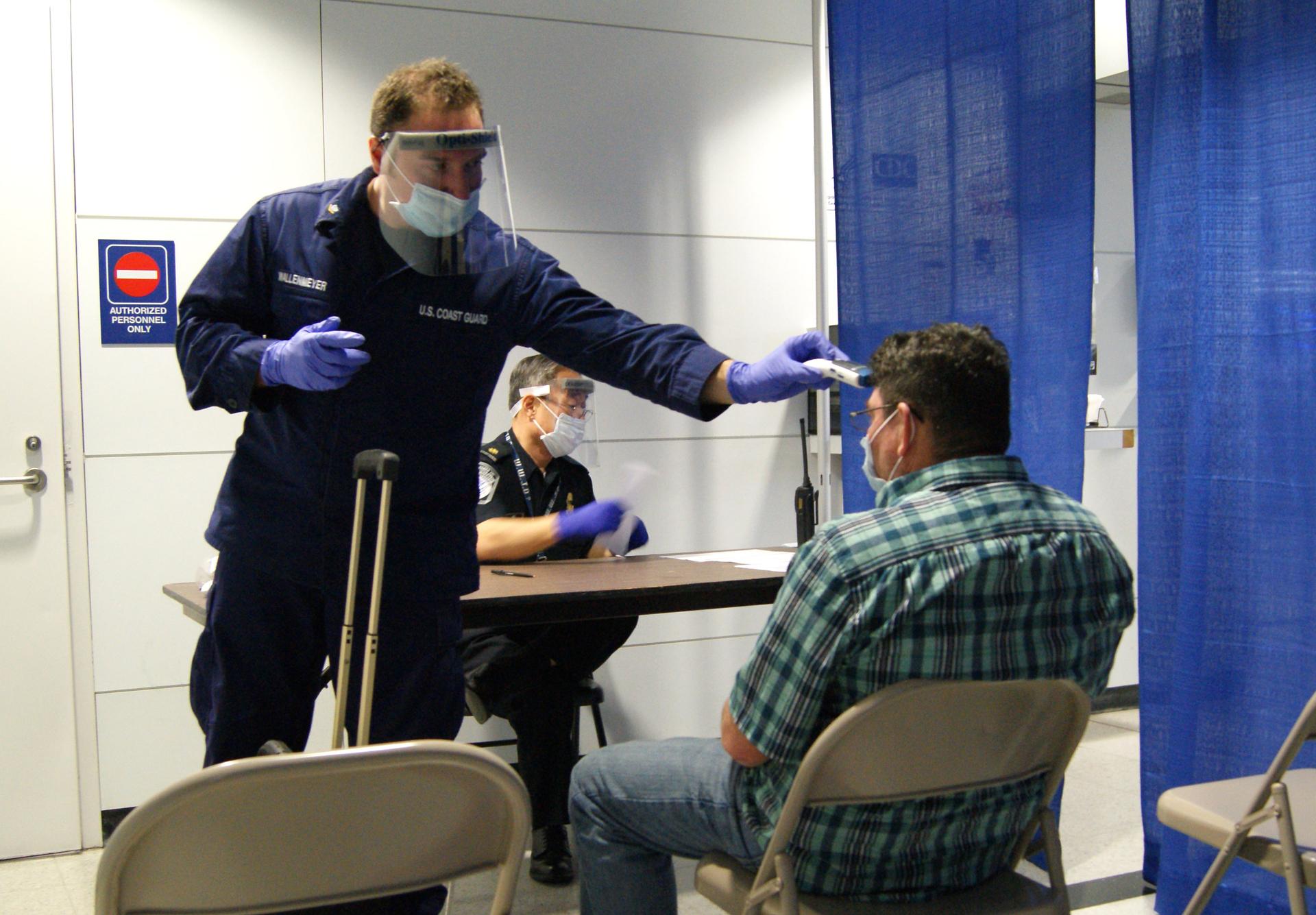
Through a diplomatic notice, Kenya now requires travellers arriving from or transiting through the DRC and Uganda to complete electronic health surveillance forms before entry. Airlines flying into JKIA have been directed to ensure passengers fill out these declarations before departure and to hand passenger manifests and health information to Port Health officials on request. Temperature screening has been rolled out at the airport and at the busy land crossings of Busia, Malaba, Suam and Namanga, through which enormous volumes of people and goods move every day.
Inside the country, the Ministry of Health has issued blunt guidance to hospitals: any patient showing possible symptoms should be isolated immediately, before travel history is confirmed and before laboratory results arrive. The advisory's instruction to clinicians was emphatic — "ISOLATE FIRST" — a recognition that hesitation, not the virus alone, is often what allows an outbreak to take hold.
What it means for those abroad
For the diaspora, the practical effects are layered. Travel to visit family in the region now comes with extra steps, longer arrival times, and the possibility of secondary screening for anyone who feels unwell. Some will think twice about non-essential trips while the emergency persists. Others, especially those with relatives in or near Ituri and the Kivus, are navigating something harder than inconvenience: the fear of being far away while a deadly illness moves through home.
There is also the quieter work the diaspora always does in moments like this. Money is sent for medicines, transport and protective supplies. Information is passed along family WhatsApp groups, sometimes accurate, sometimes not. Community associations in London, Boston, Toronto and the Gulf become informal clearing houses for news and reassurance. An outbreak measured in case counts by health agencies is lived, by people abroad, as a series of anxious check-ins.
A different virus, a familiar fear
Ebola occupies a particular place in the global imagination, shaped by the catastrophic West African epidemic of 2014 and 2015. Bundibugyo virus is generally regarded as somewhat less lethal than the Zaire strain behind that disaster, but it is still dangerous, and an epidemic of more than a thousand cases is serious by any measure. The PHEIC designation exists precisely to mobilise resources and coordination before a regional crisis becomes a continental one.
For now, the message from health authorities is calibrated rather than alarmist: the situation in Central Africa is grave and still growing, the imported cases in Europe and North America were contained, and the risk to ordinary residents of diaspora countries remains low. Surveillance, fast isolation and honest information are the tools that keep it that way.
That is why the form before the flight matters. It is not a guarantee, and it is not a wall. It is a country at a crossroads trying to buy time and visibility — and, for a diaspora watching from a distance, a small sign that the routes connecting them to home are being watched, on both ends of the journey.