The Screening Room at the Gate: How a Distant Ebola Outbreak Is Catching Kenyans in a Web of Travel Bans
An outbreak confined to Congo and Uganda has triggered visa suspensions and border checks from Washington to Tel Aviv, leaving Kenyan travellers and their relatives abroad caught in the fallout.

On the afternoon of 15 June, Uganda's Ministry of Health did something that, on paper, sounds almost mundane: it issued a press release telling travellers what paperwork they did not need. The general public, recruitment agencies, travel agents and "all stakeholders" departing the country, the notice said, do not require an Ebola-Free Certificate, and no such certificate is demanded for a visa application to any country.
That a government felt compelled to spell out the absence of a rule says a great deal about the week East Africa has just lived through. Somewhere between a genuine outbreak in two countries and the rumour mill that always travels faster than a virus, ordinary travellers had begun asking whether they would be turned away at check-in desks for the crime of holding the wrong passport. For Kenyans, who are neither at the centre of the outbreak nor entirely outside the circle of suspicion, the question has a particular sting.
An outbreak with sharp borders
The facts of the outbreak itself are, mercifully, narrower than the anxiety around it. On 17 May, the World Health Organization declared the Ebola disease outbreak caused by the Bundibugyo virus in the Democratic Republic of the Congo and Uganda a Public Health Emergency of International Concern. According to the DRC Ministry of Health, by mid-June the country had recorded 808 confirmed cases and 192 confirmed deaths, with 363 people hospitalised in isolation.
The geography is concentrated. Ituri province accounts for the overwhelming majority of confirmed cases, with North Kivu and South Kivu reporting far smaller clusters. Uganda's situation is smaller still: 19 confirmed cases and two deaths, with the most recent infections reported on 5 June and none since. Of those Ugandan cases, most were linked to imported infections rather than wide community spread, and they clustered around Kampala and a neighbouring district.
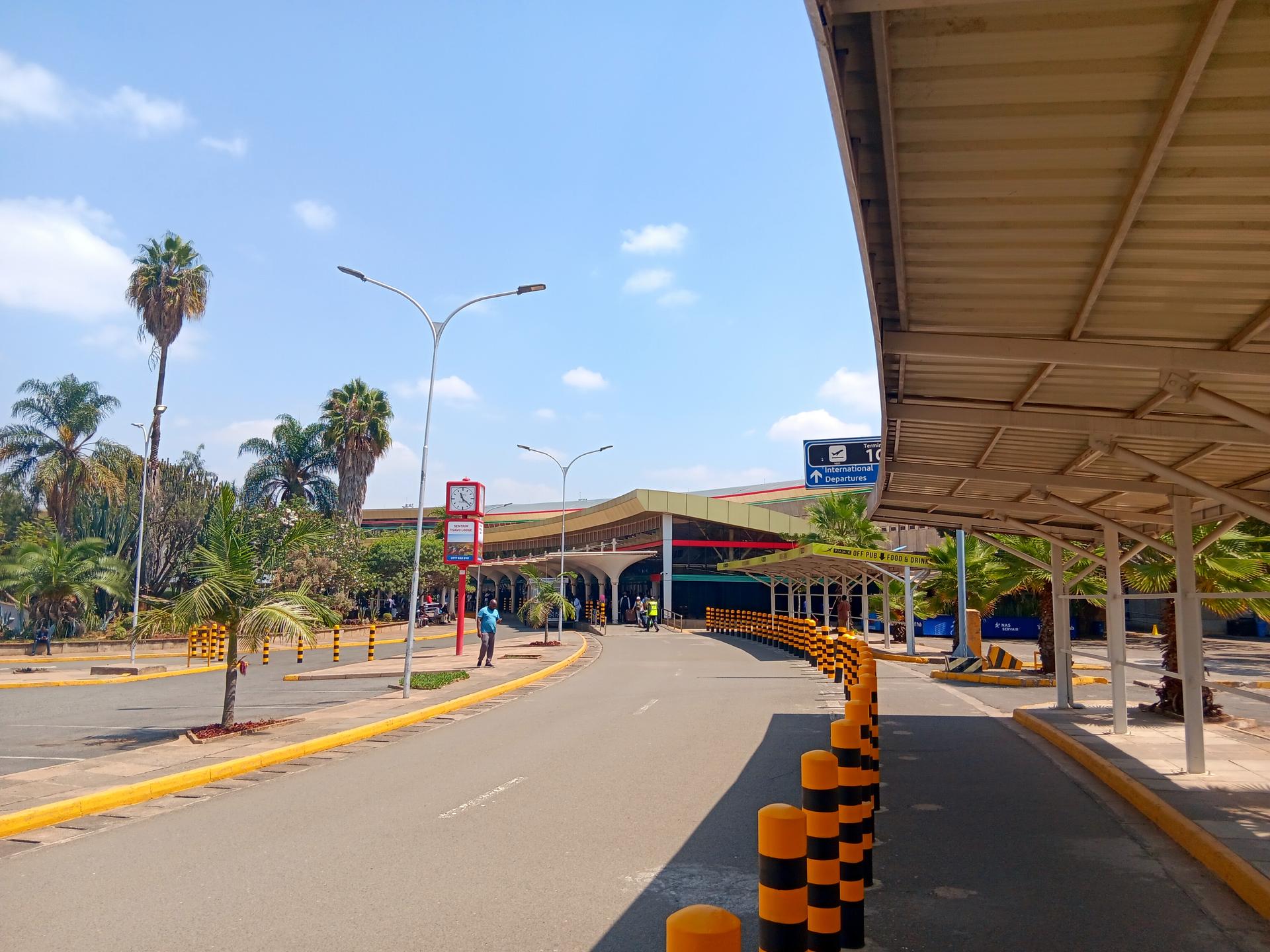
Kenya, it bears repeating plainly, has not reported an outbreak. What it has is a long, busy border with the region, an international airport that serves as a hub for the continent, and a diaspora that moves constantly between Nairobi and the rest of the world. That combination is enough to place the country on watch lists, even when its own case count is zero.
The rules tightening around the region
The harder edge of this story is not the virus but the response. As governments scrambled to be seen acting, a patchwork of travel measures spread across the map, and the patchwork is where confusion breeds.
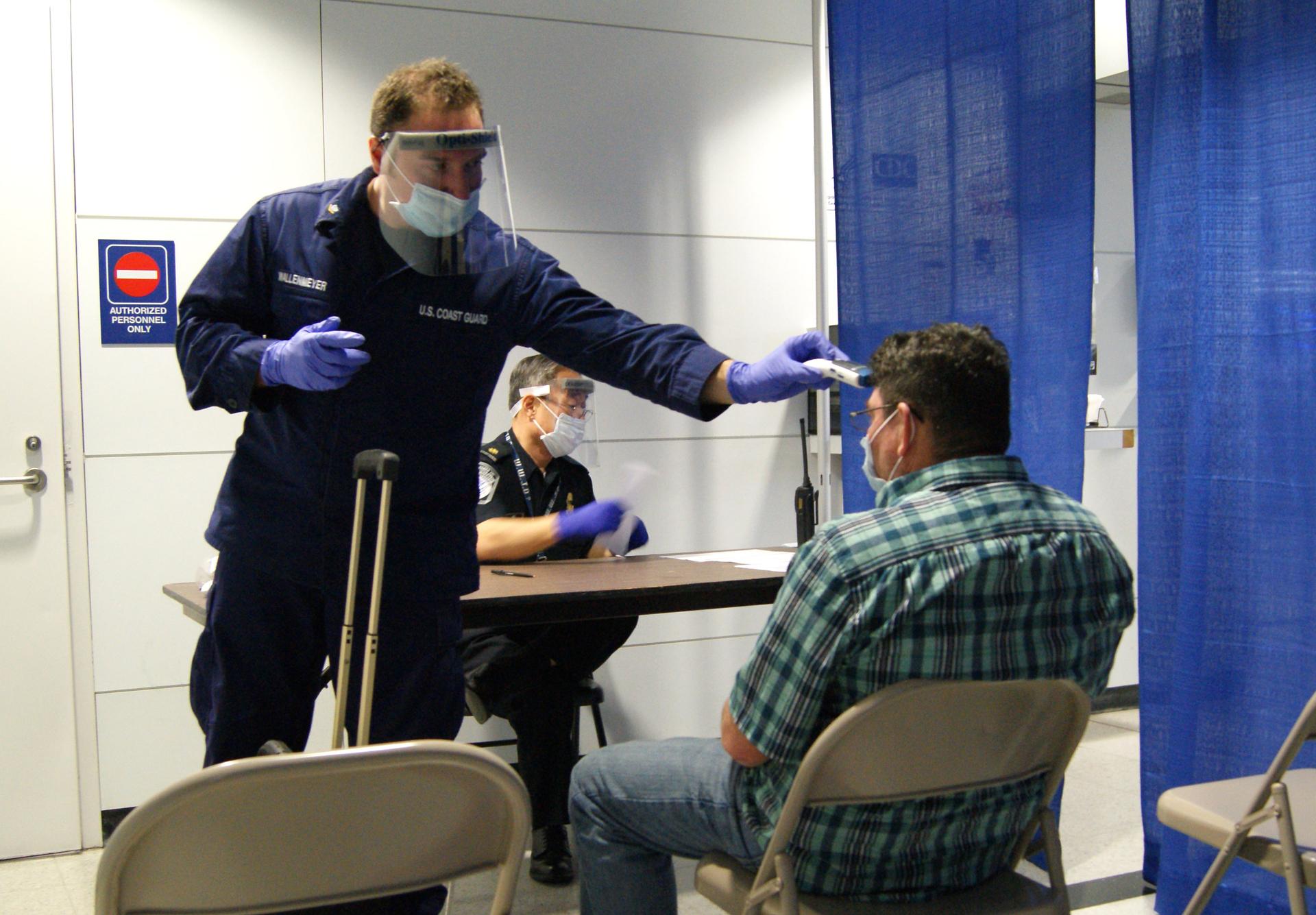
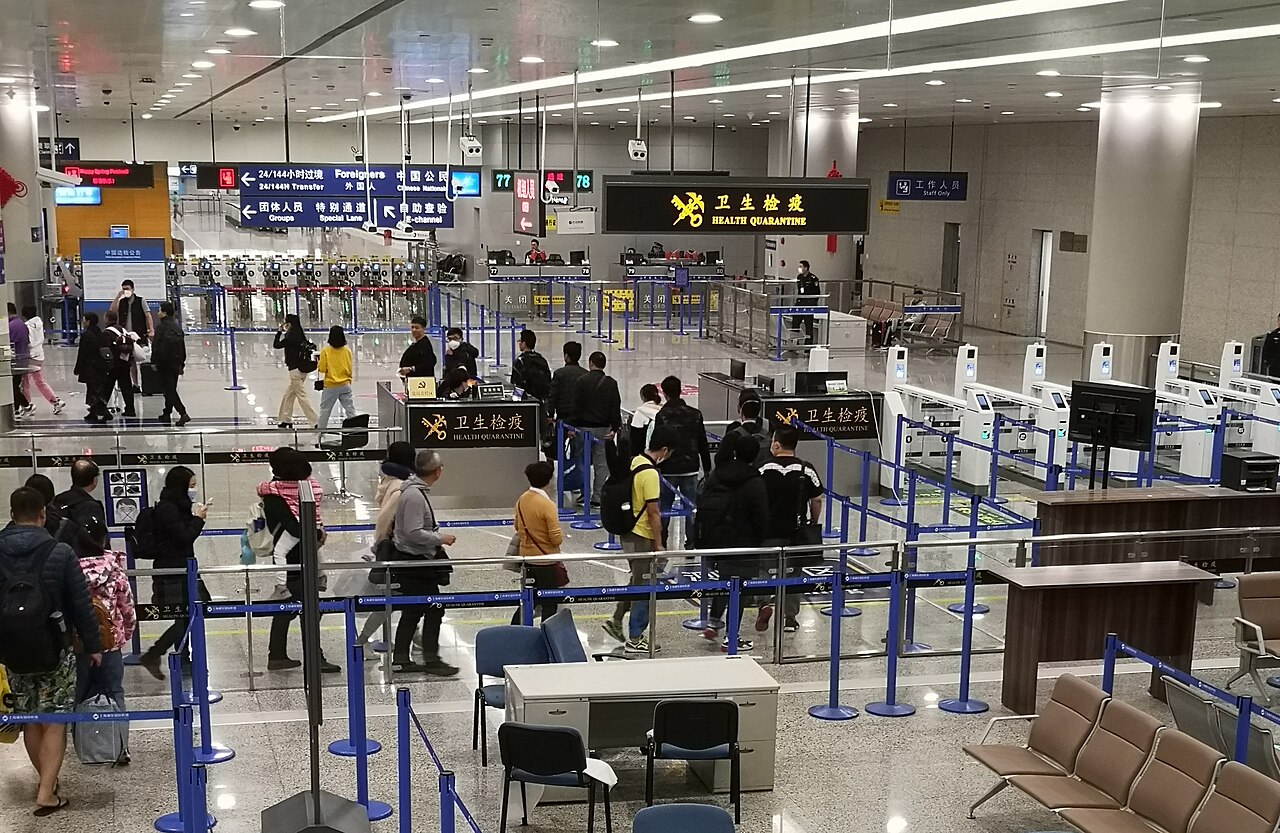
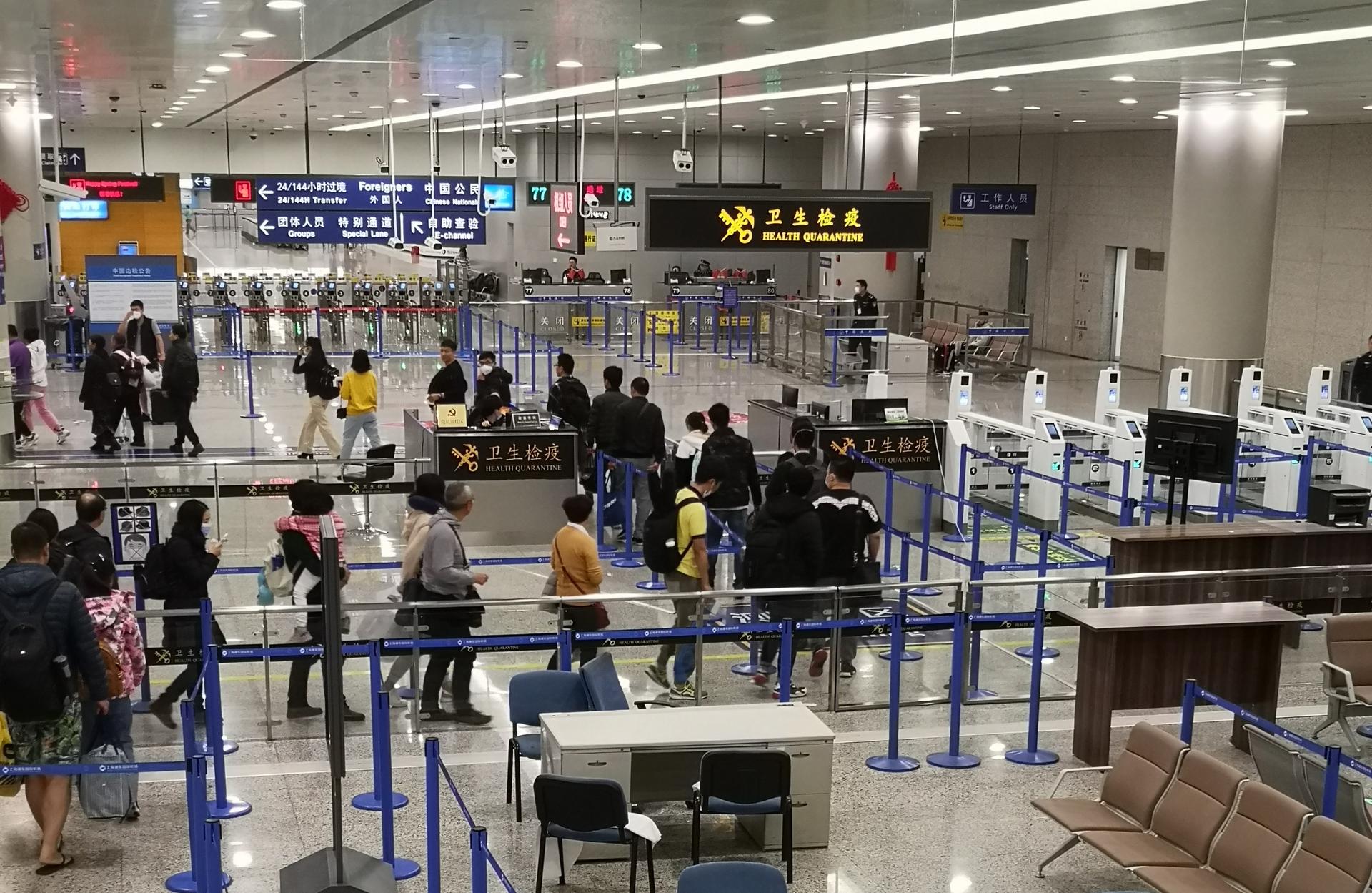
Some countries moved to formal entry bans or suspensions of immigration documents for travellers who live in, recently visited, or are arriving from the DRC, Uganda or South Sudan. Others, rather than closing doors, layered on health screening, surveillance, quarantine arrangements or traveller declaration forms for some arrivals connected to the affected zones. The result is a confusing spectrum in which the same trip can be routine through one airport and fraught through another, depending less on a traveller's health than on where their itinerary touches.
This is the environment in which a rumour about an "Ebola-Free Certificate" could take hold and force a health ministry to issue a denial. When rules differ by country and change by the week, travellers reasonably assume the strictest version is the real one, and recruitment agencies that send workers abroad cannot afford to guess wrong.
Kenya in the middle: named, screened, pressed
For Kenya, the discomfort has been concrete. Africa CDC has identified a group of countries it considers at elevated risk because of their proximity and connectivity to the outbreak, and Kenya is on that list alongside neighbours such as Tanzania, Rwanda, Burundi, Ethiopia and South Sudan. Being named is not the same as being infected, but in the language of travel advisories the distinction is easily lost.
The pressure has also been diplomatic. According to reports carried by the diaspora outlet Mwakilishi, Israel imposed travel restrictions touching Kenya and four other African countries over Ebola fears, prompting a pointed rejection from Kenya's foreign affairs principal secretary, Korir Sing'Oei, who argued that the country's standing did not justify being lumped in with active outbreak zones. The episode captured the diaspora's recurring frustration: the sense of being treated as a region rather than as a country with its own data.
There is a harder chapter still. Kenya's High Court temporarily halted construction of a proposed Ebola quarantine facility intended for United States citizens near Nanyuki, after protests over the plan turned deadly. The government has signalled it intends to proceed. The dispute folds a global health emergency into older, rawer questions about sovereignty, foreign footprints on Kenyan soil, and who decides what happens on the ground.
What it means for the diaspora
For Kenyans abroad, an outbreak hundreds of kilometres from home translates into a string of small, practical worries. A nurse in the Gulf weighing a trip home wonders whether re-entry to her host country will be smooth. A student in North America watches visa-processing notices for any sign of new conditions. A family planning a funeral or a wedding tries to read airline advisories that were written for a different country entirely.
Remittances and travel are the arteries of diaspora life, and uncertainty narrows them. Even where no formal ban touches Kenyan passport holders, the friction of extra forms, screening lines and shifting rules nudges people to delay trips, which in turn delays the money, the visits and the caregiving that hold transnational families together. The United States has, for its part, announced additional preparedness funding for Kenya and several neighbours, a reminder that the international response is not only about keeping people out but also about shoring up the systems that would catch a case early.
The longer shadow
European health authorities continue to assess the risk to their own populations as very low, and the same logic applies to the diaspora: the personal danger to a Kenyan in London, Toronto or Doha from this outbreak is slight. The greater hazard is reputational and bureaucratic, the way a regional emergency hardens into blanket suspicion that outlasts the emergency itself.
What is worth watching now is whether the travel measures track the epidemiology or drift away from it. If case numbers in the DRC and Uganda stabilise while bans widen, the gap between fear and fact will only grow, and Kenyans far from any outbreak will keep paying a quiet toll at borders they have done nothing to endanger. Uganda's small, careful notice about a certificate nobody needs may turn out to be the most honest document of the week: a reminder that in a health emergency, clear information is itself a form of protection.