The Screening Line at Every Gate: How a Distant Ebola Outbreak Is Reshaping the Journey Home for East Africa's Diaspora
As a Bundibugyo strain spreads through the DRC and Uganda, new travel bans and a G7 funding push are quietly redrawing how Kenyans abroad reach the region.
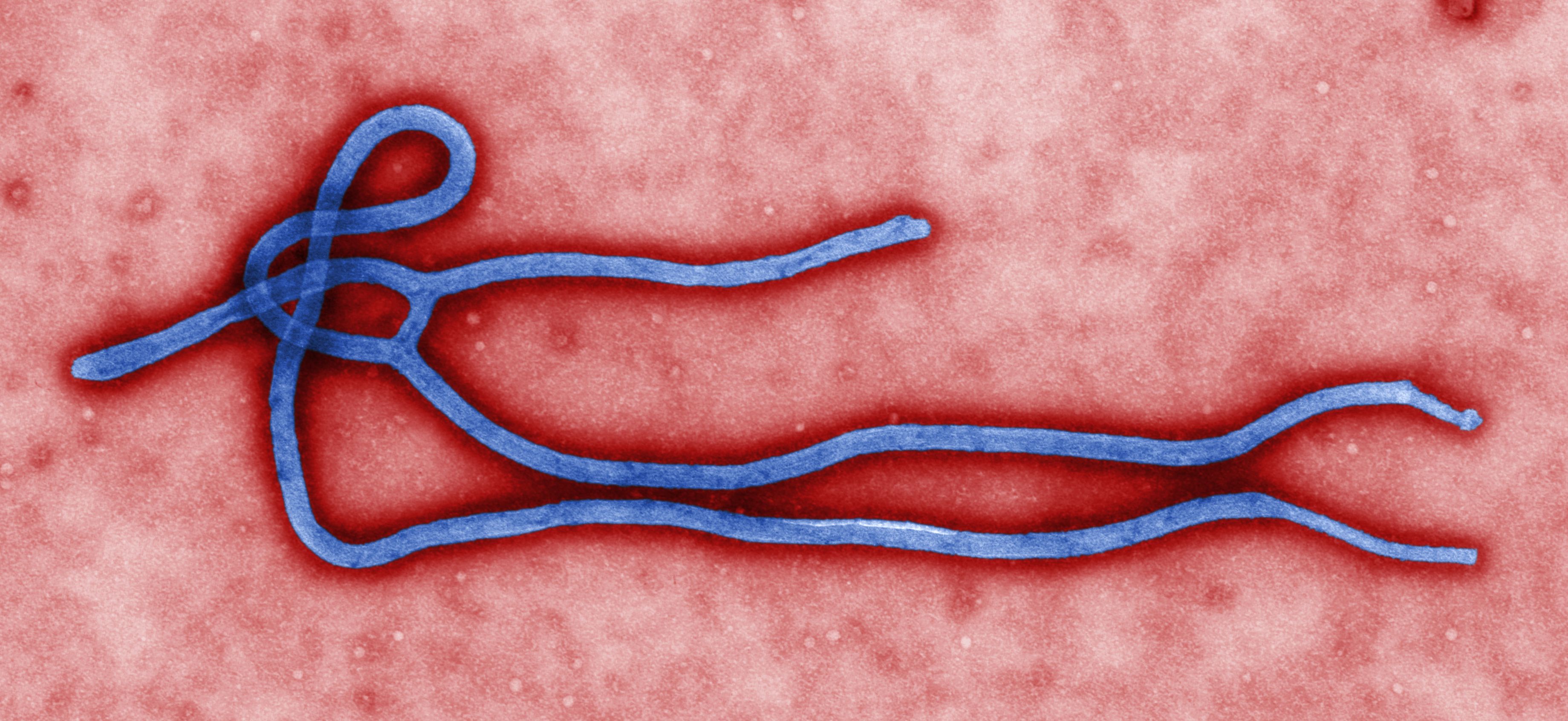
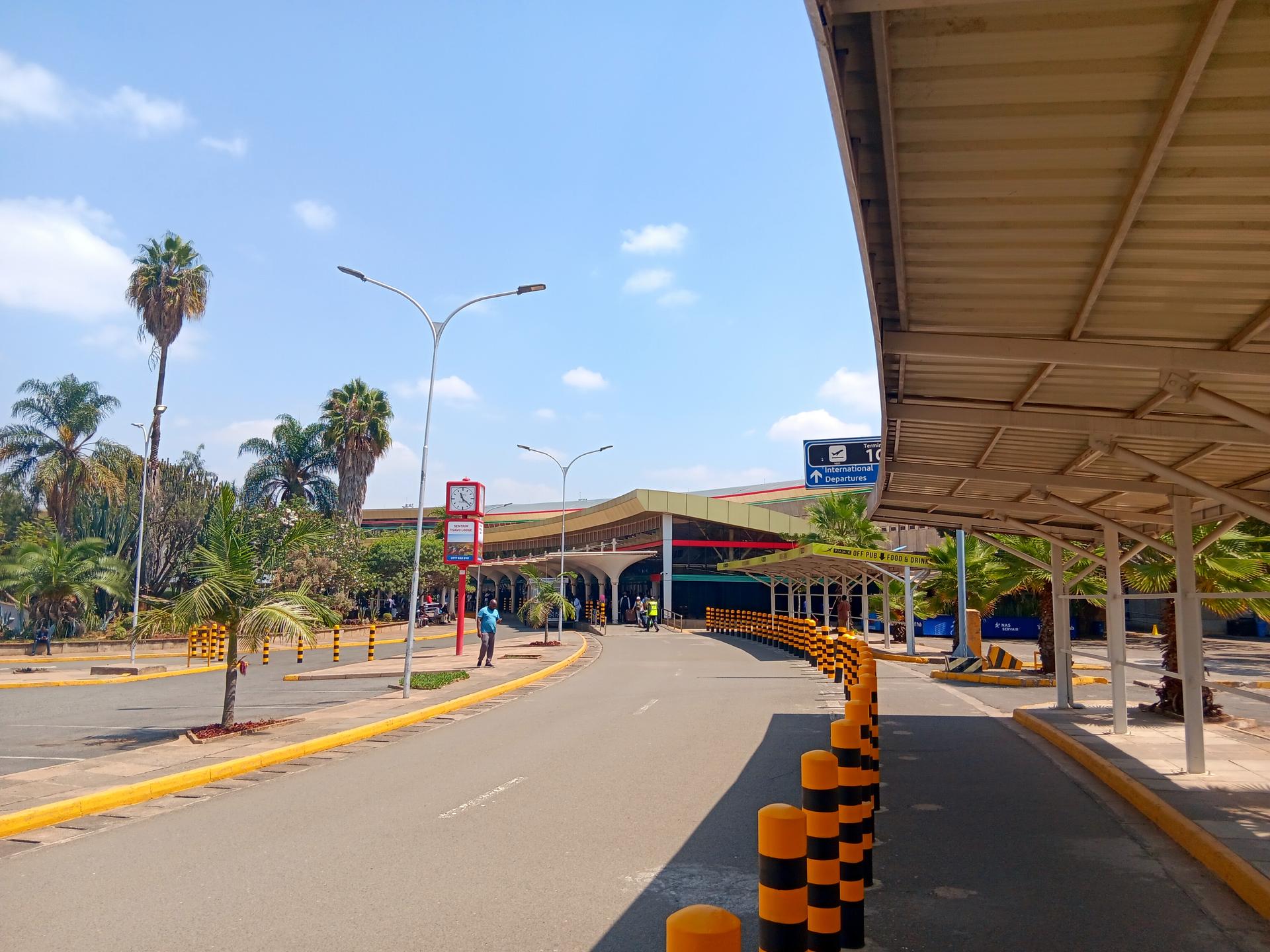
At the international departures hall in Nairobi, the queue moves a little slower than it did a month ago. A thermal camera now watches each face as it passes; a printed health-declaration card asks where you have been in the last twenty-one days. Somewhere in Manchester or Minneapolis, a Kenyan nurse refreshes an airline page for the third time that morning, trying to work out whether the trip she has booked to bury a relative will still be possible, or whether a transit through the wrong city will strand her behind a new wall of rules. For the East African diaspora, the most recent Ebola outbreak is not only a story unfolding far away in the forests of eastern Congo. It is a quiet rearrangement of the routes, forms and screening lines that connect people abroad to home.
A Strain That Outpaces Its Cures
The outbreak now drawing international attention began in May 2026 in the Ituri Province of the Democratic Republic of the Congo, the seventeenth Ebola outbreak the country has recorded and one that arrived barely five months after the previous one was declared over. The World Health Organization designated it a public health emergency of international concern on 16 May. By the third week of June, health authorities had recorded close to two hundred confirmed deaths in the DRC, with a small number of imported cases and two deaths reported across the border in Uganda, including in the capital, Kampala.
What worries scientists most is the particular virus behind it. According to epidemiologists tracking the spread, the outbreak is caused by the Bundibugyo strain of ebolavirus, a rarer species than the Zaire strain that drove the catastrophic West African epidemic of 2014. Many of the vaccines, diagnostics and treatments developed over the past decade were tailored to that Zaire strain, and are reported to be only partially effective against Bundibugyo. That gap between the tools on the shelf and the virus in the field is why governments far beyond the Great Lakes are treating this outbreak as a cross-border problem rather than a regional one.
A Map of Closed and Half-Open Doors
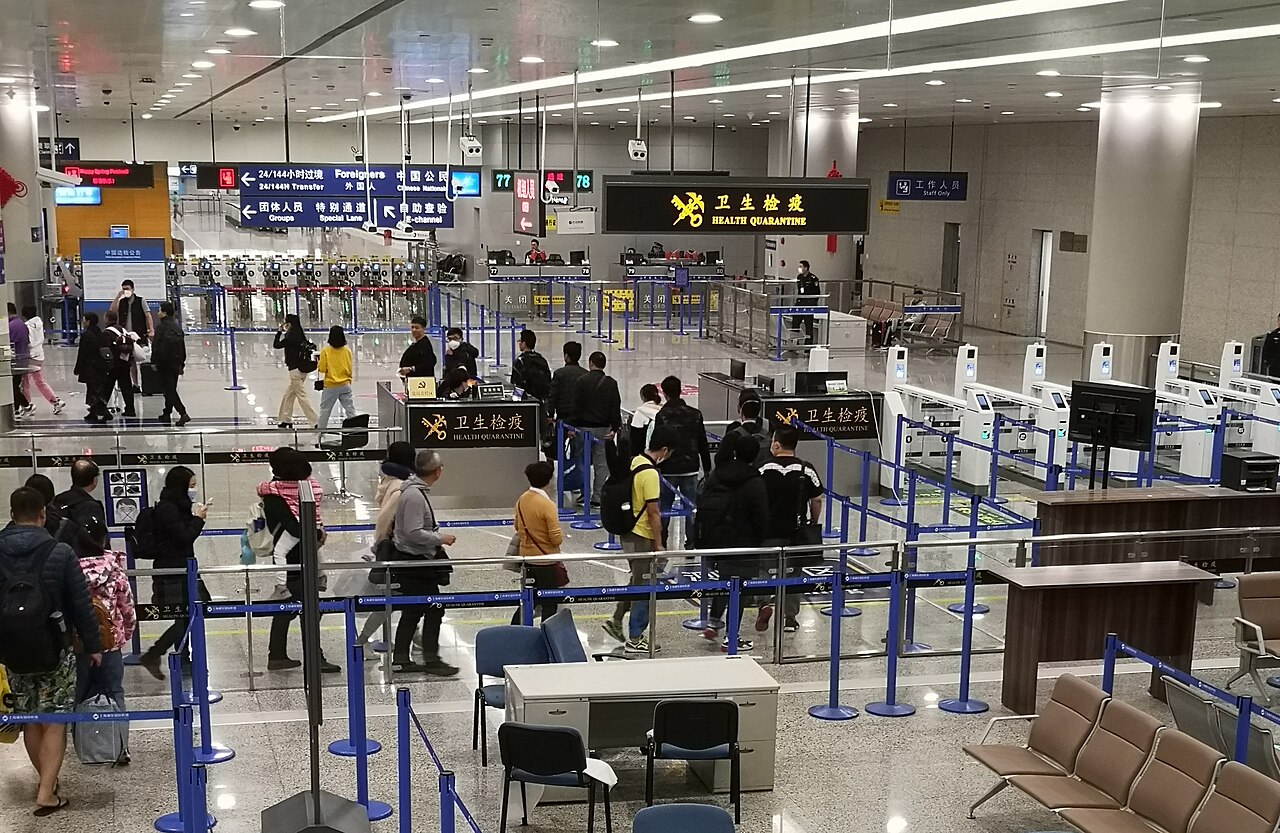
For Kenyans and other East Africans living abroad, the most immediate effect has come not from the virus but from the policies built to contain it. A growing list of governments has tightened the rules on who can travel and from where. Several countries, among them the United States and Canada, have imposed entry bans or suspended immigration documents for travellers who have recently been in or passed through the DRC, Uganda or South Sudan. Others, including Kenya and Tanzania, have chosen screening, surveillance and traveller-declaration requirements rather than outright bans.
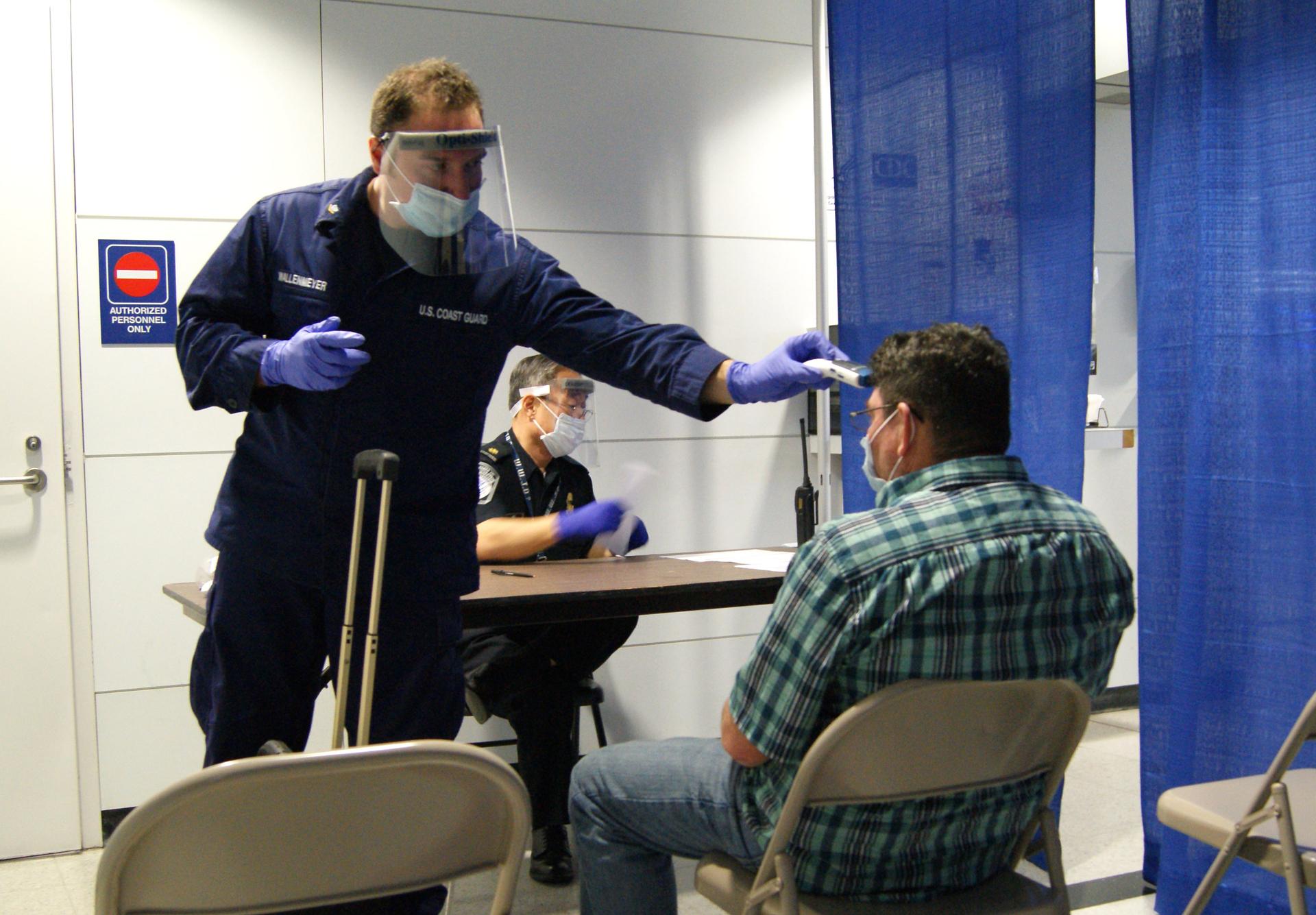
The distinction matters enormously to families spread across continents. The United States Embassy in Nairobi has issued a notice on enhanced Ebola screening and public-health arrival measures, a reminder that even travellers from countries with no active outbreak can expect extra questions and checks. The friction can also flow the other way: Kenya publicly objected when Israel moved to place Ebola-linked travel restrictions on Kenyan travellers, with Principal Secretary for Foreign Affairs Korir Sing'Oei rejecting the measure on the grounds that Kenya has no confirmed outbreak. For a diaspora that plans visits home months in advance, around school holidays, weddings and funerals, the uncertainty is its own kind of cost.
Nairobi's Quiet Mobilisation
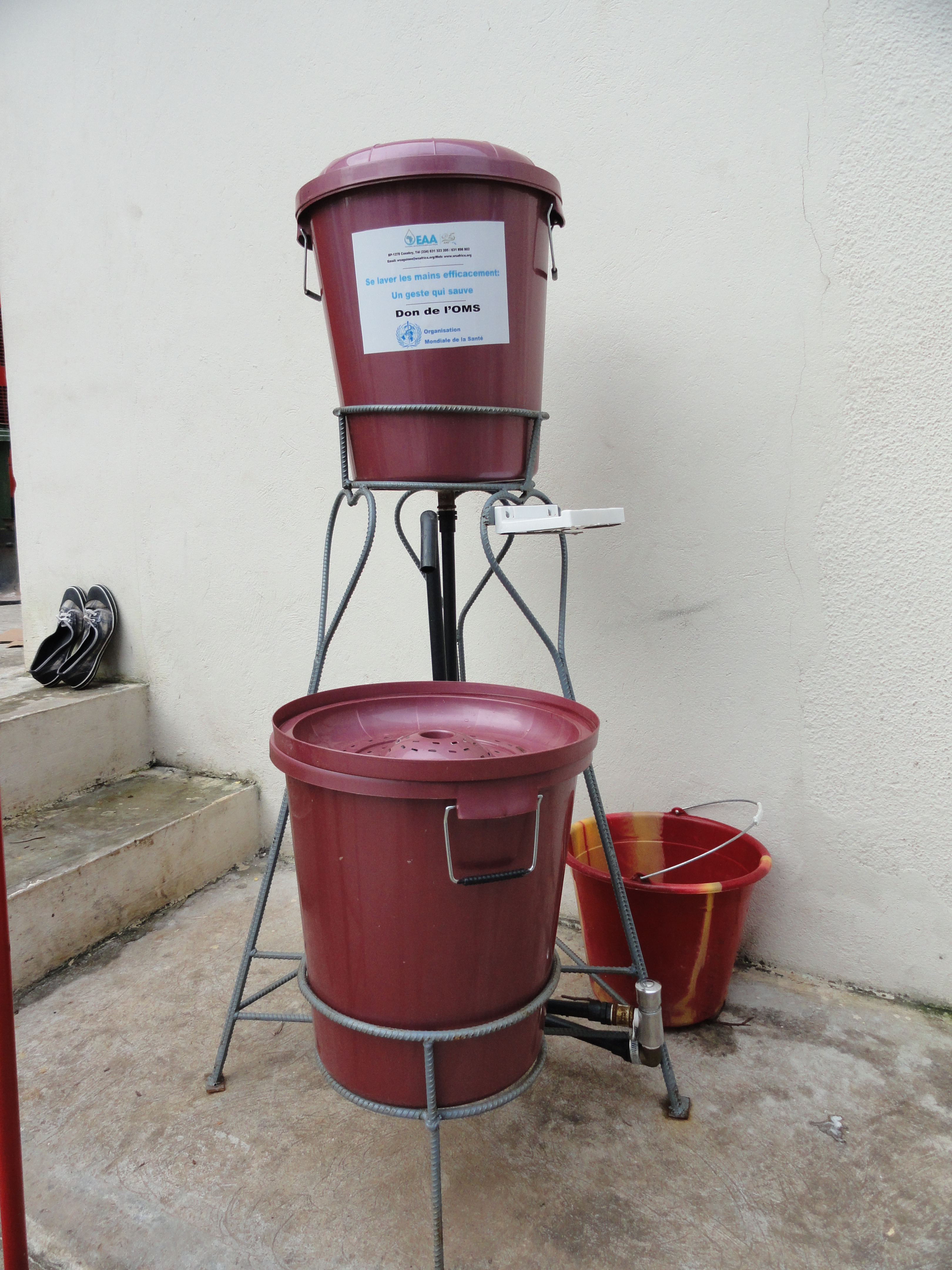
Inside Kenya, the government has been preparing for a scenario it hopes never arrives. Authorities have moved to establish twenty-three Ebola quarantine and isolation facilities around the country, including in Laikipia, and have tightened screening and surveillance at border crossings and in counties judged to be at higher risk. The logic is geographic as much as medical: Kenya sits at the centre of a region knitted together by trade, migration and travel, and a single undetected case arriving overland or through an airport could turn a neighbour's emergency into a national one.
That preparation is the unglamorous backbone of outbreak response, the contact tracing, laboratory capacity and isolation beds that rarely make headlines until they are overwhelmed. For relatives sending money home, it is also where a portion of remittances and public spending is now quietly being directed, into a public-health buffer whose value only becomes visible if the virus crosses the border.
The Money and the Politics
The outbreak reached the world's biggest diplomatic stage this week. On Wednesday, 17 June, leaders of the G7 and partner countries, Kenya among them, issued a joint declaration calling for a coordinated response to what they described as the Bundibugyo Ebola outbreak. The European Union used the moment to highlight a commitment of about 493 million euros, roughly seventy-four billion Kenyan shillings, towards emergency aid, vaccine development, treatment programmes and health-security work across the Great Lakes and Uganda. Of that, around twelve and a half billion shillings was earmarked for immediate humanitarian assistance, development and research.
The financing is not the EU's alone. African-led efforts have gathered their own momentum, with a Continental Preparedness and Response Plan reported to have mobilised some sixty-seven billion shillings to help countries detect and respond to outbreaks quickly. The United States has separately pointed to its own contribution, with President Donald Trump's administration citing aid worth roughly forty-eight billion shillings toward containing the virus in Africa. President William Ruto, who appeared alongside European Commission President Ursula von der Leyen and Prime Cabinet Secretary Musalia Mudavadi, used the summit to press a familiar argument, that the world cannot afford to look away from Africa when a health threat emerges there.
What It Means for the Diaspora
For Kenyans abroad, the outbreak lands at the intersection of the two things that most define diaspora life: distance and connection. Many will feel the practical edge of it first, in the screening line, the health form and the shifting patchwork of travel advisories that can complicate a planned trip home or a relative's visit overseas. Diaspora healthcare workers, well represented in the wards of Britain, the Gulf and North America, will watch the clinical details closely, knowing that the same gaps in vaccines and treatments being debated at the G7 are the gaps their colleagues in the region must work around.
Yet the story is not only one of barriers. The funding announced this week, the quarantine facilities going up at home and the unusually coordinated international attention all point to a response that has so far stayed ahead of the virus, in a way earlier outbreaks did not. For the families who send money, advice and worry across oceans every week, that is the figure to watch in the days ahead: not just the count of cases, but whether the doors that connect them to home stay open.