The Border That Shut for Four Days: How an Ebola Scare Next Door Turned Kenyan Passports Into a Question at the Gate
Kenya has not recorded a single Ebola case, yet for four days its travellers were barred from boarding flights to Israel. The brief ban shows how an outbreak across the border reshapes life for Kenyans on the move.

For four days in the middle of June, a Kenyan passport became a reason to be turned away at the airline counter. On 10 June, Israel's Population and Immigration Authority sent a directive to every carrier flying into the country: do not board foreign passengers travelling from the Democratic Republic of the Congo, South Sudan, Rwanda, Kenya or Uganda. The instruction reached deeper than the five named states. Any traveller of any nationality who had merely passed through one of those countries in the previous 21 days was to be questioned and, if necessary, refused a seat.
For Kenyans, the order landed as a small administrative shock with an outsized sting. The country had not reported a single case of Ebola. Its name had been folded into a regional list because of where it sits on the map, not because of anything happening inside its borders. By 14 June the list had been redrawn and Kenya, along with Rwanda, was removed. But the episode left a clear lesson for the millions of Kenyans who live, work and travel abroad: when an outbreak takes hold in the neighbourhood, the cost is shared whether or not the virus ever crosses the line.
An outbreak that never reached Kenya
The 2026 epidemic is caused by the Bundibugyo strain of Ebola, and it is centred not in Kenya but to its west and north. On 17 May the World Health Organization declared the outbreak in the Democratic Republic of the Congo and Uganda a public health emergency of international concern, its highest level of alarm.
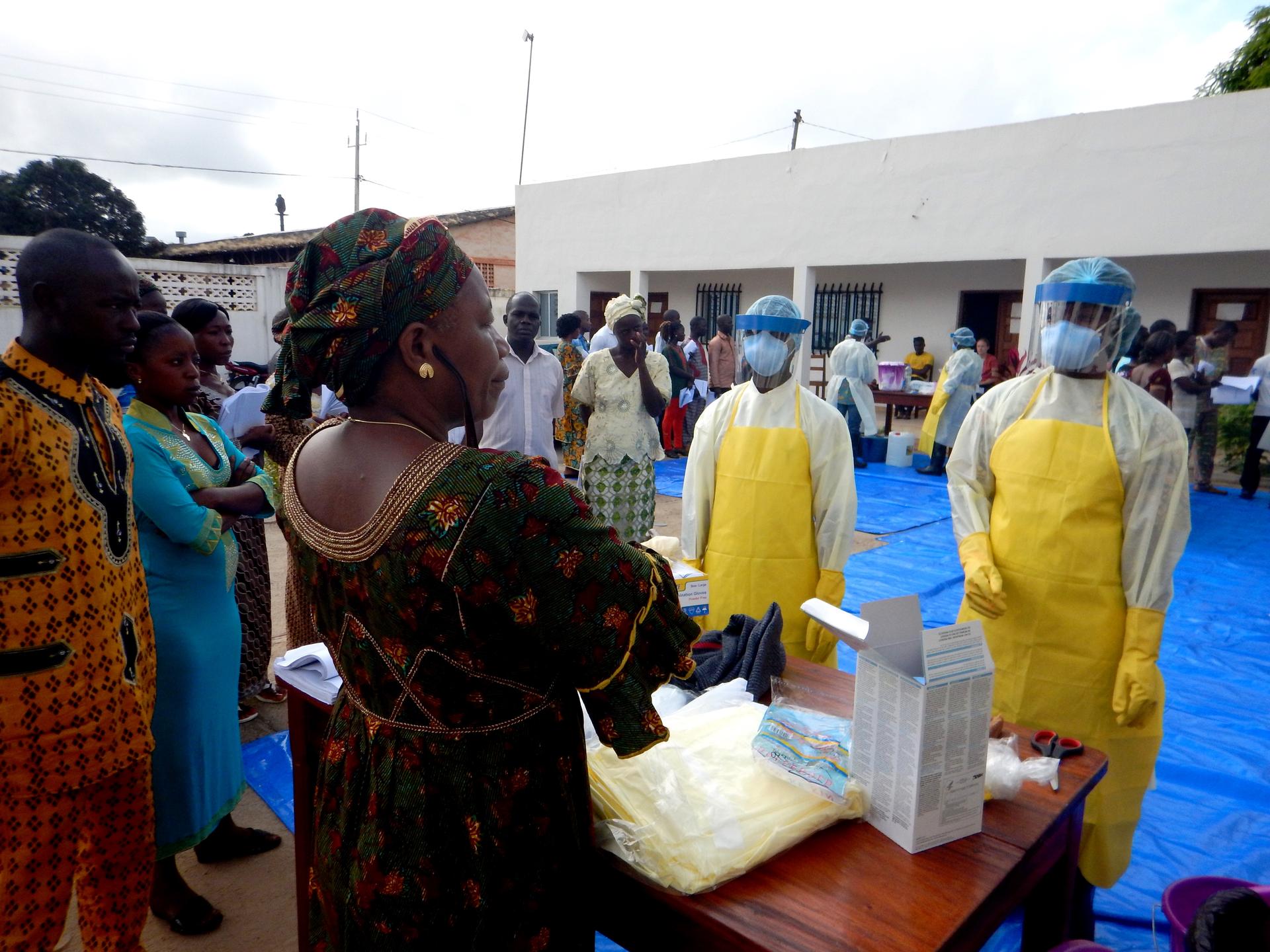
The figures explain the anxiety. By 14 June the DRC health ministry had recorded 782 confirmed cases and 181 confirmed deaths, with hundreds more hospitalised in isolation. More than a hundred new cases and dozens of new deaths had been logged in the space of a few days, a sign that transmission was still accelerating rather than easing. The eastern province of Ituri carries the heaviest burden, with the bulk of confirmed infections, while North Kivu and South Kivu have reported smaller clusters. Across the border in Uganda, health authorities have confirmed around nineteen cases and at least two deaths.
Kenya's own tally tells a different story. The country has recorded no confirmed case. A small number of suspected infections were investigated and tested negative. What Kenya has instead is a heavy load of vigilance, the unglamorous work of keeping a clean record while sitting beside an emergency.
The quiet machinery at Jomo Kenyatta
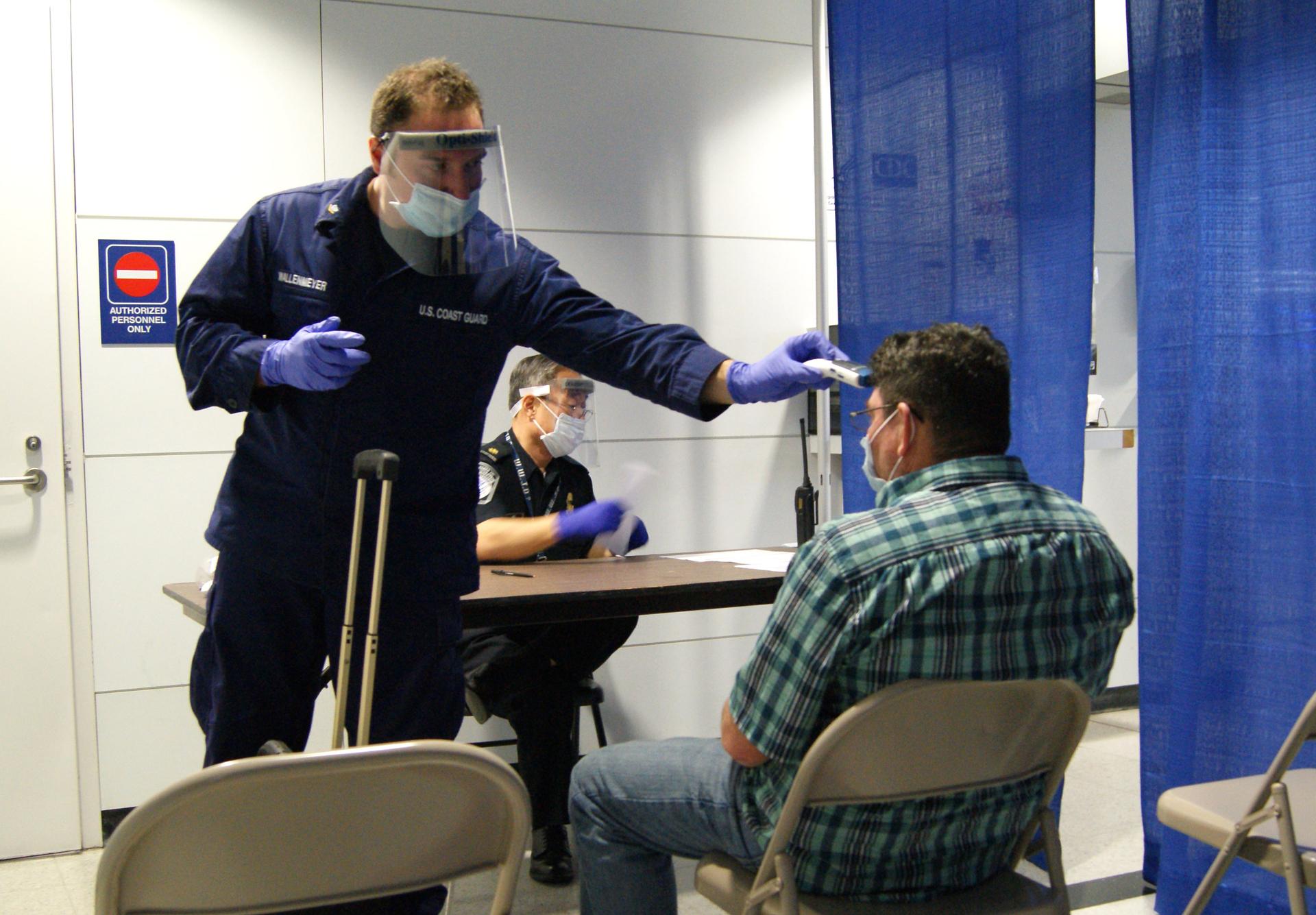
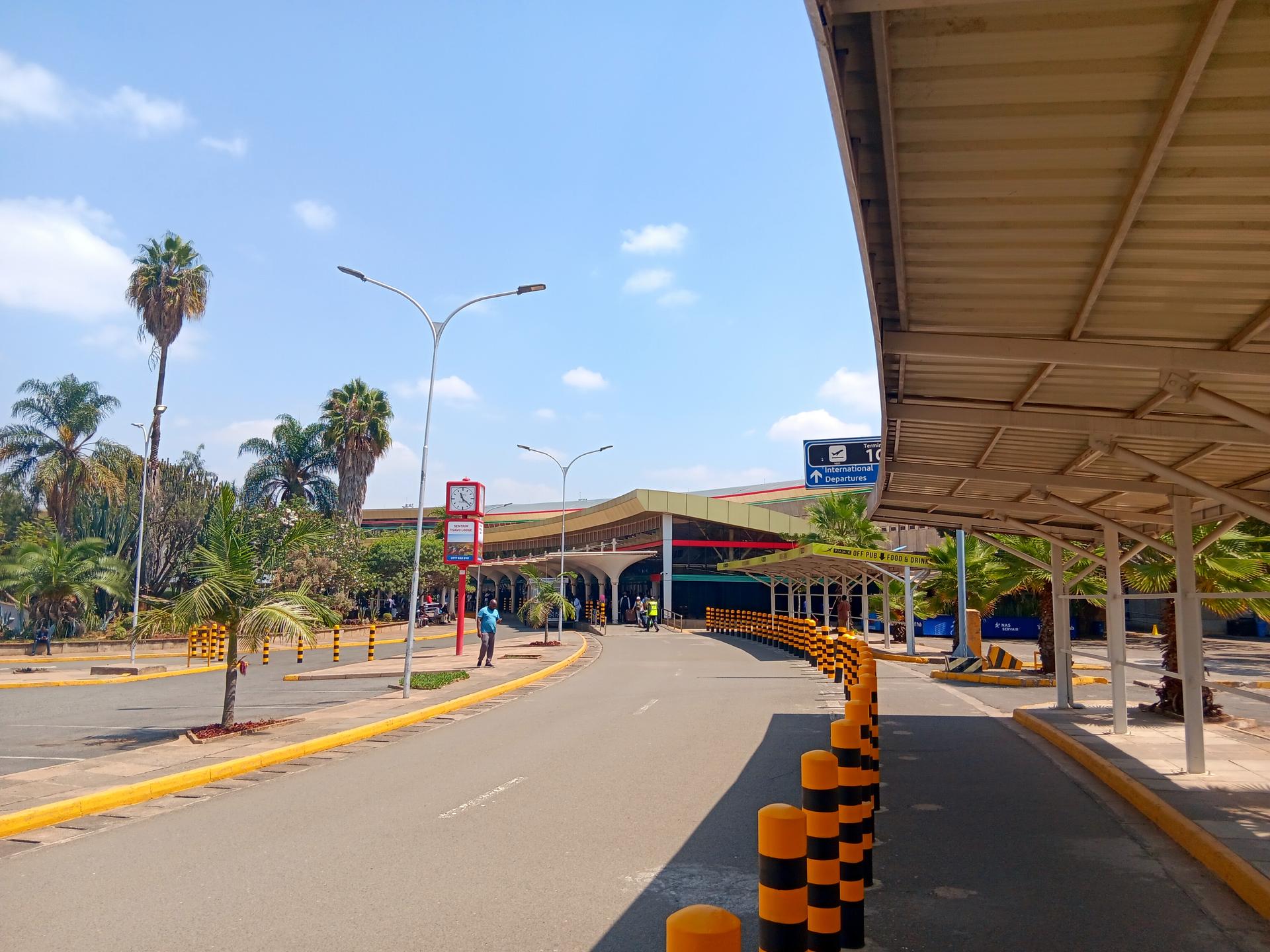
That work is most visible at Jomo Kenyatta International Airport, the gateway through which the great majority of the Kenyan diaspora passes on its way home and back out again. Thermal scanners watch arriving passengers for fever. Isolation rooms stand ready for anyone flagged. Surveillance teams trace travellers who have recently been in affected zones, and health officials at the country's designated points of entry now screen thousands of people every day.
Kenya's foreign affairs principal secretary, Korir Sing'Oei, put a number to the effort when he pushed back against the Israeli ban, noting that the country had carried out tens of thousands of tests without a single positive result. The screening regime is not a one-off response to a single airline directive. It is a standing posture, the kind a transit hub adopts when it cannot afford a lapse and cannot close itself off from the region it serves.
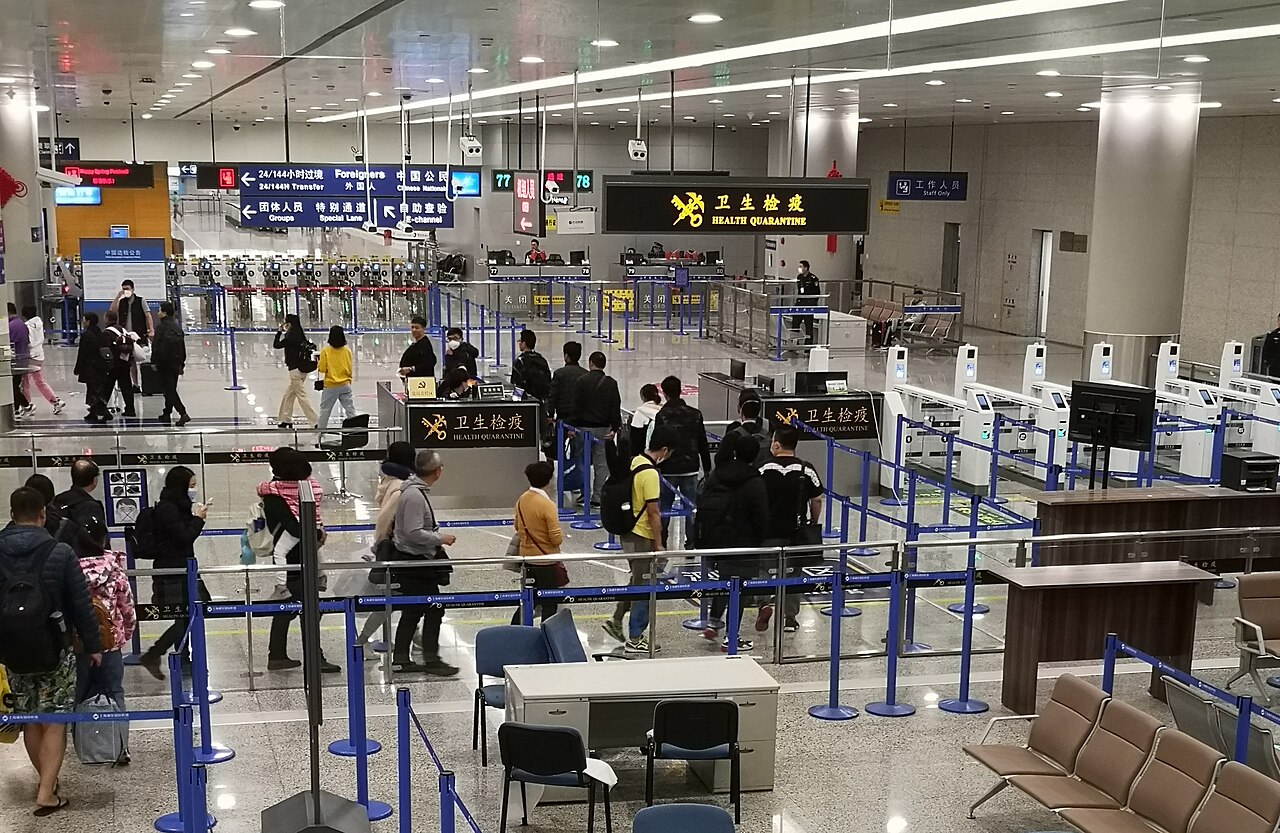
For the diaspora, this machinery is the part of the story that does not make headlines but shapes the journey. A returning nurse from the Gulf, a student flying back for the holidays, a trader moving between Nairobi and Kampala all now move through a layer of checks that did not exist a few months ago. Most will never notice more than a slightly longer queue. The system is designed so that the rare exception is caught and the ordinary traveller is waved through.
When geography becomes a label
The Israeli ban, and Kenya's swift protest against it, exposed the deeper problem facing East Africans abroad: the ease with which a whole region can be treated as a single risk. Kenya was added to the restricted list not on the basis of its case count but on the basis of its location, and the foreign ministry said as much. Sing'Oei called the inclusion unfortunate given Kenya's role in regional surveillance and its clean testing record, and warned that lumping an unaffected country in with affected ones punished cooperation rather than rewarding it.
The reversal came quickly. Israel's health ministry removed Kenya and Rwanda from the list after Nairobi lodged a formal protest, and the Israeli embassy in Kenya announced the change within days. Sing'Oei welcomed it in language that doubled as a message to other capitals weighing similar measures, saying that science, dialogue and mutual trust had prevailed over fear, and that facts can beat fear when partners choose to act like friends.
The Democratic Republic of the Congo, South Sudan and Uganda remained on the restricted list, and the 21-day rule that catches travellers who have transited through those countries stayed in force until further notice. For a Kenyan who had recently visited Kampala or Juba, in other words, the practical inconvenience did not vanish with Kenya's removal from the headline list.
A pattern the diaspora knows well
Israel was not acting alone, and that is what makes the episode resonate beyond a single bilateral spat. The United States has reinforced Ebola-related arrival screening for travellers connected to the affected region, and several governments have tightened entry checks as the WHO emergency declaration rippled outward. East Africans abroad have seen this pattern before, during earlier outbreaks of Ebola and other diseases, when the response to a localised emergency was a broad brush that swept up the unaffected alongside the affected.
The stakes are not abstract. Remittances from Kenyans abroad are a pillar of the national economy, and the ability of the diaspora to move freely, to fly home for a funeral or a wedding, to return to a posting on time, depends on borders that distinguish between real risk and rough geography. Each travel ban, even a short one, is a reminder of how exposed that freedom can be.
What comes next
The outbreak in the DRC and Uganda is far from contained, and the WHO continues to rate the risk of further regional spread as very high. That means Kenya's screening regime is likely to remain in place for some time, and that the question of how partner nations treat East African travellers will keep recurring. For now, Kenya has won a small and instructive victory: it argued with data, and the data held. The border that shut for four days reopened. The larger test, for the diaspora and the governments that decide who may board a plane, is whether the next outbreak is met with the same patience, or whether geography is once again allowed to stand in for evidence.