The Strain That Has No Vaccine: How a Cross-Border Ebola Emergency Reaches East Africa's Diaspora
A rare Bundibugyo virus has killed scores in Congo and slipped into Kampala. For Kenyans, Ugandans and Congolese abroad, it is at once a family worry and a fresh barrier at the border.
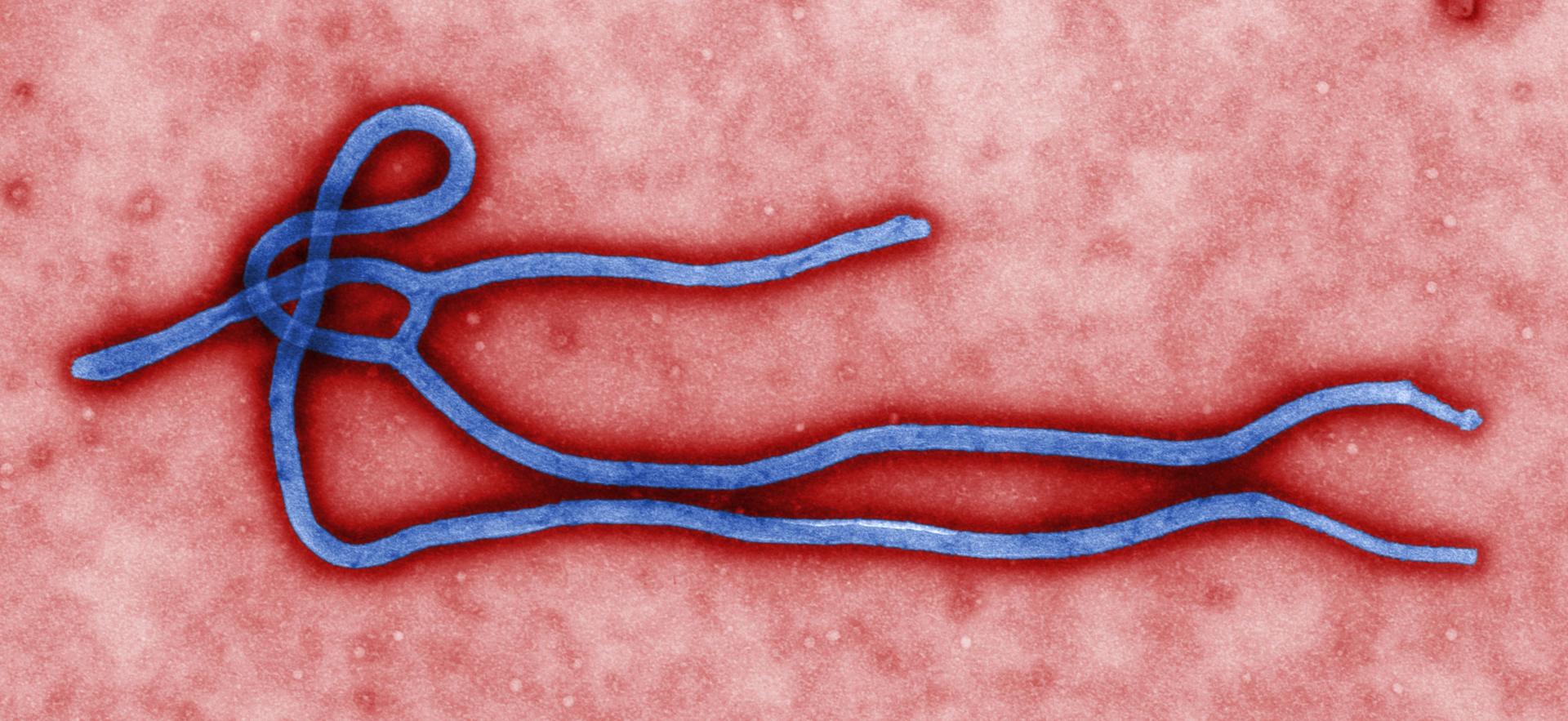
A family, a border, and a virus that crossed both
The first cases arrived the way people always have along Uganda's western frontier: by road, by relation, by the ordinary traffic of a family moving between two countries that share a language and a lineage long before they shared a map. Ugandan health officials say fourteen of the country's confirmed Ebola infections trace back to a single household that crossed from the Democratic Republic of the Congo, carrying with them a virus that the border was never built to stop.
By the second week of June, Uganda had recorded nineteen confirmed cases and two deaths, with the infections clustered in Kampala, the capital, and the neighbouring district of Wakiso. Five of those cases involved Ugandan nationals who caught the virus through contact with the imported infections. Officials say they have not yet documented community transmission — the term that, in any outbreak, separates a contained emergency from a national one.
For the East African diaspora, the geography is intimate rather than abstract. Kampala and Wakiso are not faraway dots; they are where mothers live, where children are in school, where the family plot sits. The news that a virus with no approved vaccine has reached the capital lands differently when your own people are inside the surveillance zone.
The numbers behind the alarm
The outbreak now straddling two countries is caused by the Bundibugyo strain of Ebola, a rarer cousin of the better-known Zaire variant and one for which there is currently no licensed vaccine or specific treatment. On 16 May, the World Health Organization declared the epidemic a Public Health Emergency of International Concern, its highest level of alarm, signalling that the event posed a risk beyond the borders of any single nation.
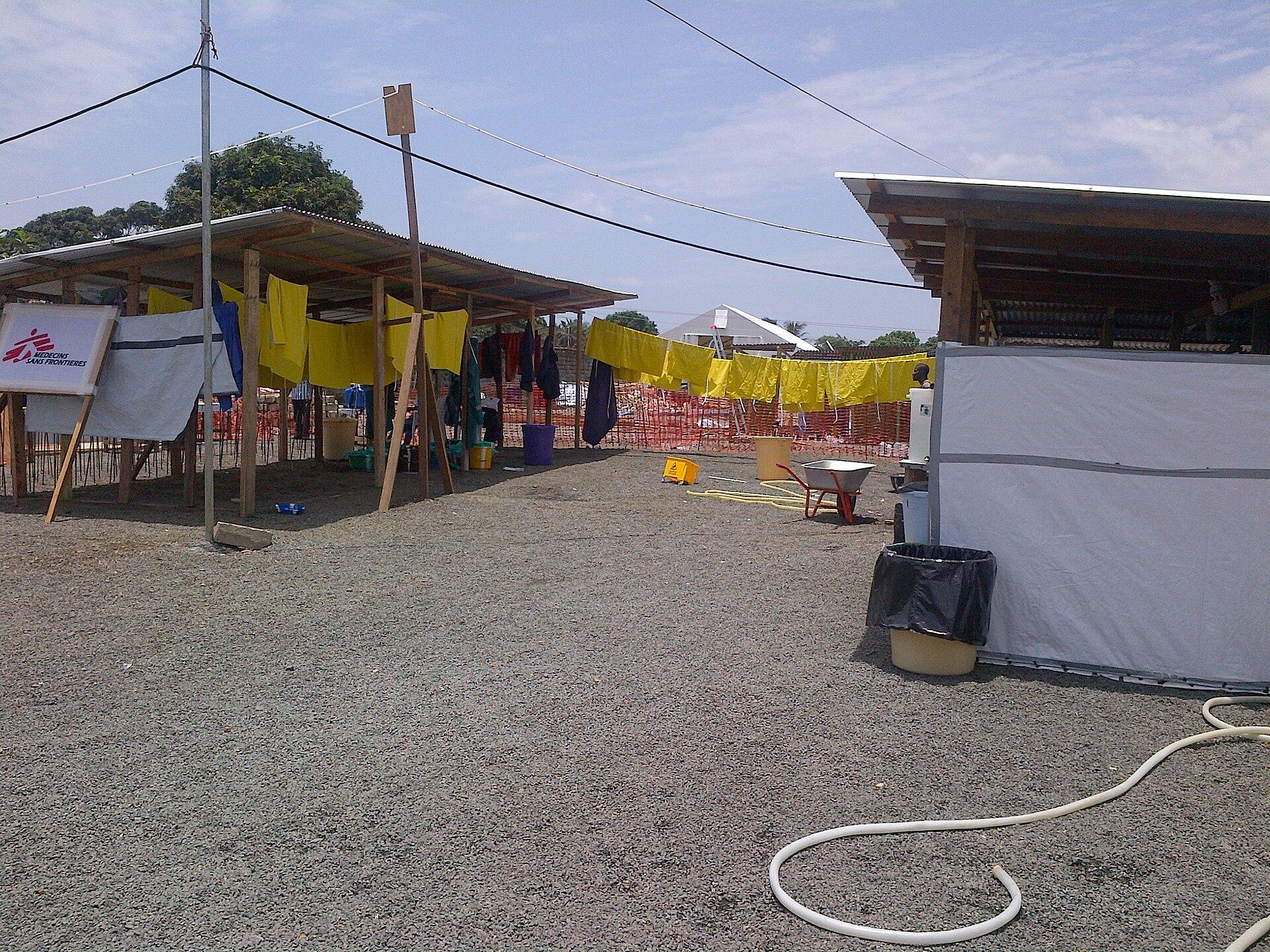
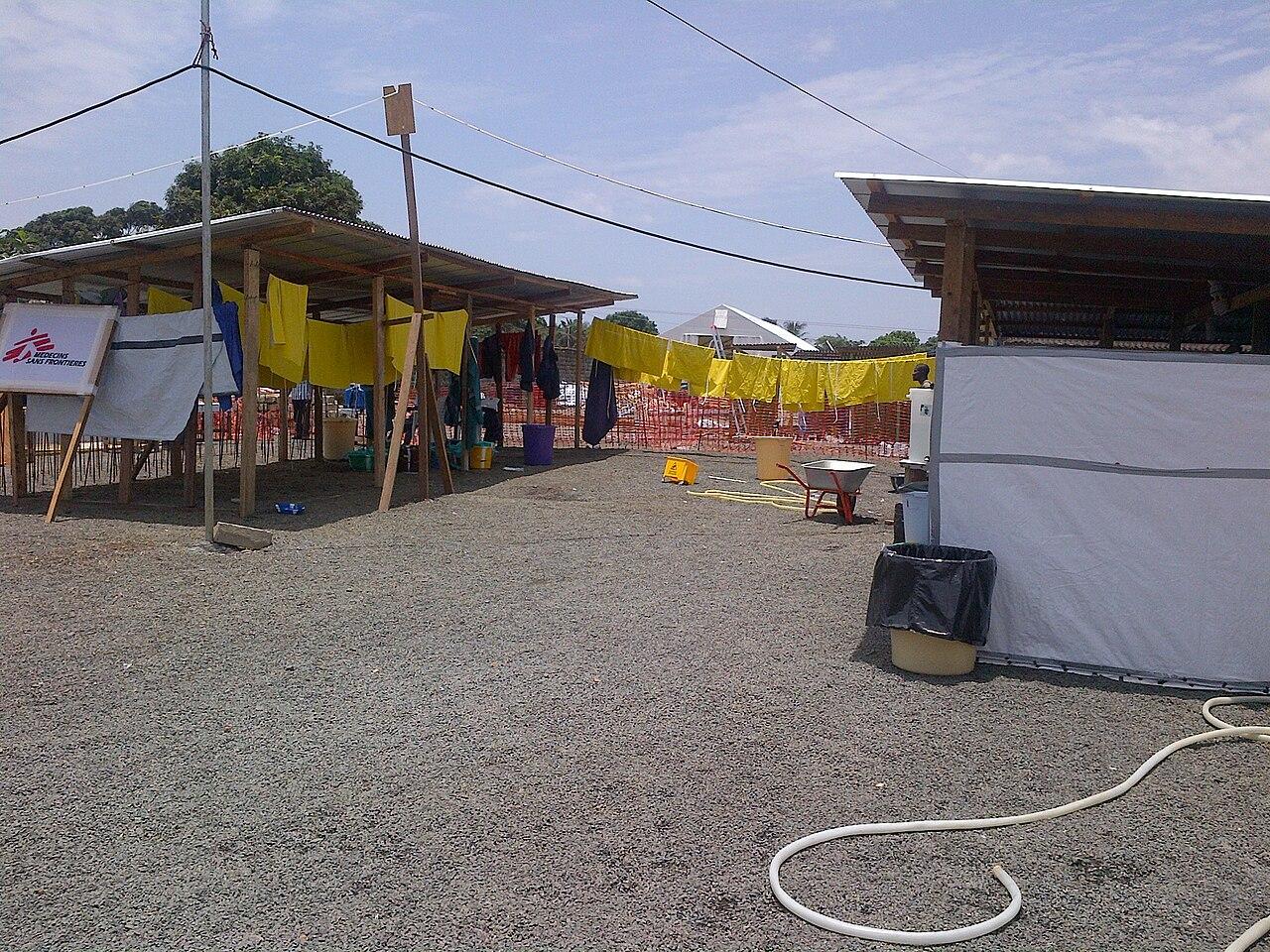
The epicentre is across the frontier in the DRC. According to figures the Congolese health ministry published on 10 June, the country had recorded 635 confirmed cases, including 127 deaths, with 260 people hospitalised in isolation. The eastern province of Ituri has borne the worst of it, accounting for some 600 cases spread across eighteen health zones. Against that backdrop, Uganda's nineteen cases are a spark rather than a fire — but everyone watching knows how quickly a spark travels.
Those numbers are the reason a routine cross-border journey now carries the weight it does, and why governments far from Ituri have begun adjusting their own rules in response.
'Health is more important than wealth'
Into that anxiety stepped President Yoweri Museveni, who used a national update on the country's response to deliver a blunt set of instructions. Chief among them was a warning that surprised many: stop eating monkeys and other wild animals.
"This Ebola apparently does not go into all animals," he said, according to remarks reported by Tuko. "There are some animals where it goes and either stays without causing sickness or kills the animal itself. One of them is the monkey. If you eat monkeys, you are going to get Ebola." He added that he could not say with confidence whether thorough cooking would remove the risk, and that the greatest danger lay in the slaughtering itself — in handling infected fluids and then touching the eyes, nose or mouth.
Museveni reached for a proverb from his own Banyankole community to frame the stakes. "Amagara n'oburyo, amagara n'obulamu — health is more important than wealth," he said. "Therefore, when health is threatened, we take it very seriously." He reminded citizens that the virus spreads through contact with bodily fluids — saliva, blood, sweat, vomit, semen — and can linger in a male survivor's body for months. He urged people not to hide illness or manage it at home, not to handle the bodies of the dead, and, in a phrase that has become a kind of national shorthand, to stop shaking hands.
He also offered a note of grim reassurance, arguing that Ebola is in some ways easier to contain than the coronavirus because it does not travel through the air. "Corona was very dangerous because it spread through breathing," he said. "Ebola spreads through contact." It is a distinction that matters enormously to contact-tracers — and to families calculating their own risk from thousands of kilometres away.
The diaspora reads every update
There is a particular helplessness in following an outbreak from abroad. The diaspora cannot drive a relative to an isolation ward or sit in a clinic corridor in Mulago. What it can do, it does through the phone: the WhatsApp groups that light up with each new case count, the late-night calls to confirm that a cousin in Wakiso is well, the quiet transfers sent home to cover a hospital bill or a tank of fuel for someone who needs to reach a treatment centre.
For Ugandans, Kenyans and Congolese living in London, Boston, Toronto or the Gulf, this outbreak is also a test of information. Rumour moves faster than any virus, and the same diaspora networks that carry comfort can carry panic. Museveni's appeal not to hide illness applies, in its own way, to the diaspora too — to resist the temptation to amplify the unverified, and to push back home the calm, sourced guidance that public-health officials are trying to spread.
When an outbreak becomes a travel barrier
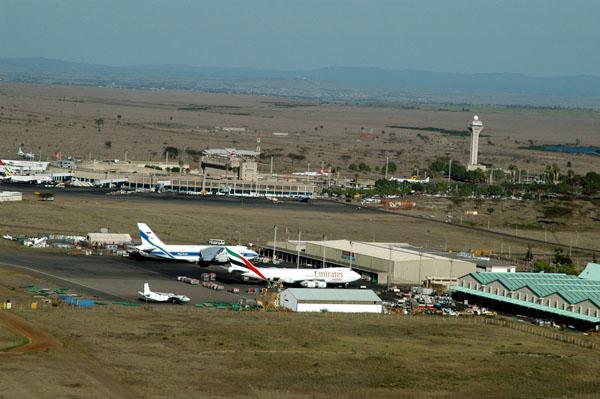
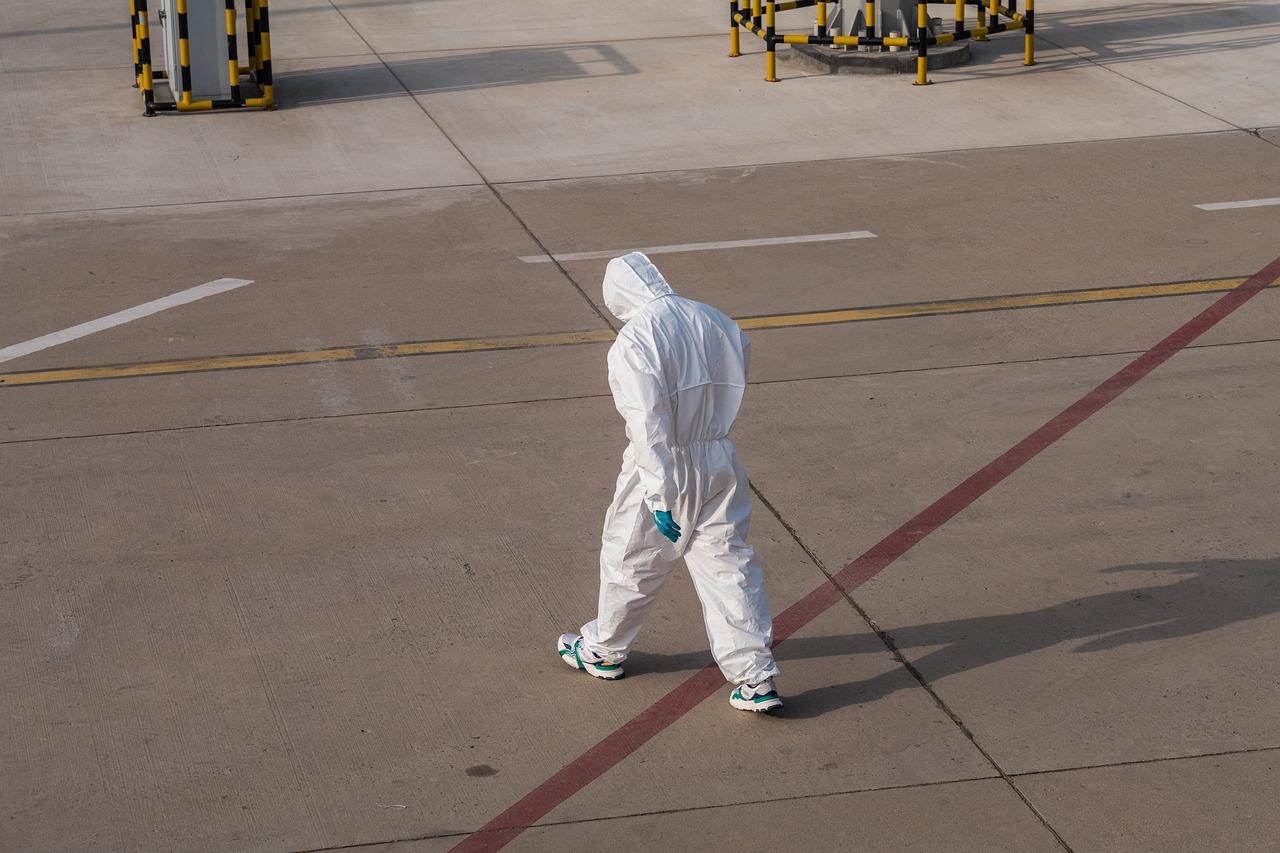
The emergency has already begun to reshape movement, and that is where it touches the diaspora most directly. Uganda closed its border with the DRC for at least four weeks after its first handful of cases, and now requires anyone entering from Congo to isolate for twenty-one days. Further afield, the response has been blunter still: Canada followed the United States in barring visitors from several African countries for ninety days, citing Ebola, a measure that lands squarely on families planning visits, weddings and funerals — and on a continent already bracing for the travel surge around the 2026 World Cup.
For diaspora households, a public-health border is also a personal one. A ninety-day bar can mean missing a parent's burial, postponing a graduation trip, or watching a long-saved family reunion dissolve into a refund request. These are the second-order costs of an outbreak that rarely make the case counts but define how the diaspora experiences it.
What the diaspora can hold onto
For all the alarm, the early signals from Uganda are not the worst ones. The cases remain concentrated, the chain of transmission is so far traceable to known contacts rather than the wider community, and Uganda has contained several Ebola epidemics before with aggressive surveillance and contact-tracing. The diaspora's most useful contribution may be the least dramatic: funding the health funds that work, sharing only verified updates, and resisting the spread of fear that does its own kind of damage.
An outbreak measured in a distant province can feel like someone else's news until it reaches a capital where your family sleeps. For East Africa's diaspora this week, the distance closed — and with it came the old, familiar resolve to stay useful from far away.