The Strain the Vaccine Forgot: How a Rare Ebola Is Spreading Across East Africa as the Diaspora Watches
A little-known Bundibugyo virus has no licensed vaccine or cure. As cases climb in Congo and Uganda, East African families abroad are tracking every border crossing.
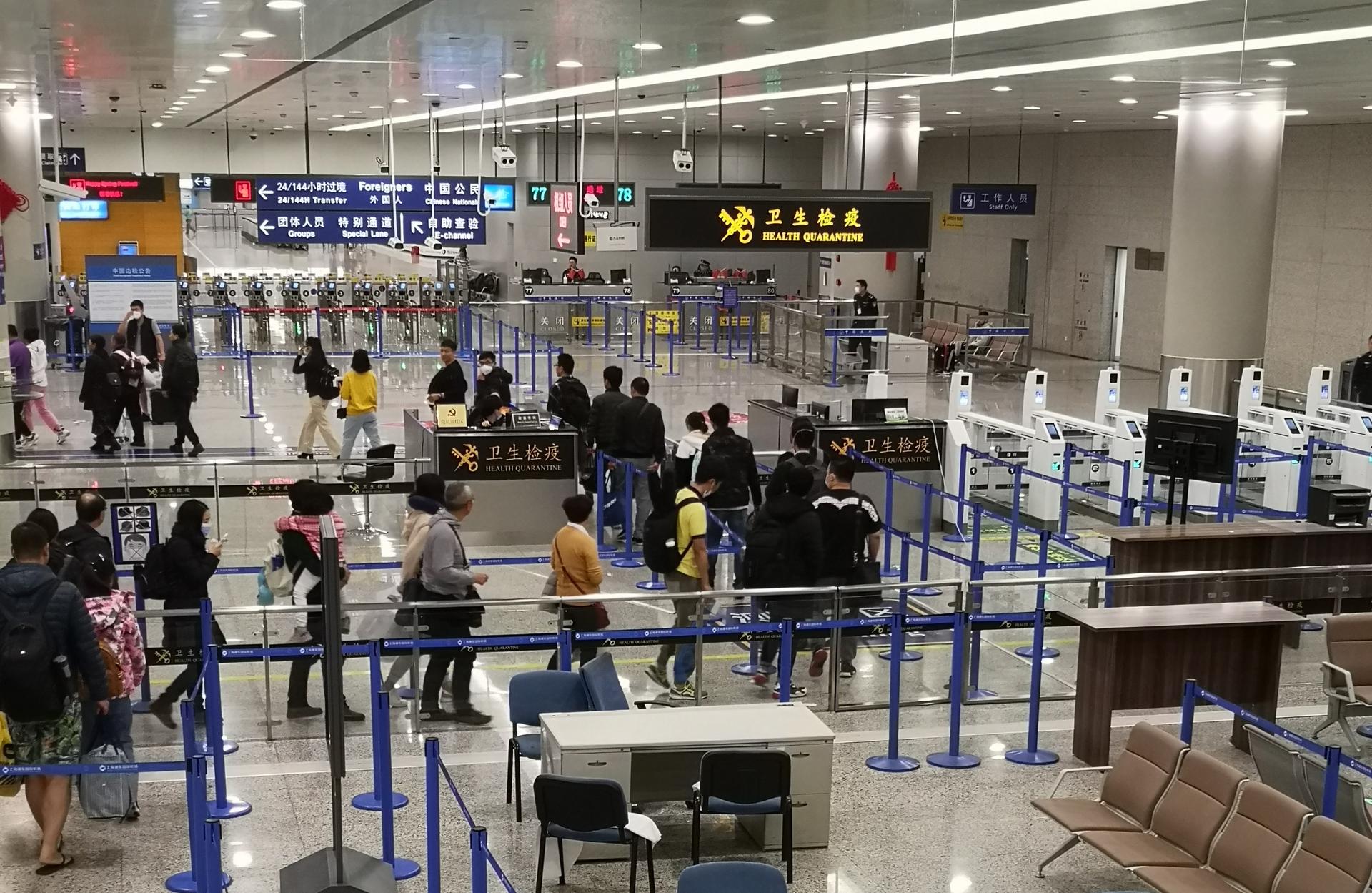
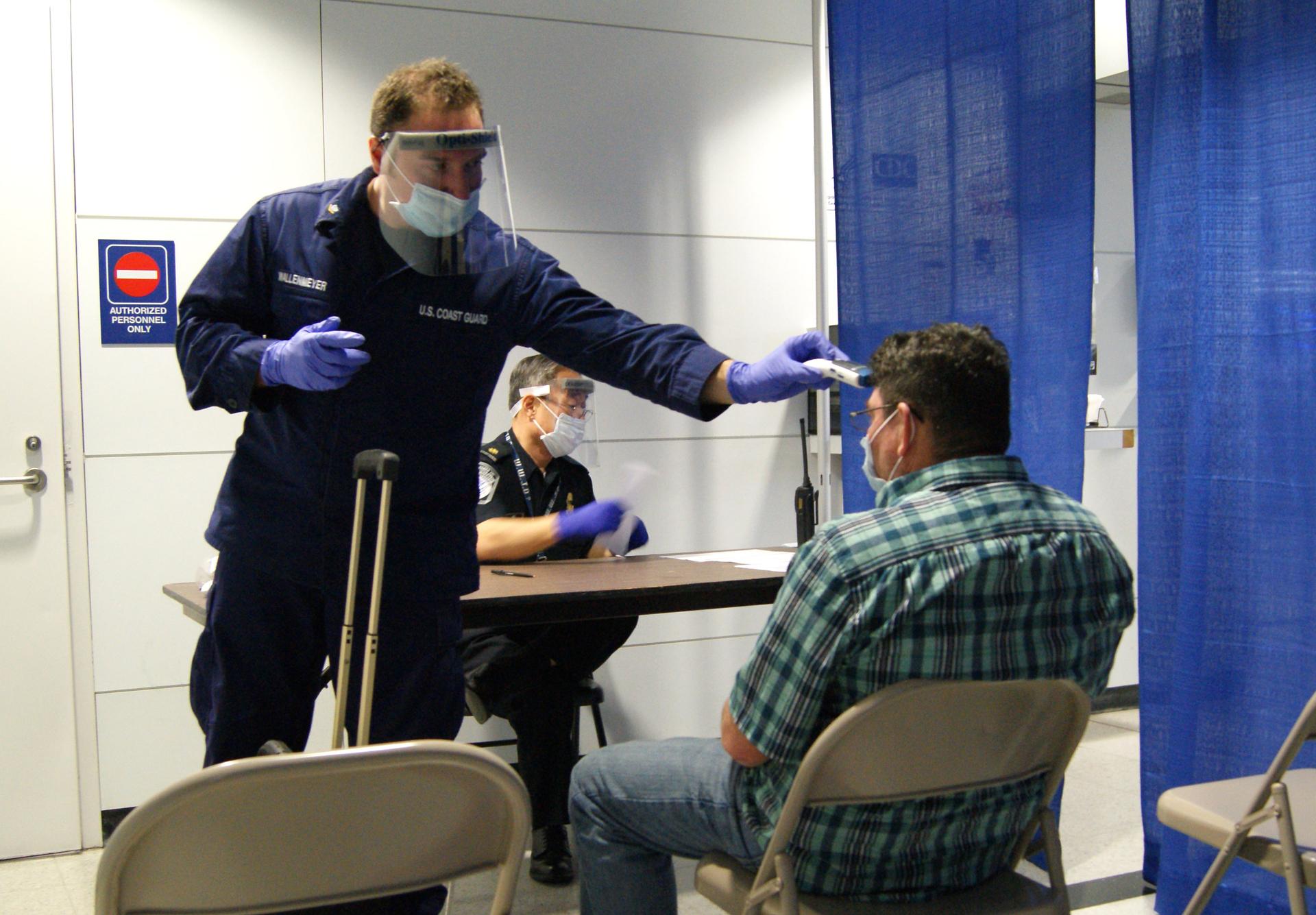
At the Malaba crossing on the Kenya–Uganda border, the queue of trucks rarely thins. Traders move sacks of maize and crates of soda between the two countries the way they have for generations, and on most days the only delays are paperwork and weighbridges. This month, the line moves past something new: handwashing stations, temperature checks, and health officers in gloves scanning the faces of people who have spent their whole lives treating this border as a formality rather than a frontier.
For the millions of East Africans who live abroad, that checkpoint has become a small, anxious window into home. The reason is an outbreak unfolding a few hundred kilometres to the west, in the Democratic Republic of the Congo, of a form of Ebola that most people have never heard of and that medicine is, for now, poorly equipped to fight.
A Different Ebola, and Why That Matters
When people hear "Ebola," they tend to picture the Zaire strain that devastated West Africa a decade ago. That strain is now something the world can answer: there is a licensed vaccine and approved antibody treatments that, used early, dramatically improve survival.
The virus spreading through the current outbreak is a different species, known as Bundibugyo. It is named for the Ugandan district where it was first identified in 2007, and it remains far rarer than its better-known cousin. Crucially, there is no licensed vaccine and no approved treatment specifically for it. The tools that turned Zaire Ebola from a near-certain death sentence into a survivable illness do not automatically transfer to a different species of the virus. That single fact is what separates this emergency from the more familiar ones, and why health agencies have responded with unusual speed.
The Numbers Behind the Alarm
The DRC's health ministry confirmed the outbreak in mid-May, centred in the northeastern province of Ituri, a region scarred by years of conflict and displacement that make any disease response harder. Within days the World Health Organization declared the situation a public health emergency of international concern, its highest level of alarm, a designation reserved for events that threaten to cross borders and demand a coordinated global response.
By the second week of June, official figures from the response put the DRC at more than 600 confirmed cases and over 100 confirmed deaths. Neighbouring Uganda had recorded a smaller cluster, with around 15 confirmed cases and at least one death, a spillover that worried public health officials precisely because it showed the virus could travel. Earlier tallies had been higher because they swept in suspected cases that were later ruled out, a normal feature of fast-moving outbreaks where laboratory confirmation lags behind fear.
Numbers like these are modest next to the tens of thousands infected in West Africa years ago. But epidemiologists watch trajectory more than totals. An outbreak in a mobile, cross-border region, caused by a strain without ready-made medical defences, is exactly the kind of situation that can either be contained quickly or slip out of control.
A Scramble for Drugs That Are Still Being Tested
The absence of an off-the-shelf cure has pushed the response into the unusual territory of treating patients and running a clinical trial at the same time. WHO, the Africa Centres for Disease Control and Prevention and their partners are supporting the DRC and Uganda to deploy experimental therapies under research protocols, including the antibody-based candidates MBP134 and REGN3479, while an antiviral, obeldesivir, is being studied as a preventive measure for people exposed to the virus.
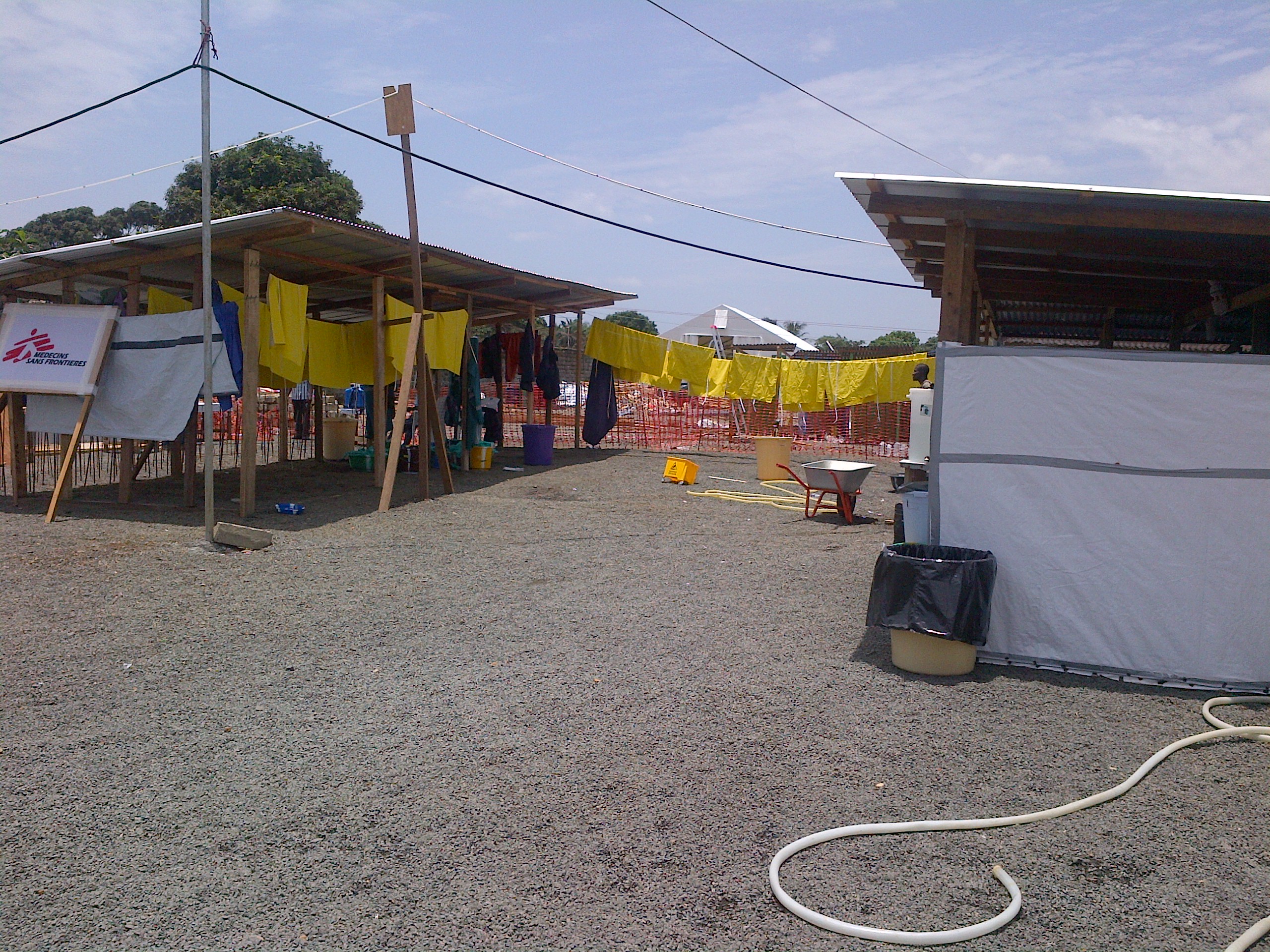
Conducting a trial in the middle of an emergency is ethically and logistically delicate. Patients are desperately ill, communities are frightened, and the data must still be gathered carefully enough to tell the world whether these drugs actually work against Bundibugyo. Médecins Sans Frontières and other organisations have moved staff and treatment capacity into the affected zones, but every cold-chain shipment, every isolation bed and every trained clinician has to be moved into places where roads, electricity and security cannot be taken for granted.
The Border the Diaspora Cannot Stop Watching
Kenya has not reported a confirmed case. Yet it sits next door to Uganda, linked by some of the busiest land borders in the region and by family ties that span all three countries. That proximity has already had consequences far from any treatment ward. Israel recently imposed travel restrictions affecting nationals of five African countries, Kenya among them, citing the outbreak, a reminder of how quickly a health emergency in one nation becomes a mobility problem for an entire region's citizens, including those who live overseas.
For the East African diaspora, the outbreak lands in a particular and personal way. Many of the nurses, clinical officers and care workers staffing hospitals in the United Kingdom, the United States and the Gulf trained in exactly the kind of facilities now on the front line. Some are fielding calls from relatives near the border asking whether it is safe to travel for a funeral or a graduation. Others are quietly organising what diaspora communities have always organised in a crisis: money, supplies and information, sent home through the same channels normally used for school fees and rent.
There is also the weight of memory. Diaspora families lived through previous Ebola scares and through the pandemic years, when an illness abroad could mean borders slamming shut and loved ones stranded. The instinct now is to watch the daily case counts the way one watches weather before a long journey.
What Comes Next
Public health officials are cautiously hopeful rather than alarmed. Outbreaks of this kind have been contained before through the unglamorous work of contact tracing, safe burials, community engagement and rapid isolation of the sick. The experimental treatments, if the trials bear out, could add a tool that did not exist for this strain a month ago.
The harder questions are structural. The fact that a vaccine exists for one species of Ebola but not another reflects how medical investment follows the outbreaks that frighten wealthy countries most. Strengthening the laboratories, treatment units and trained workforces of the region remains the surest defence, and the most neglected. For now, the response rests on the speed of health workers in Ituri and the watchfulness of officers at crossings like Malaba, while a global diaspora reads the news from afar and waits for the line of trucks to move.