The Pill That Tests Two Britains: What the UK's First Weight-Loss Tablet Means for the Kenyan Diaspora
Britain has licensed its first daily weight-loss pill. For Kenyans and other Africans who carry diabetes risk at lower weights, the real question is who will actually get it.
A Tablet Arrives at the Counter
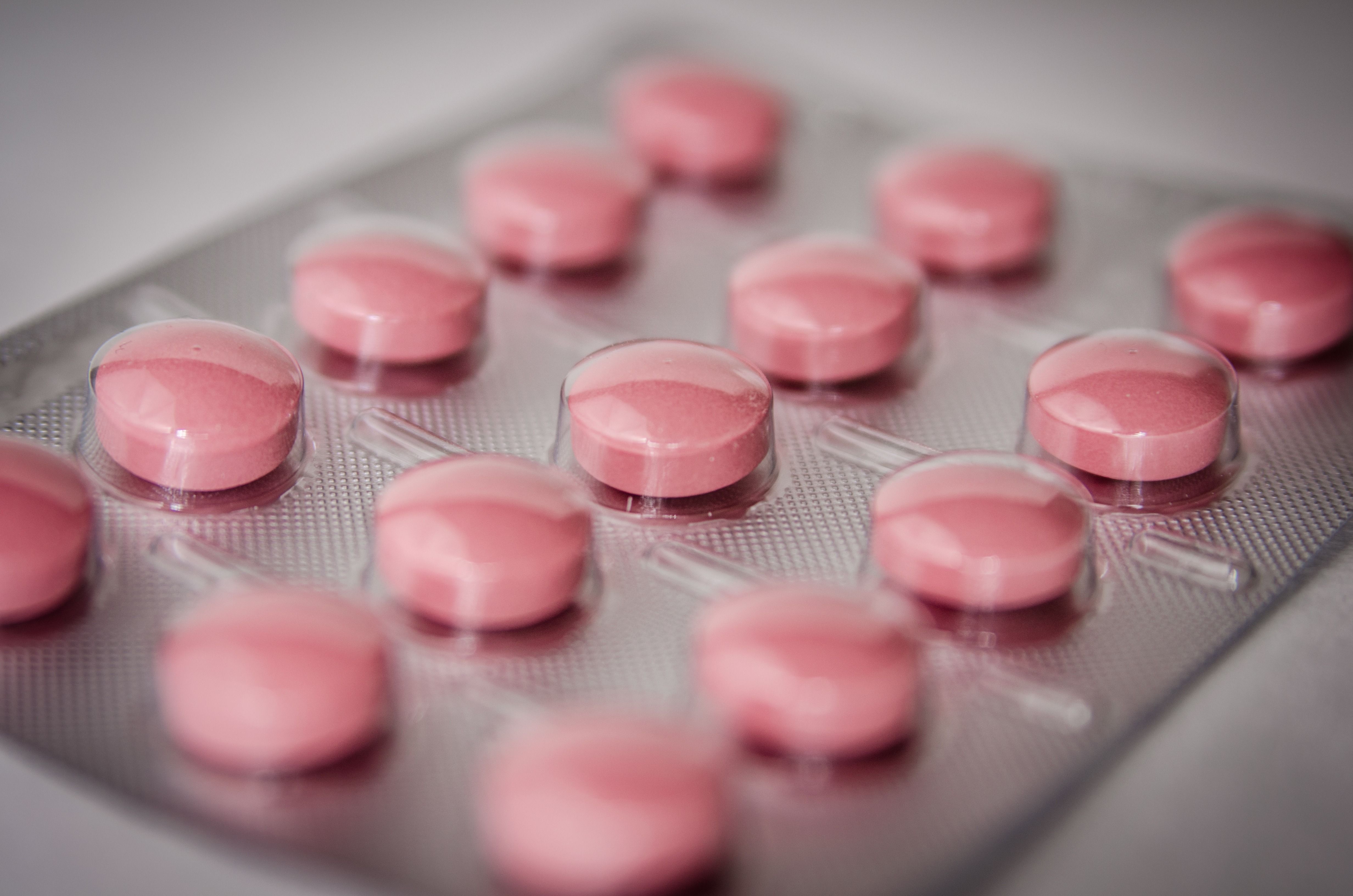
For years, the most talked-about medicine in Britain came with a needle. Anyone who wanted semaglutide — the drug sold for weight loss under the name Wegovy — learned a small weekly ritual: click the pen, pinch a fold of skin, inject, wait. On 11 June, the country's medicines regulator rewrote that routine. The Medicines and Healthcare products Regulatory Agency approved an oral version of semaglutide, a once-a-day tablet, making the United Kingdom the first country in Europe to license a GLP-1 weight-loss pill.
For a Kenyan nurse coming off a night shift on a geriatric ward in Luton, or a care assistant in Leicester who wires money home on the first of every month, the headline reads at first like ordinary health news. A pill instead of an injection. More convenient. Easier to start, easier to stay on. But convenience is rarely the whole story when a blockbuster drug meets a community that the same health system has already flagged as higher-risk — and that is precisely where Britain's African diaspora now stands.
What the Regulator Actually Approved
The approval covers a daily semaglutide tablet for adults with obesity, defined in the standard guidance as a body mass index of 30 or above, and for those who are overweight with a BMI between 27 and 30 plus a weight-related condition such as high blood pressure or type 2 diabetes. The dose is designed to climb gradually — starting low and stepping up over several months — to limit the nausea that has often accompanied the injectable version.
What the regulator's green light does not do is put the pill in pharmacies tomorrow. As of mid-June, the tablet is approved but not yet on shelves, and it is expected to arrive first through private prescription rather than the National Health Service. Whether the NHS will fund it at scale is a separate decision, resting with the National Institute for Health and Care Excellence, which is still reviewing the question. In other words, the science has moved faster than the system that decides who pays.
Why It Lands Differently for the Diaspora
Obesity is a national problem — close to 28 percent of UK adults are affected — but the risk is not spread evenly. Public-health research has long shown that people of Black African, African-Caribbean and South Asian heritage develop type 2 diabetes and related complications at lower body weights than white European populations. The difference is significant enough that NICE advises clinicians to use lower BMI thresholds for these groups: a reading of 23 is treated as a marker of increased risk and 27.5 as high risk, against the standard cut-offs of 25 and 30.
For the Kenyan diaspora, that is not an abstraction. It means a father in Birmingham who looks, by the old measure, merely "a little overweight" may already sit in a higher-risk band by the standard his own doctor is meant to apply. It means weight-related illness can arrive earlier and harder in exactly the families who are working long care-sector and NHS shifts, eating on the move, and sending a slice of every paycheck back to Nairobi or Kisumu. A medicine that helps manage weight is, for this community, also a medicine that touches diabetes, heart disease and the simple cost of staying well enough to keep working.
Two Doors Into the Same Treatment
Here is where the promise narrows. Because the pill enters through private prescription first, the earliest beneficiaries will be those who can pay out of pocket — and GLP-1 treatments have not been cheap. A diaspora household already balancing UK rent, childcare and remittances does not have an obvious line in the budget for a monthly private script.
The NHS door, meanwhile, is real but crowded. Anti-obesity medicines are available through specialist weight-management services for patients who meet the criteria, but the funding each local health board receives for them is fixed and not ring-fenced, and demand has consistently outrun supply. Reports of long waits and patchy access were common even before a more convenient pill arrived to widen the queue. The danger is a quietly two-tier outcome: a treatment that is medically most relevant to higher-risk communities reaching first the people who can most easily afford to skip the line.
The Body, the Budget and Back Home
There is a back-home dimension the diaspora feels keenly. The same metabolic shift driving demand in Britain is rising fast in Kenya, where urban diets, processed food and sedentary office work have pushed obesity and type 2 diabetes up the list of health worries in Nairobi and other cities. Relatives abroad are often the ones funding a parent's diabetes medication or a sibling's hospital bill, which means breakthroughs in obesity treatment are watched not only for what they offer in Luton but for when — and whether — they might ever be affordable in Eldoret.
For now, an oral semaglutide tablet remains a UK and high-income-market story. But the diaspora has learned to read these announcements on two clocks at once: what they change for the family here, and what they foreshadow for the family there.
What to Watch Next
The decision that matters most for ordinary households has not been made yet. NICE's verdict on NHS funding will determine whether the pill becomes a mass treatment or a private-tier convenience. Equally important is whether the rollout reflects the ethnicity-adjusted risk the guidance already recognises — whether outreach, eligibility and prescribing actually reach Black African and other higher-risk patients rather than only the most informed and best-resourced.
For Kenyan families in Britain, the practical takeaways are smaller and immediate: know that the risk thresholds your doctor should use are lower than the headline numbers; ask whether weight-management support is available on the NHS before assuming the only route is private; and treat any pill, oral or injected, as one tool alongside diet, movement and regular blood-sugar checks rather than a cure on its own. The tablet that arrived this month is a genuine advance. Who ends up holding it is still being decided.