Trained for a Door That Narrowed: How Britain's Tighter Visa Rules Meet Kenya's Surplus of Nurses
A bilateral promise sent the first Kenyan nurses to Oxford in 2022. Four years on, a glut of graduates at home runs into a higher bar at the British border.

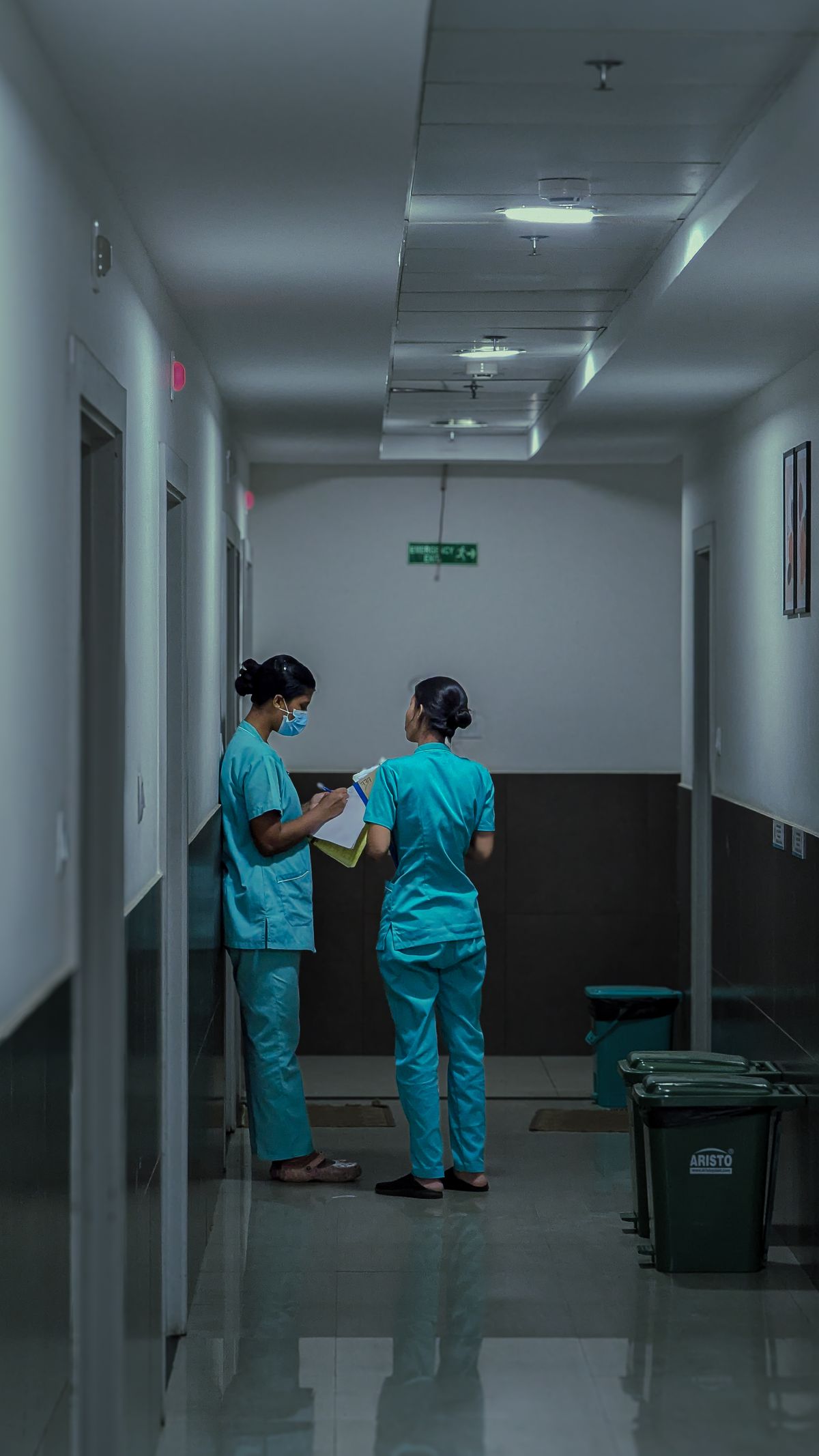
In a rented single room in Nairobi's Pipeline estate, a registered nurse keeps a folder she has carried for nearly three years. Inside are the documents that were meant to change her life: a Nursing Council licence, an English-test booking, a printout of the Kenya–UK agreement that her lecturers once described as a bridge to a British hospital ward. She qualified, she passed her papers, and then she waited. Her story is not unusual. It is, in many ways, the story of an entire cohort of Kenyan health workers who trained for a door that has been opening more slowly, and narrowing, just as they reached it.
The pull is real, and so is the push. Britain's National Health Service has leaned on overseas nurses for years, and Kenya has more newly trained nurses than its own hospitals can absorb. On paper, the match looks perfect. In practice, 2026 has made it more complicated than the brochures suggested.
A Promise Signed in 2021
The framework that sent Kenyan nurses toward the NHS is the Kenya–UK Bilateral Agreement on health workforce, signed in 2021. It was built to be an orderly, government-to-government channel rather than the chaotic, agent-driven recruitment that has burned so many African workers heading to the Gulf. The Kenyan Ministry of Health has repeatedly framed it as a way to "expand employment opportunities for Kenyan nurses in the UK market," and has convened the British High Commission, the Kenya Medical Training College and the Nursing Council of Kenya to try to accelerate it.
The agreement also nods to ethics. The UK recruits internationally under a code of practice aligned with the World Health Organisation's guidance on not stripping fragile health systems of their staff. For Kenya, the calculation was different: with thousands of qualified nurses unemployed at home, officials argued that managed migration was better than idle credentials and informal departures.
The Door to Oxford
The first concrete proof arrived in June 2022, when Kenya flagged off its first cohort of 19 nurses bound for the NHS, with the bulk of them joining Oxford University Hospitals. The then–health cabinet secretary urged graduates to think of themselves as "global citizens," to picture work beyond Kenya's borders. The British High Commission called the flag-off a milestone in the two countries' partnership.
For the families who watched relatives board those flights, it was more than symbolism. A nurse on an NHS Band 5 salary earns in a month what many would take far longer to assemble at home, and a portion of that pay flows back as remittances that cover school fees, hospital bills and small businesses. Each departure became a quiet promise to a household in Kakamega, Nyeri or Kisumu.
Why the Numbers Stopped Adding Up
The ambition was vast. Kenya spoke of deploying as many as 20,000 nurses to the UK over time, a figure that captured both the scale of the opportunity and the scale of the surplus at home. The reality has been more modest. By 2024, official reviews counted a few hundred nurses placed through the agreement and a backlog of others cleared but still waiting for posts.
The bottlenecks are familiar to anyone who has tried the route. Candidates must pass an English-language examination — the IELTS or its healthcare-specific cousin, the OET — that has tripped up large numbers of otherwise qualified applicants. There are registration checks with the UK's nursing regulator, police clearances, and the slow grind of matching a candidate to a sponsoring NHS trust. Each step is reasonable on its own. Stacked together, they turn a "global citizen" into a person who waits, sometimes for years, with a folder.
Britain Raises the Bar
Then the goalposts moved. In 2026, the UK tightened its Skilled Worker visa regime, pushing the general salary threshold for most sponsored roles well above £40,000 — a level few entry-grade jobs in any sector reach. For nursing, the picture is more forgiving but no longer simple. Clinical staff are recruited through the dedicated Health and Care Worker visa, which is exempt from that higher general threshold and is instead pegged to NHS pay scales, with a going rate for nurses in the region of £29,000 to £30,000.
That exemption is the reason the Kenya–UK pipeline has not simply closed. But the wider hardening of the system matters. NHS employers have voiced concern that successive rule changes and rising costs make international recruitment harder to plan, and the political mood in Britain has turned sharply toward lower migration numbers. For a Kenyan nurse weighing the route, the message is mixed: the specific door for health workers remains open, but the corridor leading to it is colder than it was.
The Surplus at Home
What gives the story its urgency is the arithmetic inside Kenya. The Kenya Medical Training College has been producing graduates in record numbers — a single recent cohort exceeded 22,000 — into a labour market that cannot hire them all. Public hospitals face hiring freezes and budget limits; counties struggle to absorb new staff. The result is the painful paradox of a country that is simultaneously short of nurses at the bedside and overflowing with nurses who cannot find a paid post.
That surplus is precisely what makes managed export attractive to policymakers, and precarious for the workers themselves. When demand abroad slows or rules tighten, it is the individual nurse — already in debt for training, already past her registration exams — who absorbs the delay.
What Hangs in the Balance
The diaspora dimension is not abstract. Remittances are among Kenya's largest sources of foreign exchange, and health workers abroad are a steady, skilled contributor to that flow. Every nurse who reaches a British ward becomes a small node in a network that supports relatives at home and, eventually, often returns with savings and experience.
But there is a harder question beneath the optimism. A system that trains tens of thousands of nurses partly for export, then watches a destination country raise its barriers, leaves real people stranded in between. For the nurse in Pipeline with her folder, the policy debate in London and the budget arithmetic in Nairobi are not headlines. They are the difference between a boarding pass and another year of waiting. The bridge built in 2021 still stands. The question for 2026 is how many will be allowed to cross it, and how long the rest will hold on.