The Outbreak Kenya Never Had: How Ebola Fear Abroad Is Closing Doors on Nairobi's Travellers
Kenya has run more than 80,000 Ebola tests and confirmed not a single case. Yet from Tel Aviv to the Gulf, its passengers are being turned away at the gate.

A Question That Did Not Exist a Month Ago
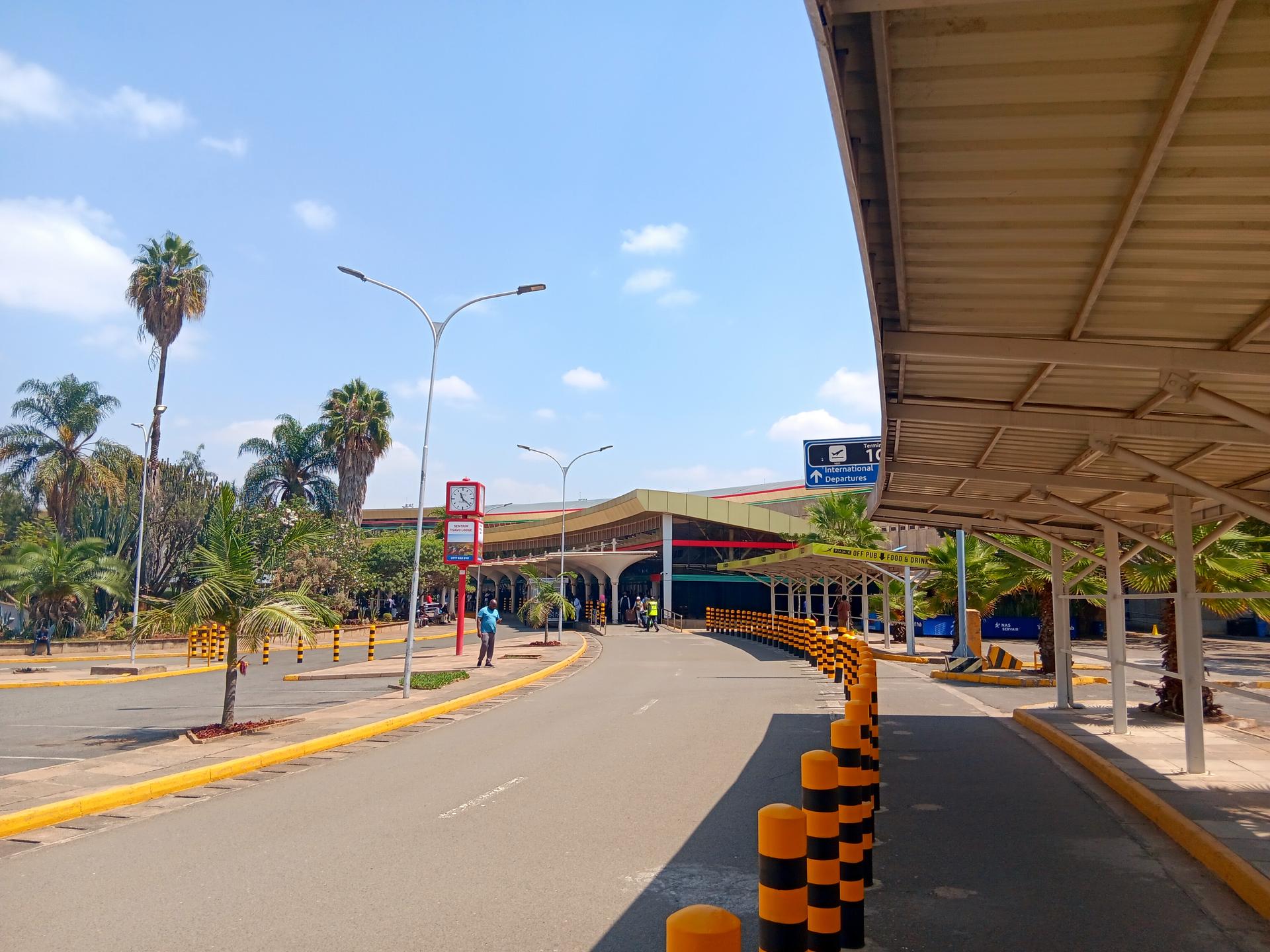
At a check-in desk inside Jomo Kenyatta International Airport, the script has quietly changed. Before a boarding pass prints for certain destinations, a ground agent now runs through a traveller's recent movements: Have you been to Uganda in the last three weeks? The Democratic Republic of Congo? South Sudan? For a Kenyan nurse heading to a Gulf contract, a student flying to a summer programme, or a trader bound for Tel Aviv, the questions land with a sting. They are not asked because the passenger is sick. They are asked because of where the passenger's passport is from.
Kenya has not recorded a single confirmed case of Ebola in the current outbreak. Government figures put the number of tests run at more than 80,000, all of them negative. And yet, over the past two weeks, Kenyan travellers have found themselves swept into a widening net of border measures designed for an epidemic that is unfolding hundreds of kilometres away, across two international frontiers.
An Outbreak With a Hard Border — and a Long Shadow
The epidemic itself is real and severe. The Democratic Republic of Congo declared an outbreak of the rare Bundibugyo strain of Ebola on May 15, and the World Health Organization has since tracked confirmed and suspected deaths in the hundreds across affected health zones, with more than 900 suspected cases reported in the DRC. Neighbouring Uganda has confirmed a small cluster of cases and at least one death. The WHO raised its national-level risk assessment for the DRC to "very high," while keeping the global risk rating low.
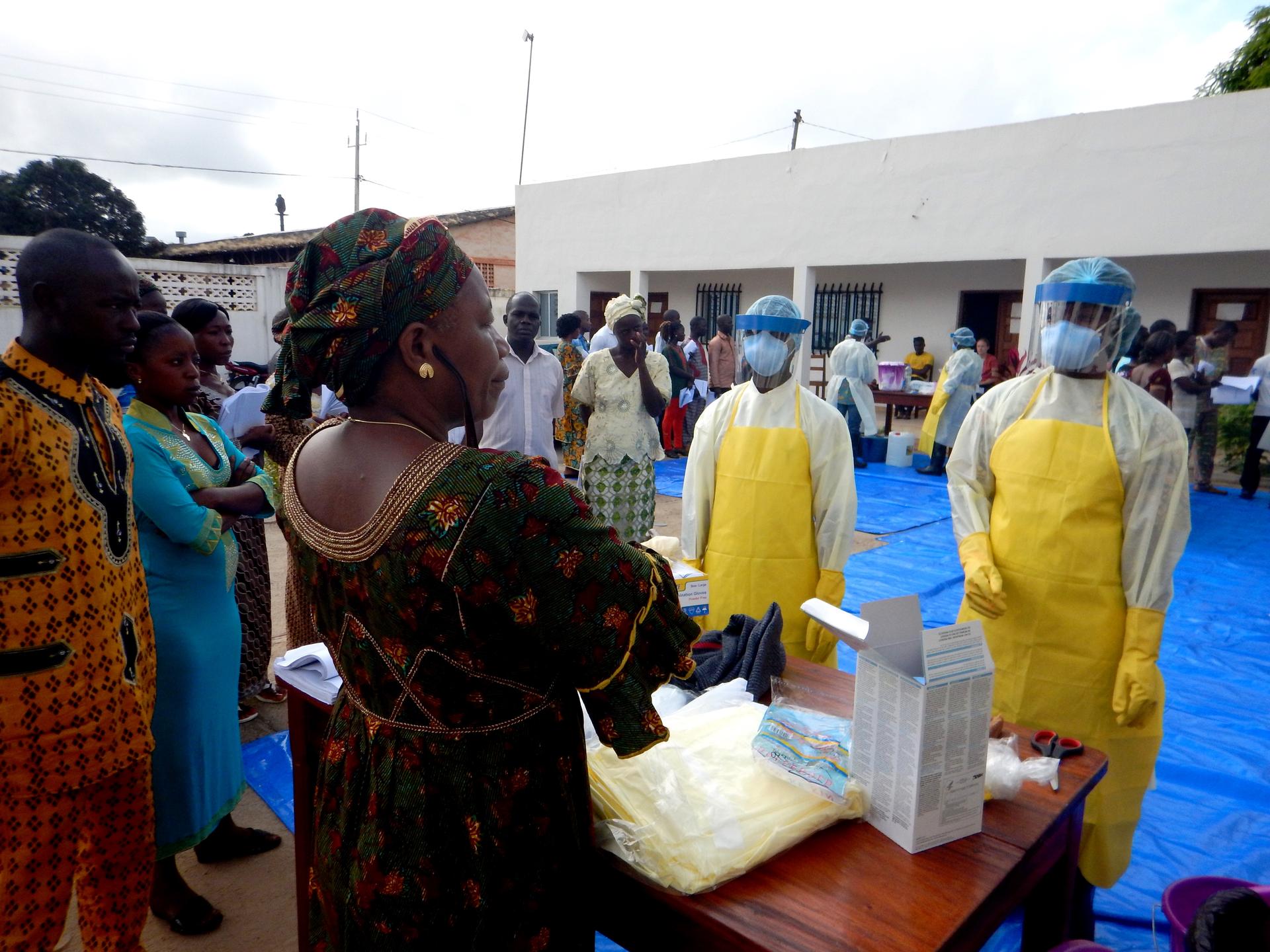
The response on the ground has been aggressive. Congolese authorities suspended flights to and from Bunia, one of the affected zones, while Uganda halted direct flights and closed bus and boat crossings with the DRC for several weeks. Those are containment measures applied where the virus actually is. The complication for Kenya is that fear travels faster than any pathogen, and it does not stop at the outbreak's borders.
The List Kenya Did Not Expect to Be On
The clearest example arrived from Israel. On June 10, Israel's Population and Immigration Authority announced that airlines must deny boarding to foreign nationals who had visited Kenya, Uganda, Rwanda, South Sudan or the Democratic Republic of Congo within the 21 days before travelling to Israel. Carriers were instructed to check passengers' recent travel histories before departure and to turn back anyone who did not qualify. The measure does not apply to Israeli citizens or residents.
For Nairobi, the inclusion of Kenya — a country with no confirmed infections — on the same list as the outbreak's epicentre was both a public-health insult and a diplomatic problem. On June 15, Kenya's Principal Secretary for Foreign Affairs, Abraham Korir Sing'Oei, issued a formal protest. "Kenya strongly protests the decision by Israel to include the country amongst those whose travellers it will restrict," he said. He pointed to the tens of thousands of negative tests and to Kenya's role in cross-border surveillance as evidence that the country belonged in the category of preparedness, not contagion.
The objection was not merely about pride. Officials in Nairobi warned that being grouped with affected nations risks painting a misleading picture of Kenya's health situation — one that could ripple outward into trade, tourism and the daily calculations of every Kenyan who needs to board a plane.
A Widening Net From Washington to the Gulf
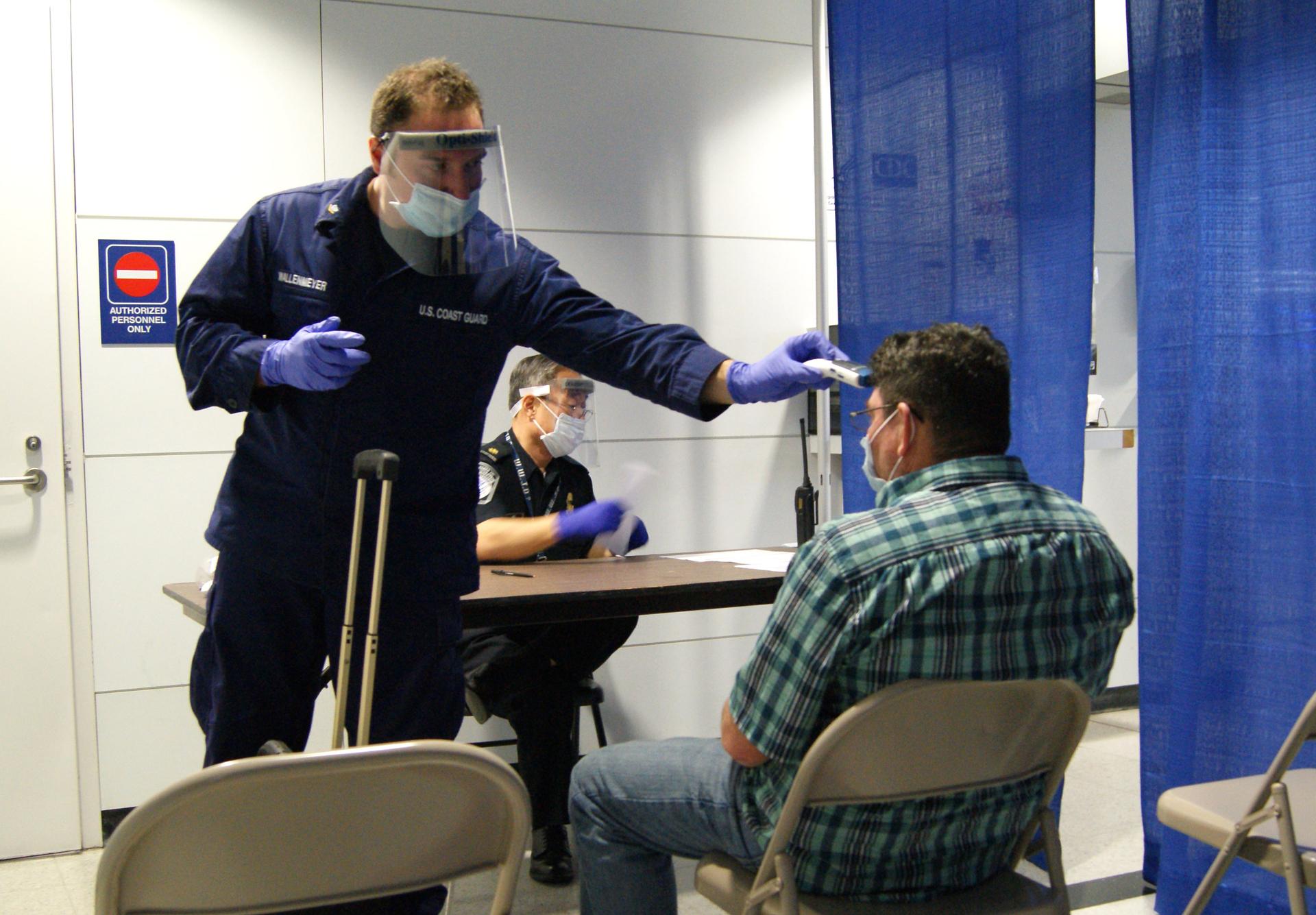
Israel is not alone. The United States barred non-citizens who had been in the DRC, Uganda or South Sudan within the previous 21 days, and the Centers for Disease Control and Prevention later extended that restriction to green card holders who had spent time in those countries. Returning American citizens have been funnelled through a short list of airports — Washington Dulles, Atlanta and Houston's George Bush Intercontinental — equipped for enhanced screening. Canada and the Bahamas announced their own temporary entry bans on residents of the three affected countries, lasting 90 and 30 days respectively.
The Gulf, where hundreds of thousands of Kenyans live and work, has moved as well. Jordan introduced an entry ban covering travellers who had recently been in the DRC or Uganda, and Bahrain barred arrivals who had passed through South Sudan, the DRC or Uganda. Dubai's Emirates, one of the principal carriers linking East Africa to the world, issued an Ebola travel advisory to passengers. None of these measures name Kenya as an outbreak country. But each adds a layer of paperwork, suspicion and delay to journeys that pass through Nairobi, and each raises the risk that a Kenyan traveller with a layover or a stamp from the region is caught by association.
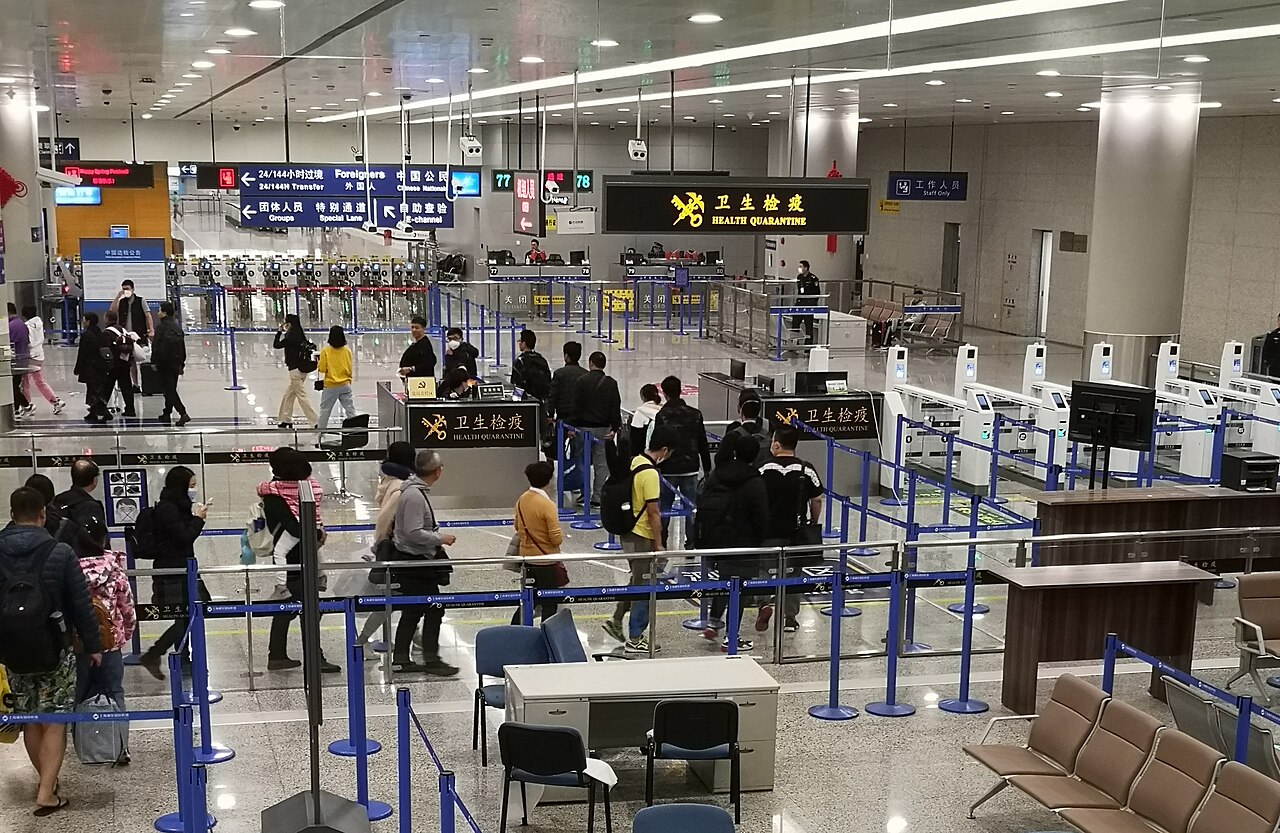
International aviation bodies have urged restraint. The International Civil Aviation Organization advised governments to focus on exit screening in affected countries rather than blanket entry bans, and to lean on the electronic health declarations refined during the COVID-19 pandemic. For now, it said, international flights remain safe. That guidance has not stopped individual governments from acting on their own anxieties.
The Diaspora Caught in the Middle
For the Kenyan diaspora, the practical consequences are immediate and uneven. A worker on a fixed Gulf contract cannot afford a 21-day window of uncertainty before reporting to a job. A family planning a summer reunion abroad must now weigh whether a connecting flight could trigger a denial of boarding. Health workers — among the most mobile of Kenya's professionals, and ironically the very people the world relies on during outbreaks — face the prospect of being treated as vectors rather than caregivers because of their nationality.
There is a deeper irony at the centre of the story. Even as Kenya is folded into other countries' restriction lists, it has agreed to host part of the international response. The United States is reported to be establishing a quarantine facility in the Laikipia area, near Nanyuki, to care for Americans exposed to the virus elsewhere in the region. The plan has stirred protest locally, and a teenager was fatally shot during demonstrations against the facility. Kenya, in other words, is being asked to shoulder the outbreak's burden and absorb its stigma at the same time.
What Nairobi Wants the World to See
Kenya's argument is straightforward: surveillance is not the same as infection, and a country that tests aggressively and finds nothing should not be punished for its own diligence. Eighty thousand negative tests, in this framing, are a sign of a functioning health system, not a warning label. Nairobi has reaffirmed its commitment to regional health security and asked partner governments to distinguish between nations battling an outbreak and nations helping to contain one.
Whether that message lands before the next traveller is turned away is an open question. Outbreaks end, but the reflexes they trigger — the lists, the boarding denials, the questions at the desk — tend to outlast the virus itself. For the Kenyans who move between Nairobi and the world, the hope is that the doors now easing shut will open again as quickly as they closed, and that a clean record will, in time, count for something at the gate.