The Border That Watches for a Fever: How Central Africa's Ebola Outbreak Is Redrawing Travel for Kenyans Abroad
As the region's Ebola epidemic passes 800 confirmed cases, screening desks and entry rules are quietly reshaping the journeys of a diaspora that lives between two homes.
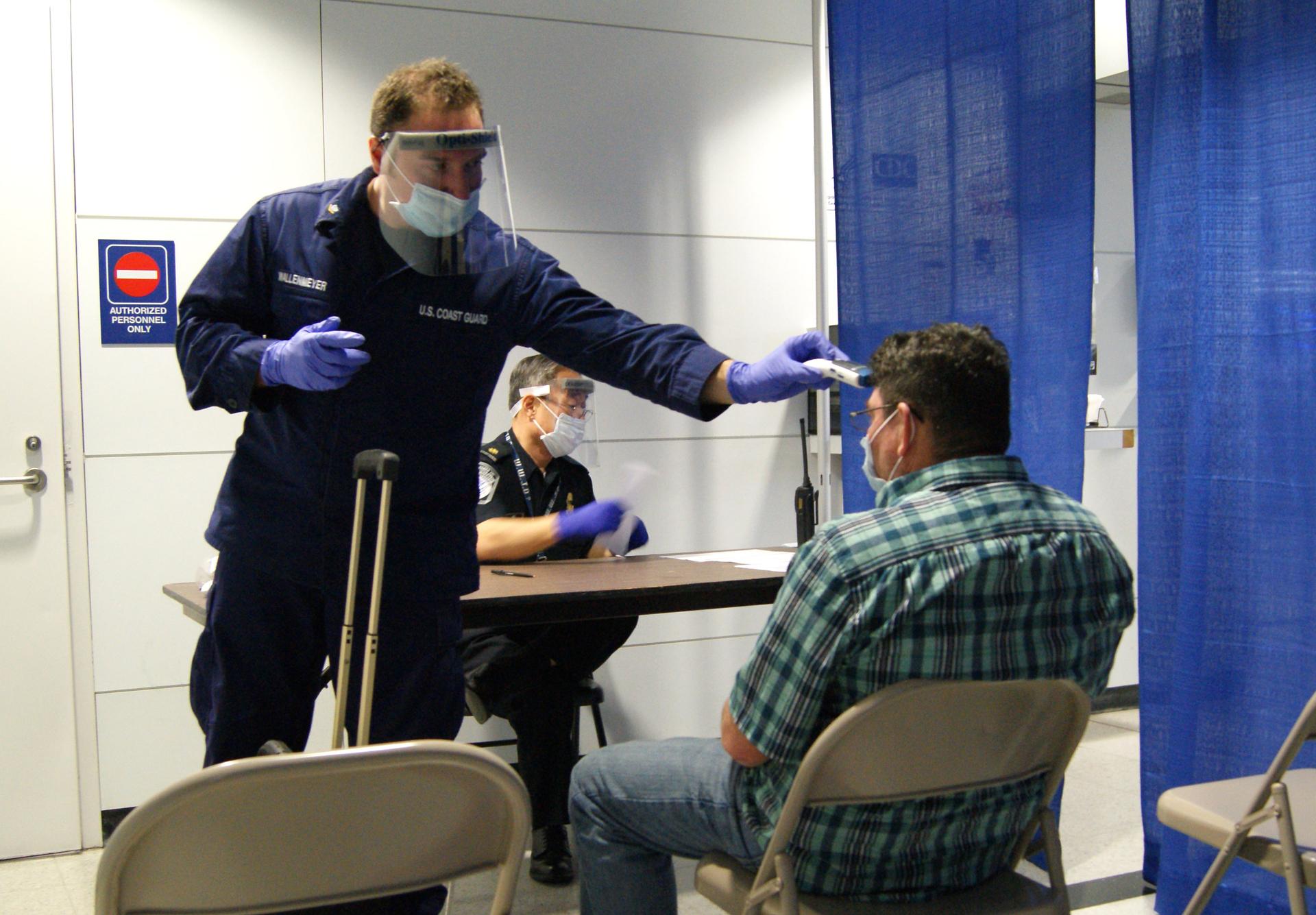
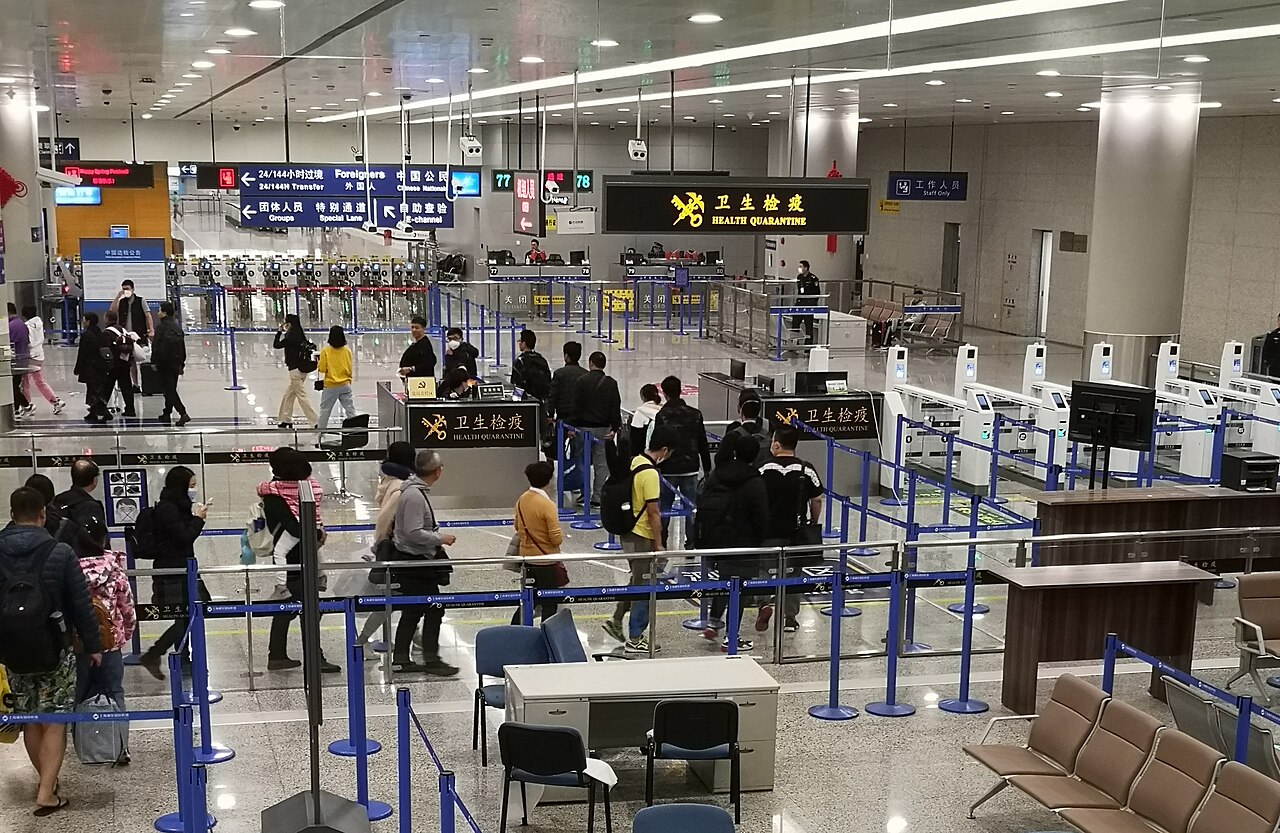
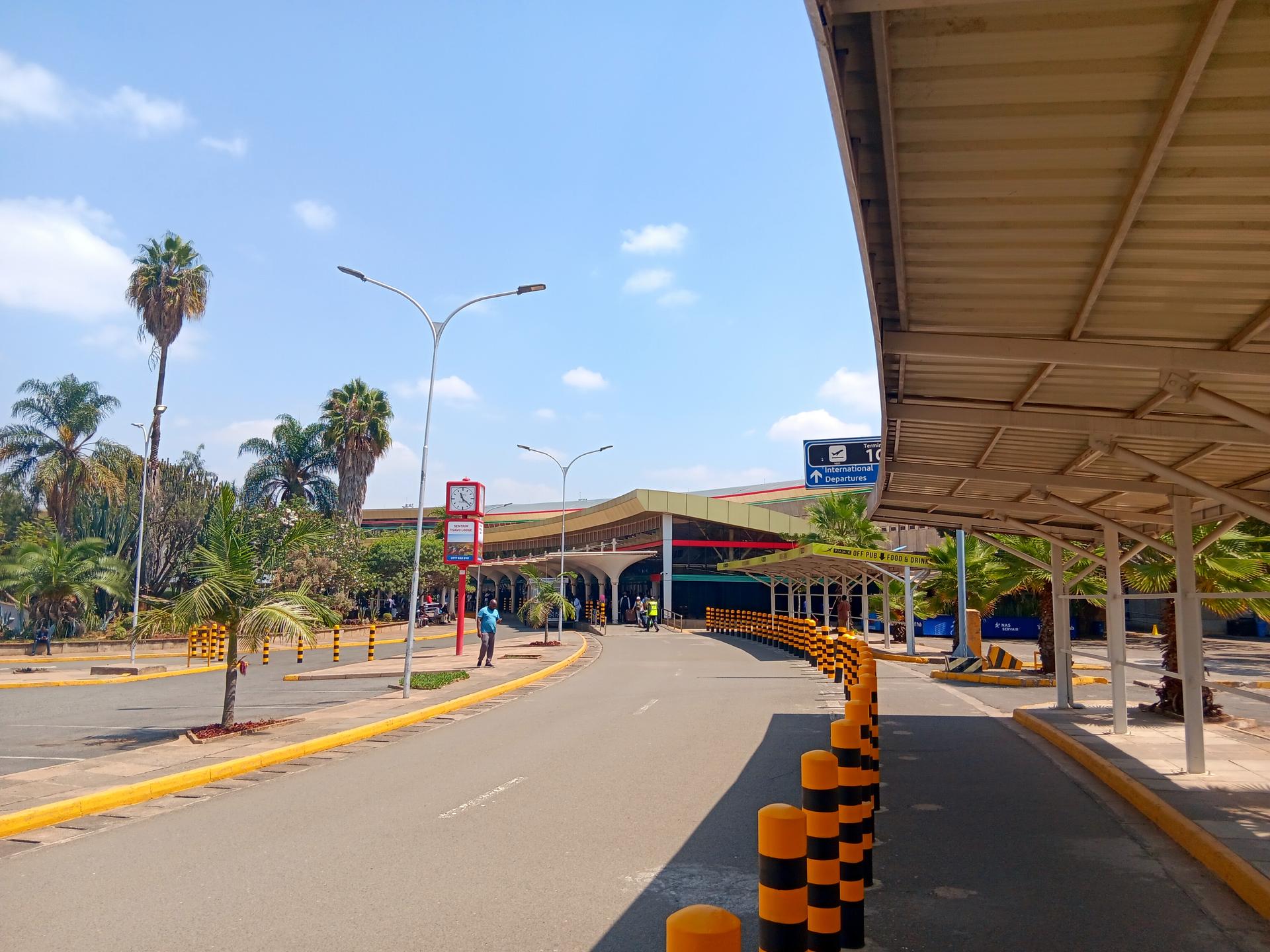
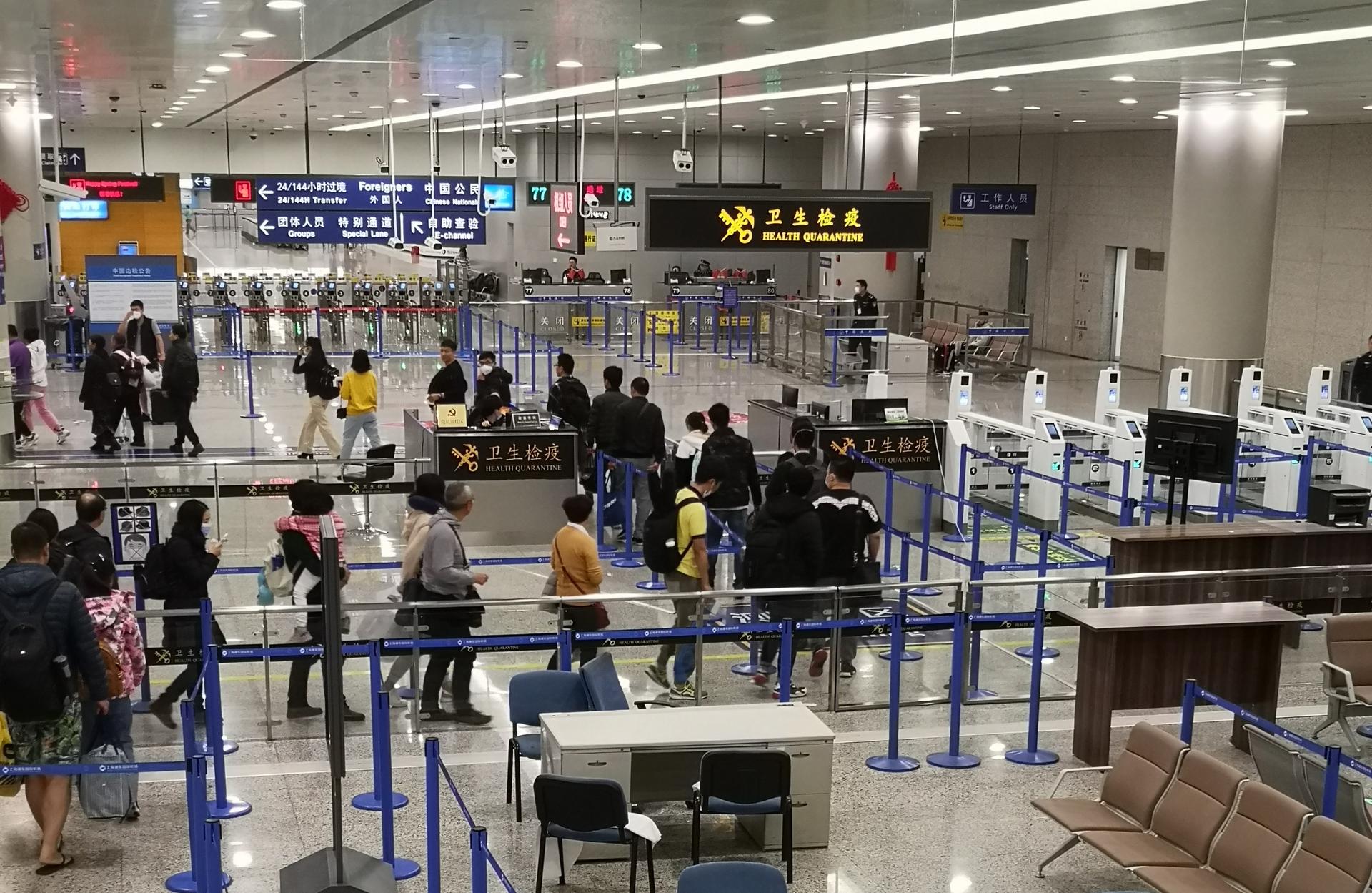
At a transit gate that millions of Kenyans abroad know by heart, the routine now begins before the passport is even opened. A traveller steps forward, a handheld thermometer is raised toward the forehead, and a printed form asks where they have been in the last three weeks. For a nurse flying out of Nairobi to a contract in the Gulf, or a student routing home through a regional hub, the questions are short. The pause they create is not.
That pause is the most visible sign of a health emergency that began far from any departure lounge, in the forests and clinics of eastern Democratic Republic of Congo, and has since rippled outward through the everyday logistics of a diaspora that lives suspended between two homes. The 2026 Ebola epidemic has not reached Kenya. But the rules written in response to it have, and they are quietly rearranging how Kenyans abroad travel, plan and reassure the families they left behind.
A regional emergency, measured in numbers
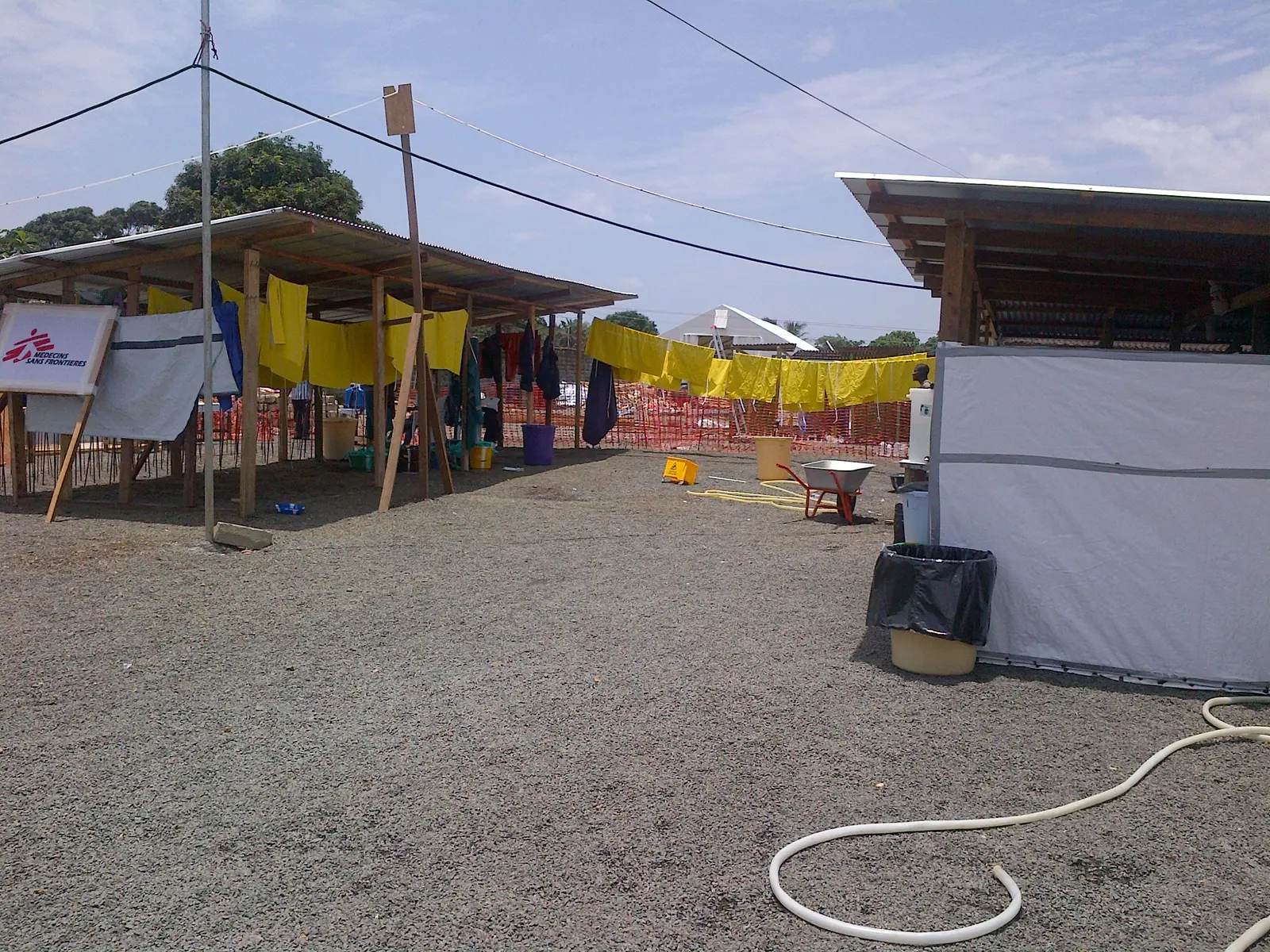
The outbreak, caused by the Bundibugyo species of the virus, was declared a Public Health Emergency of International Concern by the World Health Organization in May, the highest level of alarm the agency can raise. The classification is not symbolic. It unlocks coordinated funding, accelerates cross-border surveillance, and signals to governments worldwide that the situation warrants extraordinary measures.
The figures behind that decision have continued to climb. As of mid-June, health authorities in the Democratic Republic of Congo had recorded more than 830 confirmed cases and close to 200 deaths, with the eastern province of Ituri carrying the heaviest burden by a wide margin. Smaller numbers have been reported in North Kivu and South Kivu, and imported cases have been confirmed across the border in Uganda. International monitoring bodies, including agencies in Europe and North America, have echoed the WHO's assessment and published their own advisories for travellers.
What the numbers do not capture is the difficulty of the response itself. Parts of eastern Congo remain unsettled by armed conflict, which complicates the work of tracing contacts and delivering supplies to the communities that need them most. Containing an outbreak is hard everywhere; it is harder where responders cannot safely reach the sick.
How the rules reach a diaspora that never left home
For Kenyans living in the United States, the United Kingdom, Canada, the Gulf and beyond, the epidemic has arrived not as a virus but as paperwork. Several governments have introduced entry measures aimed at travellers with recent presence in the affected countries. The United States, among others, has restricted entry for arrivals who have been in the Democratic Republic of Congo, Uganda or South Sudan within the previous three weeks, and has flagged enhanced screening for some travellers routed through the region.
These measures are written around geography, not nationality, and Kenya itself is not on the restricted list. But geography is exactly where the diaspora lives its complications. Regional travellers often connect through hubs that touch the affected zone, visit relatives across porous borders, or hold the kind of layered itineraries that a 21-day lookback was never designed to read cleanly. A green-card holder who spent a fortnight in Kampala for a family funeral can find that an ordinary trip has acquired an asterisk.
Kenya has also faced the blunt end of precaution from abroad. Earlier this month, a senior official in the Ministry of Foreign and Diaspora Affairs publicly rejected travel restrictions imposed by another government that had grouped Kenya with the outbreak countries, arguing that the country has recorded no confirmed cases and that screening-based caution should not harden into blanket bans on Kenyan travellers. It was a reminder of how quickly a regional emergency can be flattened into a single, unflattering label at someone else's border.
Nairobi's message to its citizens abroad
The Kenyan government's response to the diaspora has leaned on guidance rather than alarm. The State Department for Diaspora Affairs urged Kenyans living in or transiting the affected regions to take precautions, follow the health advisories of their host countries, and rely on official channels rather than rumour. The advice itself is unglamorous and familiar from earlier outbreaks: wash hands regularly, avoid contact with anyone showing symptoms or with the bodily fluids of the sick, and seek medical care promptly if fever, weakness, vomiting or unexplained bleeding appear after travel to an affected area.
Alongside the guidance, the ministry pointed citizens toward a round-the-clock diaspora response line and its official diaspora affairs channels, framing them as the place to confirm what is true before sharing what is frightening. Health officials have repeatedly stressed a quieter point as well: that stigma and misinformation can undermine an outbreak response as surely as the virus itself, turning travellers from affected regions into suspects and discouraging the honest disclosure that screening depends on.
The cost that does not appear on a ticket
For families, the epidemic has added a layer of logistical anxiety to journeys that were already expensive and emotionally heavy. A trip home is rarely just a holiday for the diaspora; it is a wedding, a burial, a parent's illness, a duty that does not wait for an outbreak to subside. The new screening lines and entry questions do not cancel those obligations. They simply make them harder to plan with confidence.
There is an economic shadow, too. Disruption to regional travel and conferences — including the postponement of at least one major international summit because of the health situation — is a reminder that outbreaks levy a tax far beyond the clinic, falling on movement, trade and the countless small remittance-driven trips that knit the diaspora to home. For households that budget carefully around a single annual visit, uncertainty itself is a cost.
What to watch in the weeks ahead
The most reassuring fact remains the simplest: Kenya has reported no confirmed cases, and its measures are precautionary. The most important variable is whether responders in eastern Congo can keep the outbreak from expanding into new health zones, a containment that recent updates suggest has so far held even as case counts rise within already-affected areas.
For the diaspora, the practical guidance is steady rather than dramatic. Travellers with itineraries that touch the affected countries should check the current entry rules of every government on their route, keep documentation of where they have been, and treat official health and foreign-affairs channels as the first source of truth. The thermometer at the gate is not a verdict. It is a question — one that a well-prepared traveller can answer without fear, and one that, for now, most Kenyans abroad will answer in the negative.