The Morning the Roads Closed: Saba Saba Dawns on a Nairobi Ringed by Checkpoints
Police sealed Nairobi's arteries at dawn as Saba Saba arrived — and from Dallas to Doha, Kenyans abroad refreshed their feeds, called home and waited to see which way the day would tip.
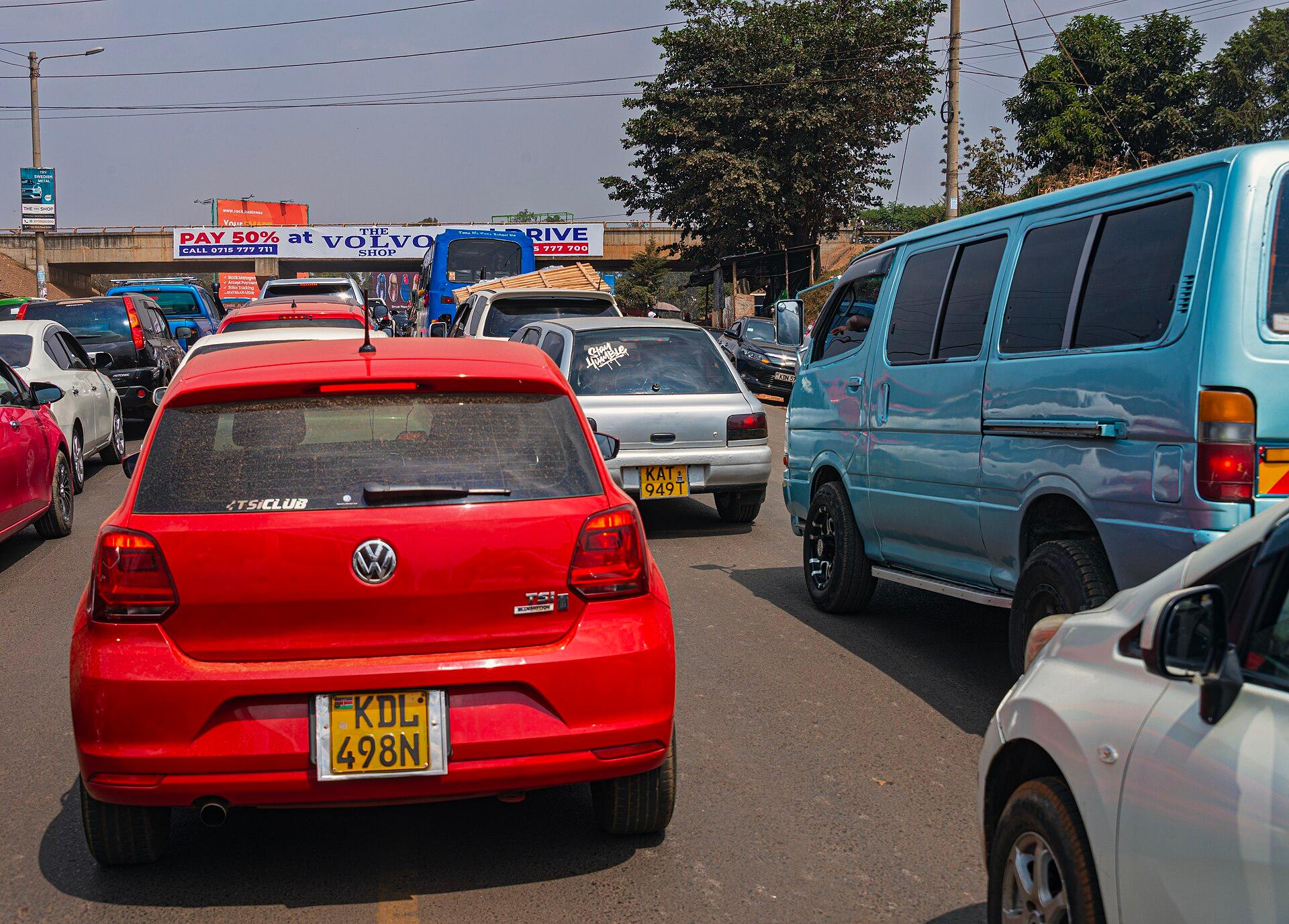
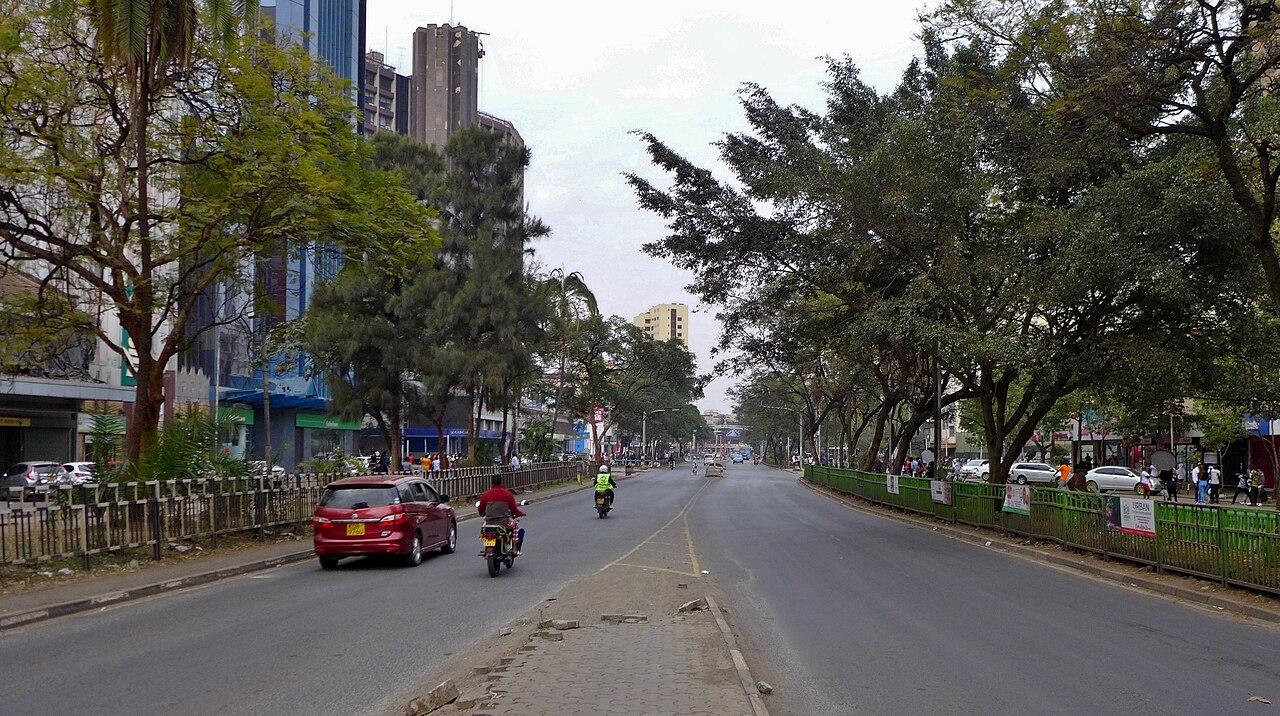
The sun had barely cleared the rooftops along Thika Road on Tuesday morning when the queues began to form. At Blue Post, at Ruiru, at Githurai, at Allsops, matatus and private cars slowed into single file while officers in reflective jackets leaned into windows, waving some vehicles through and directing others onto the shoulder. In some sections, according to a spot check reported by Kenyans.co.ke, passengers were told to step down and continue on foot past the barriers. For thousands of Nairobi commuters, the seventh of July began not with a march, not with a chant, but with a wait.
It is Saba Saba — seven seven — the day Kenya remembers the 1990 protests that cracked open the one-party state and set the country on the long road to multiparty democracy. Thirty-six years later, the anniversary arrived to find the capital ringed by police checkpoints, its main arteries narrowed to a crawl, and its people — those in the city and the millions connected to it from abroad — watching to see which way the day would tip.
A Statement at Dusk, a Gridlock at Dawn
The operation had been announced the evening before. In a public notice issued on Monday, the National Police Service said there would be "enhanced police checkpoints on various roads within Nairobi city" on 7 July, describing the measure as necessary "to control both human and vehicular movement."
The service pointed to history as its justification. "In light of past experience during the Sabasaba commemoration," the statement read, "some members of the public have caused breaches of the peace, thereby interfering with the normal conduct of business for those not participating in the demonstrations." It closed with a warning that has become familiar to Kenyans over successive protest seasons: members of the public should "obey and cooperate" with officers, and any unlawful acts "shall be met with the full force of the law."
By Tuesday morning the promise had become asphalt reality. Roadblocks appeared on Thika Road, Jogoo Road, Kiambu Road, Outer Ring Road and Lang'ata Road, at the Pangani Interchange, and — significantly for anyone flying in or out of the country this week — on the roads leading to Jomo Kenyatta International Airport. Long snarl-ups built up behind each checkpoint as both private vehicles and public service vehicles were stopped and searched.
"We Have Never Been Notified"
Beneath the traffic jams lies a legal standoff that has hardened over the past several days. Nairobi Regional Police Commander Issa Mohamud insisted on the eve of the anniversary that police had received no formal notification of any planned demonstration, as required under the Public Order Act. "We are hearing about it on social media," he told a press briefing. "We have never been notified. This is the correct position." Any gathering, he said, would therefore be treated as unlawful.
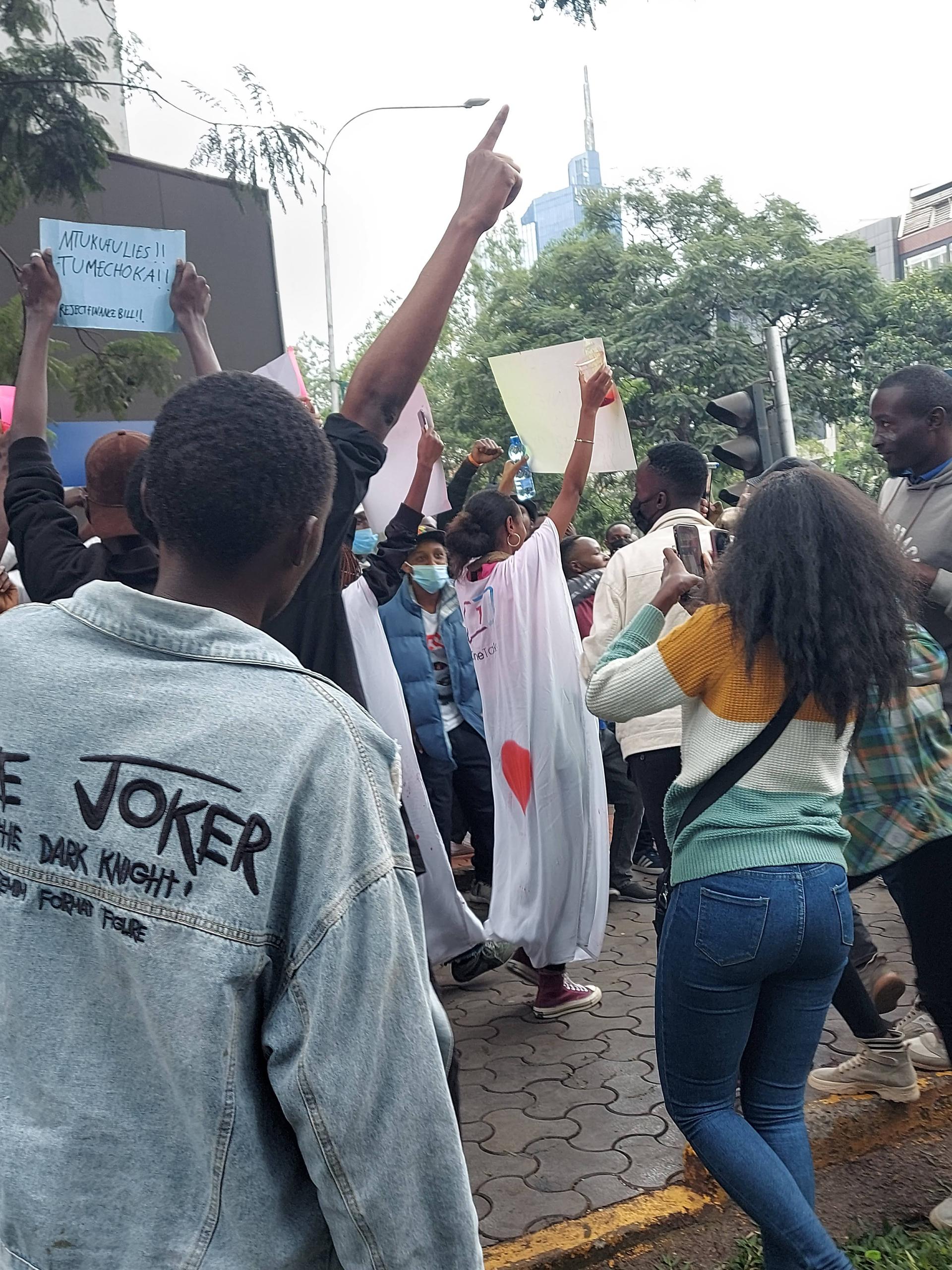
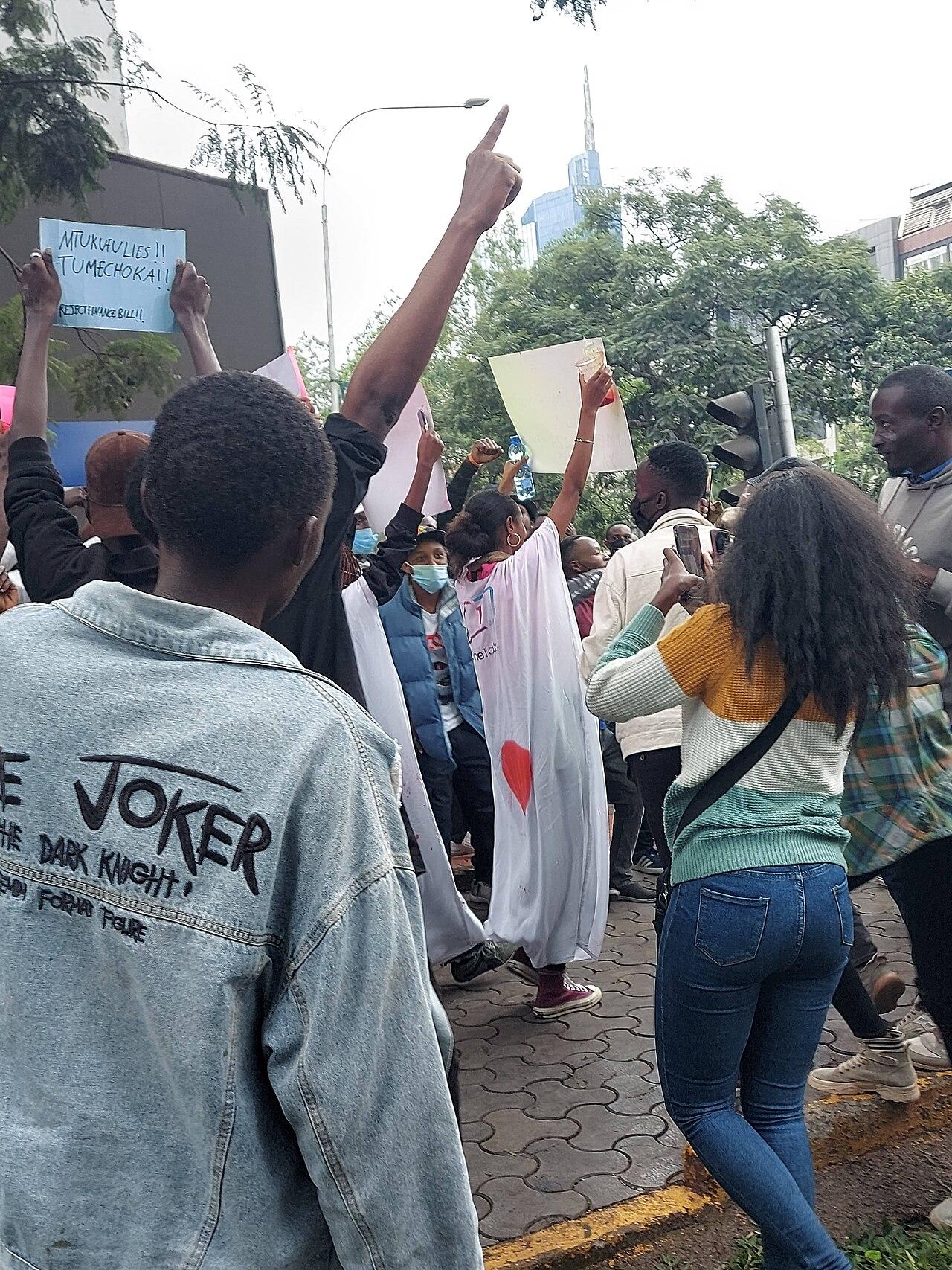
The organisers — a coalition of human rights organisations — tell a different story. They say the required notices were delivered on Friday to both the Nairobi regional commander's office and the Office of the Inspector-General of Police. Their plans, widely reported ahead of the day, describe a peaceful, orderly and unarmed procession of between one thousand and three thousand people from Jeevanjee Gardens to Parliament.
The marchers' demands are not new, but they are pointed: an end to alleged extrajudicial killings, enforced disappearances and arbitrary arrests, and the prosecution of officers implicated in unlawful use of force. The dispute over a single piece of paperwork — filed, the organisers say; never received, the police say — has become the hinge on which the legality of the entire day swings.
Thirty-Six Years of Seven Seven
Saba Saba carries a weight in Kenya that few other dates can match. On 7 July 1990, Kenyans defied the government of the day to demand an end to single-party rule, in protests whose leaders paid with detention and whose momentum helped force the constitutional change that restored multiparty politics the following year. The day has been reclaimed by each generation since — most recently by the young, digitally organised protest movement that has reshaped Kenyan street politics over the past two years.
That recent history is also why Tuesday's checkpoints inspire unease rather than reassurance in many quarters. Last year's Saba Saba demonstrations turned deadly, with international media reporting at least eleven people killed as police confronted crowds in Nairobi and other towns; rights groups put the toll higher. The memory of that day — and of the funerals, inquests and unanswered questions that followed — shadows every barrier erected this morning.
The Feed Refreshed in Dallas, the Call Placed From Doha
For the Kenyan diaspora, Saba Saba is no longer something learned about after the fact. It unfolds live, on the same phones that carry money home. Through Monday night in North America — where it was still evening when Nairobi's roadblocks went up — Kenyan WhatsApp groups filled with screenshots of the police notice and first-hand reports from relatives stuck in traffic. In the Gulf, where hundreds of thousands of Kenyans were beginning their workday alongside Nairobi's, the checkpoints were morning news.
The diaspora's role on days like this has grown well beyond spectating. Kenya's recent protest movements have been organised, streamed and memorialised online, and Kenyans abroad have been amplifiers of that record: resharing footage, checking on parents who commute through the affected corridors, and quietly wiring extra money when a day of closed shops and stalled matatus costs a family its earnings. When the streets are contested, the remittance economy feels it within the week.
The Road to the Airport
One detail in Tuesday's roadblock map matters especially to readers abroad: the routes to JKIA are among those under checkpoint control, in the middle of the July peak season for diaspora travel. Anyone flying into or out of Nairobi in the coming days should assume that the journey to the airport will take considerably longer than usual, and that vehicles may be stopped and checked along the way. A strike notice issued this week by a section of transporters adds a further layer of uncertainty to the movement of goods and people.
What happens next depends on the hours ahead: whether the march from Jeevanjee Gardens proceeds, how the police at those checkpoints respond, and whether the city that was sealed at dawn is reopened by dusk. Saba Saba has always been a day when Kenya measures the distance between the democracy it demanded in 1990 and the one it lives in now. This year, that measurement is being taken one roadblock at a time — and watched, minute by minute, from every city where Kenyans have made a second home.