The Roll of Names Still Waiting for a Courtroom: Two Years On, Kenya's Diaspora Watches the Gen Z Reckoning Stall
Two years after the Finance Bill uprising, only three of 62 police-linked killings have reached court — and Kenyans abroad are watching the courtroom doors.
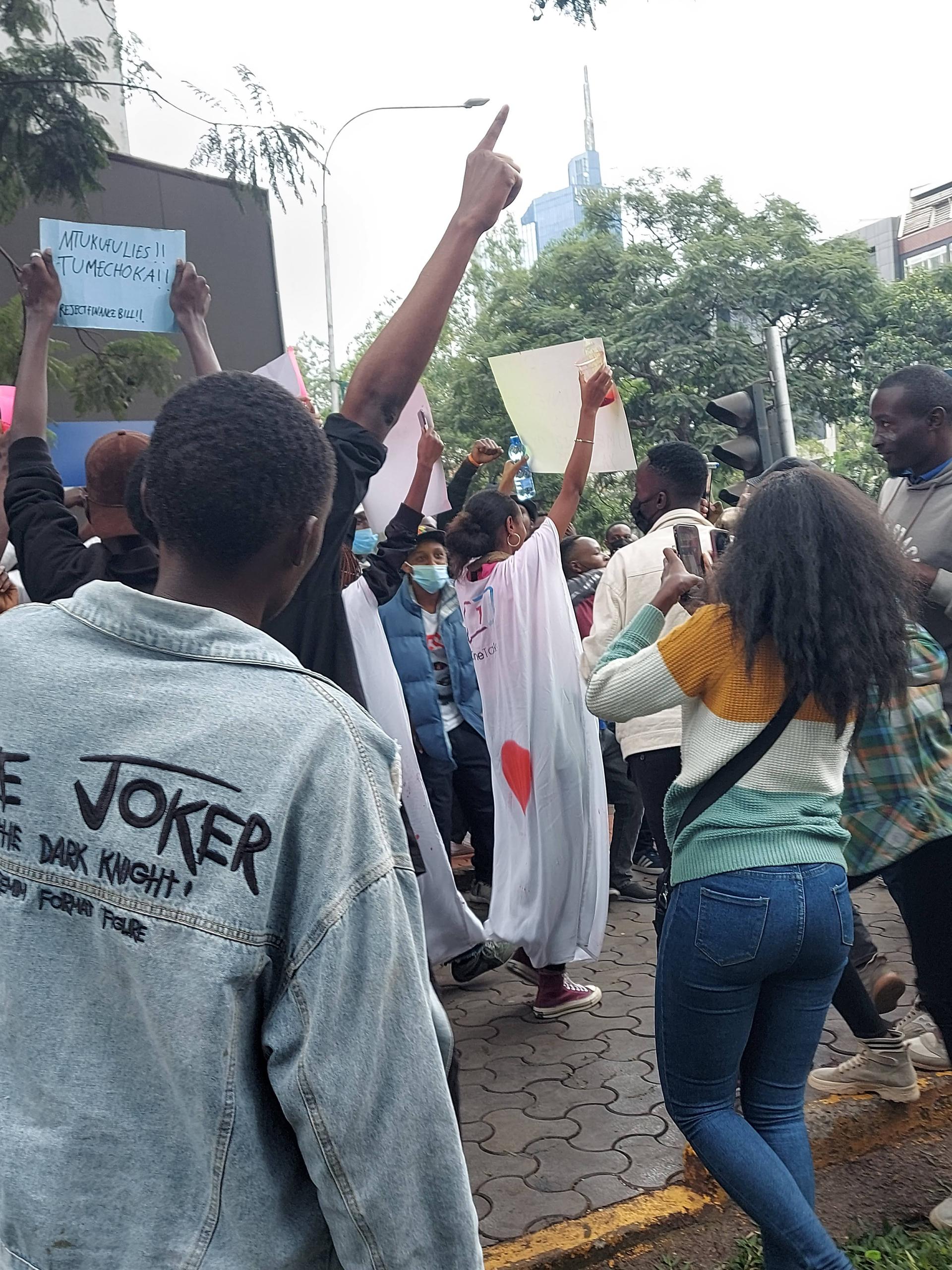
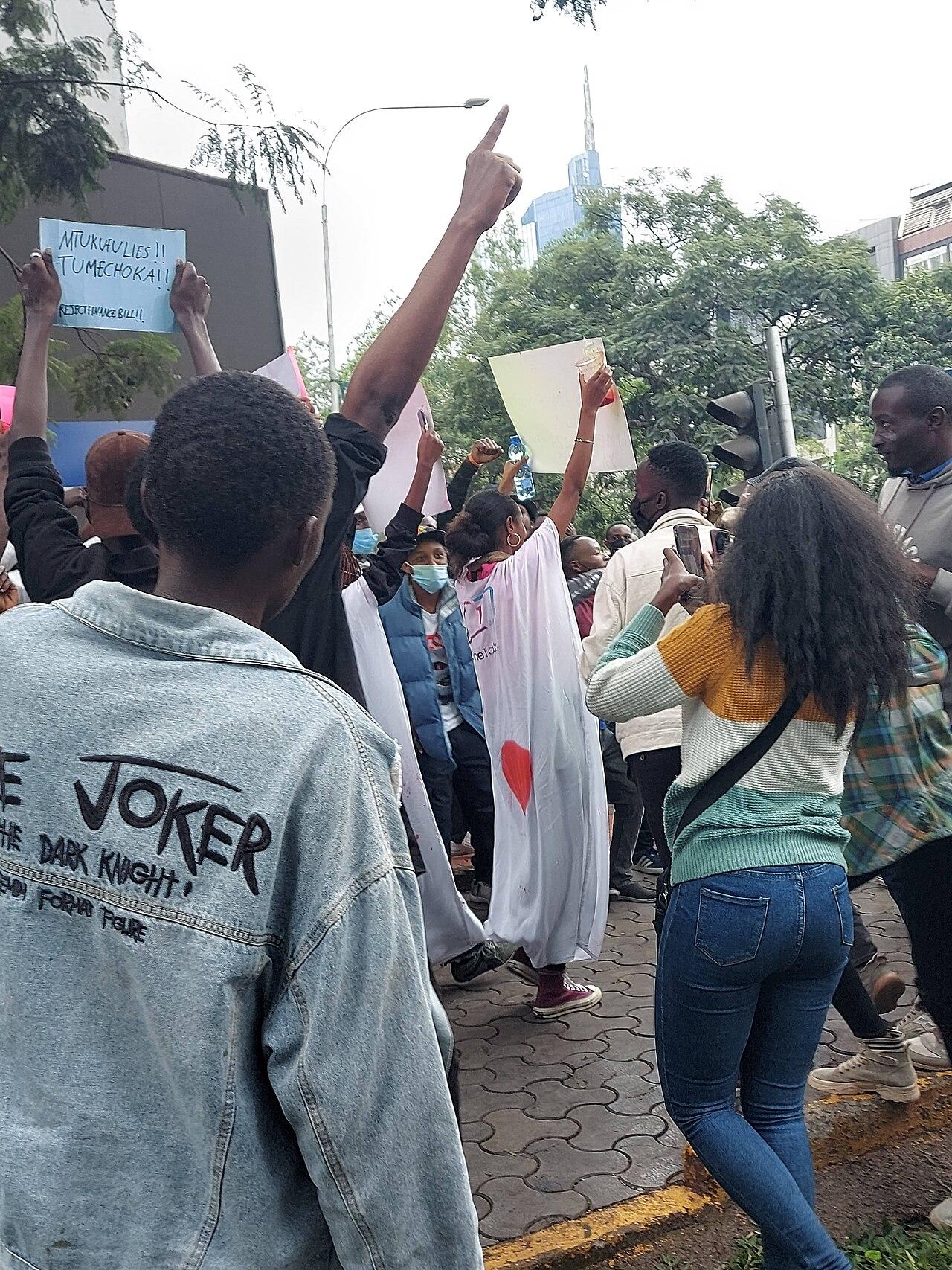
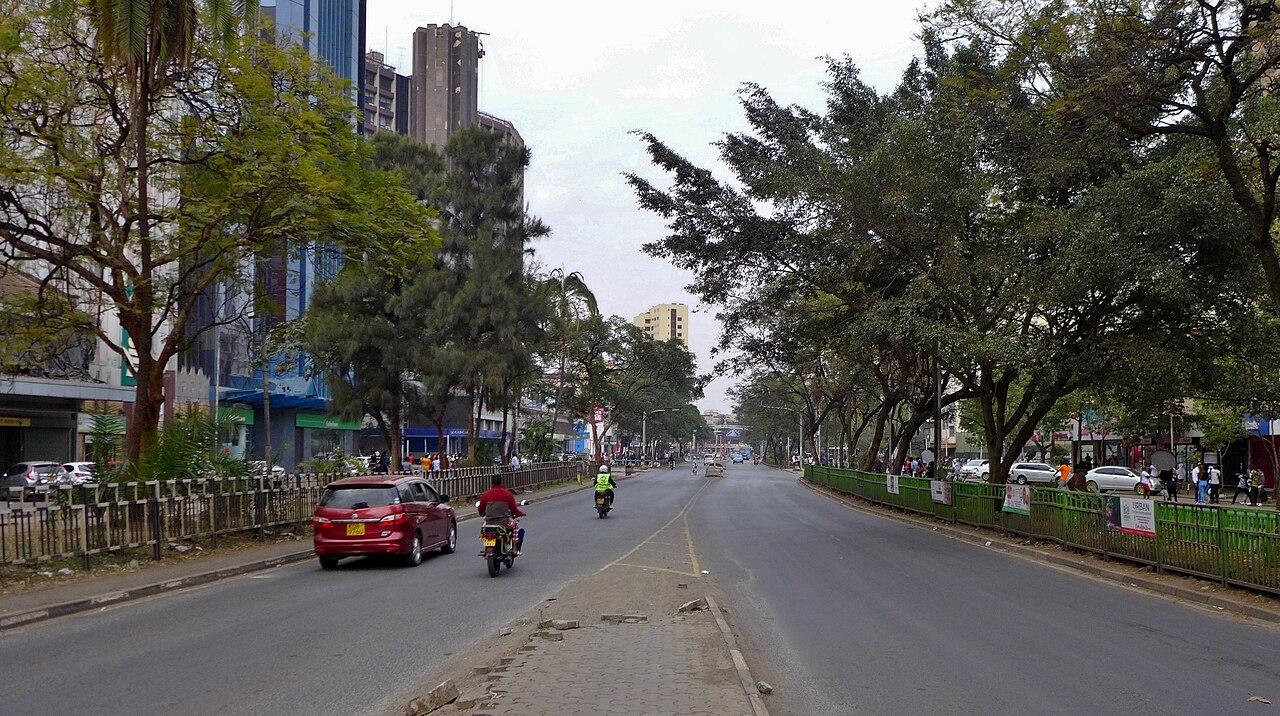
By the time the sun cleared the rooftops over Nairobi on the morning of June 25, the city had already been cut into pieces. Police had thrown roadblocks across the major arteries into the central business district, turning the daily commute into a slow shuffle and keeping thousands of workers and traders out of the heart of the capital. It was the second anniversary of the day in 2024 when a generation of young Kenyans pushed past the barricades and into Parliament itself, and the state was taking no chances.
Far from those roadblocks, in apartments in Dallas and Manchester and Doha, Kenyans abroad were doing what they have done for two years now: refreshing their phones, watching the livestreams, counting the names. The diaspora helped carry the 2024 uprising onto the world's screens, and it has been slow to look away. What it sees this anniversary is not a verdict but a wait.
A Roll of Names That Has Not Reached a Courtroom
The hardest number of this anniversary is a small one. Of the 62 deaths linked to police during the 2024 Finance Bill protests, only three criminal cases have reached court, the Daily Nation reported this week. Two years of inquests, promises and commissions have produced a justice trail that, by that count, has barely begun.
For families, the arithmetic is brutal in its simplicity. Each of those 62 names belonged to someone — a student, a boda boda rider, a first-born sending money home, a child who went to watch and did not come back. Two years on, the overwhelming majority of those deaths sit in a kind of legal limbo: documented by rights groups, mourned by relatives, but untested in a courtroom where someone might finally be named, charged and judged.
It is precisely this gap — between the scale of the loss and the thinness of the prosecution — that has kept the anniversary from becoming mere commemoration. The dates are observed, the candles are lit, and then the same question returns: who will answer for this, and when.
What the Diaspora Carried
The Kenyan diaspora's stake in this story is not abstract. When the protests erupted in June 2024, Kenyans in Washington, London, Toronto and the Gulf organised solidarity marches outside embassies and consulates, amplified hashtags that briefly outran the government's messaging, and pooled money for the medical bills and legal fees of the injured and arrested. For a movement that was deliberately leaderless at home, the diaspora became one of its loudest and most resourced amplifiers abroad.
That involvement did not switch off when the tear gas cleared. Remittances — the lifeline that the Central Bank now counts in the hundreds of billions of shillings each year — quietly funded some of the very families now waiting on the courts, covering funerals, school fees for children left behind, and the travel of relatives chasing paperwork between morgues and police stations. For many in the diaspora, the accountability fight is not a news item. It is a relative's case file.
The Mothers Still Waiting
The most unguarded grief this week belonged to the mothers. In Nairobi, women who lost sons in June 2024 gathered again to relive the pain of that day, the Daily Nation reported, their testimony a reminder that an anniversary is not closure but the reopening of a wound on schedule.
Their stories travel well across the ocean because so many diaspora families recognise the shape of them: a young person who left a small town for the city or the world, a phone that stopped answering, a long-distance scramble for information through relatives and WhatsApp groups. The diaspora has spent two years as a kind of distributed support network for these households, and the mothers' continued public mourning is, in part, a message to that network that the matter is not settled.
A State That Locked Down the City
The government's posture this anniversary was defensive. Beyond the CBD roadblocks that snarled Nairobi, the run-up to June 25 saw rights groups issue a seven-point advisory to demonstrators and bystanders, a document that itself signalled how fraught the day was expected to be. Veteran politician James Orengo drew crowds as he moved through the city carrying the Kenyan flag, a piece of pointed symbolism on a day when the state was busy restricting movement through the same streets.
For Kenyans watching from abroad, the lockdown of the capital read as its own kind of answer. A government confident in its account of 2024 would have less reason to wall off the city on the day the country remembers it. The optics of barricades on an anniversary of barricades were not lost on a diaspora that has become fluent in reading the gap between official reassurance and on-the-ground reality.
Why Accountability Travels
It would be easy to file this as a domestic Kenyan story that the diaspora merely observes. That underestimates how tightly the two are bound. The same generation that filled the streets in 2024 is the one weighing whether to build a future at home or join the millions who have already left — and the credibility of Kenya's institutions is part of that calculation. Unresolved killings are not only a justice question; they are a migration signal.
There is a political dimension, too. As the country edges toward the 2027 election cycle, the diaspora's own long campaign for meaningful overseas voting runs on the same fuel as the accountability movement: a demand that the Kenyan state treat its people, at home and abroad, as citizens owed answers rather than subjects to be managed. A justice system that cannot move 62 cases in two years is, to that audience, evidence in a larger argument about whether the state can be trusted to count anything fairly — votes included.
The Anniversary That Refuses to Close
Two years is long enough for an event to harden into history. June 25 has not. The roadblocks, the mothers' testimony, the rights advisories and the single-digit count of cases in court all describe a reckoning that has been postponed rather than resolved. For the Kenyan diaspora — which marched for this cause, paid for its casualties and continues to track its court dates from a dozen time zones — the anniversary is less a memorial than an unpaid invoice. The candles will be lit again next year. The question is whether, by then, there will finally be something to read in a courtroom besides the names.