The City That Went Quiet: How Kenya's Diaspora Marked Two Years of the Gen Z Uprising From Afar
As police sealed off Nairobi on the second anniversary of the 2024 protests, Kenyans abroad watched, mourned, and asked what the movement has changed.
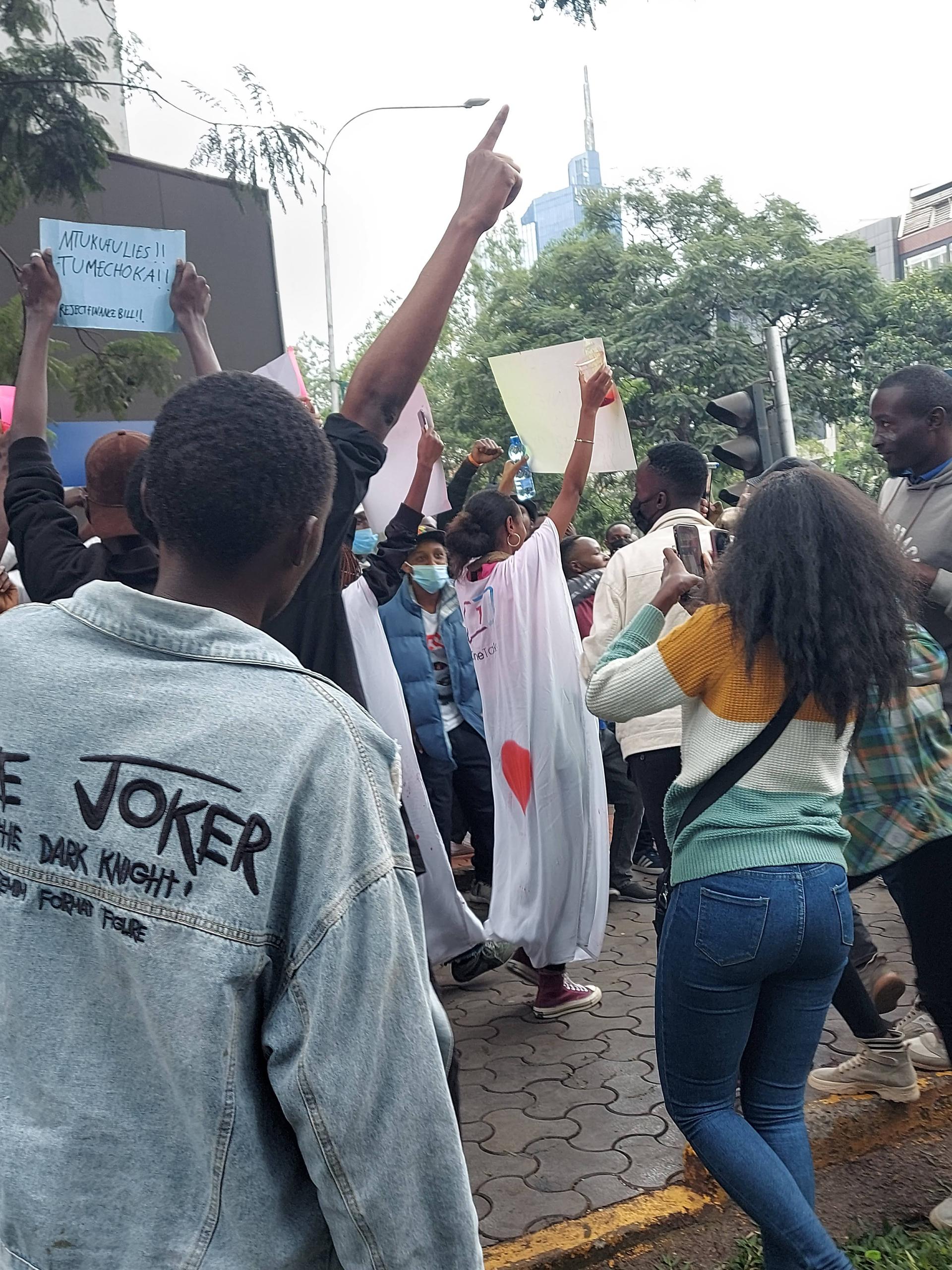
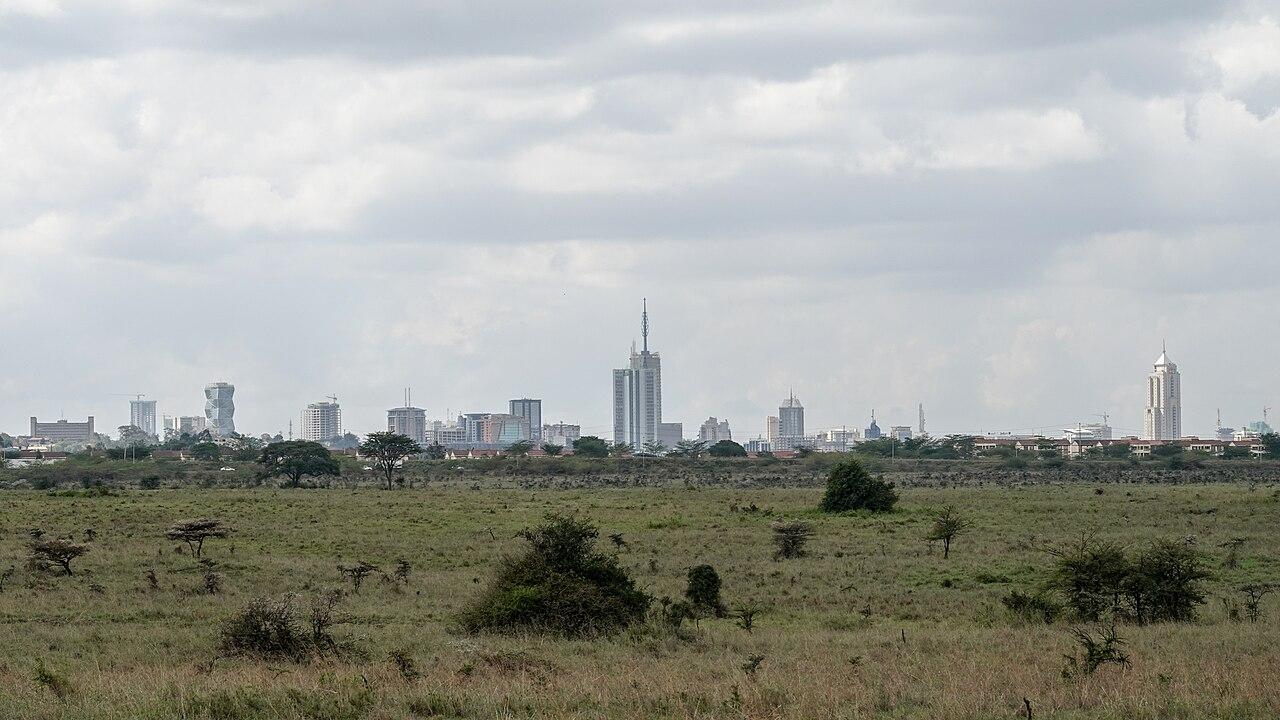
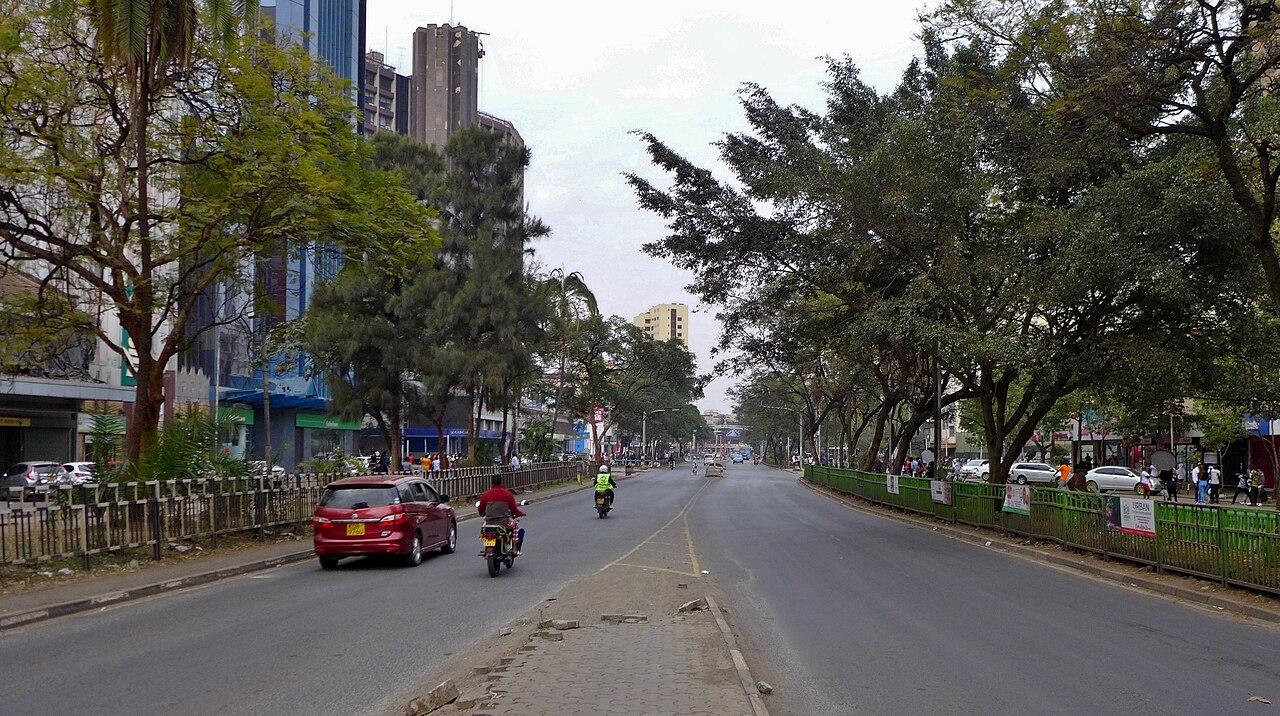
Long before the sun cleared the Nairobi skyline on Thursday, the roads into the city had already closed. Police mounted barricades on the major arteries leading into the capital, and the matatus that normally choke River Road and Tom Mboya Street were turned back at the edges of town. By mid-morning the Central Business District, usually a wall of noise, had gone strangely quiet. Most shops never opened their grilles. For a Kenyan watching a shaky livestream from a flat in Luton or a basement in Lowell, Massachusetts, the silence carried its own message: the country was holding its breath again.
This was June 25, the second anniversary of the 2024 protests that began as a revolt against a tax bill and became something far larger. Into that hushed city rode Siaya Governor James Orengo, perched on the back of a motorbike, a large Kenyan flag streaming behind him as he moved through the emptied streets. The image, captured and shared within minutes, became the day's defining picture: a veteran of an older opposition borrowing the symbol that a leaderless generation had made its own.
The City That Held Its Breath
The commemorations centred on Parliament, the building that two years ago became the epicentre of the uprising when demonstrators breached its chamber during debate on the Finance Bill 2024. On the anniversary, hundreds gathered nearby to lay wreaths for those killed. Opposition figures including Orengo, Kalonzo Musyoka and Martha Karua attended. Kalonzo praised participants for keeping the day peaceful despite the heavy security presence and the road closures that ringed the government quarter.
The mood was deliberately solemn rather than confrontational. Demonstrators framed the anniversary as a moment for national reflection and a renewed demand for accountability, not a re-enactment of the chaos of 2024. Authorities, for their part, treated it as a security operation, erecting roadblocks around key buildings to forestall any repeat of the day Parliament was overrun.
What June 25 Means
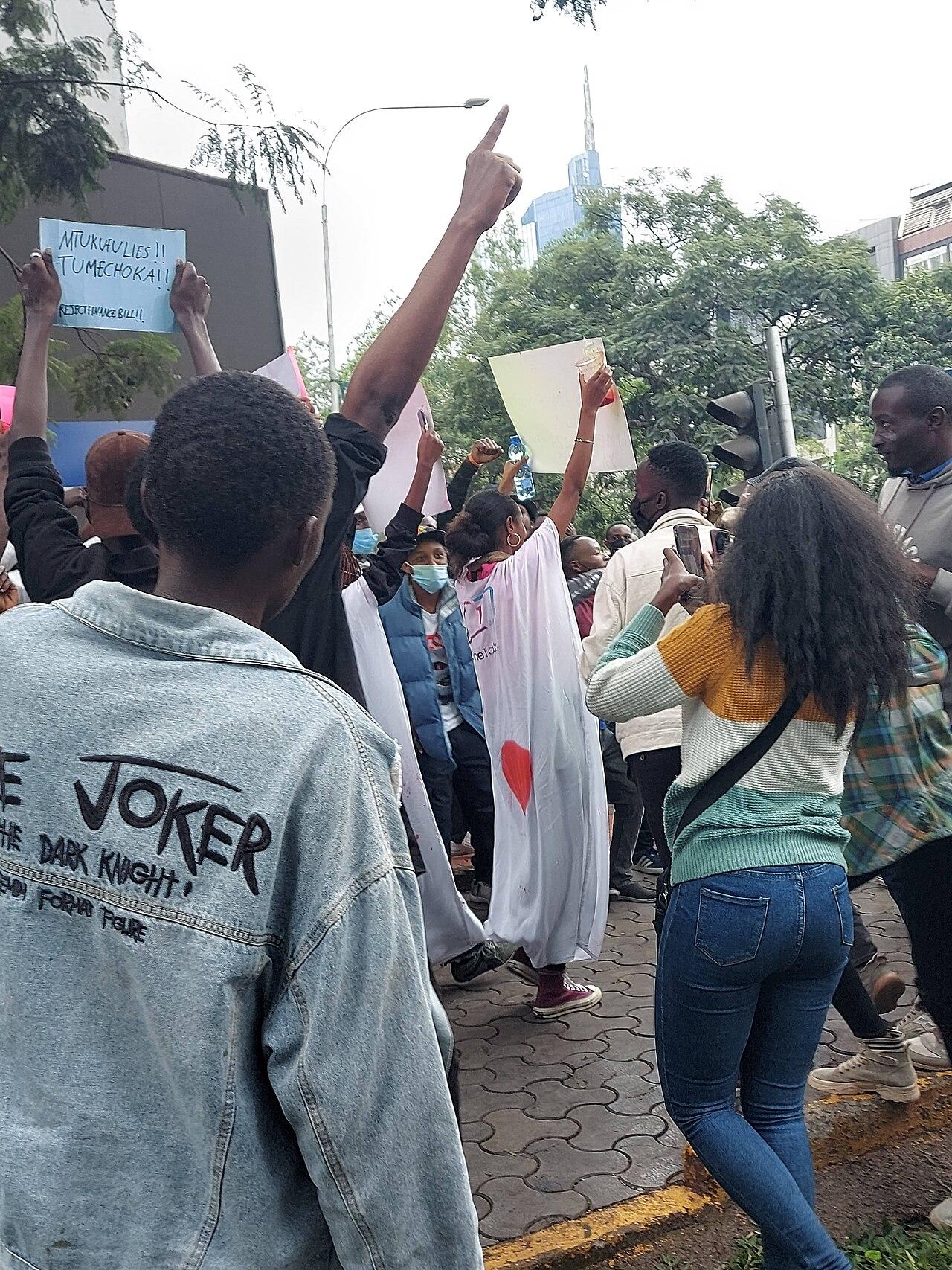
To understand why a single date can paralyse a capital, you have to return to mid-2024. That June, thousands of young Kenyans poured into the streets to reject the Finance Bill 2024, a package of tax increases that landed on a population already squeezed by the rising cost of bread, fuel and transport. The protests were striking for who led them: not parties or unions, but a digitally fluent generation that organised on social platforms, translated dense budget clauses into shareable graphics, and insisted the movement had no single leader to co-opt or arrest.
The cost was severe. According to the country's police watchdog, at least 127 people were killed across the two years of protests that followed, with rights groups accusing security forces of acting with near-total impunity. The Finance Bill was ultimately withdrawn, a rare reversal that proved the streets could move the state. But the grief did not withdraw with it, and the anniversary has hardened into an annual ledger of what was won and what was lost.
Watching From Abroad
For the Kenyan diaspora, June 25 is observed at a distance measured in time zones rather than kilometres. The 2024 movement was, from the start, partly a diaspora story: much of its energy lived online, on the same platforms that connect a nurse in Manchester or a trucker in Atlanta to the streets of Nairobi. When the protests peaked, Kenyans abroad amplified the hashtags, fundraised, and gathered outside embassies in cities from Washington to London to register that the anger was not confined to one postcode.
That long-distance involvement is not sentimental alone. Kenyans abroad send home billions of dollars each year, and a recent national survey found the bulk of those remittances goes to everyday household needs rather than investment. It means the diaspora has a direct, intimate stake in the same economy that the Finance Bill threatened to make more expensive. When taxes rise in Nairobi, the calls for help reach Doha and Dallas within hours.
A Movement Without a Centre
The presence of seasoned politicians at the wreath-laying underscored a tension that has shadowed the Gen Z movement since 2024. Its strength has always been its refusal to anoint a figurehead, which made it hard to behead but also hard to direct. Established opposition leaders have sought to align themselves with its symbols, the flag chief among them, without ever quite owning it.
That ambiguity plays out in the diaspora too, where Kenyan community groups debate whether the movement should formalise into something that can contest elections, or whether its power lies precisely in remaining a mood rather than a machine. The anniversary, with its mix of grassroots mourners and familiar political faces, offered no resolution, only a snapshot of a coalition still negotiating what it wants to become.
The Noise Around the Silence
Not every claim aired around the anniversary was easy to verify, and the diaspora's information diet is often the messier for it. Former Deputy President Rigathi Gachagua used the moment to renew allegations of an assassination plot against him, claiming a police unit had regrouped in his home region ahead of the date. Government officials have repeatedly rejected such assertions and called for any allegations to be backed by evidence and independently investigated.
For readers abroad, the lesson of these competing narratives is caution. The same connectivity that lets a Kenyan in Perth witness Nairobi in real time also delivers rumour at the speed of fact. Rights groups had issued a multi-point advisory before the day, urging restraint from both protesters and police, an acknowledgement that the anniversary's greatest risk was not the marching but the misreading of it.
Two Years On, the Unanswered Questions
What the second anniversary made plain is how little has been settled. The bill that sparked the uprising is gone, but the cost-of-living pressure that gave it force remains, and the families of the dead are still seeking accountability that has been slow to arrive. The questions that drove young Kenyans into the streets, about debt, taxation, policing and trust, are the same ones the diaspora turns over in WhatsApp groups and church halls overseas.
By evening, the barricades came down and Nairobi exhaled back into its ordinary traffic. For Kenyans abroad, the day closed the way it opened: with a screen, a flag, and a question that no commemoration has yet answered. Two years on, the movement has changed the conversation. Whether it has changed the country is the argument the next anniversary will inherit.