The Week Zizo Did Not Come Home: Why Kenya's Missing Youth Keep the Diaspora Watching From Afar
As families block Outer Ring Road demanding two vanished young men, a familiar dread returns for Kenyans abroad: the enforced disappearance.
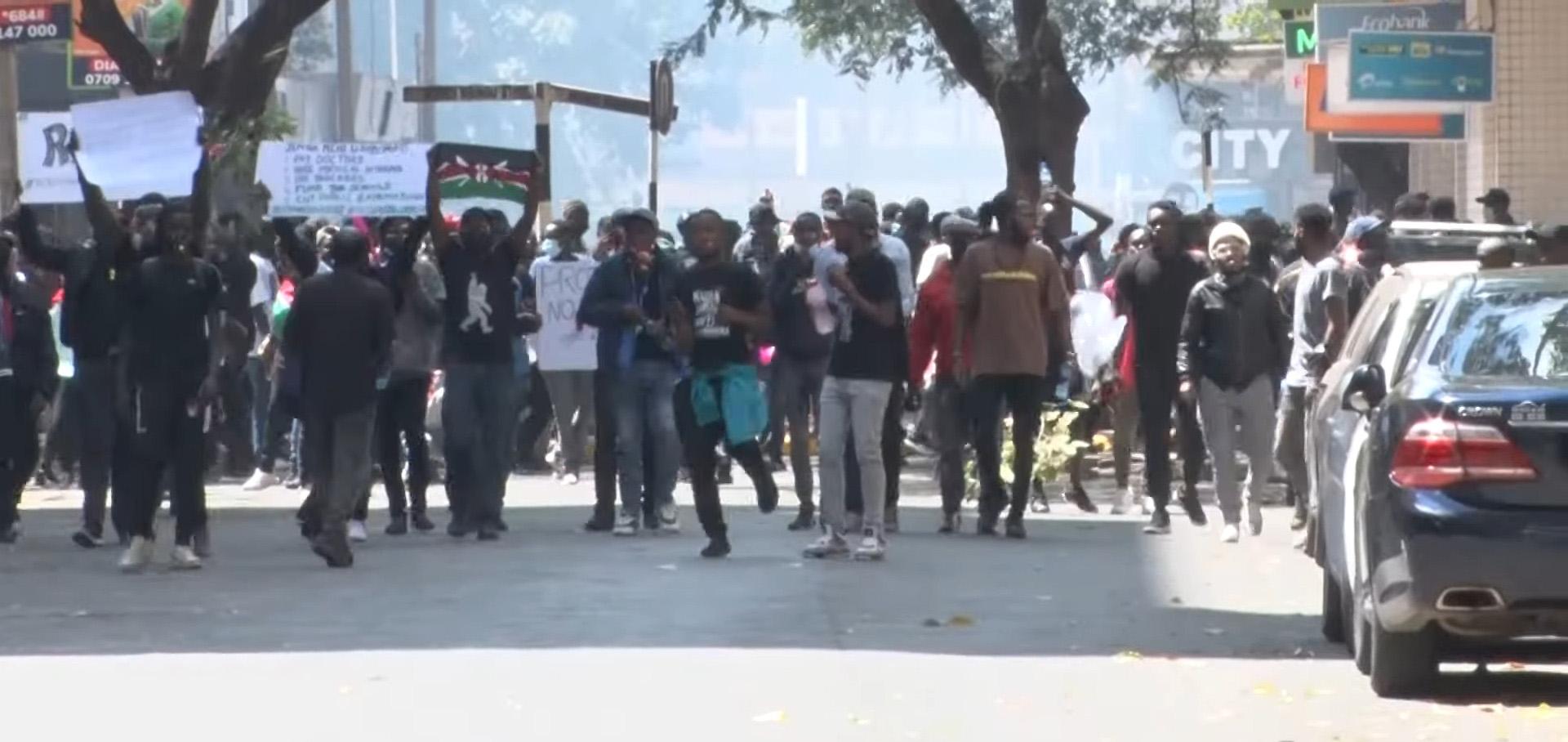
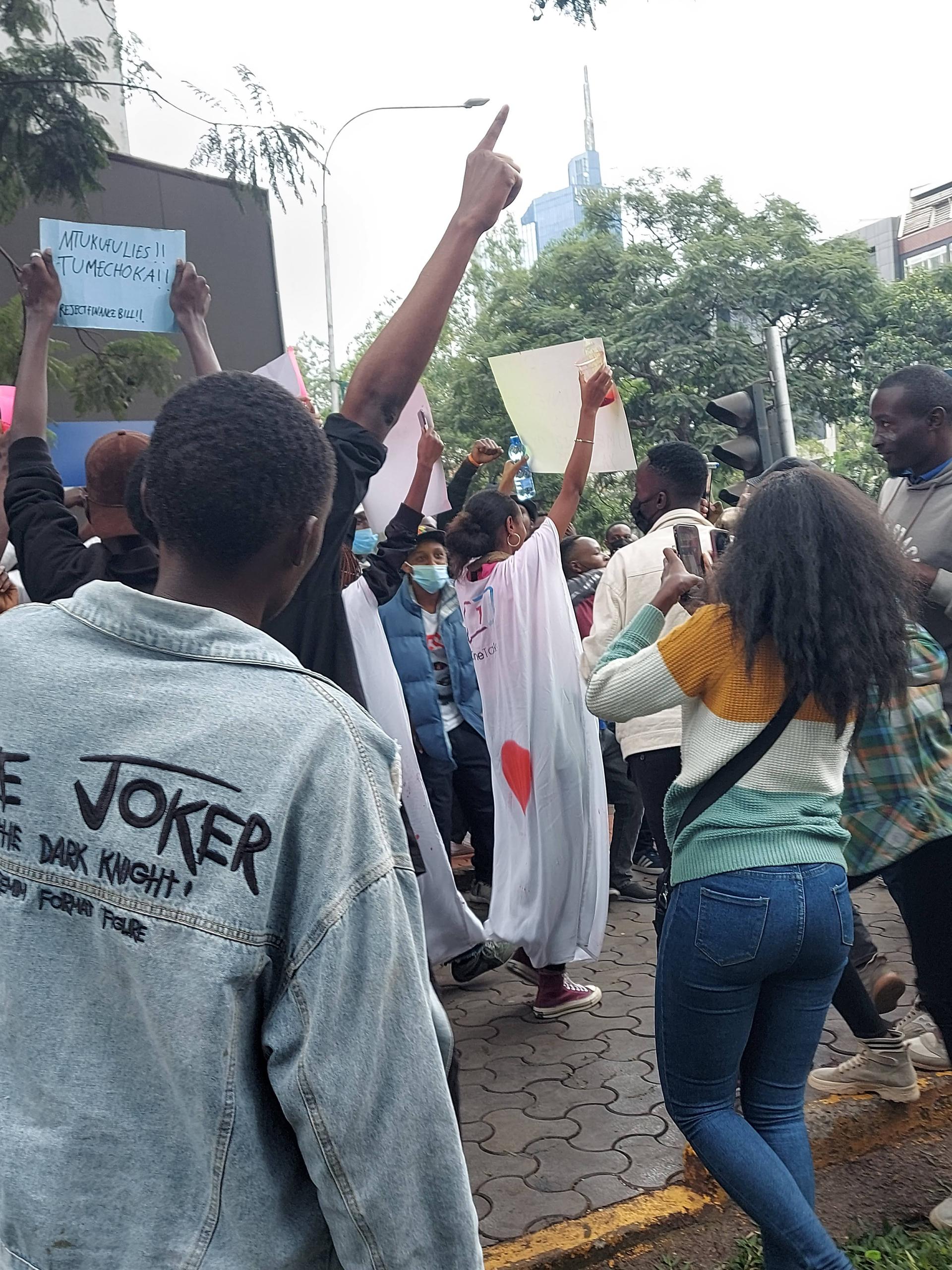
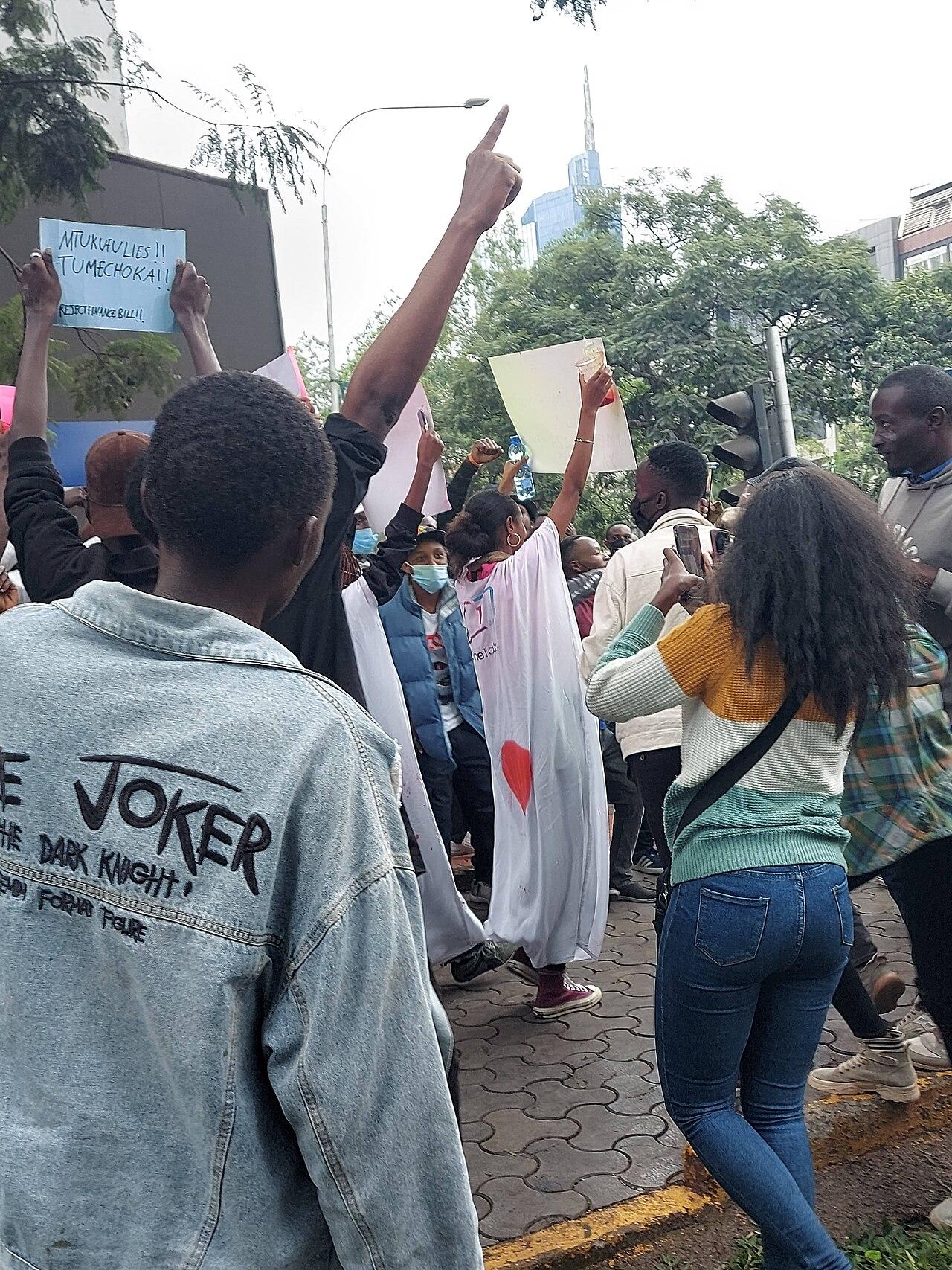
By mid-morning on Tuesday, the boulders were back on Outer Ring Road. Young men rolled stones into the lanes near Huruma, tyres burned, and the traffic that normally grinds between Kiamaiko and Kariobangi North stopped altogether. Somewhere in the crowd were relatives still waiting for word about Abdulaziz Duba Molu — the young man his neighbours simply call Zizo — who was reportedly picked up more than a week ago and has not been seen since. By 1 p.m. police had cleared the road with tear gas. By the time the smoke lifted, another person was dead.
It was the third time in a week that the estates of Nairobi's Eastlands had emptied into the streets over the same demand: produce the missing, or tell us where they are. For Kenyans scattered across Minnesota, Manchester and the Gulf, the images arriving on their phones carried a dread they recognise from 2024 — the fear that a young Kenyan can vanish into official silence and that the answer, if it comes at all, will come too late.
The Two Names That Will Not Go Away
At the centre of the unrest are two young men. Zizo, a Huruma resident, and Maxwell Kiarie have both been missing since last week, according to The Star and Mwakilishi. Their families and neighbours say the men were taken and have not been presented in any court, as the law requires of anyone lawfully arrested. Locals told reporters they suspect government agencies are holding the pair, though there has been no official confirmation of who has them or why.
The demonstrations have grown from grief into a standoff. Residents have blocked roads for hours at a stretch, and each dispersal has hardened the sense that the authorities are answering questions about missing people with tear gas rather than information. Nairobi police commander Issa Mohamud said investigations into the disappearances are continuing, but offered no further detail.
A Third Day, and Another Death
Tuesday's protest turned fatal. At least one person was shot dead and two others were injured in clashes between police and demonstrators, The Star reported, bringing to two the number of people killed since the protests began the previous week. Police said those who were targeted had been attacking and robbing residents and blocking roads; a separate senior officer said the shooting itself was under investigation.
The pattern of the day was by now familiar. Groups gathered in Kiamaiko, Kariobangi North and Huruma, piled stones and boulders across Outer Ring Road, and held the arteries of Eastlands hostage through the morning until anti-riot units moved in. Some residents said they were robbed in the confusion. The roads reopened by early afternoon, but the underlying question — where are Zizo and Maxwell? — remained exactly where it had been at dawn.
The Account the Police Give
The state's version of Zizo is not the one on the placards. Investigators say he was a suspect in a firearms-theft ring that police dismantled in a sting across Kayole, Umoja 3 and Kiamaiko, in which six people — two women and four men — were rounded up and two pistols and rounds of ammunition were recovered. According to detectives quoted by The Star, the gang operated by having women spike the drinks of licensed firearm holders in clubs, then make off with their weapons. Forensic analysis, police say, linked a recovered Ceska pistol to a theft from a police inspector in Kamukunji in June 2024. Officers describe Zizo as a known figure in drug trafficking and robbery who was first arrested in 2024 over an illegal pistol.
Yet even taken at face value, the police account does not answer the families' central grievance. A suspect, however serious the allegations, is entitled to appear before a magistrate. Zizo has not. That gap — between being wanted and being lawfully held — is precisely the space in which enforced disappearances have historically thrived in Kenya, and it is why residents refuse to accept that a criminal file settles the matter of a man's whereabouts.
The Count a Commission Keeps
The Huruma protests are not happening in isolation. The Kenya National Commission on Human Rights says at least seven people have disappeared since the June 25 commemorations that marked the anniversary of the 2024 Gen Z protests, when demonstrators stormed Parliament and scores were killed. One of the missing, activist Davis Lichuma, was later found alive and is receiving medical treatment. The Daily Nation has reported that other young men who went missing around the same period were found dumped and allege they were tortured after being detained.
For a country that spent much of 2024 and 2025 debating abductions, the vocabulary has returned with unsettling speed. Human rights monitors have warned of a fresh wave of enforced disappearances tied to the protest calendar, and each new name — Zizo, Maxwell, and the others counted in the commission's tally — lands in a public already primed to fear the worst.
Why the Diaspora Refreshes the Feed
None of this reads as distant news in the Kenyan diaspora. Many of the roughly five million people who send money home — remittances now rank as Kenya's single largest source of foreign exchange, ahead of tea, coffee and tourism — left the country in the very years these protests describe. Their siblings and cousins are the demographic most likely to be in the streets, and most exposed when the streets turn dangerous.
During the 2024 uprising, Kenyan communities from Washington to London staged solidarity demonstrations, flooded social media with the names of the missing, and pressed for accountability from afar. That muscle memory is why a road blockade in Huruma becomes a WhatsApp thread in Dallas within the hour, and why the question of enforced disappearance shapes the most personal diaspora debate of all: whether it is safe to bring children home, or safe to go back at all. A government that cannot account for two young men in Eastlands is, in the diaspora's reading, a government still testing how much silence its citizens will tolerate.
What Comes Next
For now, the demands are narrow and concrete: produce Zizo and Maxwell Kiarie, or confirm through a court where they are being held. Police say their inquiries continue; families say a week of inquiries with nothing to show is itself the problem. The larger contest — between a security apparatus that frames these cases as criminal investigations and residents who see the shape of past abductions — will not be resolved on Outer Ring Road.
What is clear is that the watching has resumed, at home and abroad. Every unclaimed name deepens a wound that Kenya, and its far-flung diaspora, hoped the country had begun to heal. Until the missing are accounted for, the boulders will keep returning to the road, and the phones in the diaspora will keep lighting up.