The Eve of Seven Seven: Kenya Braces as Saba Saba Returns With a March to Parliament's Door
Activists have notified police of a 3,000-strong Tuesday march from Jeevanjee Gardens to Parliament, transporters have issued a strike notice — and the diaspora is settling in for its most anxious day of the year.
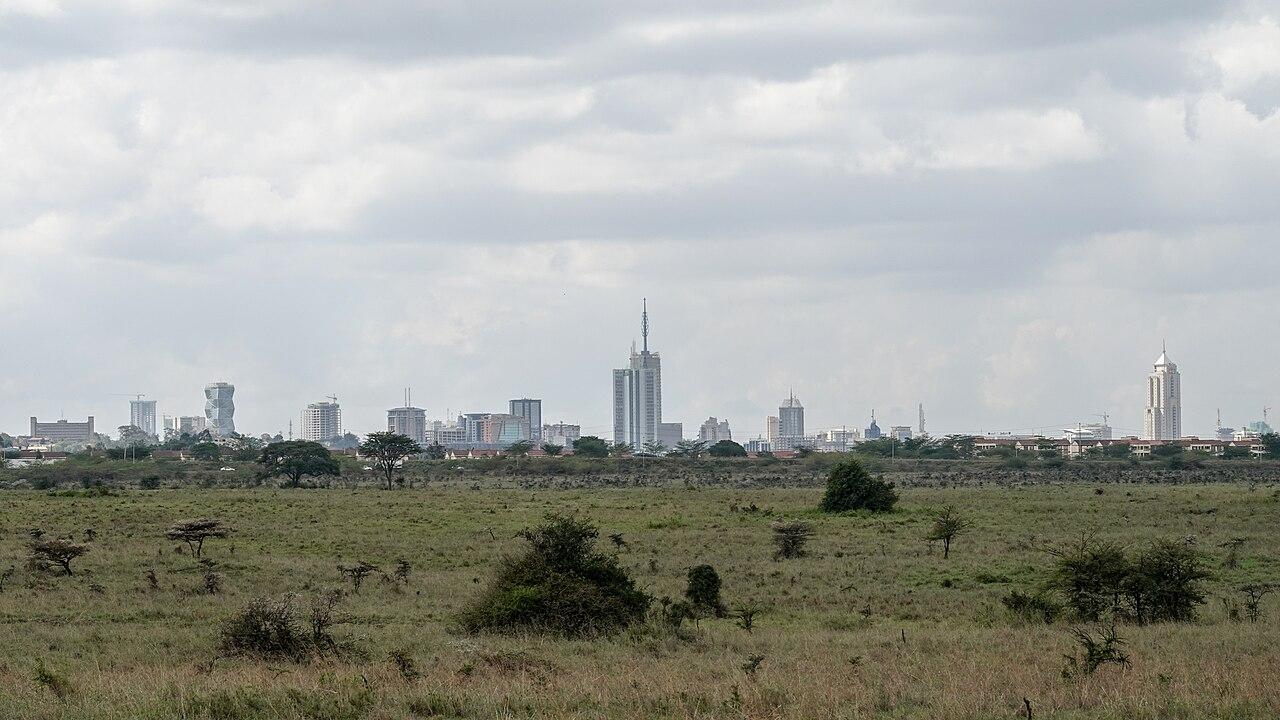
The letter arrived at Vigilance House on a Sunday, addressed to Inspector General Douglas Kanja, written in the careful bureaucratic language of people who know exactly how badly this can go. The Grassroots Economic Justice Movement wishes to hold a peaceful procession, it said. Participants shall remain peaceful, unarmed and orderly. Please provide security and traffic management. Behind the courtesies sits Tuesday's date — July 7, Saba Saba — and the memory of what that date has cost Kenya before.
On the eve of the anniversary, Nairobi is doing what it now does every early July: shopkeepers deciding whether to open, parents mapping school runs around possible roadblocks, and a diaspora scattered across a dozen time zones setting alarms to watch home through a phone screen.
The March That Announced Itself
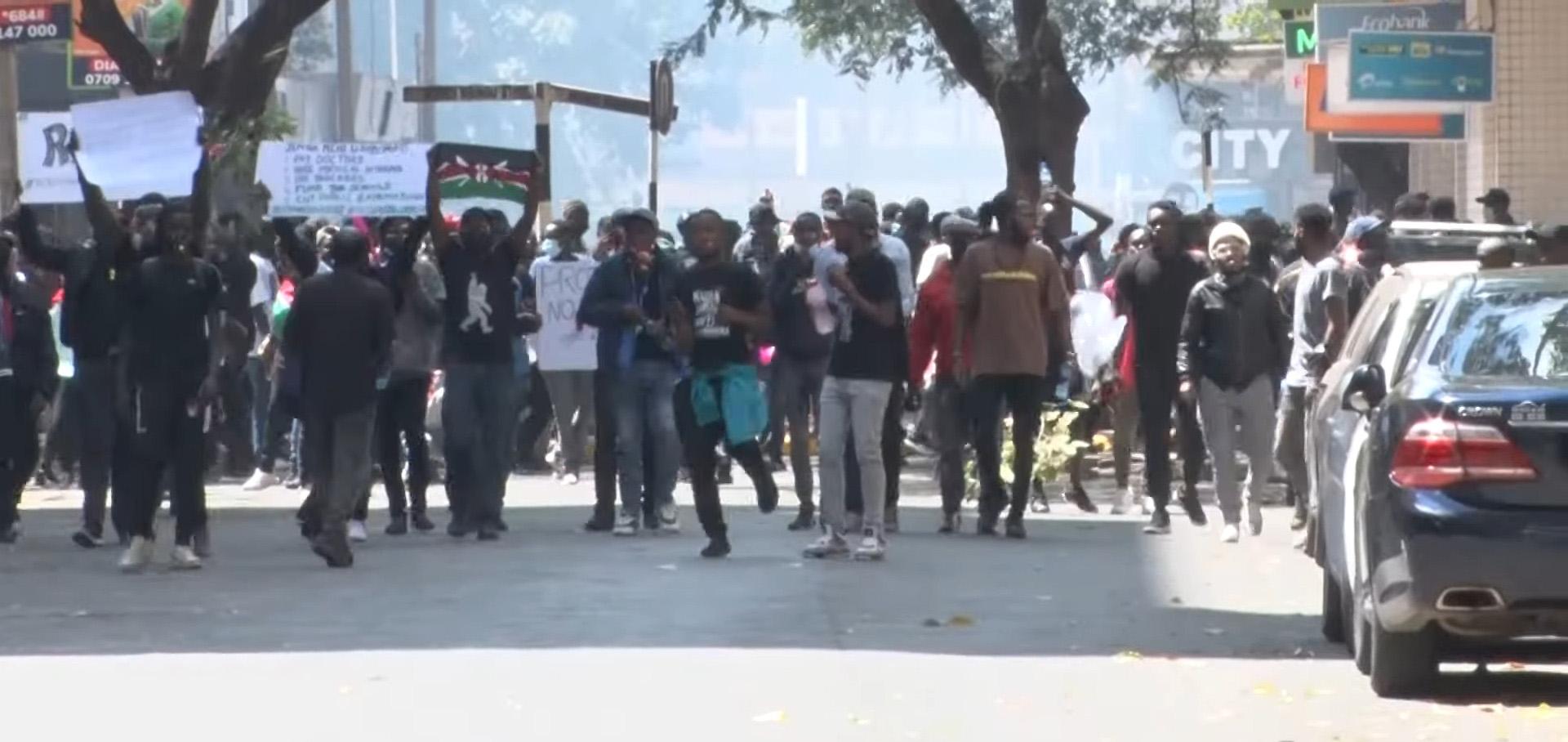
This year's centrepiece is deliberately formal. According to the notification letter reported by The Star, roughly 3,000 civil society members, activists, youth, religious leaders, students and professionals are expected to gather at Jeevanjee Gardens at 9am on Tuesday, then walk through the Central Business District to Parliament Buildings.
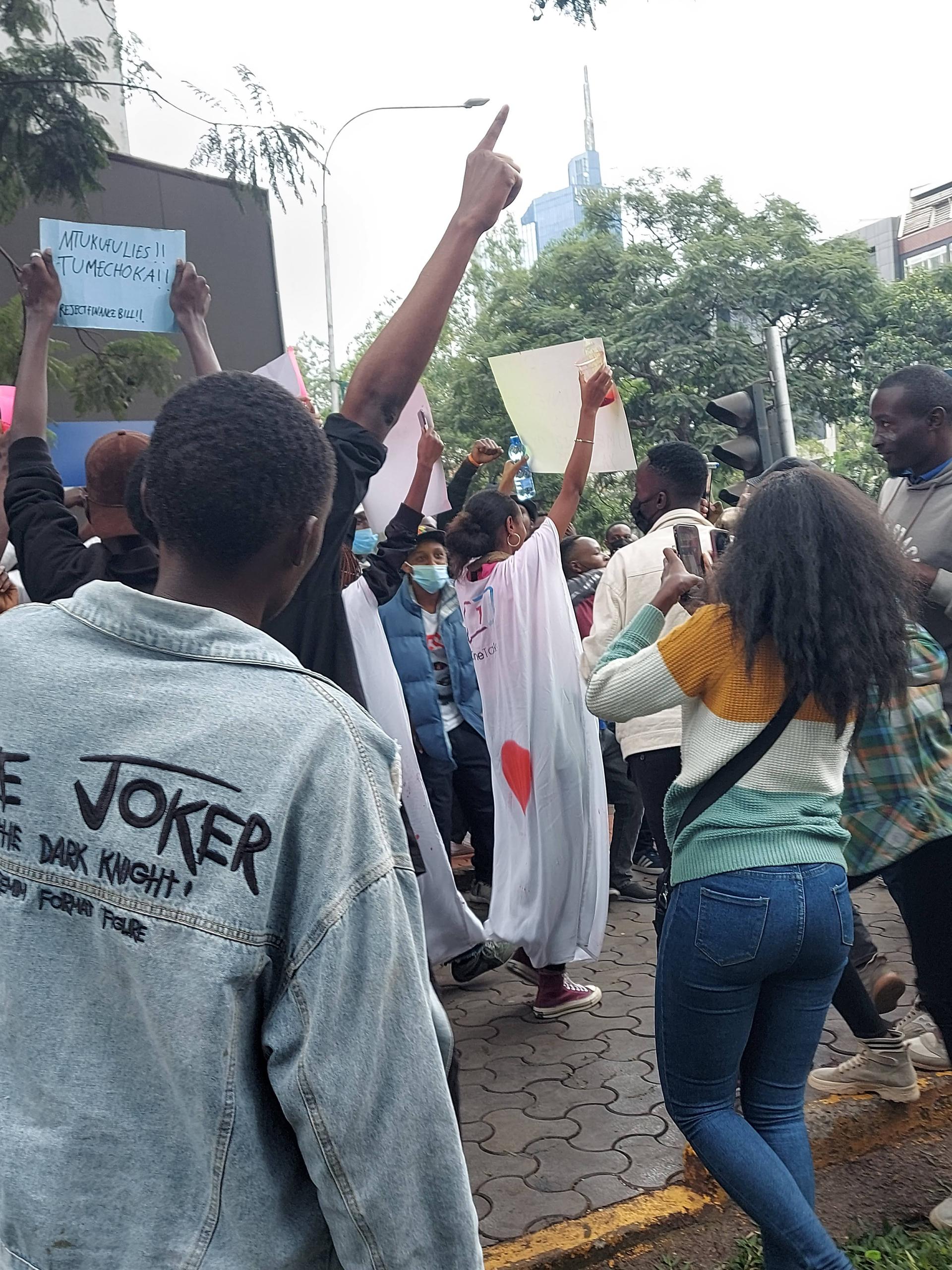
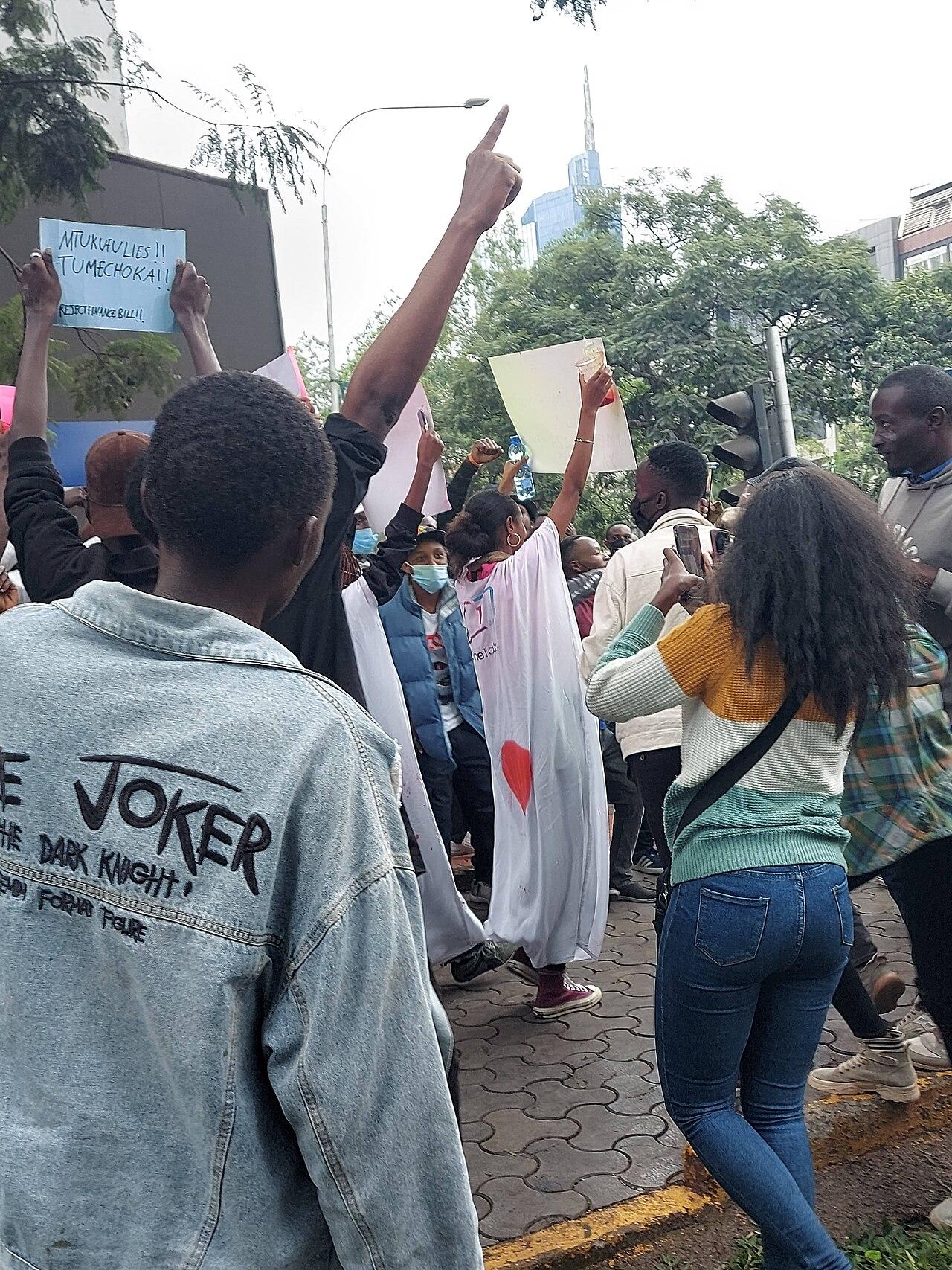
There they intend to hand the Speaker and members of both houses a petition on the issues that have defined Kenya's protest era: alleged extrajudicial killings, enforced disappearances, excessive use of force by security officers, and the demand for real police accountability and oversight. The movement's national convenor, Francis Awino, has framed the event as commemoration rather than confrontation — a petition, not a siege.
The choreography matters. By notifying police in advance and publishing its route, the movement is testing whether Kenya's constitutional machinery for assembly — notify, march, petition — can actually function on the most charged date in the activist calendar.
Why Seven Seven Still Burns
Saba Saba — seven seven in Kiswahili — marks July 7, 1990, when Kenyans defied Daniel arap Moi's single-party state and filled the streets to demand multiparty democracy. The state answered with batons and detentions, but within eighteen months Section 2A of the constitution was repealed and the ballot was plural again. For an older generation, the date is a victory. For a younger one, it has become something rawer: an annual audit of promises kept and broken.
Last year's audit was written in blood. Saba Saba 2025 turned deadly, with at least 11 people killed as police clashed with protesters and Nairobi was effectively locked down. Those deaths joined a longer ledger from the Gen Z protest wave — the names read aloud at vigils from Nairobi to Boston, the disappearances documented by rights groups, the cases that this Tuesday's petition asks Parliament to finally answer.
A City Bracing, an Economy Flinching
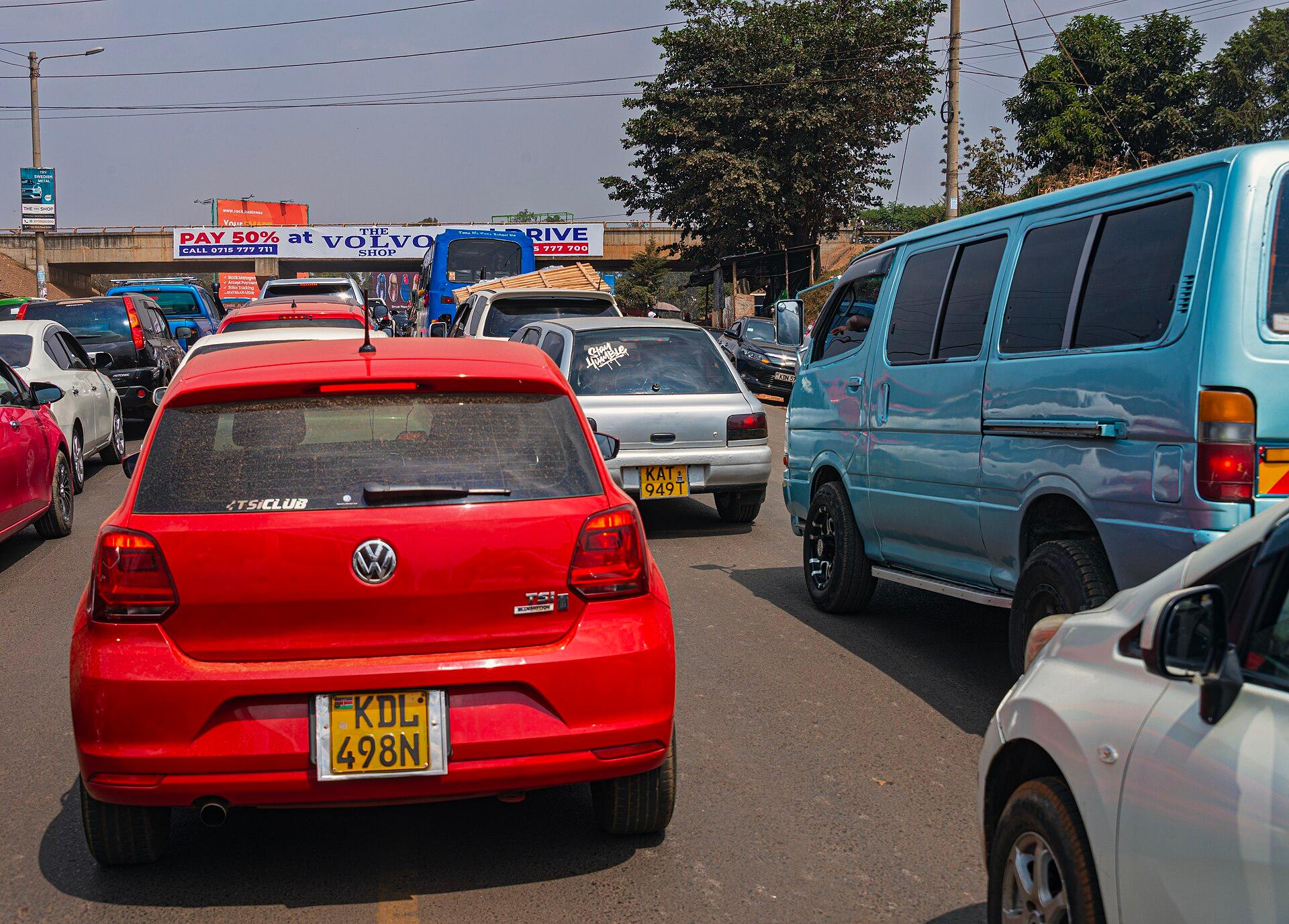
The signals around the march suggest a country preparing for turbulence even as everyone pledges calm. A section of transport stakeholders has issued a strike notice coinciding with the anniversary, according to reports in the Kenyan press — a move that could thin Nairobi's matatu arteries regardless of how the march itself unfolds. Police, for their part, have issued their own warnings ahead of the planned procession, and risk consultancies have advised businesses to expect disruption in the CBD, with knock-on effects possible in Mombasa, Kisumu and Eldoret.
For ordinary households the calculus is painfully practical: a day's trading lost is a day's income gone, in an economy where the new statutory pay rise has employers already complaining and most workers surviving outside formal employment altogether. Protest days compress all of Kenya's arguments — dignity versus disruption, rights versus rent — into a single closed shopfront.
The Diaspora's Longest Day
For Kenyans abroad, Saba Saba has become one of the year's most anxious dates on the calendar. The time difference turns the day into a slow-motion vigil: by the time New York wakes, the march is already moving; by the time Sydney sleeps, the casualty rumours are either confirmed or dissolved. Family WhatsApp groups fill with the same messages every year — usiende town leo, don't go to town today — sent from Minnesota to mothers in Umoja, from Doha to brothers in Kisumu.
The stakes are not abstract. The diaspora's remittances — the country's largest source of foreign exchange — flow toward the same households that protest days imperil. Many abroad remember that the Gen Z protest movement was amplified, funded and mourned from outside the country as much as inside it. Diaspora Kenyans ran information channels, paid hospital bills, and in some cases buried relatives. When Parliament receives Tuesday's petition on killings and disappearances, a share of the signatures behind those demands will, in spirit, be postmarked abroad.
There is also a quieter summer-specific fear: July is peak homecoming season. Thousands of diaspora families are in Kenya right now on annual visits, their children seeing Nairobi for the first time. For them, Tuesday is a day to keep off the streets and hope the city they came home to show off behaves like the one in their stories.
What Tuesday Will Test
The optimistic script is available and plausible: the march gathers, the police facilitate, the petition changes hands on the steps of Parliament, and Saba Saba 2026 becomes the year the ritual worked — proof that Kenya can commemorate its democratic breakthrough without adding to its martyrology. The organisers have done their part to make that script possible, in writing, with signatures.
The pessimistic script is also familiar, and no one needs it described. Which script plays out depends largely on decisions made in the next twenty-four hours by commanders, convenors and crowds — decisions that will be watched live, from more countries than ever, by a diaspora that has learned to hold its breath in July. Seven seven began as a demand that power listen to people. Thirty-six years later, the demand is unchanged; only the audience has grown.