The Errand That Ended on Park Road: How a KSh 10,000 Dispute at a State Youth Forum Left Cecil Ouma Dead
A 28-year-old youth mobiliser was shot after a government empowerment event in Nairobi. For Kenyans abroad, the case is a fresh test of whether justice at home can hold power to account.
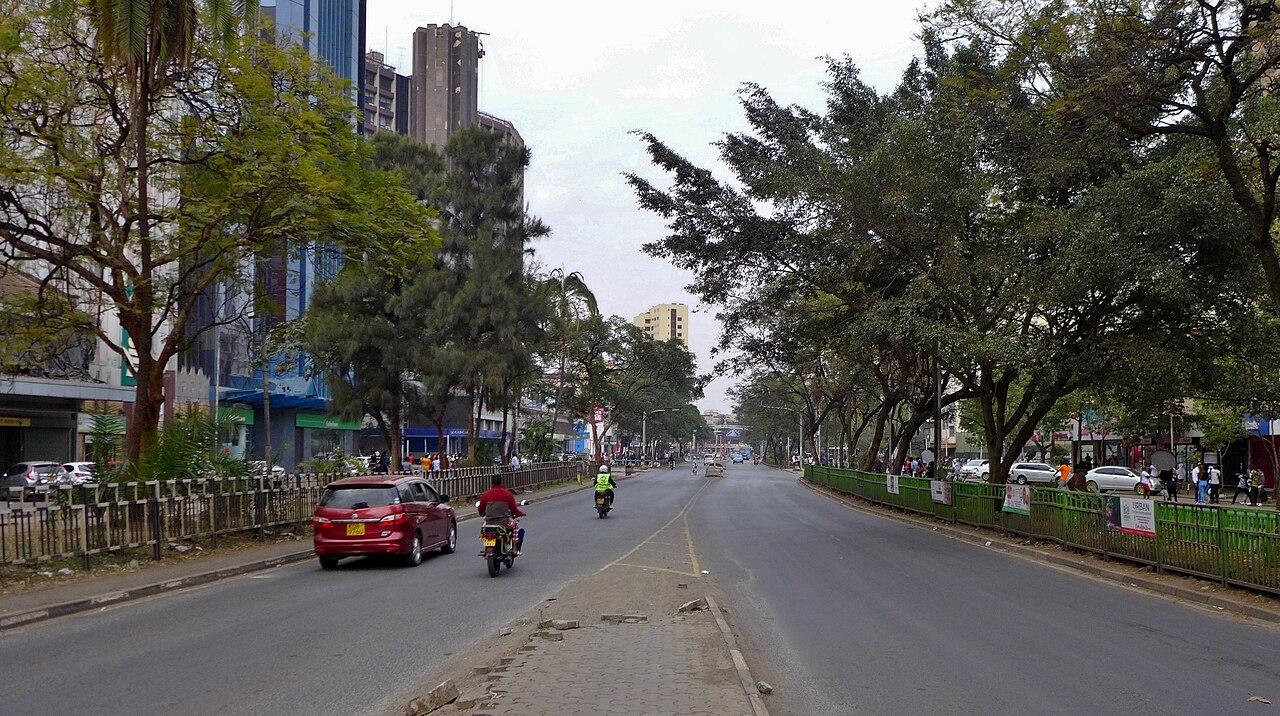
The forum had gone the way these forums usually go. Speeches about opportunity, a hall in Kariokor filled with young people who had been asked to show up, and, at the end of it, the practical arithmetic of getting everyone home. It was Tuesday evening in Nairobi, and Cecil Ouma Otieno, a 28-year-old graduate of the Technical University of Kenya, had done what he was known for doing: he had brought the crowd.
According to his family, Ouma had mobilised roughly sixty young people to attend the event, part of the State Department for Youth Affairs' KIKAO youth empowerment programme. When it ended, the group was handed KSh 10,000 to cover transport, his brother Jeff Otieno told Kenyan media. Divided sixty ways, the money came to less than the cost of a matatu ride for many of those present. The group was unhappy. They asked Ouma to go back to the vehicle of the man who had presided over the event, Youth Affairs Principal Secretary Fikirini Jacobs, and seek clarification.
He never came back to them. Witnesses cited in Kenyan press reports allege that Ouma was shot inside or beside the PS's official car by a member of his security detail, and that his body was left by the roadside on Park Road. He was rushed to a nearby medical facility, where he died shortly after arrival. Preliminary accounts reported by TUKO and The Standard describe gunshot wounds to his left arm and chest.
What the Investigators Have
By Thursday, the investigation had gathered visible momentum. Detectives have recorded statements from seven people, according to TUKO's reporting: two bodyguards attached to the Principal Secretary, a director from the State Department for Youth Affairs who was reportedly inside the vehicle when the shooting happened, and several witnesses. Two firearms belonging to officers on the PS's detail have been seized and submitted for ballistic examination to establish which weapon fired the fatal shot.
One of the bodyguards has been detained. He was presented to the Makadara Law Courts this week but did not take a plea, and has been remanded at Pangani Police Station while investigations continue. The case is scheduled for mention on July 8.
The Principal Secretary himself has been treated as a key witness because he was inside the vehicle at the time. He presented himself at the Nairobi Regional Criminal Investigation Headquarters after being summoned, and spoke to reporters afterwards. "My commitment is that I will continue to make myself available for any investigation pertaining this tragic death," he said, describing Ouma's killing as a painful tragedy and extending condolences to the family.
The Man Who Brought the Crowd
The details that have emerged about Ouma sketch a familiar figure in Kenyan civic life: the organiser. The person who fills the hall, who has the phone numbers, who stands between an official programme and the young people it claims to serve. Student leaders who knew him from the Technical University of Kenya have described him as one of their own, and their grief has quickly hardened into demands.
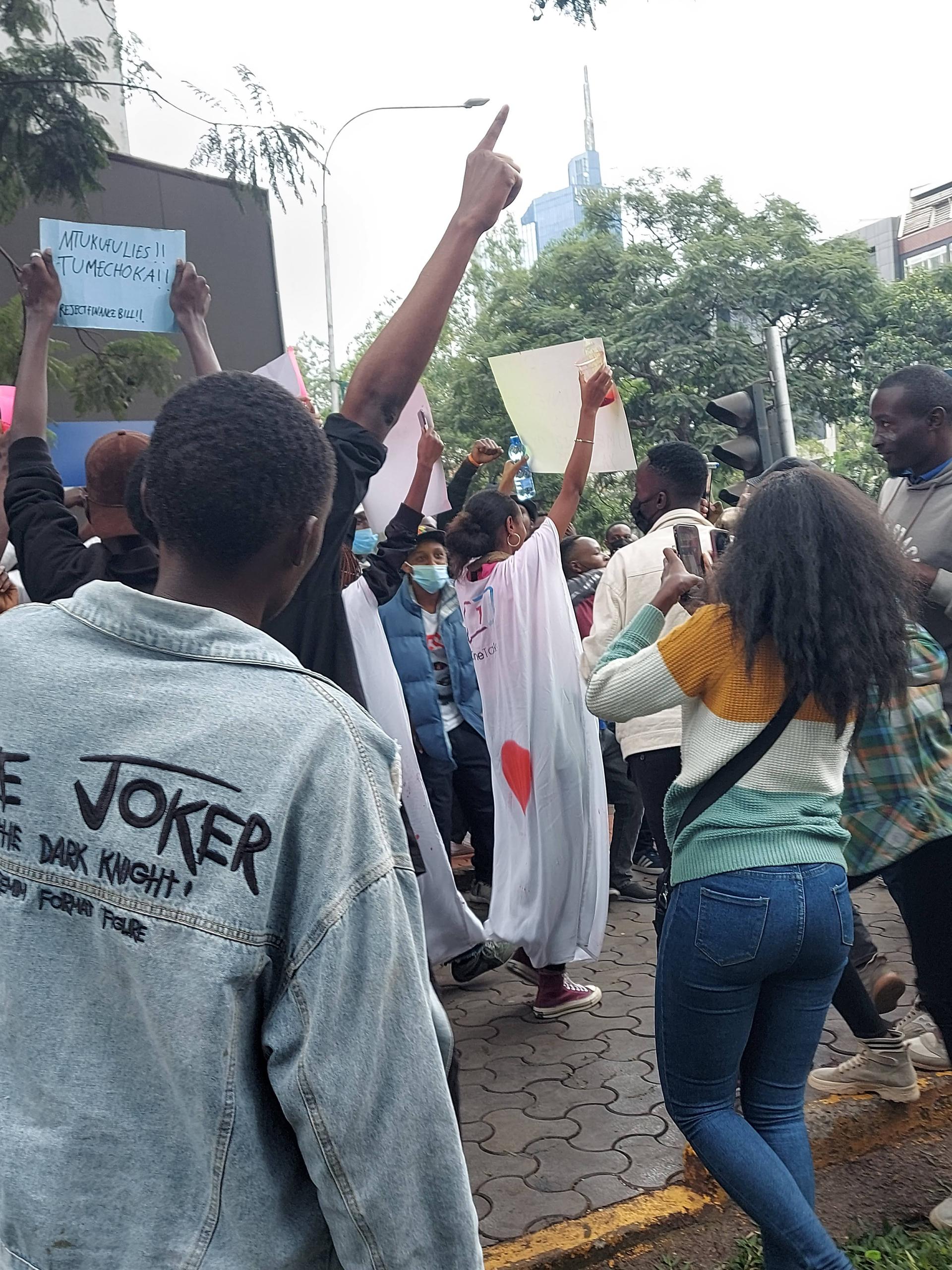
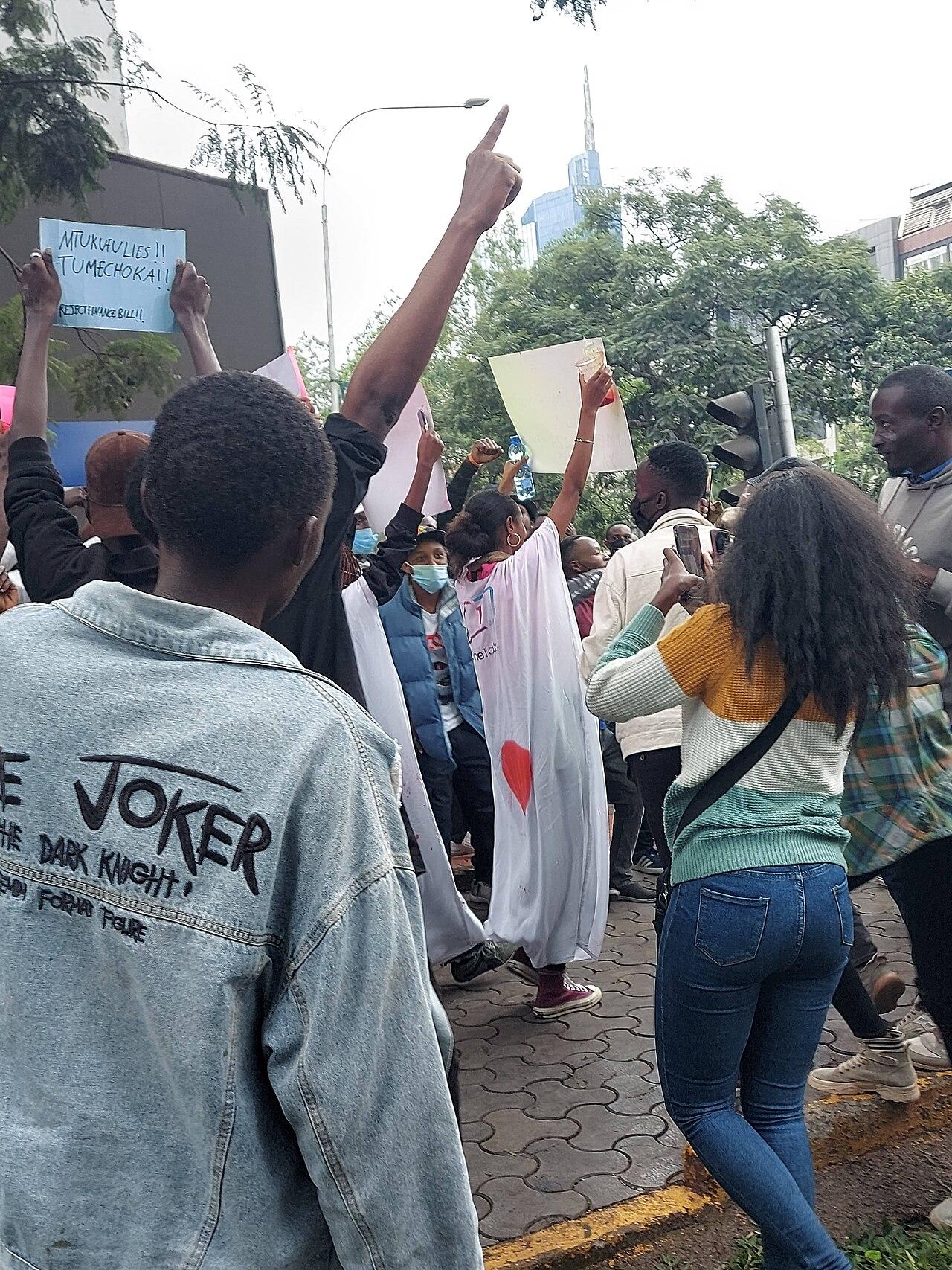
A section of university student leaders is now calling for the Principal Secretary's resignation, warning of protests if the government does not act. Activist Boniface Mwangi publicly mourned Ouma and demanded justice, pointing out that the very meeting Ouma died after could not have been held without the mobilising work he did.
That is the detail that has lodged in the public mind. Ouma was not a bystander. He was the connective tissue of the event itself, and the dispute that preceded his death was over an amount of money, KSh 10,000 for sixty people, that would not cover a single ministry official's daily allowance.
An Empowerment Programme, Interrupted
The KIKAO forums are part of a broader government push to be seen engaging young Kenyans, a demographic whose relationship with the state has been raw since the youth-led protests of 2024 and 2025, and the deaths, abductions and disappearances that followed them. A programme built to close that trust gap now finds itself at the centre of the very thing that created the gap: a young man dead after contact with state security, conflicting accounts, and a family pleading for the truth.
The official response has, so far, followed the accountability script. Statements recorded. Weapons surrendered for testing. A suspect in custody. Whether the script runs to its end is the question every such case in Kenya eventually poses.
Why the Diaspora Is Watching
For Kenyans abroad, cases like this one are never just local news. The diaspora watched the protest years from a distance, on the same phones on which many now follow the Ouma investigation, and organised vigils and petitions from Minnesota to Manchester when young people died at home. Each new case becomes a quiet referendum on the institutions they left behind, and on the country to which many still intend to return.
There is also a more intimate recognition in this story. The dispute that preceded the shooting was about transport money, the small, grinding economics of showing up. Nearly every Kenyan family abroad sends money into exactly that economy, covering fares, airtime and event-day costs for relatives whose civic and economic lives run on such margins. The KSh 10,000 at the heart of this case is the kind of sum that moves through M-Pesa from London or Dallas every single day.
The Week Ahead
The court mention on July 8 is the next fixed point. Before then, ballistics results may establish which of the seized firearms killed Ouma, and investigators will decide what charges, if any, to prefer. Student leaders have promised pressure; the Principal Secretary has promised cooperation; the family has asked simply for the truth about how an errand to a parked government car ended a life.
The forum in Kariokor was meant to be about the future of Kenya's young people. For one of them, it was the last event he would ever organise. What the state does next will tell the rest, at home and abroad, how much that future is actually worth.