The Goal That Came in Stoppage Time: How Ivory Coast's Late Heartbreak Hushed Africa's World Cup Watch Parties in America
A 94th-minute winner from a German substitute snatched away a lead the Elephants had held for an hour, silencing the diaspora crowds who had adopted them as their own.
The Hall That Fell Silent
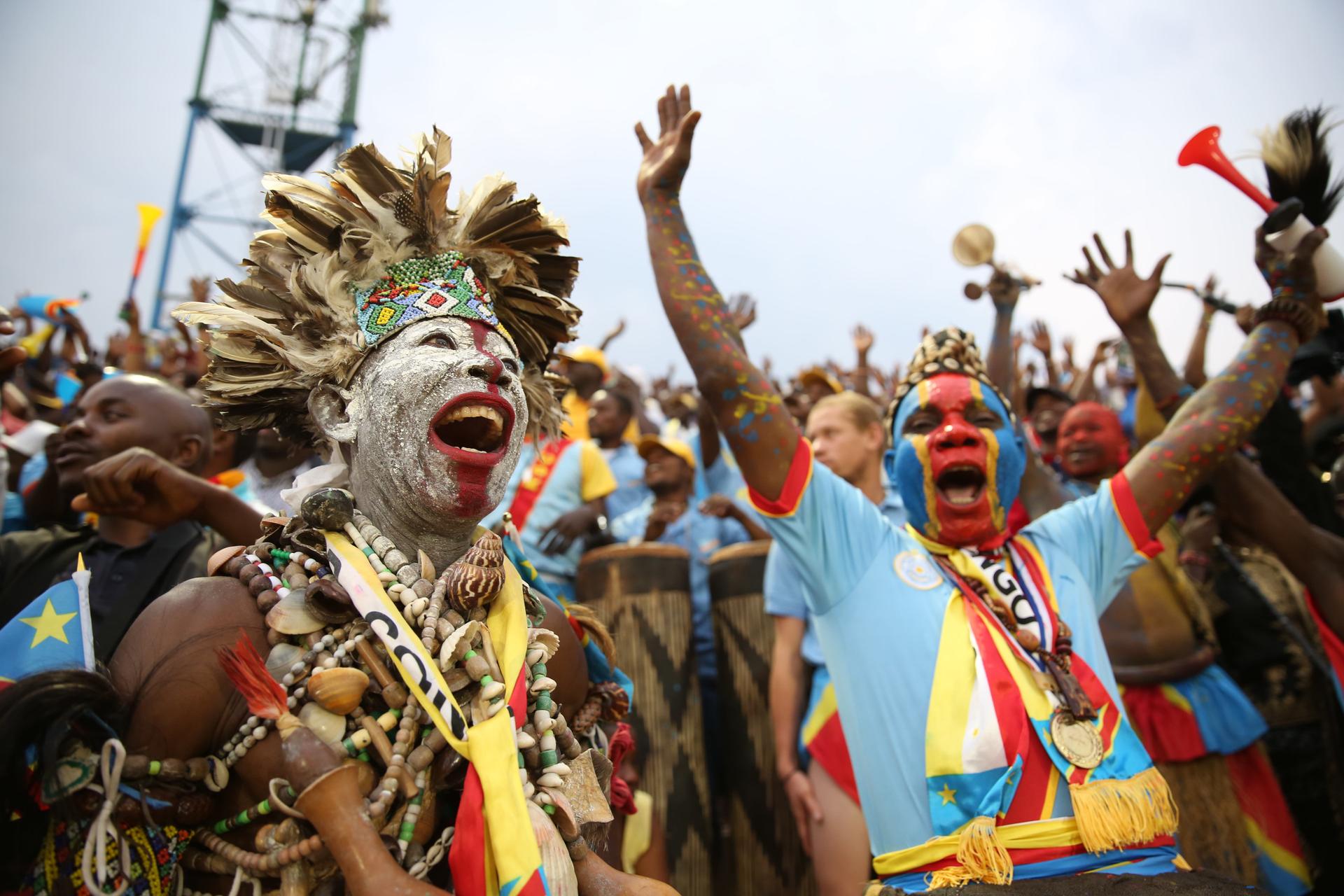
For most of the evening, the room belonged to the Elephants. Across American cities where West Africans have built their lives — the apartment blocks of the Bronx, the suburbs ringing Washington, the immigrant corridors of Atlanta and Minneapolis — the orange shirts had come out early. When Franck Kessie drove Ivory Coast ahead in the thirtieth minute, the noise that followed was not only for a goal. It was for a continent that, for one summer, finally had the World Cup on its side of the ocean.
The 2026 tournament is the first to be staged across the United States, Canada and Mexico, and the first to carry a record ten African teams onto that stage. For the African diaspora scattered across North America, the math was simple and intoxicating: there had never been so many of their own to cheer, and never so close to the cities where they now live and work.
Then came the ninety-fourth minute.
A Substitute Named Undav
Germany had been frustrated for an hour. Ivory Coast, organised and unafraid, had taken the lead through Kessie and looked capable of holding it. The turning point wore the number of a substitute. Deniz Undav, brought on to chase the game, equalised in the sixty-eighth minute, volleying home a cross from Nadiem Amiri. It was the kind of goal that quietens a celebration without ending it; there was still time, still a point to play for, still a reason to keep standing.
The winner arrived in stoppage time. In the fourth minute of added time, Undav struck again, finishing a move set up by Felix Nmecha to send Germany to a 2-1 victory. The result carried the Europeans into the round of 32 with a game to spare, alongside host nations already through to the knockout rounds. For Ivory Coast, the same ninety-four minutes did the opposite — turning a night that began in defiance into one that ended in the long quiet of a near miss. Across the bars and living rooms, the orange shirts sat down almost in unison, the way a crowd does when a result it could taste is taken away at the last possible moment.
The Team the Diaspora Adopts
Kenya was not at this World Cup. Neither were most of the nations whose citizens fill the diaspora halls of America — not Uganda, not Tanzania, not the bulk of the continent that did not make the cut. That absence is exactly why nights like this matter so much. When your own flag is missing from the tournament, you borrow another. For East Africans in Dallas or Seattle, an Ivorian shirt becomes a stand-in for the one they cannot wear; Senegal, Morocco, Ghana and South Africa all inherit fans who have never set foot in those countries and may never.
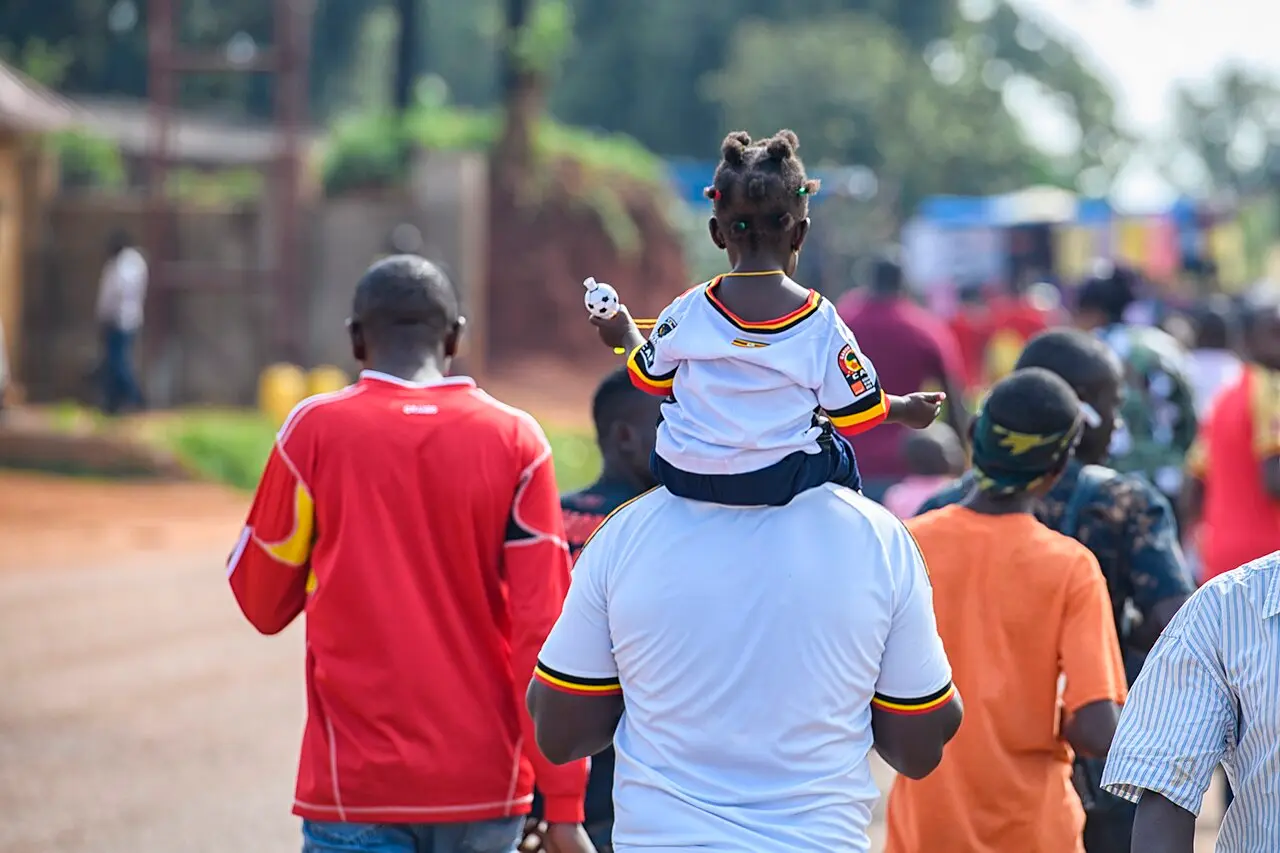
It is a quiet feature of African migration that the continent's scattered communities tend to cheer as a bloc abroad in a way they rarely manage at home. A Nairobian in New Jersey will watch Cote d'Ivoire with the same investment a Lagosian or an Accra-born neighbour brings, because the shorthand on the screen is not a single nation but the whole idea of Africa arriving on the biggest stage. The defeat, then, was not only Ivorian. It was felt in living rooms where no one speaks French and no one has been to Abidjan, among people whose passports say something else entirely.
What a Continent Was Playing For
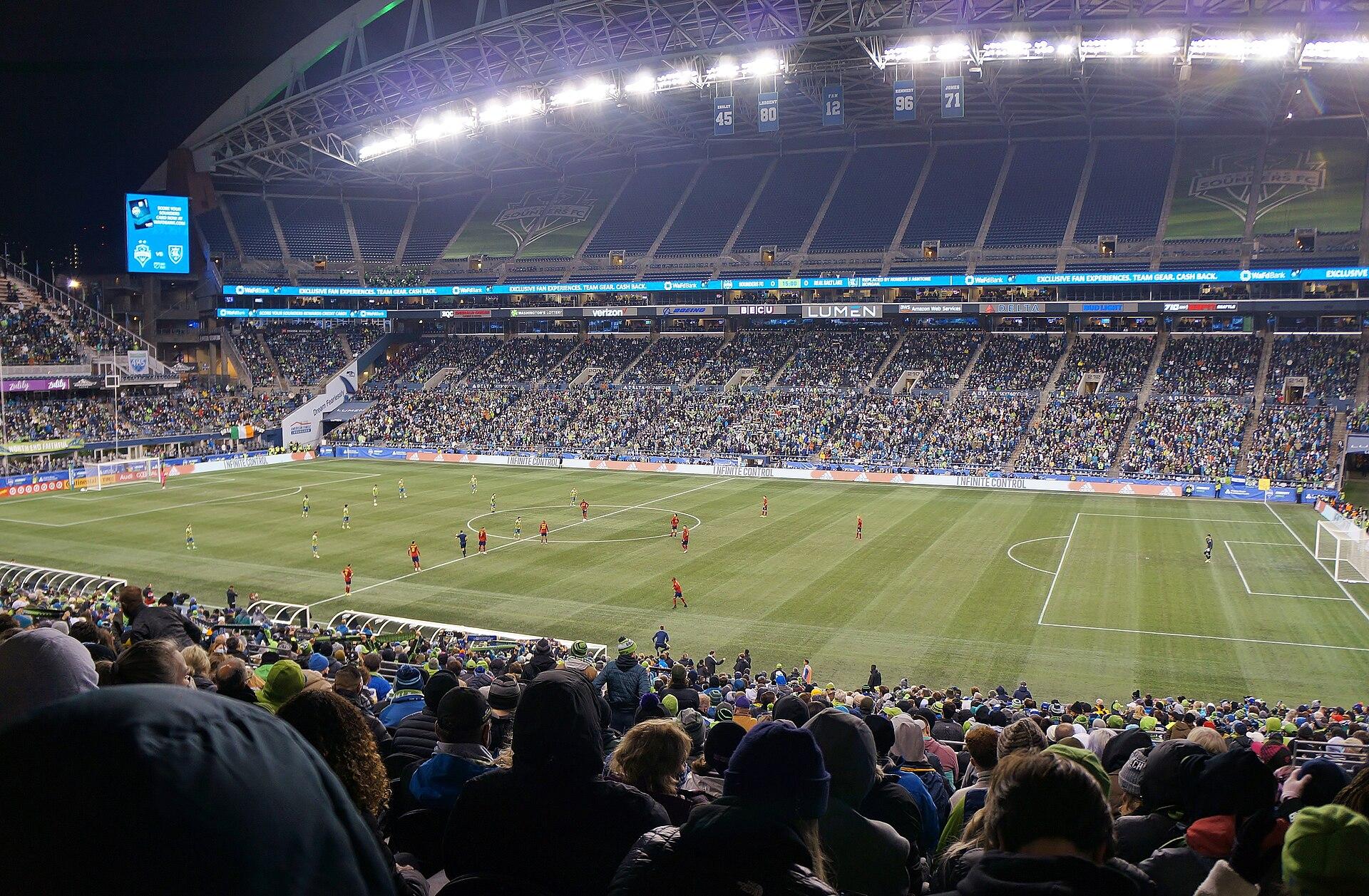
The stakes ran deeper than a place in the next round. A World Cup on North American soil is, for the diaspora, a rare collapse of distance. The players they grew up watching on grainy streams were now performing a few states away, in stadiums some fans could actually drive to. Tickets changed hands in WhatsApp groups; jerseys were shipped to relatives; reunions were planned around fixture lists rather than holidays. For families who measure their years by remittances sent and flights they cannot always afford, the tournament offered something simpler — a reason to gather, in person and in pride, on the same continent for once.
Every African advance in this tournament is read back home and abroad as evidence of a larger argument: that the continent's football, long underestimated and under-resourced, belongs at the summit. A late defeat does not erase that argument, but it stings precisely because the audience is so invested in it. The orange shirts were not only mourning a scoreline. They were mourning, for one evening, a story they badly wanted to keep telling — the story in which the team that looks like them does not fall at the very last kick.
Ten Teams, One Audience
There is a reason the African presence at this World Cup has been read as a milestone rather than a footnote. Ten qualified sides is the largest African contingent in the history of the tournament, the product of an expanded format that widened the door for the continent. Each of those teams travels with a second, invisible squad: the diaspora that follows it from afar, swelling the real crowds in American stadiums and filling rented halls in cities far from any host venue.
For Kenyans and other East Africans, that audience is built on adoption rather than allegiance. It is common, in a single diaspora gathering, to find Kenyan, Ugandan, Nigerian and Ghanaian families watching a match featuring none of their countries and treating every tackle as personal. The continent that can feel fractured in its politics tends to close ranks around a ball. Ivory Coast's stumble, in that sense, was a shared loss long before it was a national one, and the consolation that followed travelled the same shared channels.
The Road That Remains
Ivory Coast's tournament is far from over. The Elephants had opened their group with a 1-0 win over Ecuador, and a strong result in their final fixture would still carry them into the knockout rounds of an expanded, 48-team format that is more forgiving than World Cups of the past. The defeat to Germany cost them momentum and top spot, not their place in the competition. The diaspora crowds will fill the same halls again, orange once more, willing them through one more time.
That is the bargain of supporting from abroad. The disappointment travels instantly across time zones, but so does the hope. By the time the final whistle had sounded in stoppage time and the German substitutes were celebrating, the messages were already moving between continents — consolation, analysis, the stubborn arithmetic of what is still possible. In a Bronx apartment and a Nairobi sitting room alike, someone was already working out the path that remains.
For now, the watch parties have gone quiet. They will not stay that way. There is another match to come, another continent's worth of adopted hope to carry, and a World Cup still being played close enough, for once, to touch.