The Track That Leads to Glasgow: How Kenya's Commonwealth Trials Stir a Diaspora Waiting in Scotland
More than 800 athletes, some flying home from the diaspora, chased 49 Commonwealth Games tickets at Nyayo — and a return to a city where Kenya once struck gold.
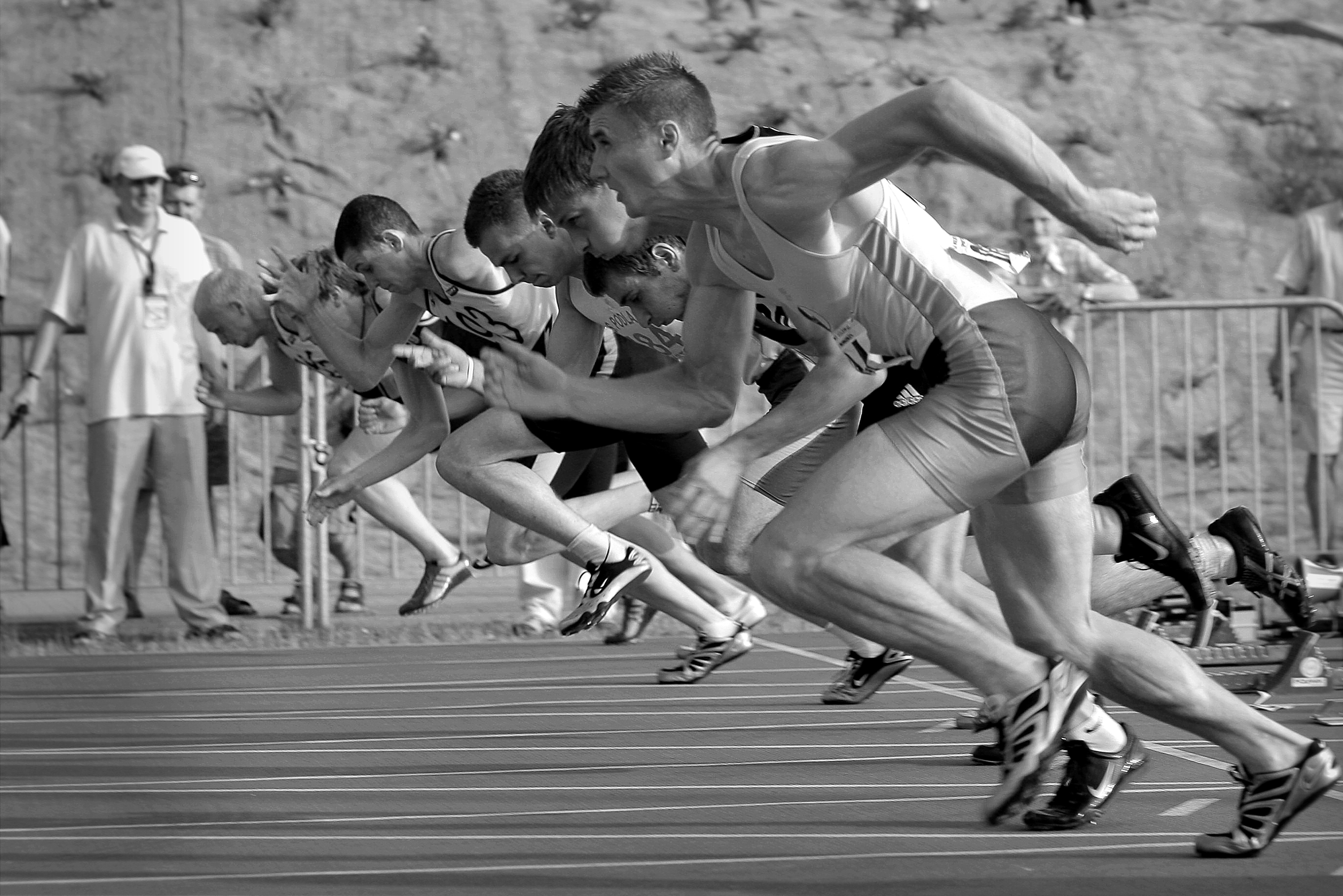
The blue track at Nyayo National Stadium has a way of shrinking the world. On the final morning of Kenya's national trials, an athlete settles into the blocks, the starter raises his arm, and for ten or twenty or thirty laps nothing exists except the lane ahead and the place it might lead. This week, that place had a name and a date: Glasgow, Scotland, July 23 to August 2, where the 2026 Commonwealth Games will open and where Kenya intends to arrive in force.
From June 18 to June 20, more than 800 athletes passed through the stadium for the National Championships, which Athletics Kenya turned into its selection trials for the Games. Most had come from the country's twelve athletics regions and from affiliate institutions such as the Kenya Defence Forces and the training colleges. But some had travelled much further — flying home from clubs, universities and quietly built lives abroad to line up on Kenyan soil and try to earn the right to wear the national vest one more time.
A Stadium Turned Into a Doorway
The arithmetic at Nyayo was unforgiving. Athletics Kenya has been allocated a quota of 49 athletes for Glasgow by the National Olympic Committee of Kenya, and there were far more contenders than tickets. The federation was blunt about what it would take to make the cut. Only those who won at the trials would be guaranteed direct entry, and even a win was not the end of it.
"We are looking at a team of 49 athletes for Glasgow, but every athlete must meet the qualification requirements set for the Games," Athletics Kenya senior vice president Paul Mutwii said ahead of the championships. Athletes, he explained, had to be properly accredited and to have competed in at least two or three approved meetings to be considered at all. Those who earned selection would then be handed to the National Olympic Committee of Kenya for final accreditation before the team flies out.
The championships ran on a points and placing structure, with awards in three categories — the top three overall men, the top three overall women, and the top three most improved athletes. KCB Bank put up ten million shillings to underwrite the event, a reminder that even a trials weekend now carries the weight of corporate sponsorship and national expectation.
The Names the Diaspora Knows by Heart
For Kenyans watching from living rooms in Dallas, Manchester or Doha, the start lists read like a roll call of old friends. Ferdinand Omanyala, Africa's fastest man, came to Nyayo chasing a return to the Games and the chance to defend the 100m crown he seized in Birmingham in 2022, where he ran 10.02 to hold off the field. "I don't want that crown to leave the country," he has said.
The women's 800m promised its own drama. World champion Lilian Odira arrived hunting a maiden Commonwealth appearance — "this will be my debut if I can make the team," she said — while Mary Moraa, the Olympic bronze medallist and reigning Commonwealth 800m champion, defended the standing she earned with gold in Birmingham. Former world 1,500m champion Timothy Cheruiyot, twice a Commonwealth silver medallist, flew in from the European circuit because, as he put it, the Games were coming and he would "go home for the trials."
The distance and field events carried their own stories: national 5,000m champion Rebecca Mwangi, weighing a 5,000m and 10,000m double; Diana Wanza, fresh from a 10,000m continental title in Accra; and javelin veteran Julius Yego, who first struck gold in Glasgow back in 2014 and would love to close the circle in the same city.
Why Glasgow Carries Extra Weight
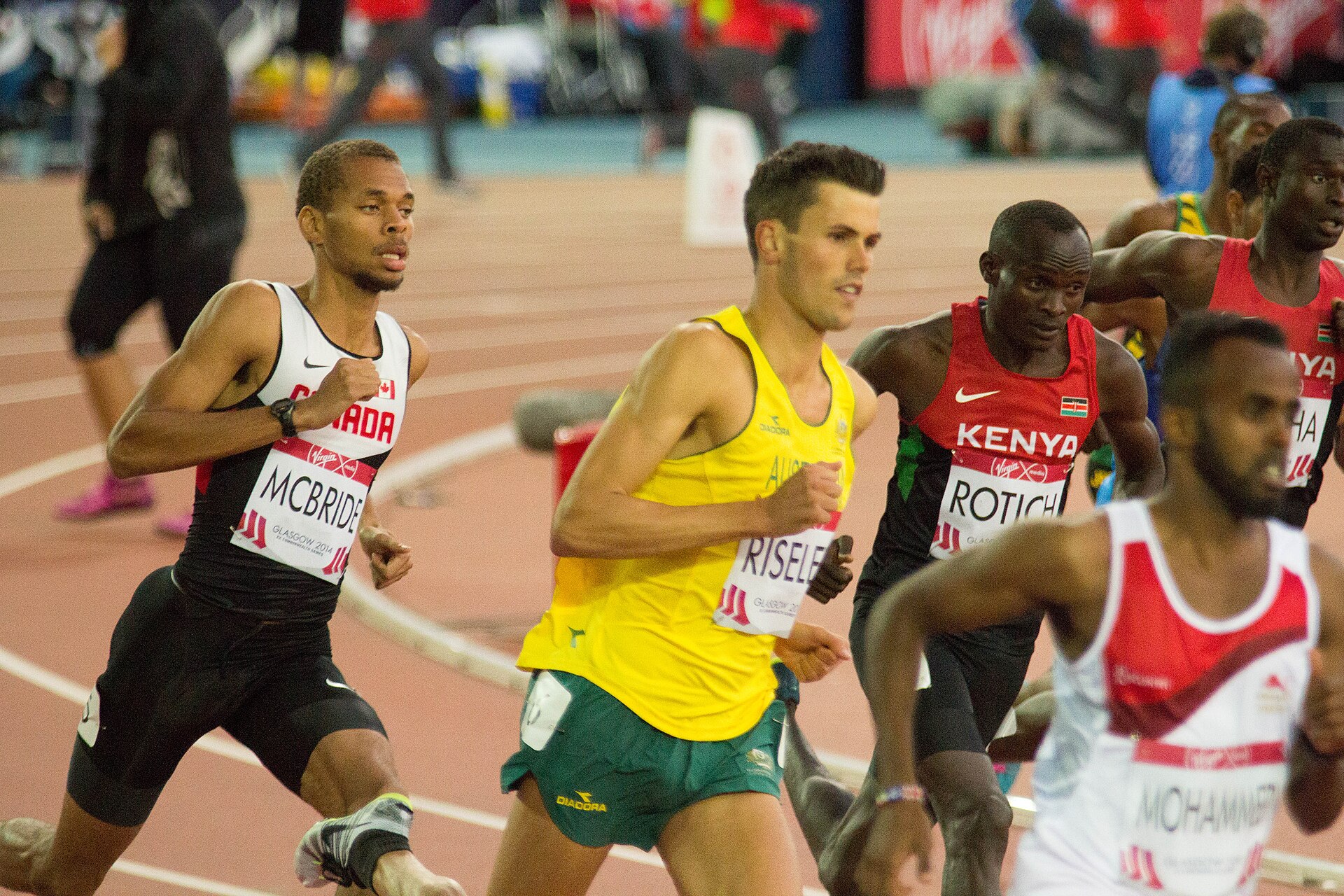
There is a reason Glasgow stirs something particular in Kenyan supporters. The last time the Games were held there, in 2014, Kenya left with 21 medals, 20 of them from athletics, finishing 13th on the table. For a generation of fans, Glasgow is shorthand for a golden run, and the return of the Games to the same city invites comparison and hope in equal measure.
The diaspora dimension is more than nostalgia. The United Kingdom is home to one of the largest Kenyan communities abroad, and a Games on British soil means something that an edition in Australia or India cannot: the prospect of watching Team Kenya in person, of buses and trains rather than long-haul flights, of green-and-red flags unfurled in the stands by people who left home years ago but never stopped counting laps.
Athletes Who Came Home to Leave Again
The trials also quietly underlined how porous the line between "home" and "abroad" has become for Kenyan athletics. Mutwii made a point of it, listing the diaspora among the talent the federation expected to see at Nyayo.
"We expect athletes from all the 12 regions, including some of Kenya's best athletes from the diaspora and our affiliate institutions such as KDF and training colleges," he said.
For those competitors, the journey is a particular kind of loop. They built training bases and racing careers in other countries, then returned to Nairobi to stand in the same blocks as everyone else, subject to the same strict criteria, in pursuit of a vest that will carry them back out into the world. To make Team Kenya from the diaspora is to be reminded that the federation's standards travel with the passport, and that representing the country still runs through a start line in Nairobi.
What Comes Next
By the time the Games begin in late July, the names settled at Nyayo this weekend will have hardened into a 49-strong squad, vetted by Athletics Kenya and accredited by the National Olympic Committee of Kenya. Between now and then lies the familiar machinery of a major championship: final fitness checks, kit, travel, and the careful management of form so that peak speed arrives in Scotland rather than at the trials.
For the diaspora, the calculation is simpler and more personal. Some will book trains to Glasgow. Others will set alarms for odd hours to catch a final live. All of them will be watching to see whether the athletes who fought through three days at Nyayo — the established champions and the diaspora returnees alike — can make the city that gave Kenya 20 athletics medals a decade ago give a little more. The trials decided who gets to try. Glasgow will decide the rest.