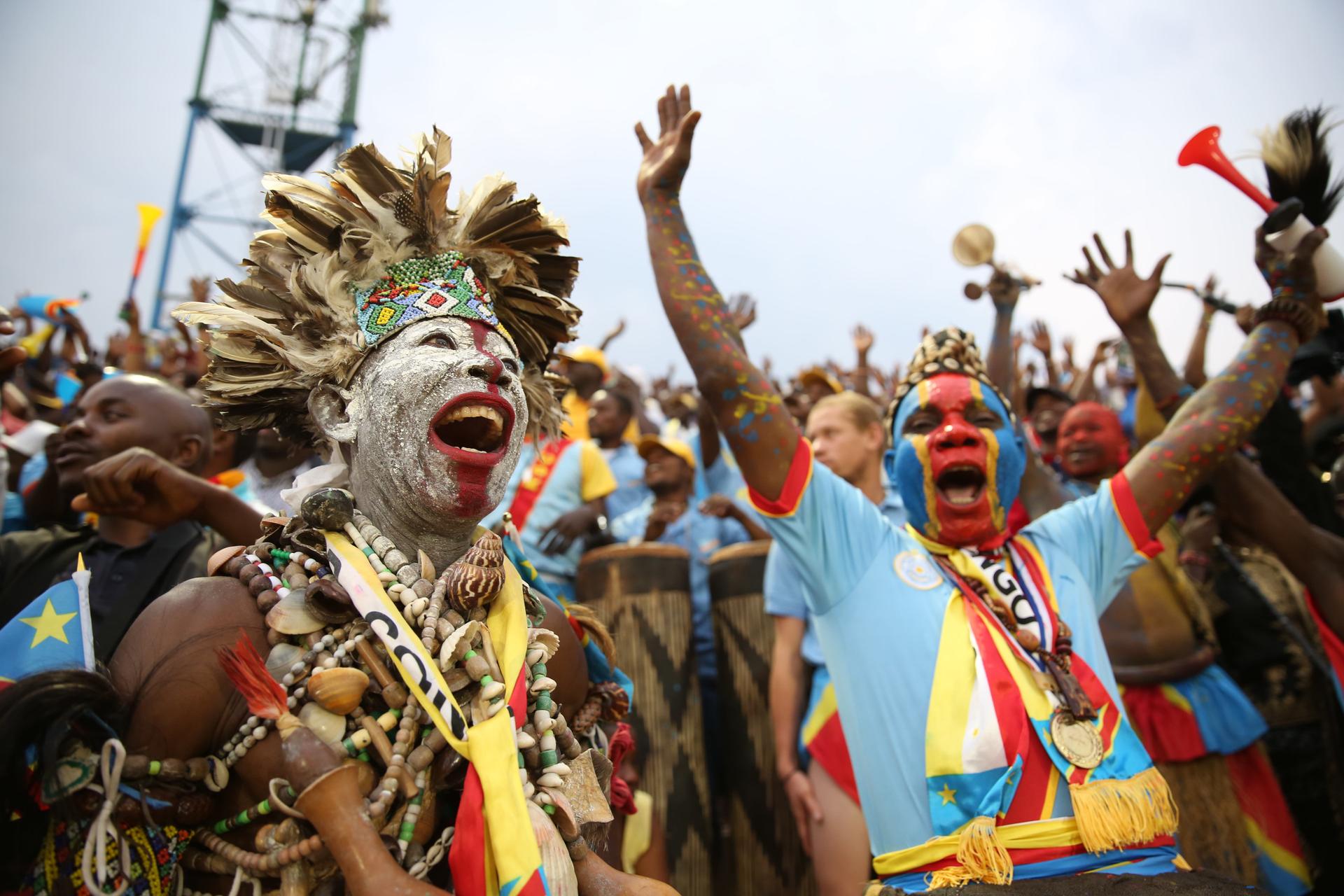
The Stadium and the Wall: How the 2026 World Cup Gathered Africa's Diaspora and Locked Out the Family Back Home
The tournament arrived on the doorstep of Kenyans and other Africans living in the United States. For the relatives who wanted to join them, the consulate had other plans.
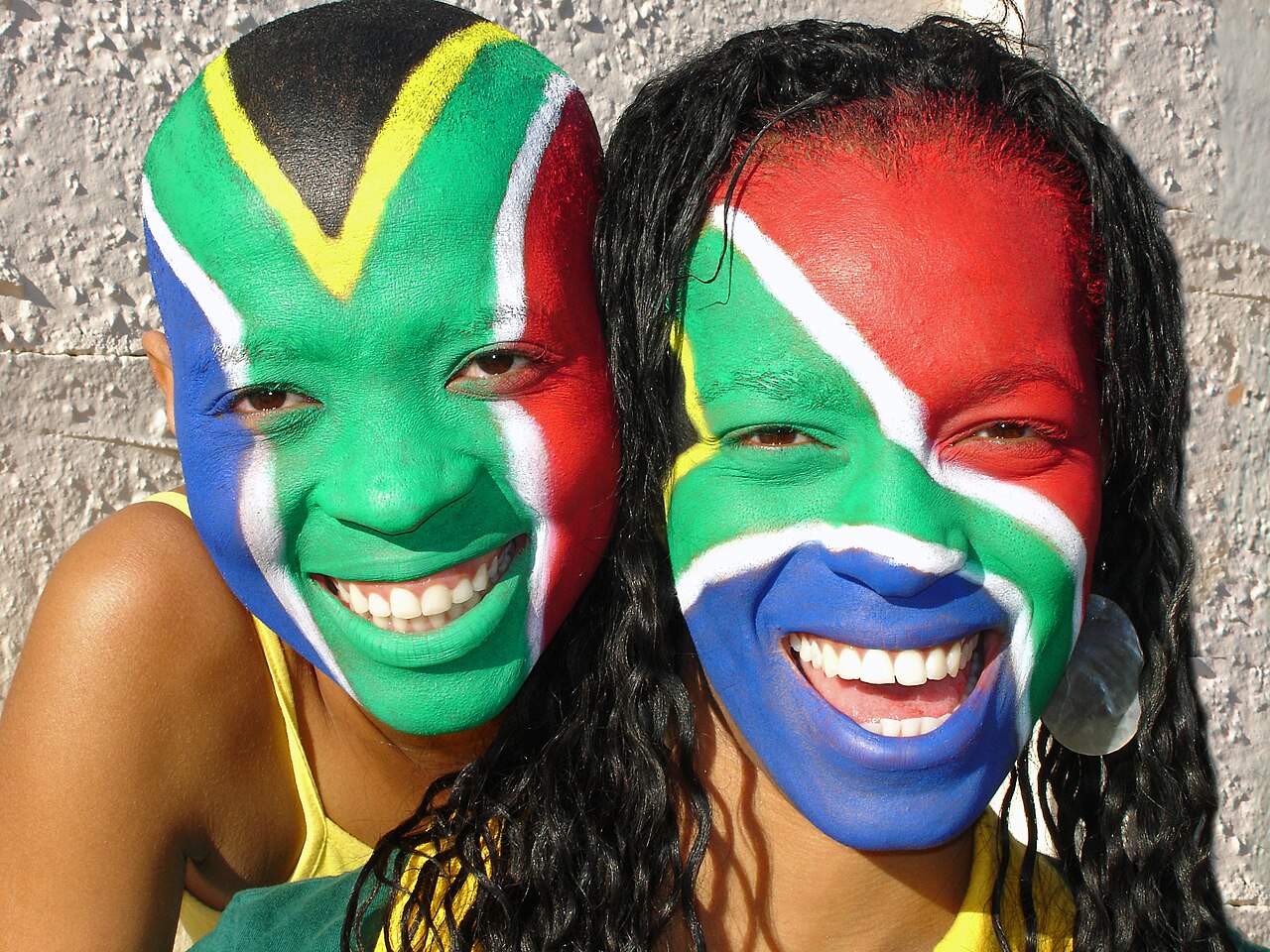
For a man who has spent eleven years in Atlanta, the strangeness was in how close it all suddenly was. The biggest football tournament on earth had not come to a screen in the small hours; it had come to a stadium twenty minutes from his apartment, with a continent's worth of teams arriving by the planeload. He bought a scarf. He told his brother in Nairobi to start saving for a flight.
His brother is not coming. The flight was never the problem. The visa was.
That gap — between the diaspora that is already here and the family that cannot follow — is the quiet shape of the 2026 World Cup for hundreds of thousands of Africans living in the United States. The first tournament co-hosted by three nations has put forty-eight teams and a record ten African sides within driving distance of communities that have spent years dreaming of exactly this. It has also arrived inside an American immigration system that has rarely been harder for an African passport to cross.
The Tournament That Came to Their Doorstep
The expanded 2026 World Cup spreads 104 matches across sixteen host cities in the United States, Canada and Mexico, with the United States staging nearly three-quarters of the games. For the African diaspora, the geography is its own kind of gift. Cities with deep African and Caribbean populations — Atlanta, Philadelphia, New York, the Washington corridor — sit at the center of the tournament, and the watch parties, fan zones and church-hall screenings have become gathering points for people who normally follow their teams alone at a laptop.
Kenya is not among the qualified nations; the Harambee Stars have never reached a World Cup. But the Kenyan diaspora has folded itself into the broader African campaign, adopting Morocco, Ghana, Senegal and Ivory Coast as proxies for a continent that, for once, is unmistakably present. Ten African teams is the most the tournament has ever featured, and in diaspora neighborhoods the flags on the cars do not all match the passports in the glove compartments. That is the point. For a community used to being a footnote in the host country's sporting life, the World Cup has briefly made it a host community of its own.
The Wall at the Consulate
The harder story is the one happening at embassies and visa windows on the other side of the ocean. According to the Council on Foreign Relations, four countries whose teams qualified for the tournament — Haiti, Iran, Ivory Coast and Senegal — fall under a U.S. travel ban, meaning ordinary fans holding those passports cannot attend the American matches at all. Many other qualified nations, including Ghana, Egypt and Morocco, sit on a separate visa-pause list that complicates immigrant visas and, in practice, invites heavier scrutiny of anyone applying to travel.
Then there is the cost. The New York Times, cited in the same CFR analysis, reported that nonimmigrant visa holders from several participating countries — including Ivory Coast, Senegal, Algeria and Cape Verde — can be required to post a bond of up to 15,000 dollars simply to enter the United States for the games. For a family in Dakar or Abidjan, that is not a deposit; it is a wall priced as a number. A proposal to require applicants from dozens of countries to hand over years of social media history, also described by CFR, adds a second deterrent measured not in money but in suspicion.
None of these rules name Kenya directly, and Kenyan tourist-visa holders are not subject to the same blanket bans. But diaspora families know how policy travels. The mood at the consulate, the length of the queue, the questions asked at the window — these things do not stop neatly at a border on a list. When the door tightens for the continent, Kenyans feel the draft.
Watching From Nairobi at 4 a.m.
For those who never expected to travel, the tournament is a test of stamina. Because the matches are scattered across four North American time zones, Kenyan viewers more than seven hours ahead of the U.S. East Coast face kickoffs at every hour of the night. As the Daily Nation laid out for its readers, some fixtures land at the friendly hours of 8 and 10 p.m., but many of the marquee ties fall at 1, 2, 3 and 4 in the morning Kenyan time.
There are rewards for the sleepless. The African challenge opened with Morocco against five-time champions Brazil, and the calendar offers an England–Ghana meeting later in the group stage that will pull diaspora and home audiences alike toward the screen. The Daily Nation noted, almost as consolation, that the two semi-finals were scheduled at 10 and 11 p.m. Kenyan time — a rare kindness to a continent that has learned to set alarms for football.
The Spectacle Without the Stands
Sport, in the end, is a spectacle, and a spectacle needs people. CFR's Africa specialist Ebenezer Obadare made the point plainly: a team is diminished when its supporters cannot fill the seats behind the goal. The 1994 Atlanta Olympics, he recalled, drew Nigerians who flew in to shout their athletes home; the absence of that noise is its own kind of result.
That absence may be sharpened by who is patrolling the concourses. CFR notes that U.S. Immigration and Customs Enforcement has signaled it will play a role in World Cup security, even as a bill in Congress seeks to bar federal immigration enforcement from the games over fears it would frighten away the very visitors the tournament was meant to celebrate. For African fans weighing whether to risk the journey, the uniform at the turnstile is part of the calculation.
What the Diaspora Carries
So the burden of representation falls, as it often does, on the people already inside the country. In Atlanta and Philadelphia and the suburbs of Washington, the Kenyan and broader African diaspora will carry the noise their relatives cannot bring — singing for teams that are not quite theirs, on behalf of a continent that is, for a month, finally in the room.
The man with the new scarf will go to his match. He will film it on his phone and send it to his brother, who will watch it at 4 a.m. in Nairobi, on a different continent, cheering the same goal. It is not the reunion either of them wanted. But it is, for now, the version the tournament allows — a World Cup that opened its gates to the diaspora and quietly closed them to the family left behind.