A Flag Raised in New Jersey: How Morocco's World Cup Opener United an African Diaspora Watching From Its New Home
As Morocco met Brazil at MetLife Stadium, Kenyan and African families across North America gathered around screens to watch a World Cup unfold, for once, in the country they now call home.
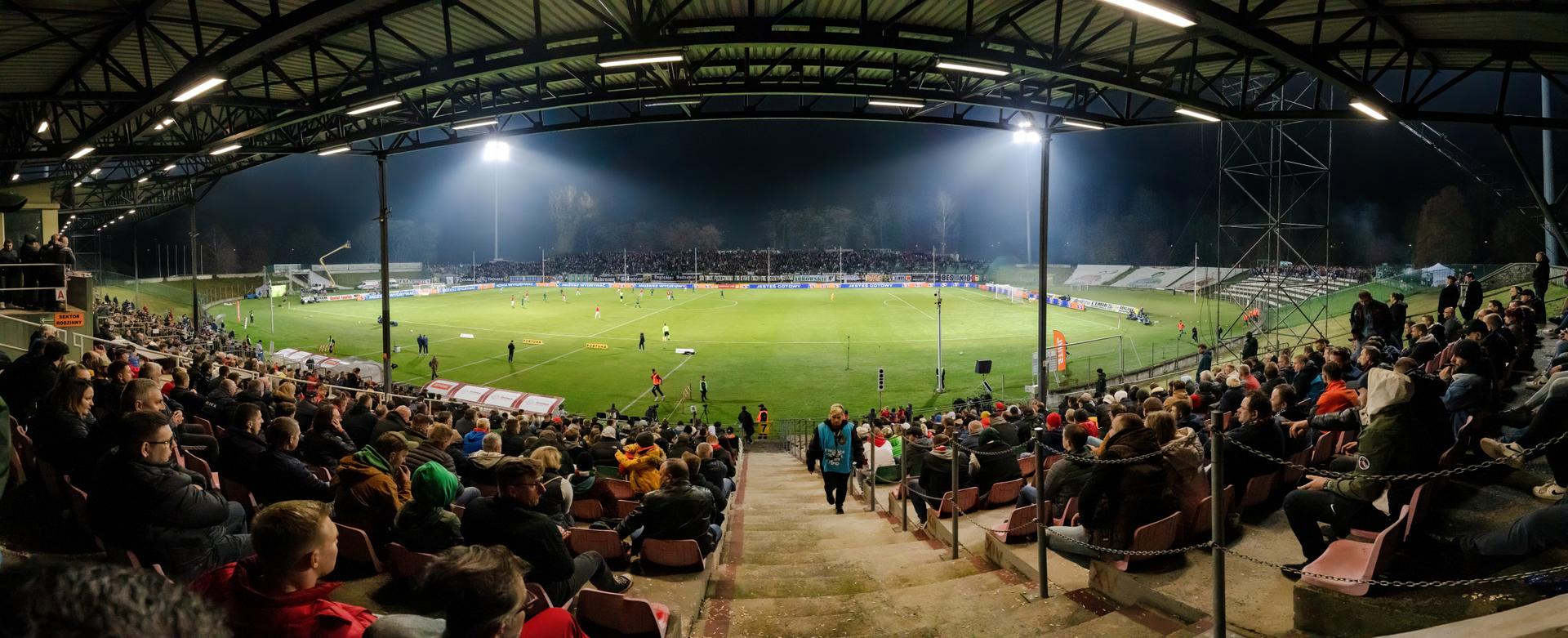
On Saturday evening, the lights came up over a stadium in East Rutherford, New Jersey, and a continent's worth of hope walked out onto the grass with eleven men in red. Morocco, the team that four years ago carried the dreams of Africa and the Arab world deeper into a World Cup than either had ever travelled, opened its 2026 campaign against Brazil, the five-time champions, at MetLife Stadium. For the tens of thousands of Africans who have made North America their home, the moment landed differently than any World Cup before it. The tournament was not on another continent, glimpsed through a screen at an inconvenient hour. It was down the highway.
A Game Within Reach
For Kenyans and other Africans living in the United States and Canada, the 2026 World Cup is the first they can attend rather than merely watch. The tournament, the first to feature 48 teams, is being staged across the United States, Canada and Mexico, with matches in cities that are home to large and long-settled African communities. Where past tournaments meant setting an alarm for a 3 a.m. kickoff or finding the one bar willing to put on a group-stage match, this one means a train ride, a carpool, a stadium parking lot turned into an impromptu meeting of accents and flags.
That proximity changes the texture of the experience. A World Cup that happens in your time zone, in your adopted city, becomes something you can fold into ordinary life: a Saturday plan, a reason to gather, a chance to introduce children born abroad to a ritual their parents grew up with. The distance that usually defines diaspora life, the sense of always being one ocean removed from the action, narrowed to the length of a commuter rail line.
Why Morocco Carries More Than Its Own Hopes
Morocco's opener mattered far beyond the country's own supporters. In 2022, the Atlas Lions became the first African and the first Arab nation to reach a World Cup semifinal, beating Spain and Portugal along the way and turning a tournament in Qatar into a continental celebration. That run rewired expectations. Where African sides were once framed as plucky underdogs hoping to survive a group, Morocco arrived in North America as a team others fear, a side that has made the latter stages feel like a destination rather than a fantasy.
For the broader African diaspora, including Kenyans whose own national team has never reached a World Cup, Morocco has become a shared flag. Supporting the Atlas Lions is not about national allegiance so much as continental pride, a way of seeing Africa contend at the very top of the global game. When Ismael Saibari struck first to put Morocco ahead inside the opening half-hour against Carlo Ancelotti's Brazil, the roar that went up in living rooms and restaurants was not only Moroccan. It was Senegalese, Nigerian, Ghanaian, Ethiopian and Kenyan too.
The Watch Party as Homecoming
The watch party has long been the diaspora's substitute for the stadium, and on Saturday those gatherings carried an unusual charge. Brazil's supporters, famous for travelling in noisy waves, took over corners of New York in the hours before kickoff, and African fans answered with their own colour. Across North America, community halls, churches that double as social hubs on weekends, and family kitchens became viewing rooms. The point of these gatherings has never been only the football. They are where new arrivals meet established families, where job leads and housing tips are traded over half-time tea, where a language spoken less and less at work fills a room again.
Brazil drew level before the interval through Vinicius Junior, and the match settled into the kind of contest that keeps a room on its feet. But for many watching, the score line was almost secondary to the fact of the thing: an African team trading blows with one of the sport's giants, on a field a short drive from where they live, in a tournament their neighbours were also watching.
A Tournament That Reflects the Diaspora Back to Itself
This World Cup is unusually full of mirrors for migrant communities. On the same Saturday that Morocco faced Brazil, Haiti, a nation whose diaspora is woven through the cities of the American northeast, prepared to play Scotland in Massachusetts. Qatar, hosts of the last edition, had already snatched a late point against Switzerland. The map of the tournament reads, in places, like a map of migration itself, and that overlap is part of why 2026 feels less like a foreign spectacle and more like a family event.
For Kenyan communities specifically, the tournament arrives amid a season of harder headlines, from immigration anxieties to the steady ache of distance from home. Football does not answer any of that. But for ninety minutes it offers something the diaspora rarely gets in such concentrated form: a reason to be loud, together, and unembarrassed about where they come from. The flags that came out on Saturday were not statements. They were simply, briefly, home.
What Comes Next
Morocco's group-stage journey is only beginning, and the diaspora's attention will not fade with the final whistle of the opener. Senegal, another African side with continental ambitions, takes the field against France on June 16, a fixture freighted with history. South Africa, beaten earlier in its own opening match, must now regroup. Over the coming weeks the tournament will move between host cities, and with it the rolling festival of watch parties, fan zones and stadium pilgrimages that the diaspora has built around it.
When the 2026 World Cup is remembered, the African diaspora in North America may recall it less for any single result than for its nearness, the year the world's biggest sporting event came to the streets where they had quietly built new lives. For one Saturday night in New Jersey, the distance closed, a continent leaned forward in unison, and home felt a great deal closer than usual.