The Continent in the Bleachers: How a Record Ten African Teams at the American World Cup United a Scattered Diaspora
For the first time the World Cup is being played on US soil, and a record ten African nations have turned diaspora sports bars and living rooms into embassies of belonging.
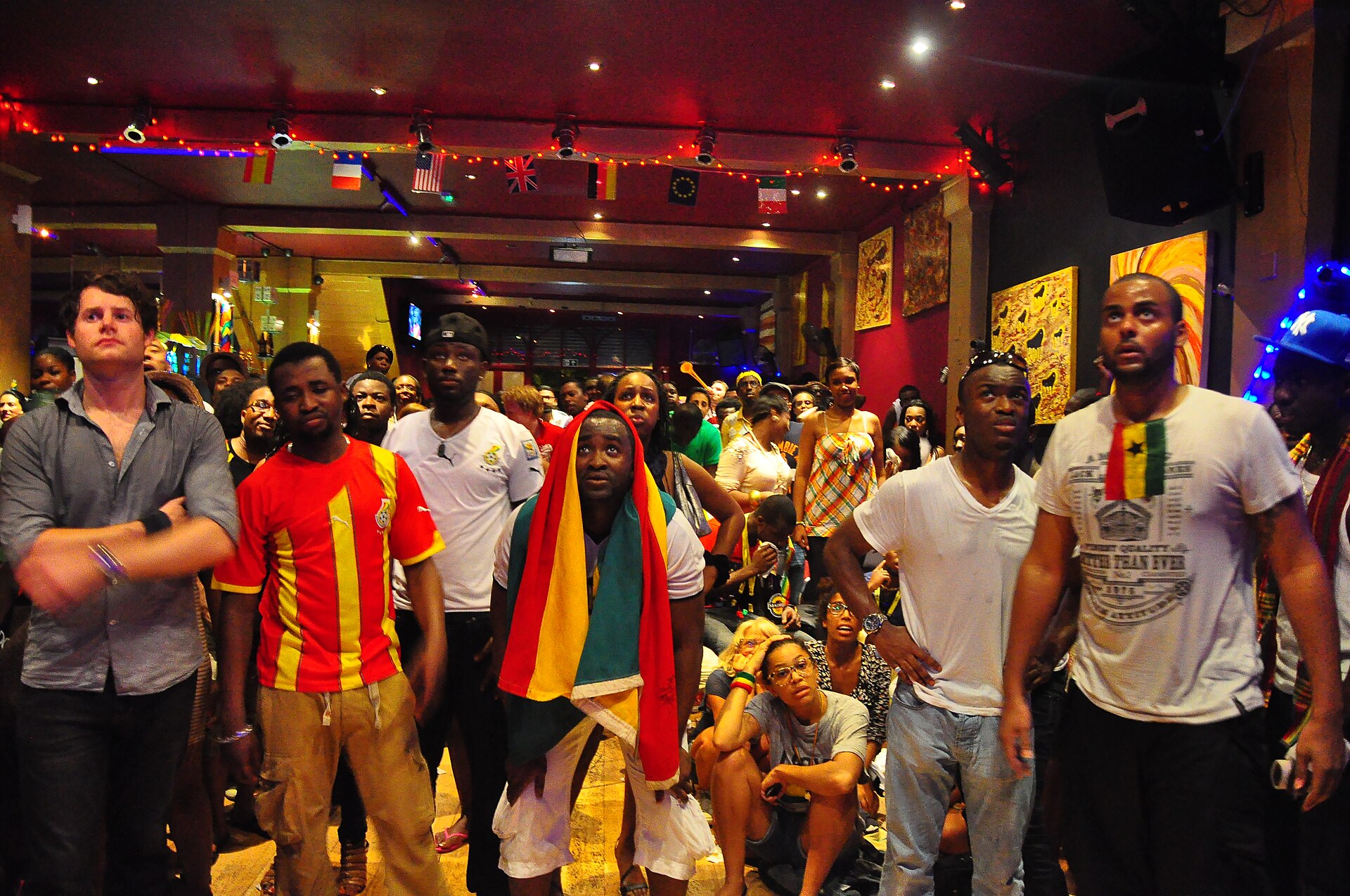
By mid-afternoon on match day, the small Ghanaian restaurant tucked behind a strip mall has run out of chairs. Plastic stools come out, then upturned crates, then nothing at all, and the latecomers simply stand four deep behind the people who arrived early enough to claim a table near the television. Somewhere in the crush a red, gold and green flag is unfurled and pinned to the wall beside the menu board. When the whistle blows for kickoff, a room full of people who spent the morning in American jobs becomes, for ninety minutes, an outpost of home.
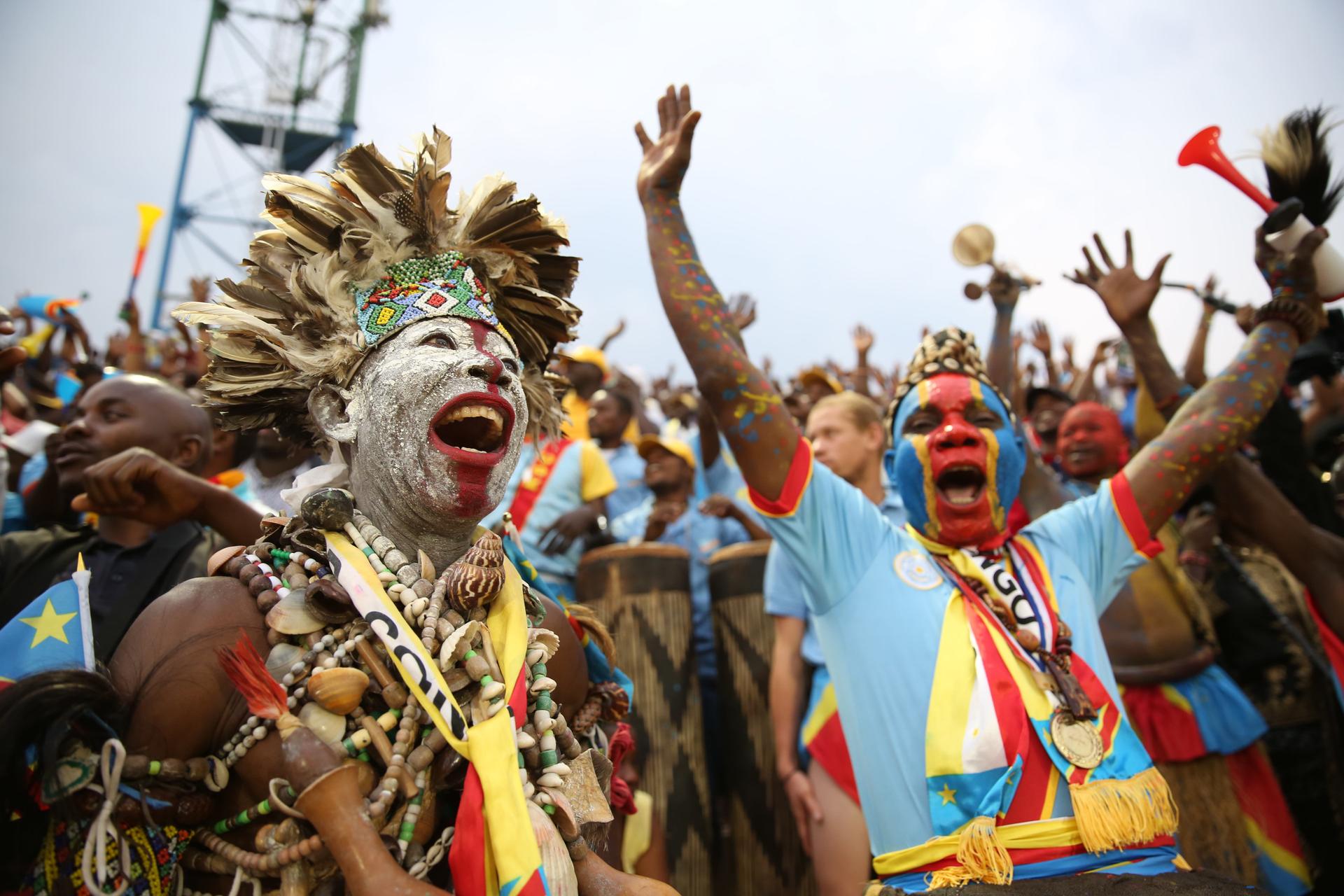
Scenes like that one are repeating across the United States this month, and not only among Ghanaians. For the first time, the FIFA World Cup is being staged on American soil — co-hosted with Canada and Mexico — and it has arrived carrying a record ten African teams. For the millions of Africans who have built lives in American cities, the tournament is less a distant spectacle beamed across an ocean than a season unfolding in their own time zone, in stadiums some of them can actually drive to.
A Tournament That Came to the Diaspora's Doorstep
There is a particular ache to following your country's team from abroad. The matches usually kick off at inconvenient hours; the commentary is in another language; the celebrations happen in a square thousands of miles away. This year the geography has flipped. When South Africa took the field on 18 June, they did so at the Mercedes-Benz Stadium in Atlanta, a city with a deep and growing African population. When Senegal opened their campaign against France, the venue was the New York–New Jersey stadium at MetLife, within reach of one of the largest West African communities in the country.
That proximity changes the texture of fandom. Watch parties that once meant a few friends and a laptop stream have become organised gatherings in restaurants, churches and community halls. The diaspora is not merely spectating; in many host cities it is the home crowd.
Ten Teams, Ten Different Fridays
The opening round delivered the full emotional range that African supporters have come to expect. Across their first matches, the continent's ten representatives produced two wins, a clutch of draws and several painful defeats — a ledger that left almost every fan base with something to argue about over the weekend.
Ghana gave its supporters the cleanest joy. The Black Stars beat Panama 1-0, with Caleb Yirenkyi striking deep into second-half stoppage time to settle a tense, grinding contest. Ivory Coast matched them, edging Ecuador 1-0 thanks to a 90th-minute winner from Amad Diallo after a driving run by Wilfried Singo. Two late goals, two full sets of three points, and two diaspora communities that went home hoarse.
The Comebacks and the Heartbreaks
Elsewhere the stories were more complicated, which is often where the deepest loyalty lives. DR Congo announced itself with history: Brentford striker Yoane Wissa scored the nation's first-ever World Cup goal to earn a 1-1 draw against Portugal, a result that turned a debutant's nerves into belief. Morocco held Brazil 1-1, Ismael Saibari scoring their goal, while Egypt drew 1-1 with Belgium through Emam Ashour. Cape Verde, the smallest nation at the tournament, produced perhaps the performance of the round, holding Spain to a goalless draw behind a goalkeeping display of seven saves.
The defeats stung. Senegal fell 1-3 to France, Algeria were beaten 0-3 by Argentina, and Tunisia endured a chastening 1-5 loss to Sweden that cost coach Sabri Lamouchi his job within days; the federation moved quickly to bring in the experienced Hervé Renard to rescue the campaign. South Africa lost their opener 0-2 to Mexico before steadying themselves on 18 June, when Teboho Mokoena converted an 83rd-minute penalty to draw 1-1 with the Czech Republic and claim a first, precious point.
What the Diaspora Is Really Watching For
For all the drama of the opening fixtures, the conversation in those crowded rooms has already shifted to arithmetic. Under the expanded 48-team format, the top two from each group advance automatically to the round of 16, with several of the best third-placed teams also progressing — a structure that keeps even shaky starters alive far longer than the old system did.
That math gives nearly every African side a path, however narrow. Ivory Coast and Ghana, the two first-round winners, need only a draw in their next outings to take firm control of their groups. DR Congo, Morocco, Egypt and Cape Verde sit a single result away from comfort. Even the teams on zero points — Senegal, Algeria, Tunisia and South Africa — can still reach the knockouts with a strong finish. The second round of group games, running across 20 and 21 June, will sort hope from heartbreak: Morocco face Scotland, Ivory Coast meet Germany, Cape Verde take on Brazil and Tunisia begin their Renard era against Japan, before Ghana, DR Congo and Senegal return to action the following day.
A Mirror Held Up to a Generation
For the East African diaspora, the tournament carries a quieter, more bittersweet charge. Kenya, like most of the region, did not qualify, and so Kenyan-Americans, like Ugandans and Tanzanians and many others, will spend this World Cup adopting other people's teams — cheering a Ghanaian winger, agonising over a Senegalese back line, claiming a continent rather than a country. That habit of pan-African borrowing is itself a diaspora trait, sharpened by distance. Far from home, the lines between national flags blur into something broader: a shared stake in seeing African football respected on the world's biggest stage.
It is easy to overstate the meaning of a group match. But for a community that often experiences migration as a series of small daily negotiations — over accent, over paperwork, over belonging — a packed restaurant erupting at a stoppage-time goal is not a small thing. It is a reminder, delivered ninety minutes at a time, that the places people left did not leave them. This summer, for once, the world's biggest sporting event is being played in the diaspora's adopted backyard, and the continent has sent ten teams to make sure it is heard.