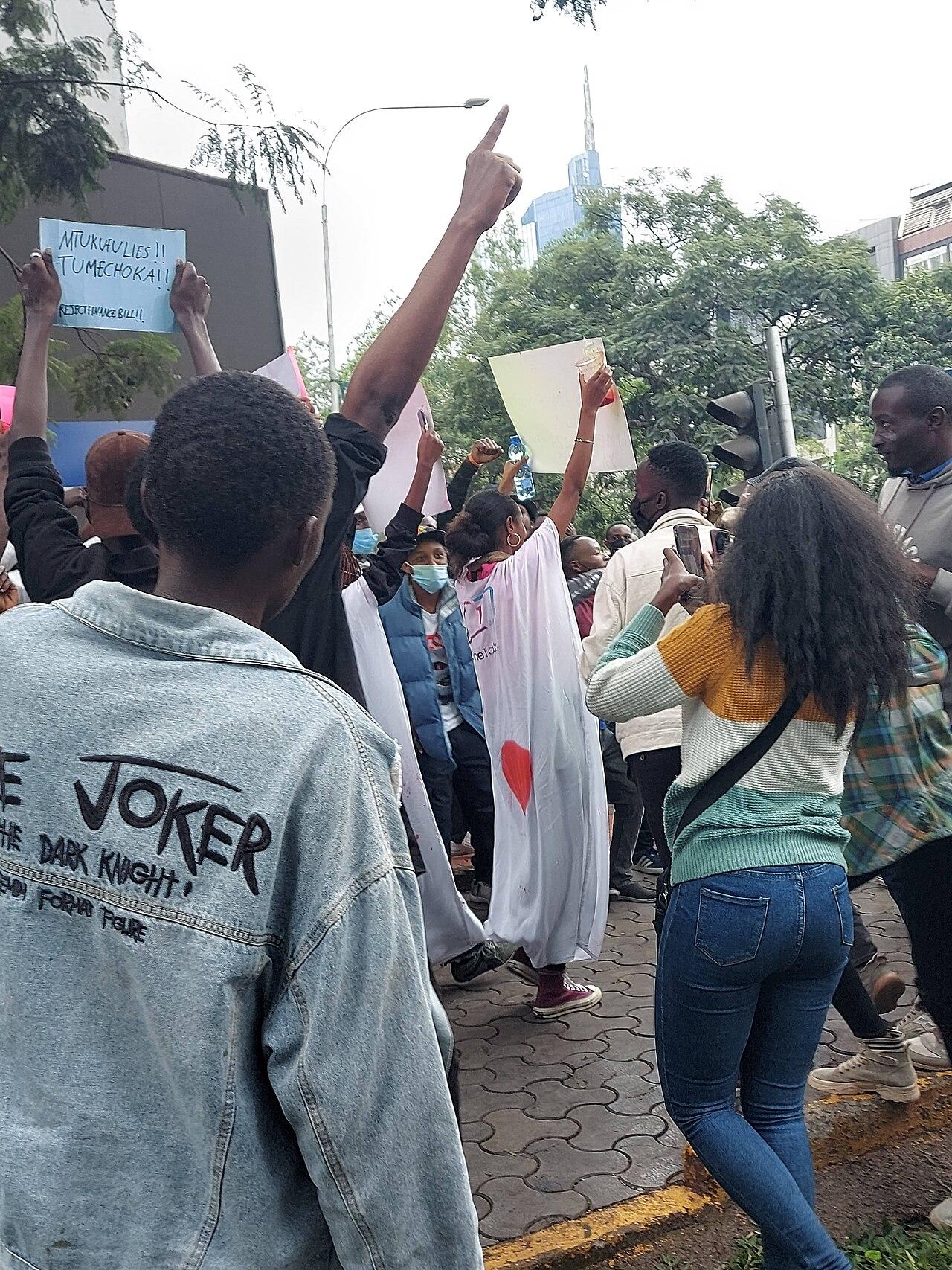
The Date That Will Not Fade: How Kenya's June 25 Anniversary Pulls the Diaspora Back Home
As Nairobi braces for nationwide demonstrations and a foreign embassy issues a travel warning, Kenyans abroad find themselves watching a national reckoning from a distance.
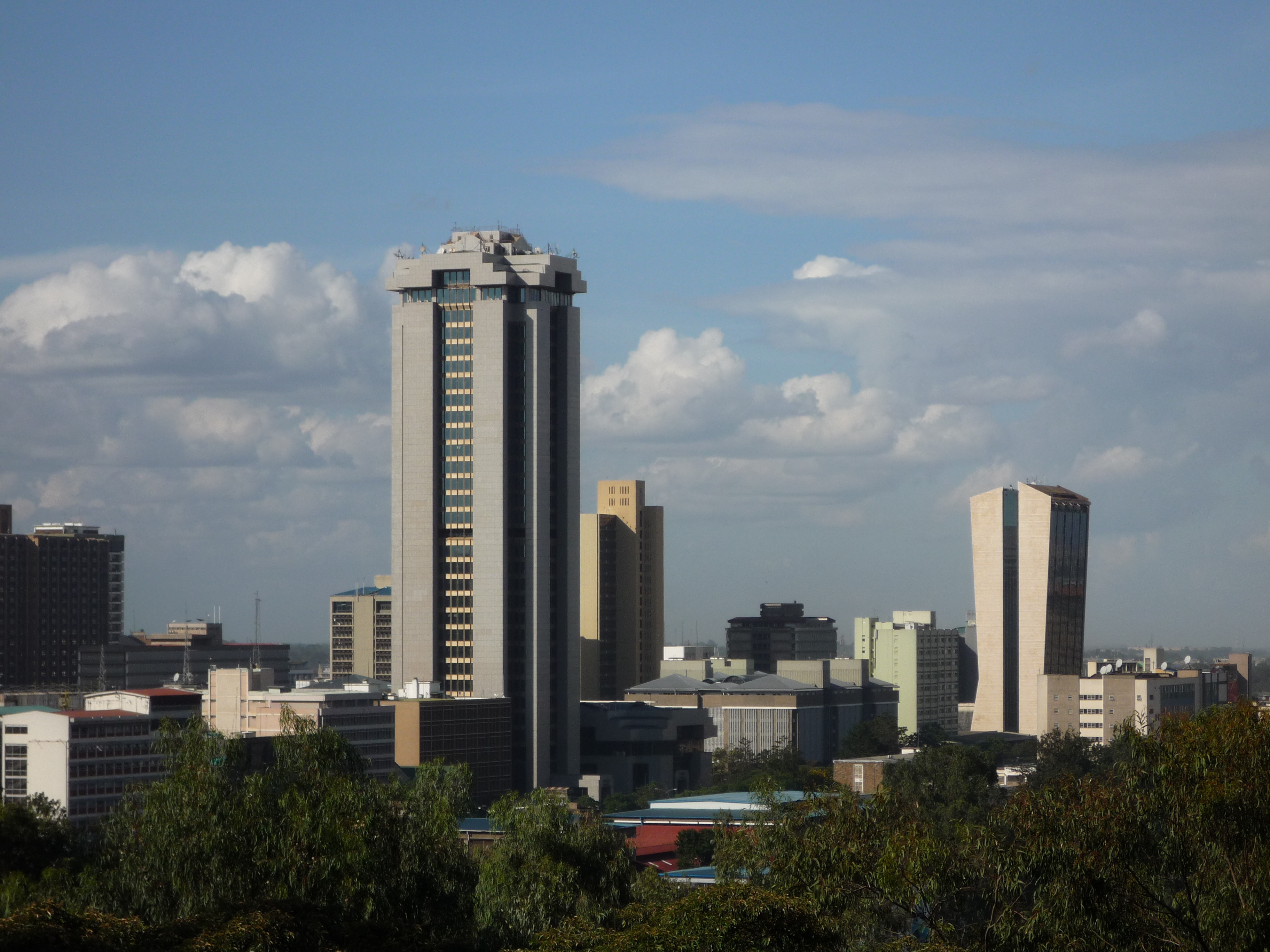
In a living room in Lowell, Massachusetts, a Kenyan mother has already worked out the time difference. When the marches begin in downtown Nairobi on the morning of 25 June, it will be the small hours of the night where she sits, eight time zones away, scrolling for the first livestreams to flicker onto her phone. Her son is a university student in Nairobi, the same age as many of the young people who filled the streets two years ago. She has asked him, gently and then less gently, to stay home that day. He has not promised anything.
That quiet negotiation between a parent abroad and a child at home is being repeated in thousands of households this week, from Atlanta to Manchester to Doha. The anniversary of Kenya's 2024 anti-Finance Bill protests has become a fixed point on the diaspora's calendar, a day that draws the attention of Kenyans overseas back to the country they left but never fully departed.
A Warning Travels Across an Ocean
The most concrete signal that something significant is approaching came not from Nairobi but from a foreign government. On 18 June, the United States Embassy in Nairobi issued a security alert advising American citizens in Kenya to take extra precautions ahead of the demonstrations planned for 25 June.
The alert warned that protests could cause major traffic disruptions, congestion and roadblocks, particularly in Nairobi's Central Business District and other urban areas. It noted that both demonstrators and police might set up barriers, creating unpredictable conditions for anyone trying to move through the city. The embassy urged citizens to avoid areas where demonstrations were taking place, to remain alert, and to follow local media for updates.
The practical advice was striking in its specificity: keep vehicle doors locked and windows closed, inform family and friends of your movements, review personal security plans, and carry essential documents, including a valid Kenyan visa and a copy of a US passport. For Kenyans in the diaspora, the advisory landed with a particular weight. Many of them hold American or other foreign passports now, and the language written for expatriate visitors applies just as squarely to a returning daughter or a visiting uncle who happens to be home for the season.
The Memory Behind the Marches
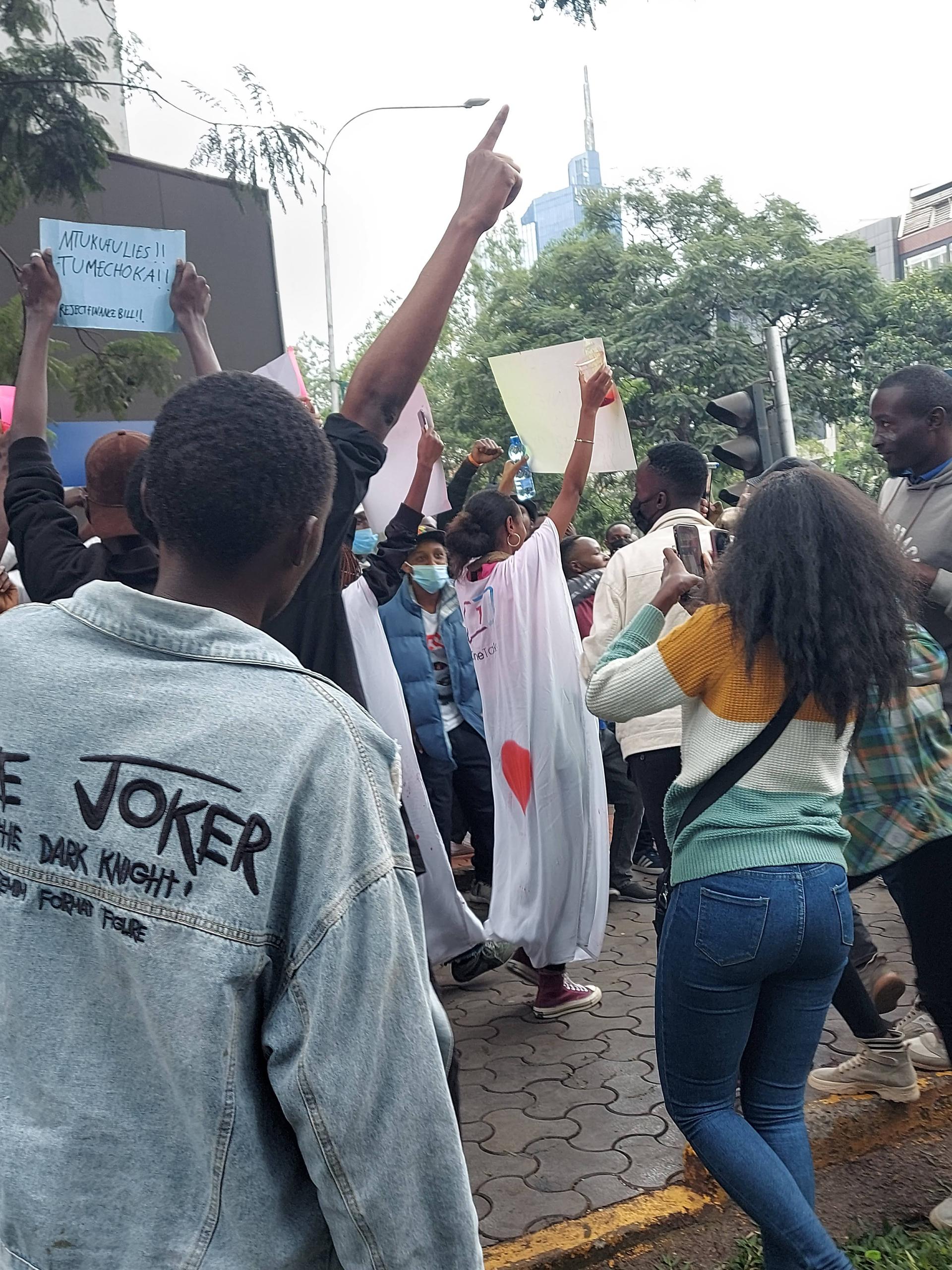
The demonstrations are organised to mark the anniversary of the 2024 protests against the Finance Bill, the episode that turned a generation of young Kenyans into a political force. What began as opposition to proposed tax increases swelled into the largest youth-led mobilisation the country had seen in years, and it ended with lives lost. For the families of those who died, 25 June has become a day of remembrance rather than a date on a political timetable.
That distinction matters. The organisers of this year's commemoration have framed it as a peaceful act of memory. On 18 June, a group of prominent public figures, including Siaya Governor James Orengo, the activist Boniface Mwangi, former Chief Justice Willy Mutunga and the politician and lawyer Martha Karua, led a symbolic march to Parliament. Accompanied by families of victims, they presented a formal notification to the Inspector General of Police, Douglas Kanja, outlining plans for a peaceful march on 25 June and calling for the date to be declared a public holiday.
The request to enshrine the day in the national calendar is itself a statement. It asks the state to acknowledge, formally and permanently, a wound that many in government would prefer to let fade. Whether the petition succeeds or not, the act of filing it converts private grief into a public claim.
A State Trying to Answer
The government has not been silent in the run-up to the anniversary. On 15 June, the Kenya National Commission on Human Rights presented a reparations framework at State House in Nairobi, intended to compensate victims of human rights violations recorded between 2017 and 2024. The commission said it had documented 1,815 claims and expected compensation payments to begin within the week.
For a diaspora that follows Kenyan affairs through a screen, the reparations framework is one of those developments that is easy to miss and hard to overstate. It is an admission, at the highest symbolic level, that the state owes something to the people harmed during years of unrest. The figure of 1,815 documented claims gives a number to suffering that had until now been counted mostly in anecdotes and funerals. The credibility of the process will depend on whether the promised payments actually arrive, and on that point Kenyans abroad will be watching as closely as anyone at home.
Why the Diaspora Cannot Look Away
There is a temptation to assume that distance dilutes attachment, that a Kenyan who has built a life in Texas or Yorkshire eventually trades the politics of home for the concerns of a new country. The evidence points the other way. Remittances remain a pillar of the Kenyan economy, which means the diaspora is financially invested in the country's stability in the most literal sense. A summer of disruption affects exchange rates, business confidence and the relatives who depend on monthly transfers.
The connection is also generational. The 2024 protests were driven by young people fluent in the same digital spaces the diaspora inhabits, and the movement crossed borders almost instantly. A march in Nairobi is amplified within minutes by Kenyans posting from London and Minneapolis. For many overseas, supporting the commemoration from afar, sharing verified information and steering relatives away from danger, is the only form of participation available to them.
Watching, and Waiting
For now, the days before 25 June carry a familiar mix of dread and resolve. The embassy alert is a reminder that the outside world is watching too, and that the date has acquired a reputation that travels. The reparations framework hints at a state trying, however imperfectly, to reckon with the past. The march to Parliament shows a civil society determined to remember on its own terms.
Back in Lowell, the mother will set an alarm she does not need, because she will not be asleep. She will watch the morning break over a city she can picture exactly, and she will wait for a single message from her son telling her that he is fine. It is the smallest possible request, and on this date, in this country, it is never quite a given.