The Door at the End of the Jet Bridge: How Congo's Ebola Surge Is Testing Kenya's Borders and the Diaspora's Way Home
As confirmed cases in DR Congo pass 1,300 and the outbreak reaches a fourth province, Kenya tightens airport screening and a US-backed quarantine plan puts Nairobi at the centre of the response.

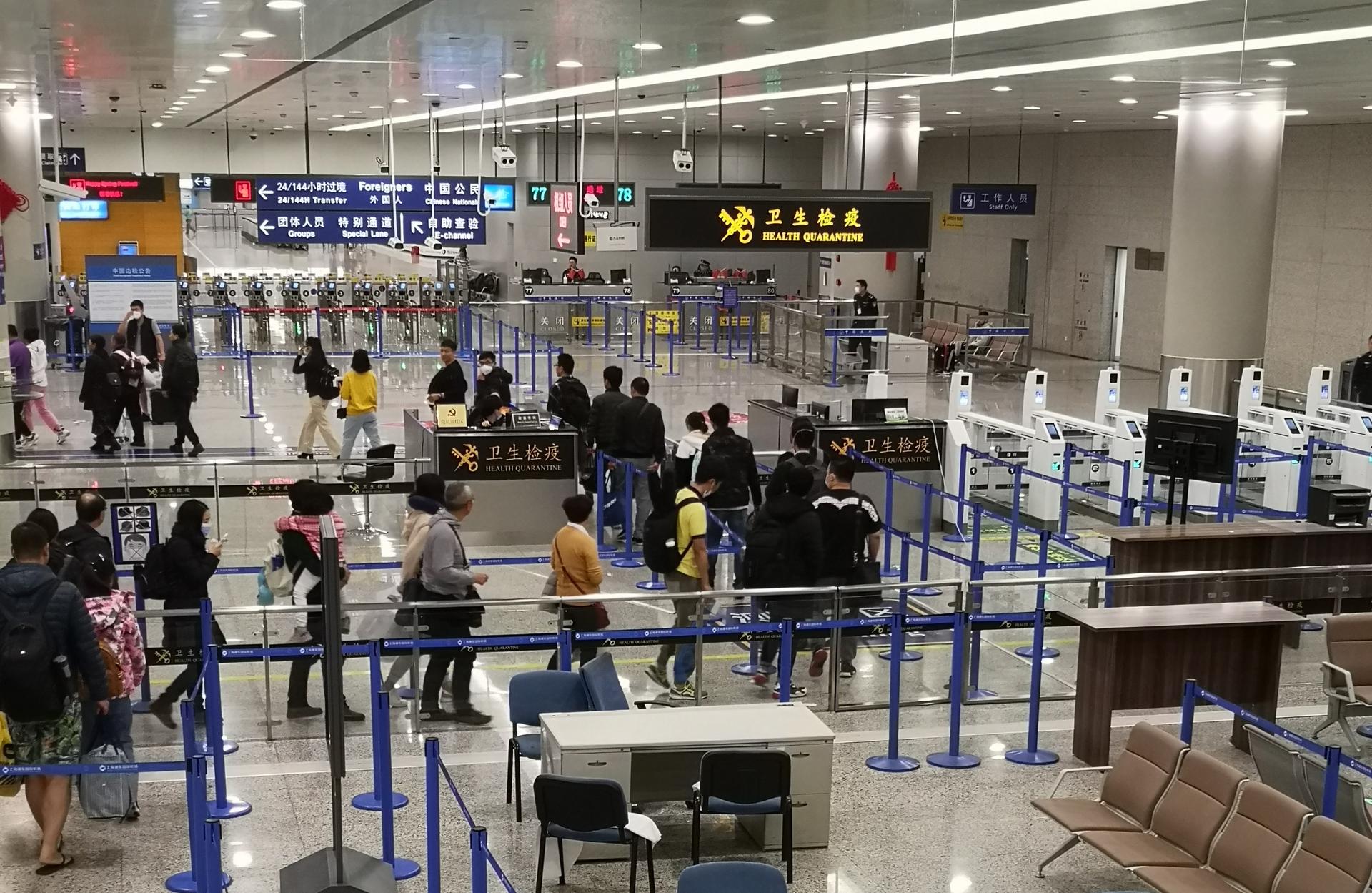
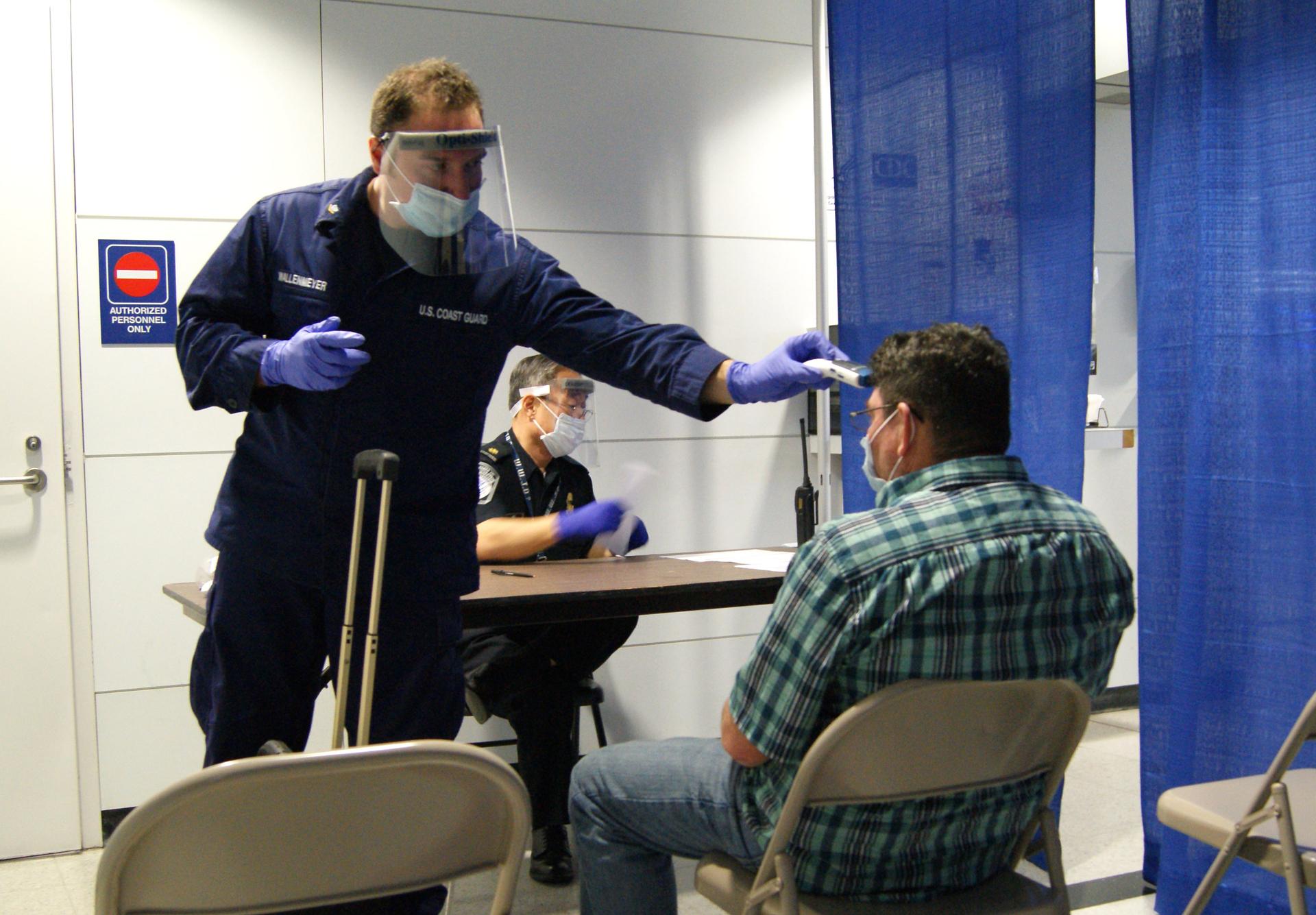
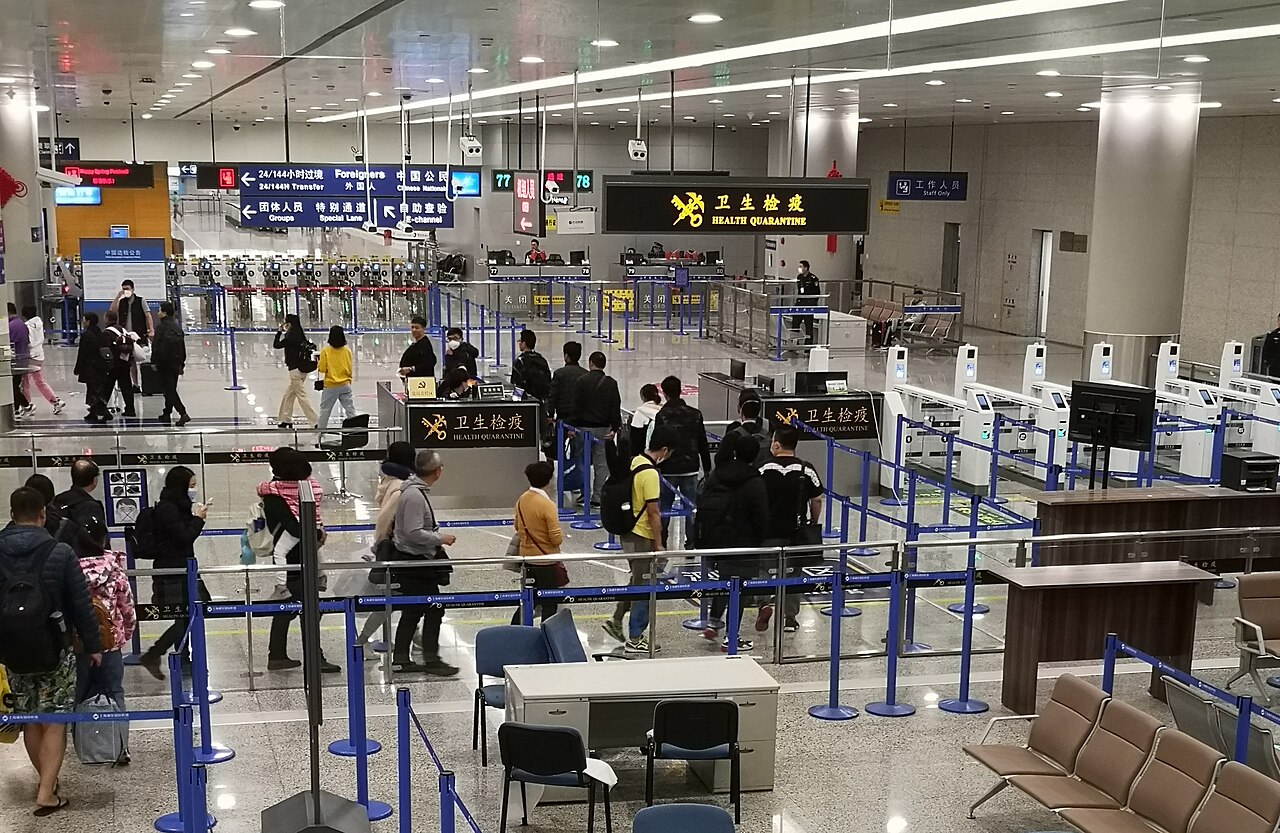
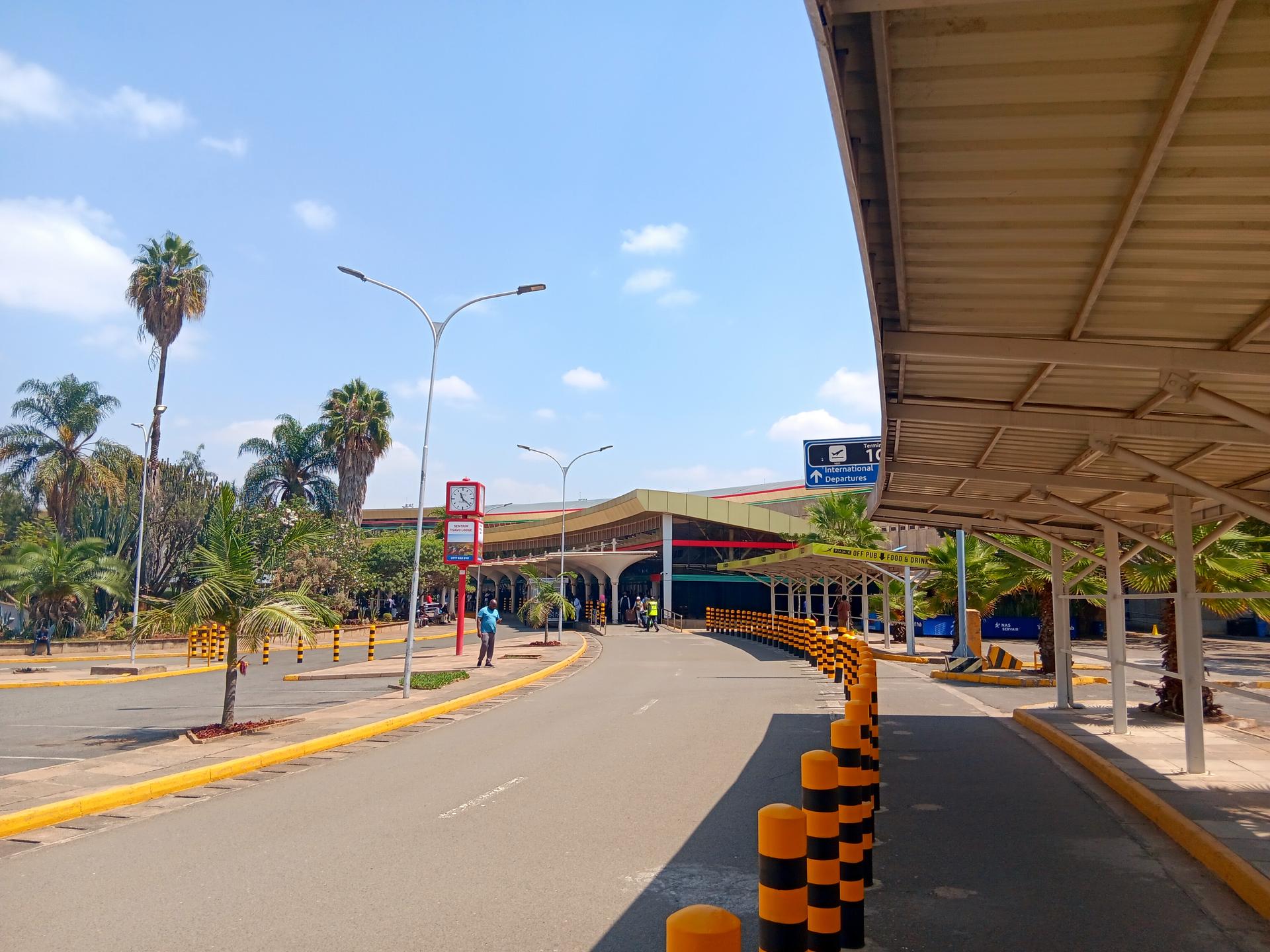
For a Kenyan flying home through Jomo Kenyatta International Airport this week, the first sign that something has changed is not the queue at immigration. It is the table set up before it: a row of health officers in gloves, a thermal camera trained on the arrivals corridor, and a short paper form asking where, in the last twenty-one days, you have been. Travellers arriving from or routed through the Democratic Republic of the Congo, Uganda or South Sudan are pulled aside for a few extra minutes. Most pass through with a wave and a wristband. The questions, though, are no longer routine, and everyone in the hall knows why.
A few hundred kilometres to the west, an Ebola outbreak that began quietly in May has grown into one of the most serious the region has seen in years. For the millions of Kenyans living abroad who still measure home in flight times and WhatsApp calls, the numbers coming out of Congo this week landed with a particular weight: the disease is now closer to Nairobi than many had let themselves think.
A Number That Keeps Climbing
In an update issued late on Monday, the DRC health authorities said confirmed Ebola cases had reached 1,307, including 377 deaths, according to figures carried by Al Jazeera and the AFP and AP news agencies. The bulk of the cases sit in three eastern provinces — Ituri, North Kivu and South Kivu — with conflict-scarred Ituri as the epicentre.
The detail that alarmed health officials most was geographic. AFP reported that the virus had been detected in a fourth province, Haut-Uele, which borders South Sudan and the Central African Republic. The case there was traced to a person who had travelled from Bunia, Ituri's capital, and who has since died. With that single journey, the outbreak's reach now stretches across the DRC's entire northeast, home to roughly 15 million people, and authorities are racing to map the chain of contacts before it widens further.
This is the DRC's seventeenth Ebola outbreak. Health teams have battled the virus on this ground before, but each return brings the same hard problems: mistrust of outsiders, the danger of traditional funerals where mourners wash and touch the bodies of the dead, and treatment centres that have been physically attacked by frightened or angry communities. On Saturday, the government banned public gatherings in four provinces, including the capital Kinshasa, as part of its containment effort.
Why This Strain Worries Scientists
What sets this outbreak apart is the virus itself. Health agencies have identified the pathogen as the Bundibugyo species of Ebola — a less common strain for which there is no licensed vaccine and no approved specific treatment. The well-known vaccines and antibody therapies stockpiled during earlier Zaire-strain outbreaks are not a guaranteed match.
That does not mean medicine is empty-handed. According to public-health reporting on the response, clinical trials are under way for the antiviral remdesivir and for monoclonal antibody therapies, while candidate vaccines from several research groups are being expedited for emergency evaluation. But "expedited" is a relative word in a region where treatment tents lack protective gear, rapid test kits and even body bags. The gap between what laboratories can offer and what an under-resourced clinic in Ituri actually holds is, for now, the space in which the virus is spreading.
Kenya on the Front Line
Kenya does not share a border with the DRC, but it sits at the centre of the region's road, rail and air network — and that is precisely the problem. Goods and people move constantly between Nairobi, Kampala and the Congolese interior, and Jomo Kenyatta International is the busiest aviation hub in East Africa. Uganda, which does border the DRC, has already recorded its own cases, with around twenty confirmed and one death reported in late June.
In response, Kenyan authorities have rolled out enhanced health screening, surveillance and traveller-declaration requirements for arrivals connected to the DRC, Uganda and South Sudan. The country has already tested several suspected cases; to date, those have come back negative, including three that drew national attention before being cleared. Kenyan health teams have moved supplies and personnel toward high-risk border counties, treating preparedness as a question of when, not if, a case appears.
The United States has folded Kenya into its regional response. American officials have said they are working with Nairobi to strengthen border detection, expand accurate testing and support exit-screening at airports, with CDC staff assisting on the ground. Washington has also announced an additional 20 million dollars for Ebola preparedness across Burundi, Kenya, Rwanda and South Sudan — a sign that planners see the wider neighbourhood, not just the DRC, as the real battlefield.
The Quarantine Question
One element of that cooperation has stirred unease at home. Earlier in June, a plan to establish a quarantine facility in Kenya for American citizens at risk of Ebola exposure prompted public debate, with reporting by NPR capturing the tension. Supporters frame it as sensible regional logistics: Kenya has the airports, hospitals and stability to handle medical evacuations that smaller neighbours cannot. Critics ask why a wealthier country's nationals would be isolated on Kenyan soil, and what it means for local capacity if a facility is built primarily with foreign patients in mind.
The episode touches a nerve familiar to the diaspora — the sense that Kenya is asked to serve as the region's safe, capable hub without always sharing equally in the resources that role demands. For Kenyans abroad watching the debate, it is a reminder that an outbreak two countries away can quickly become a domestic political question at home.
What the Diaspora Is Watching
For Kenyans in the United States, the United Kingdom, Canada, Australia and the Gulf, this outbreak arrives as both a health story and a personal one. Many have parents and siblings in counties now running screening drills. Many had planned mid-year trips home and are now weighing whether airport delays, or the small but real risk of disruption, change those plans.
The virus has already shown it does not respect distance. A case was confirmed in France in late June, and a US citizen was medically evacuated to Germany after exposure in the affected zone — both imported from the outbreak area. That is exactly how a regional emergency becomes a global one, carried not by panic but by ordinary travellers moving between continents.
For now, the public-health message to the diaspora is measured rather than alarmed. Ebola spreads through direct contact with bodily fluids, not casual proximity, and routine air travel remains low-risk for those who are not caring for the sick. The screening tables at JKIA are not a reason to cancel a trip so much as a sign that the system is awake. But the numbers from Congo are still climbing, the strain is one science cannot yet vaccinate against, and the distance between Bunia and Nairobi has rarely felt shorter. The diaspora, as ever, is watching the map and counting the flights.