The List They Came Off: How Kenya Argued Its Way Out of Israel's Ebola Travel Ban in a Single Day
An overnight boarding ban grouped Kenya with its Ebola-hit neighbours. A day of diplomacy and a hard public-health record got the country taken off the list.
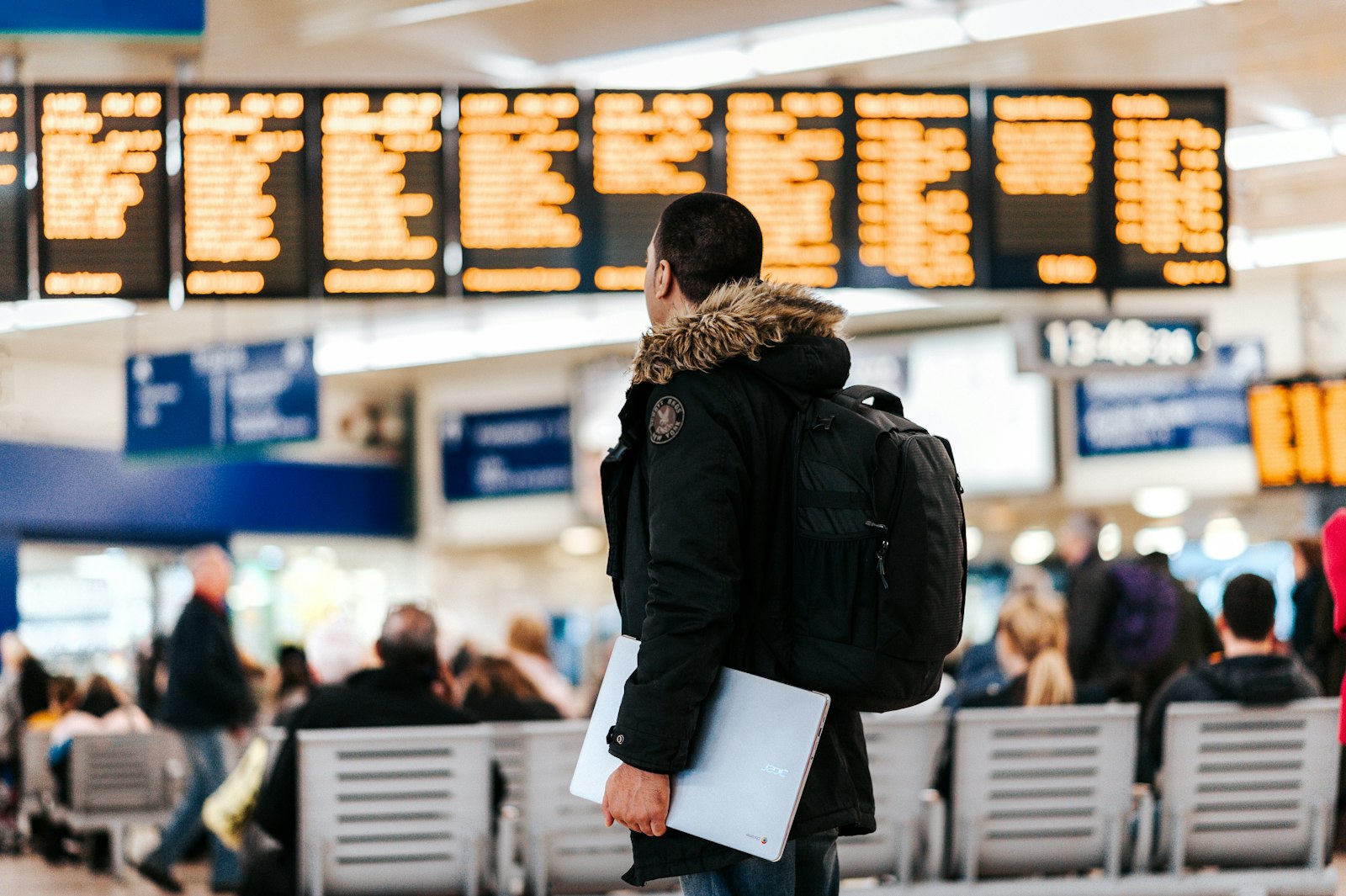
For the small but steady stream of Kenyans who board flights to Tel Aviv each week — caregivers headed to elderly clients, contract farmhands, students, and pastors leading pilgrimages to the Holy Land — the notice that landed on June 10 read like a door quietly closing. Israel's border authorities had told airlines to stop letting them on the plane. Five days later, the door swung back open, and the speed of that reversal is itself the story.
On Monday, the Israeli Embassy in Nairobi confirmed that Israel's Ministry of Health had removed Kenya, along with Rwanda, from a list of countries facing temporary entry restrictions tied to an Ebola outbreak in Central Africa. The announcement came only hours after Kenya's Foreign Affairs ministry lodged a sharp diplomatic protest. For the thousands of Kenyans abroad who track how the world treats their passport, it was a rare and instructive episode: a barrier raised on Wednesday and lowered by Monday, undone less by pressure than by paperwork — the unglamorous evidence of a country's public-health record.
A notice that changed the boarding gate
The restriction arrived as a border-control directive dated June 10, 2026. Israel grouped Kenya with Uganda, Rwanda, South Sudan and the Democratic Republic of Congo — the cluster of nations surrounding an Ebola outbreak whose epicentre lies in eastern DRC. Airlines were instructed to deny boarding to travellers from those countries on flights bound for Israel.
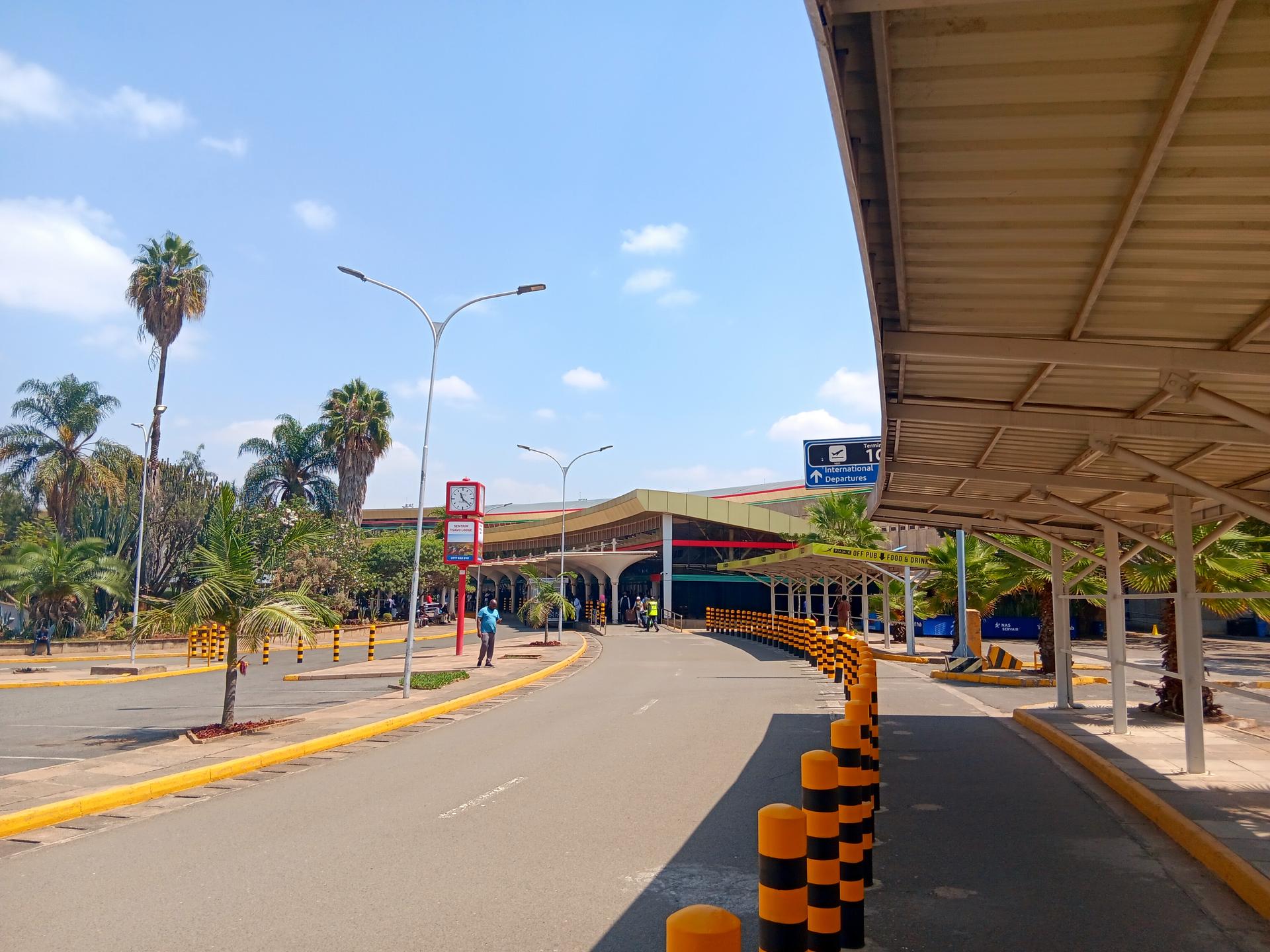
Crucially, the measure reached further than nationality. It also applied to foreign nationals of any country who had passed through one of the listed states within 21 days of their intended travel. In practice, that swept up business travellers, aid workers and dual nationals whose itineraries had merely touched Nairobi — turning a single transit stop into a three-week travel penalty. For a regional hub like Jomo Kenyatta International Airport, through which much of East Africa's air traffic flows, the ripple was wider than the five names on the list suggested.
The travellers caught in the middle
Bans like this one rarely make headlines for the people they actually strand, and those people are often diaspora. Kenya maintains a quiet but real presence in Israel: caregivers and domestic workers on labour contracts, agricultural hands recruited for seasonal work, university students, and a recurring flow of Christian pilgrims for whom a journey to Jerusalem is a once-in-a-lifetime undertaking, often years in the saving.
For them, a boarding denial is not an abstraction. It is a forfeited contract, a deferred semester, a pilgrimage group left holding non-refundable bookings. And for the broader Kenyan diaspora watching from London, Toronto or the Gulf, episodes like this carry a familiar sting. Many remember the COVID-era "red lists" that placed African travellers under blanket suspicion while the science struggled to keep pace with the politics. A health emergency in one corner of a vast continent has a way of being mapped onto an entire region, and onto every citizen who carries its passport. That is the anxiety the June 10 notice reactivated, even among Kenyans who had no intention of flying to Tel Aviv at all.
Nairobi's argument: facts over fear
Kenya's response leaned not on indignation but on data. Foreign Affairs Principal Secretary Abraham Korir Sing'oei protested the country's inclusion, arguing that the decision was not supported by Kenya's public-health record and risked undermining strong ties between Nairobi and Tel Aviv.
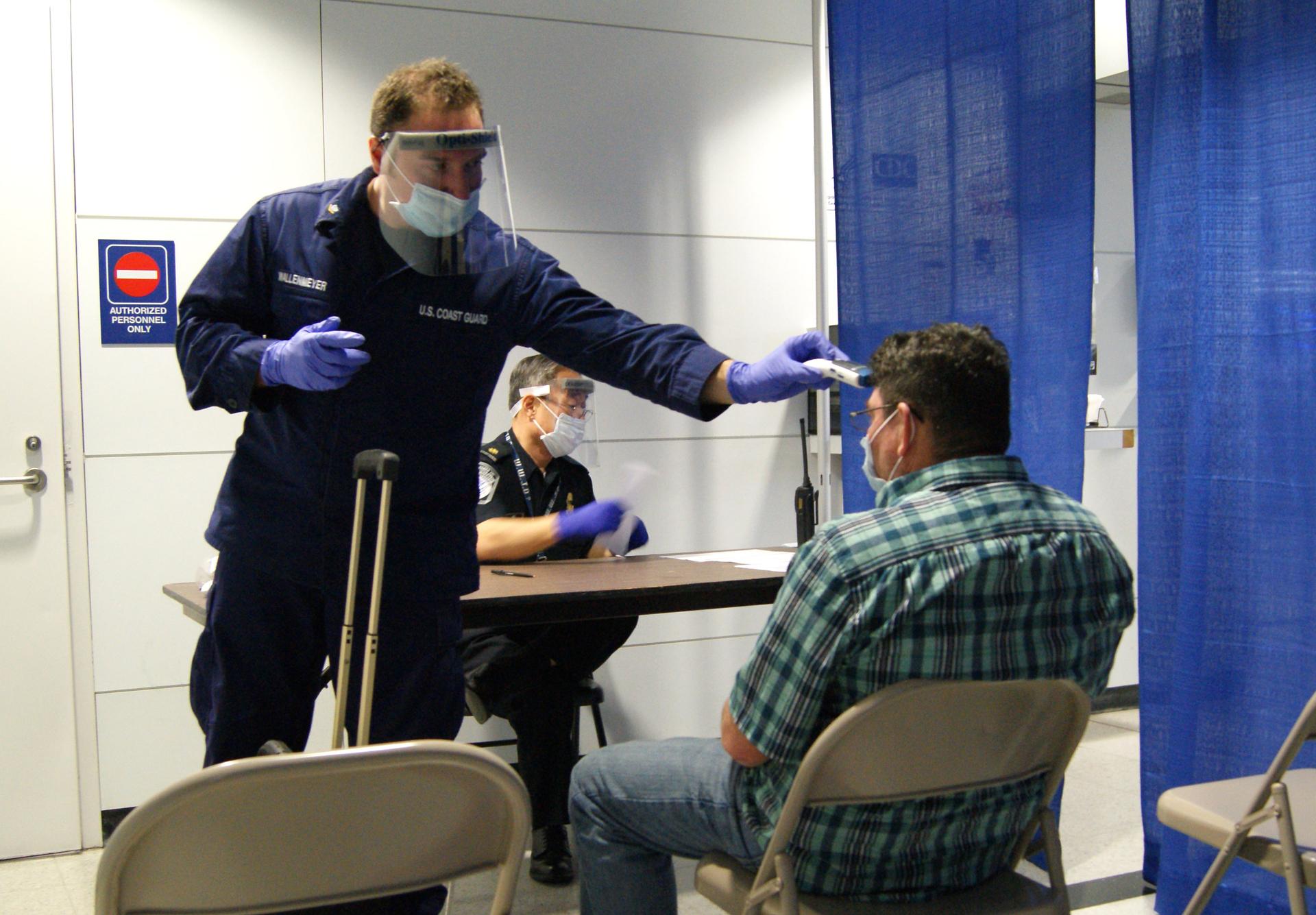
The numbers gave the protest weight. Kenya has recorded no confirmed Ebola cases. According to the Ministry of Health, the country has screened more than 100,000 international travellers at airports and border crossings, with roughly 3,000 people checked daily at designated points of entry as authorities monitor the outbreaks across the border. The government has also outlined plans, developed with the United States, to establish 23 Ebola isolation and treatment facilities nationwide.
That preparedness has not been without friction at home. A proposal to set up a 50-bed quarantine and isolation facility at Laikipia Air Base, also a joint effort with Washington, drew public opposition and protests in Nanyuki, and now sits under a temporary High Court suspension. The contrast is telling: Kenya was being penalised abroad for proximity to a disease it has spent considerable political capital preparing to contain — even as some of that preparation remains contested by its own citizens.
A reversal measured in hours
The turnaround was swift. "We are pleased to announce that Israel's Ministry of Health has decided to remove Kenya and Rwanda from the list of countries subject to temporary Ebola-related entry restrictions," the Israeli Embassy in Nairobi said in its June 15 statement.
Sing'oei welcomed the decision in language that framed the climbdown as a vindication of dialogue over reflex. "Israel's decision to lift this restriction shows that science, dialogue and mutual trust work; that facts can beat fear; and that partnership beats barriers," he said. "This is how friends must act. Todah Rabah" — Hebrew for "thank you very much."
The wording mattered as much as the outcome. By thanking rather than scolding, Nairobi left the diplomatic relationship intact while still making its point: that a precautionary measure, however well-intentioned, had outrun the evidence, and that the evidence had won.
What the episode signals for the diaspora
The reversal is good news, but it is not the end of the story. Uganda, South Sudan and the DRC remain on Israel's restricted list, and the outbreak that prompted the measure is far from over. The episode is best read as a snapshot of how fragile international mobility has become for African travellers — and how quickly a single administrative notice in a distant capital can reshape who gets to fly, study, work or worship abroad.
For Kenya's diaspora, there are two lessons folded into the week's events. The first is that documentation is leverage: it was the country's screening figures and preparedness plans, not its protests, that moved the needle. The second is more sobering. Mobility that feels like a right can be suspended overnight by a precaution drawn on a map, and restored only by the patient work of officials making the case, traveller by traveller, statistic by statistic. Kenya came off the list this time. The broader contest — between fear and facts, between barriers and partnership — is one its citizens abroad will be watching for some time yet.