Turned Back at Entebbe: What Martha Karua's Deportation Says to Every Kenyan Who Crosses an East African Border
Uganda barred Kenya's best-known lawyer-politician at the airport gate. For Kenyans who live, work and travel across the region, the message landed close to home.
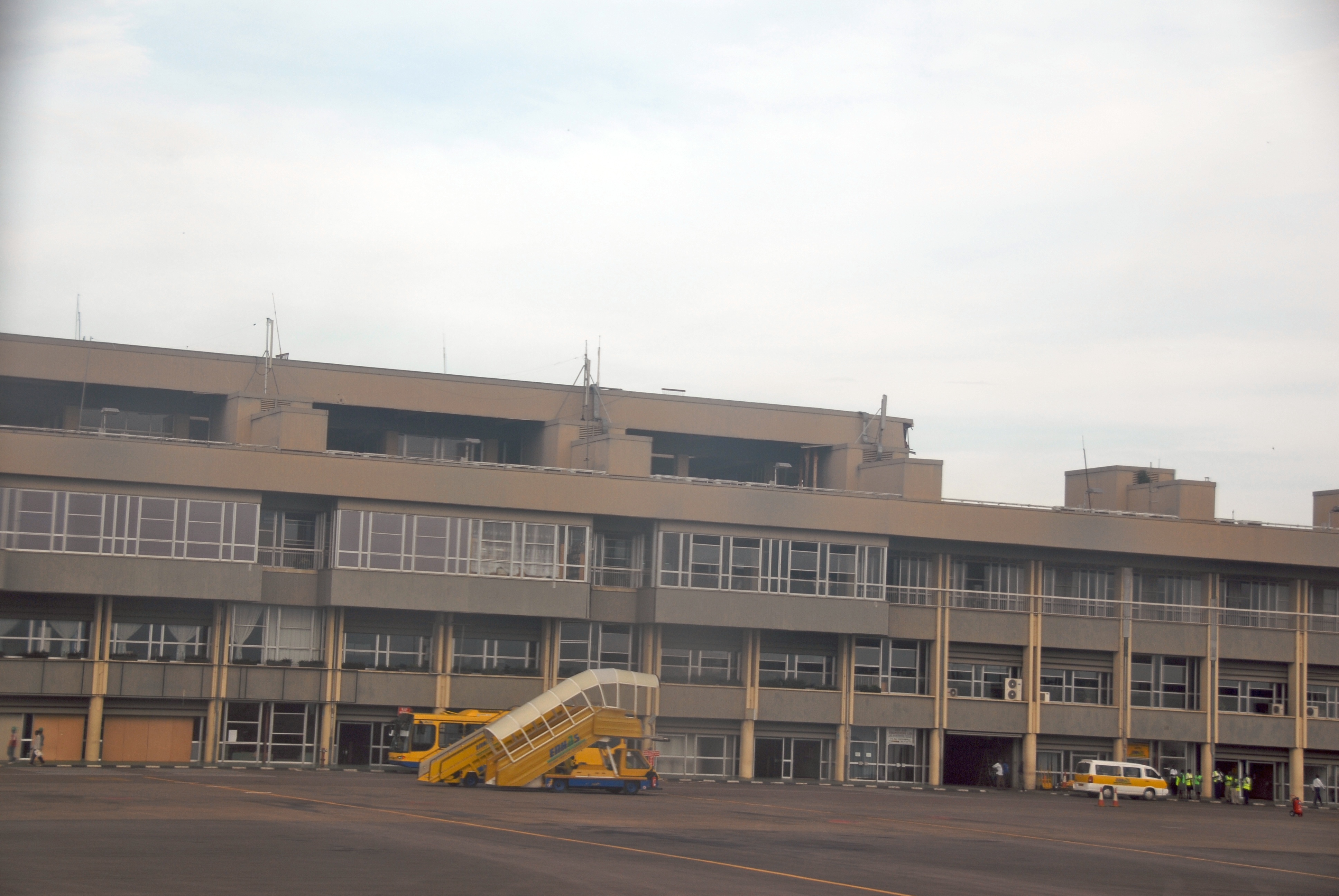
She had made the short hop across Lake Victoria many times before. On Monday morning, Martha Karua landed at Entebbe International Airport expecting nothing more remarkable than a long day in a Kampala courtroom. Instead, the woman many Kenyans still call the country's "Iron Lady" was pulled aside at immigration, separated from the colleagues she had travelled with, and held while officials decided what to do with her.
By evening she was back on Kenyan soil, walking through the arrivals hall at Jomo Kenyatta International Airport with a single new document in her possession: a letter, handed to her mid-flight, formally declaring her persona non grata in Uganda. For a senior lawyer and former presidential running mate, it was an extraordinary turn. For the hundreds of thousands of Kenyans who live, work and move across East Africa every day, it was something more unsettling — a reminder of how quickly a border can close.
A Lawyer Stopped at the Gate
Karua, who leads the People's Liberation Party and once served as Kenya's justice minister, had flown to Uganda as part of a delegation of lawyers. Other members of that delegation, including Law Society of Kenya President Charles Kanjama, passed through immigration without trouble. Karua did not.
By her own account, relayed to reporters after she landed in Nairobi, immigration officers held her incommunicado and took her phone without explanation. The device was later returned, she said, but she refused to accept it, fearing it had been tampered with. Officers then escorted her to an airline lounge and placed her on a flight home. The Uganda Law Society, whose deputy president Antony Asiimwe had gone to the airport to receive the delegation, confirmed the episode and said authorities offered no reason for barring her.
That silence is part of what has made the case resonate. As of the latest reports, Uganda's Ministry of Internal Affairs had not published any legal basis for the decision. Officials reportedly cited unspecified "security concerns" verbally, but declined to elaborate when Karua asked what those concerns were.
The Case That Drew Her North
Karua had not travelled to Kampala for politics. She went as a lawyer. She serves as counsel for the veteran Ugandan opposition figure Dr Kizza Besigye and his co-accused, Hajj Obeid Lutale, in a treason case that has gripped the region. On the day she was turned away, the delegation had been expected to support the defence of Kampala Lord Mayor Erias Lukwago, who was remanded to Luzira Prison last week after being charged with misprision of treason — essentially, failing to disclose knowledge of an alleged plot.
The timing was conspicuous. Karua's deportation came as a Kampala magistrate's court was preparing to rule on Lukwago's bail application. By barring her at the airport, authorities ensured she could not take part in the proceedings she had flown in to attend. The case already carried regional weight: Besigye and Lutale were themselves once returned from Nairobi to Uganda to face a military court, a cross-border transfer that drew sharp criticism from human-rights lawyers on both sides of the border.
A Letter Delivered at 30,000 Feet
There is a particular indignity in being handed a deportation notice while strapped into an aircraft seat, somewhere over the lake, with no way to respond. Karua's description of those hours — the confiscated phone, the lounge, the escort, the letter — reads less like a routine immigration refusal and more like a message meant to be understood.
Kenyan lawyers heard it clearly. The Law Society of Kenya and counterparts in Uganda condemned the move, framing it not as a quarrel between two governments but as an attack on the basic ability of advocates to represent their clients across borders. When a lawyer can be stopped at the gate for the politics of the case she carries, the warning travels far beyond one airport.
What the East African Community Promised
For ordinary Kenyans, the deportation cut against a promise they have been told to believe in for two decades. The East African Community was built on the idea of free movement — of people, labour and services flowing between Kenya, Uganda, Tanzania, Rwanda, Burundi, South Sudan and the Democratic Republic of Congo. A Kenyan is supposed to be able to board a flight to Entebbe or a bus to Kampala with little more friction than crossing a county line.
That promise is not abstract. Tens of thousands of Kenyans live and work in Uganda — in banking, logistics, teaching, trade and the cross-border haulage that keeps the region's economy moving. They are a quieter diaspora than the communities in Houston or Manchester, rarely written about, but they are no less exposed when politics hardens a border. If a former justice minister with a delegation of senior advocates can be turned around at Entebbe without explanation, the trader with a consignment in Busia or the nurse on a contract in Kampala is left to wonder what protections actually hold.
Why the Diaspora Is Watching
Kenyans abroad follow Karua's career closely. To many in the diaspora she is a symbol of a certain kind of public life — combative, principled, unbought — and her treatment becomes a barometer for the health of the rule of law back home and across the region. Diaspora WhatsApp groups and community forums lit up within hours of the news, not only in solidarity but with a practical question attached: if this can happen to her, what happens to the rest of us when we travel?
It is a question that connects the lawyer at Entebbe to the family in Minnesota planning a funeral back home, to the student in Australia weighing whether to return, to the worker in the Gulf whose passport is the only thing standing between a job and a flight home. Mobility is the diaspora's lifeline. Anything that makes a border less predictable is felt everywhere Kenyans have settled.
The Questions Left on the Tarmac
For now, the facts that matter are few and undisputed: a Kenyan lawyer was denied entry to a neighbouring state, deported without a stated reason, and declared persona non grata while in the air. Nairobi has yet to spell out how it will respond, and Kampala has yet to explain itself at all.
What lingers is the gap between the East African Community's language of openness and the reality at one airport on a Monday morning. Karua will keep her practice and her platform; she has weathered worse. The harder reckoning belongs to the institutions meant to guarantee that a passport from one member state means something at the borders of another. Until they answer, every Kenyan who crosses a regional border will carry a small new doubt through the gate.