The Ticket Home They Did Not Ask For: What America's Self-Deportation Turn Means for Kenyans on the List
A Supreme Court ruling and a $2,100 'voluntary departure' offer have hardened US enforcement. For more than 1,200 Kenyans on ICE's removal list, the warning lands close to home.

James Wambui had made the run before. A weigh station outside Middletown, Virginia, is the kind of place a long-haul trucker passes through without a second thought — paperwork checked, axles weighed, back on the interstate toward South Carolina. This time, a county sheriff studied his logbook and driving licence a beat too long, then carried the documents over to a cluster of officers waiting nearby. They wore the letters that have come to define a season of anxiety for immigrant America: ICE.
More than forty other drivers were waved through. Wambui was not. What followed, he told a fellow Kenyan driver in an online interview, was three weeks inside the Farmville Detention Center in rural Virginia, hours from where he was stopped, and a legal bill that swallowed roughly KSh6.5 million — about US$50,000 — in lawyers' fees and immigration paperwork. His account, reported this week by Mwakilishi and Kenyans.co.ke, is one story. But it lands at a moment when the machinery behind it has just been handed more room to run.
A Routine Stop That Wasn't
Wambui's case is striking precisely because it was ordinary. He had already cleared a border patrol inspection in Texas and completed deliveries in New York before the Virginia stop. He was not fleeing anything; he was working. Yet a clean record on the road did not spare him a detour into a detention centre, where the cost was measured in lost income, mounting fees, and weeks away from the cab that pays his bills.
He was eventually released, he said, because of a pending marriage-based petition, an asylum application, and his marriage to a US citizen — a thicket of paperwork that many drivers stopped beside him did not have. Even then, the relief was partial: ICE held on to his driving licence, work permit and Social Security card, leaving him unable to return to work while his case grinds through the courts. His advice to other immigrants was blunt. Find your own lawyer, he warned, and do not sign documents you do not understand.
The Ruling Behind the Pressure
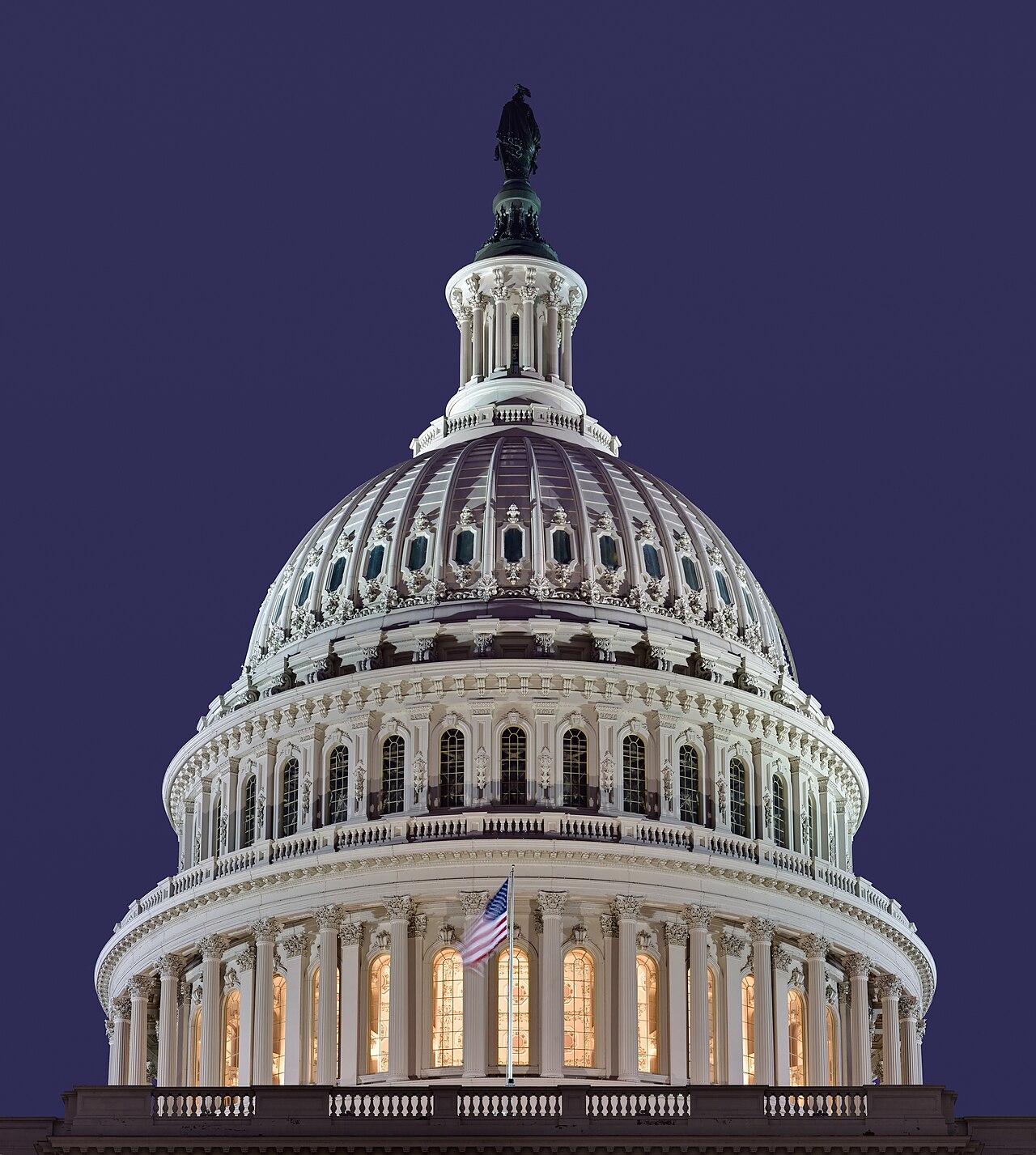
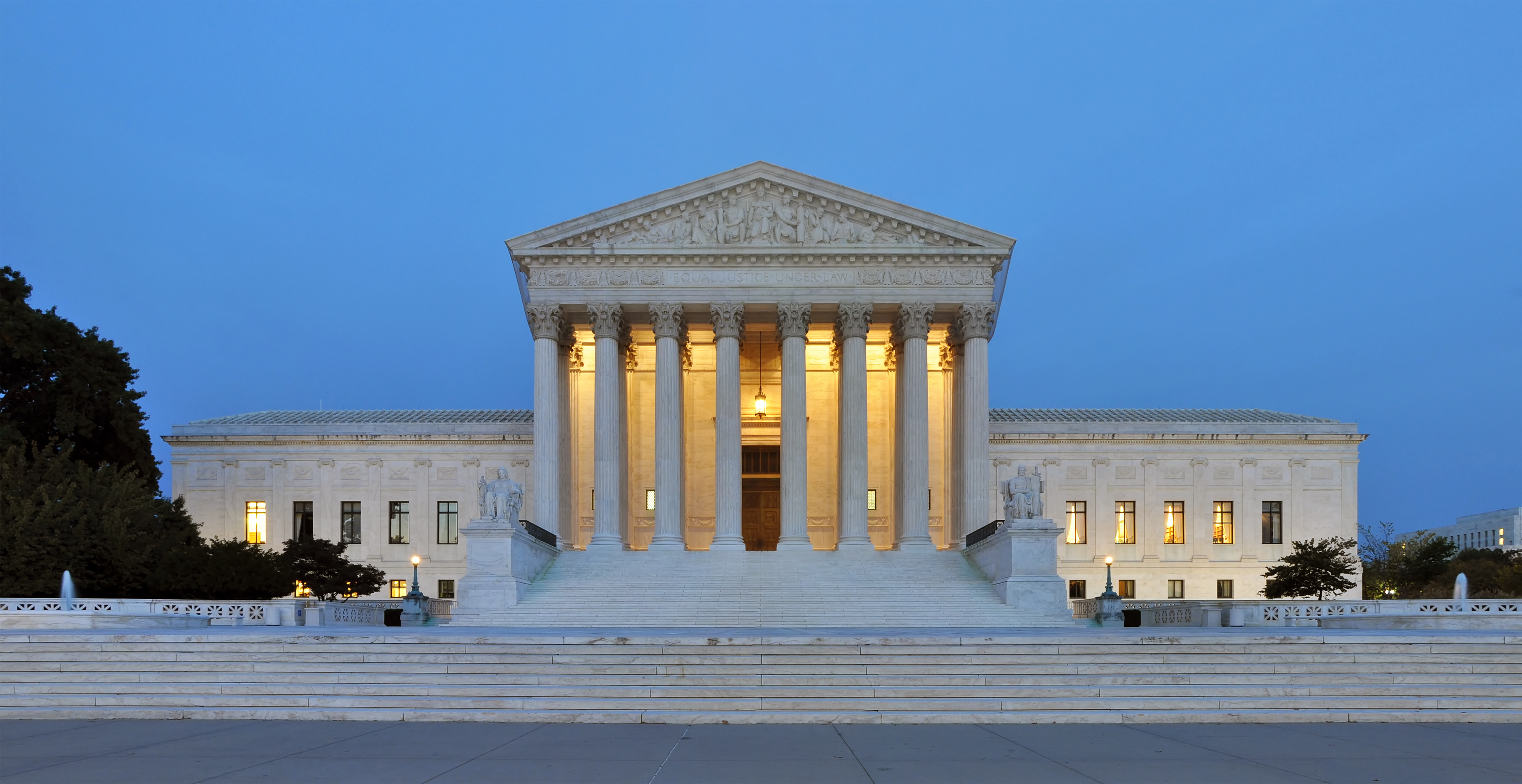
The backdrop to stories like Wambui's shifted sharply in late June, when the US Supreme Court cleared the way for the federal government to end Temporary Protected Status for migrants from Haiti and Syria. In a 6-3 decision, the court held that the TPS statute largely shields the Homeland Security Secretary's decisions to grant or terminate the status from judicial review — meaning the courts will not second-guess the administration's move to wind the programme down.
The immediate human stakes are enormous. The ruling clears a path that could affect more than 350,000 Haitians and roughly 6,000 Syrians who have relied on TPS to live and work legally in the United States. Both groups come from countries the US State Department itself warns against travelling to, citing terrorism, kidnapping and widespread unrest. TPS was designed precisely for such places — a temporary shield for people from nations torn by conflict, disaster or epidemic — but it was never a route to a green card, and the administration has now seized on that distinction.
Kenya is not a TPS country, and no Kenyan loses protected status because of this decision. The reason Kenyans are watching anyway is what the ruling signals: a federal enforcement posture that is hardening across the board, and a Supreme Court increasingly willing to let it.
An Offer Wrapped in a Plane Ticket
Within days of the ruling, Homeland Security Secretary Markwayne Mullin used a televised interview to spell out the next phase. Temporary status, he said, "is NOT permanent status," and migrants who cannot regularise their position should prepare to leave — ideally on their own. To grease that exit, the department is dangling an incentive: a paid flight home and a payment of just over US$2,000 to help with resettlement.
It is not the first such offer. Earlier this year, DHS expanded a self-departure scheme through its CBP Home app, advertising payments of around $2,600 to migrants who agreed to leave voluntarily. The logic the government offers is fiscal. Officials say removing a single person through the full enforcement process costs more than $17,000, while a voluntary departure runs at a fraction of that — a saving they put at roughly two-thirds. Framed that way, a plane ticket and a cash handshake look like efficiency.
Critics see something colder: a state nudging vulnerable people back toward countries it has officially declared too dangerous to visit, then presenting the result as a choice freely made. Supporters counter that the policy simply enforces laws already on the books and protects jobs for American workers. Between those poles sit hundreds of thousands of families weighing an impossible arithmetic.
Why Nairobi Is Watching
For the Kenyan diaspora, the connection is not abstract. According to Kenyans.co.ke, 45 Kenyans are named in the DHS "Worst of the Worst" database — immigrants with convictions ranging from fraud to assault, the same database referenced in Wambui's account — while a further 1,282 carry final removal orders on ICE's non-detained docket, living in the community but exposed to enforcement at any moment. Against a Kenyan-born population in the United States estimated at between 157,000 and 170,000 people, those figures turn a national policy debate into a roll call of names someone in Nairobi, Kiambu or Eldoret recognises.
The stakes ripple far beyond the individuals listed. The United States is the single largest source of the remittances that Kenyan families depend on, money wired home to cover school fees, medical bills and mortgages. Every detention that pulls a breadwinner off the road, and every voluntary departure that ends a US income, is also a quiet subtraction from a household budget back home. A crackdown measured in Washington is felt in kitchens thousands of miles away.
It also reshapes how Kenyans abroad live day to day. Drivers compare notes on which states to avoid. Parents keep documents within reach. The advice Wambui offered — get your own lawyer, sign nothing blindly — circulates in WhatsApp groups as practical survival guidance rather than legal theory.
The Choice No One Wants to Make
The self-deportation offer is built around a word that does a great deal of work: voluntary. For a TPS holder from Haiti facing the end of legal status, or an undocumented Kenyan trucker watching colleagues vanish at weigh stations, the line between choosing to leave and being squeezed out can be thin. The cash and the flight do not change the underlying calculation so much as put a price on it.
What comes next is uncertain. TPS protections remain in force until formal termination dates take effect, and further court fights are likely. Kenya's own Foreign Affairs ministry, already stretched across crises from the Gulf to South Africa, will face fresh pressure to account for citizens caught in the US system. For now, the message from Washington is unusually plain, and it travels well. As one Kenyan after another reads the headlines from home, the question is no longer whether the enforcement wave is coming, but who it reaches next — and whether the ticket offered will feel like a lifeline or a push.