The Notice Before the Visit: How a US Embassy Alert Over June 25 Reaches Kenyans Planning a Trip Home
As Nairobi braces for the anniversary of its deadliest protests, a fresh US Embassy advisory ripples through a diaspora already counting down to summer trips home.
The message arrived without drama, the way official warnings usually do. On the morning of June 18, an automated note from the U.S. Embassy in Nairobi dropped into the inboxes of Americans enrolled in its traveler-alert system — among them thousands of naturalized Kenyan-Americans and dual nationals who keep one foot in Nairobi and one in Houston, Boston, or Seattle. The subject line was routine. The content was not, at least not for a family already packing for a July visit home: a demonstration alert, flagging that the days around June 25 carry a heightened potential for protest.
For the Kenyan diaspora, the date needs no explanation. June 25 has become a fixed point on the calendar, a day that now belongs to a generation of young Kenyans and to the families who watched, from continents away, as that movement turned tragic.
What the Embassy Actually Said
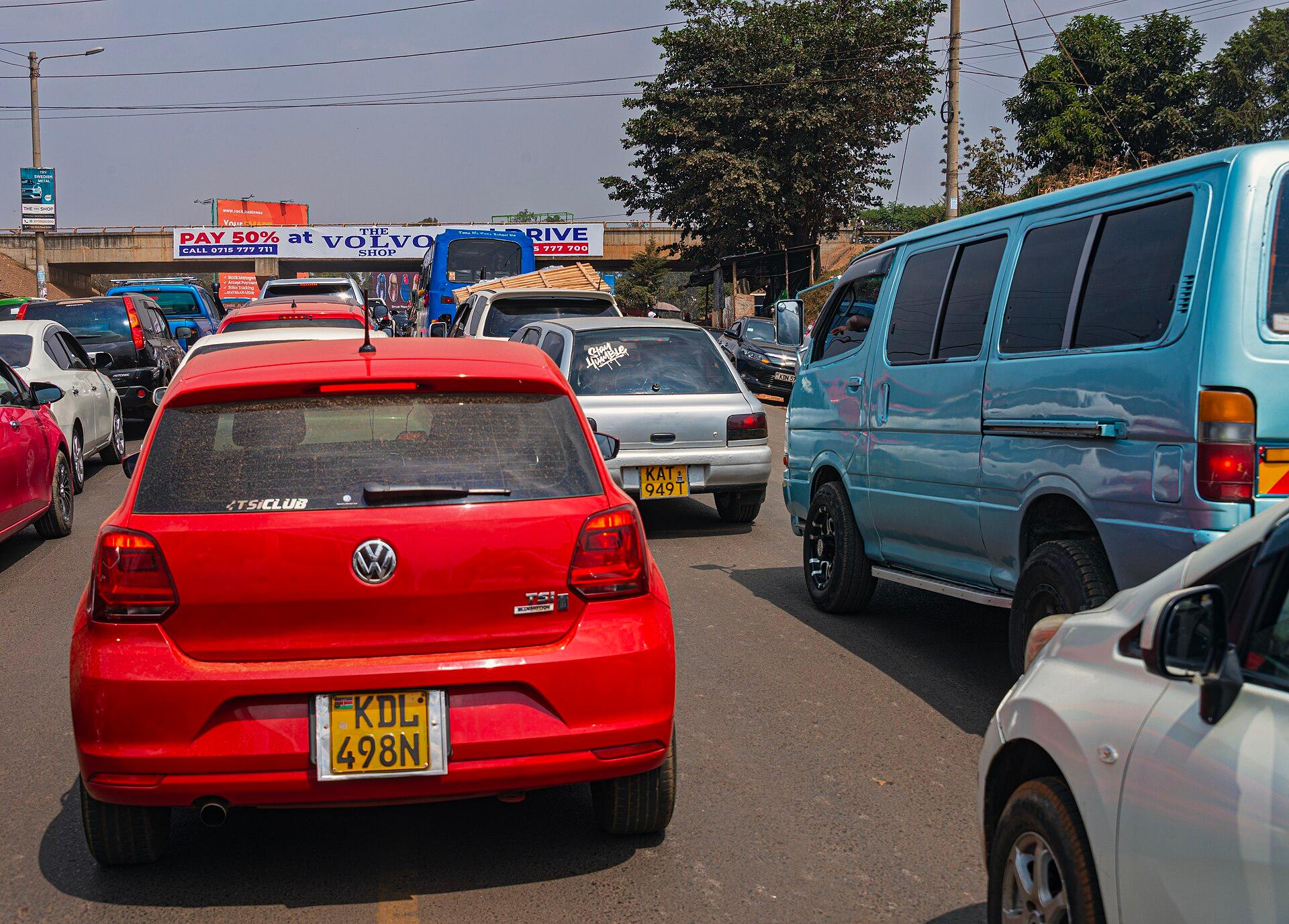
The advisory itself is measured. It tells U.S. citizens that June 25 is "the anniversary of protests that occurred in Kenya during the past two years," that demonstrations may occur at any time but that the potential is higher around that date, and that traffic disruptions, congestion, and roadblocks — set up by both protesters and police — should be expected across the country, including in Nairobi's central business district.
The recommended actions are the standard grammar of caution: avoid protests and crowds, monitor local media, keep car doors locked and windows up, tell friends and family your whereabouts, review personal security plans, and carry a copy of your U.S. passport with a current Kenyan visa. The Embassy also points travelers to the State Department's Smart Traveler Enrollment Program, the same system that delivered the alert in the first place.
None of it is alarmist. But for diaspora readers, the dry language sits on top of two years of memory that is anything but dry.
An Anniversary Written in Loss
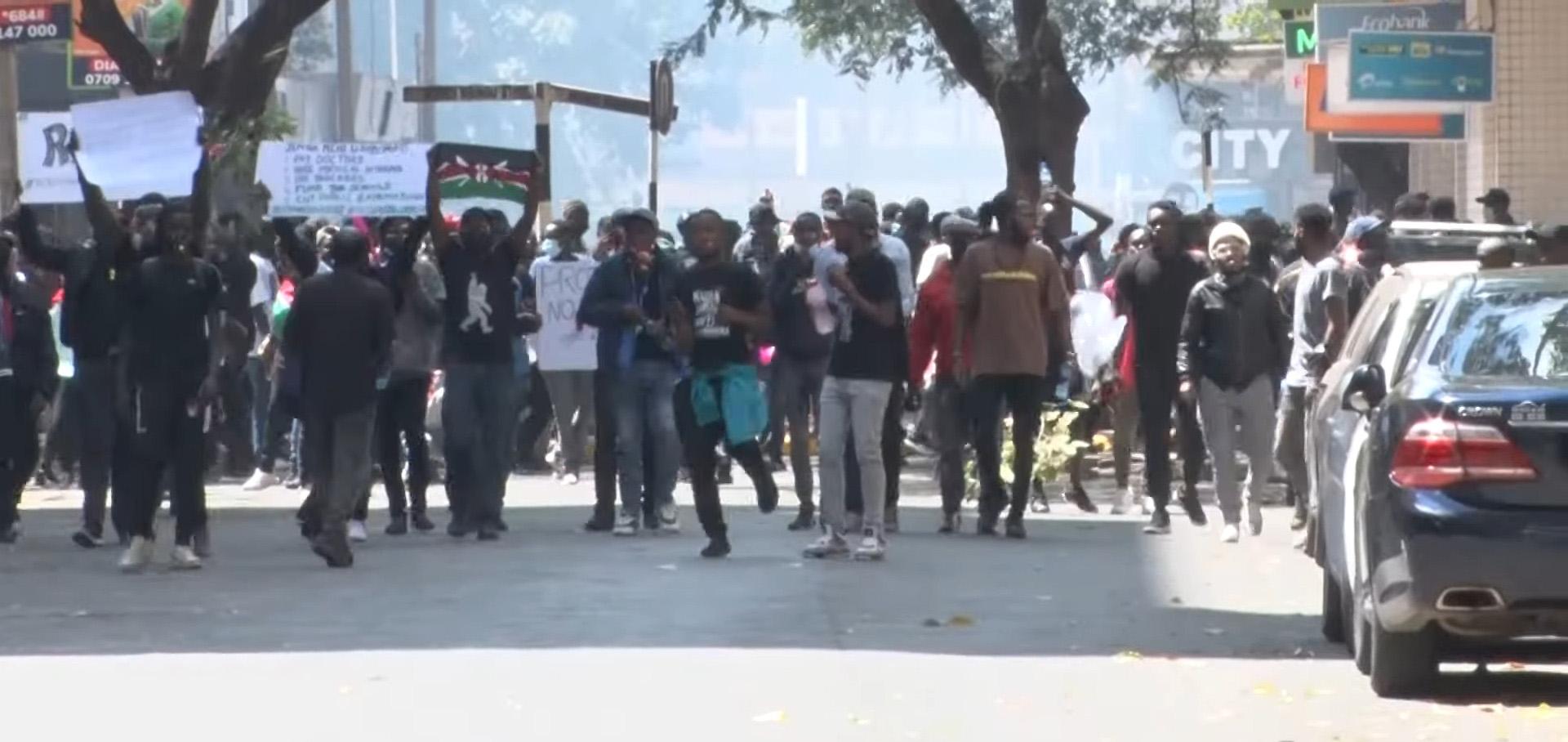
June 25 first entered the national vocabulary in 2024, when a wave of youth-led demonstrations against a contentious finance bill culminated in protesters breaching Parliament in Nairobi. The unrest that summer left dozens dead — rights groups counted more than sixty fatalities across the broader movement — and reshaped Kenyan politics almost overnight.
A year later, the country returned to the streets to mark the day. The 2025 anniversary drew crowds in at least 27 of Kenya's 47 counties, according to monitoring by the Kenya National Commission on Human Rights, and brought near-total shutdowns of business and transport in Nairobi, Mombasa, Nakuru, Eldoret and beyond. The commission reported that the commemoration itself was marred by further deaths and hundreds of injuries. State House and Parliament were ringed with razor wire; armored vehicles waited on standby.
That is the backdrop against which this year's quiet advisory lands. The Embassy is not predicting a repeat. It is simply acknowledging a pattern that two consecutive years have established.
Why the Diaspora Reads This Closely
The timing matters. Late June and July are the heart of the diaspora travel season, when Kenyans abroad fly home for weddings, funerals, school holidays and the long-deferred reunions that anchor a life lived overseas. Flights from the Gulf, the United Kingdom and North America fill with returning sons and daughters. For many of them, this advisory is not abstract policy — it is a question about whether to keep a booking, how to brief elderly parents, and which routes through the city to avoid.
It also speaks to a more particular bond. The protest movement that crystallized on June 25 was, from its earliest days, a digital one, amplified by Kenyans far from home who shared livestreams, raised money for medical bills and funeral costs, and pressed the story into international view. The diaspora did not watch the last two years passively. It participated, at a distance, and it grieves at a distance too.
The Distance That Sharpens the Worry
There is a specific texture to following a crisis from abroad. The time zones are wrong; the news arrives at midnight in Atlanta or pre-dawn in London. A parent in Nairobi says everything is fine precisely because they do not want a child eight thousand kilometers away to worry. The diaspora learns to read between the lines of a reassuring phone call, to cross-check a relative's calm against the footage scrolling past on a phone.
An embassy alert, in that context, does something useful and unsettling at once. It confirms that the unease is not imagined. It gives a date to circle and a set of concrete steps to take. But it cannot close the distance, and distance is exactly what makes the diaspora's vigilance so heavy.
Practical Footing for a Tense Fortnight
For those traveling in the coming weeks, the Embassy's checklist is worth taking at face value rather than as boilerplate. Enrolling in the Smart Traveler Enrollment Program means future alerts arrive directly. Carrying documentation, keeping family informed of daily movements, and building flexibility into plans around June 25 are low-cost hedges against a day that may pass quietly — as many feared days do — or may not.
For those staying abroad, the advisory is a prompt of a different kind: to check on relatives, to keep lines of communication open, and to resist the urge to flood loved ones with panic. The most useful thing a diaspora family can offer in a tense week is a steady presence on the other end of the line.
June 25 will come and go again this year. Whether it passes in remembrance or in renewed confrontation, the diaspora will be watching the same way it has learned to watch everything that matters back home — closely, anxiously, and from very far away.