The Flags Came Out on 55th Street: How a World Cup on American Soil Became the African Diaspora's Home Tournament
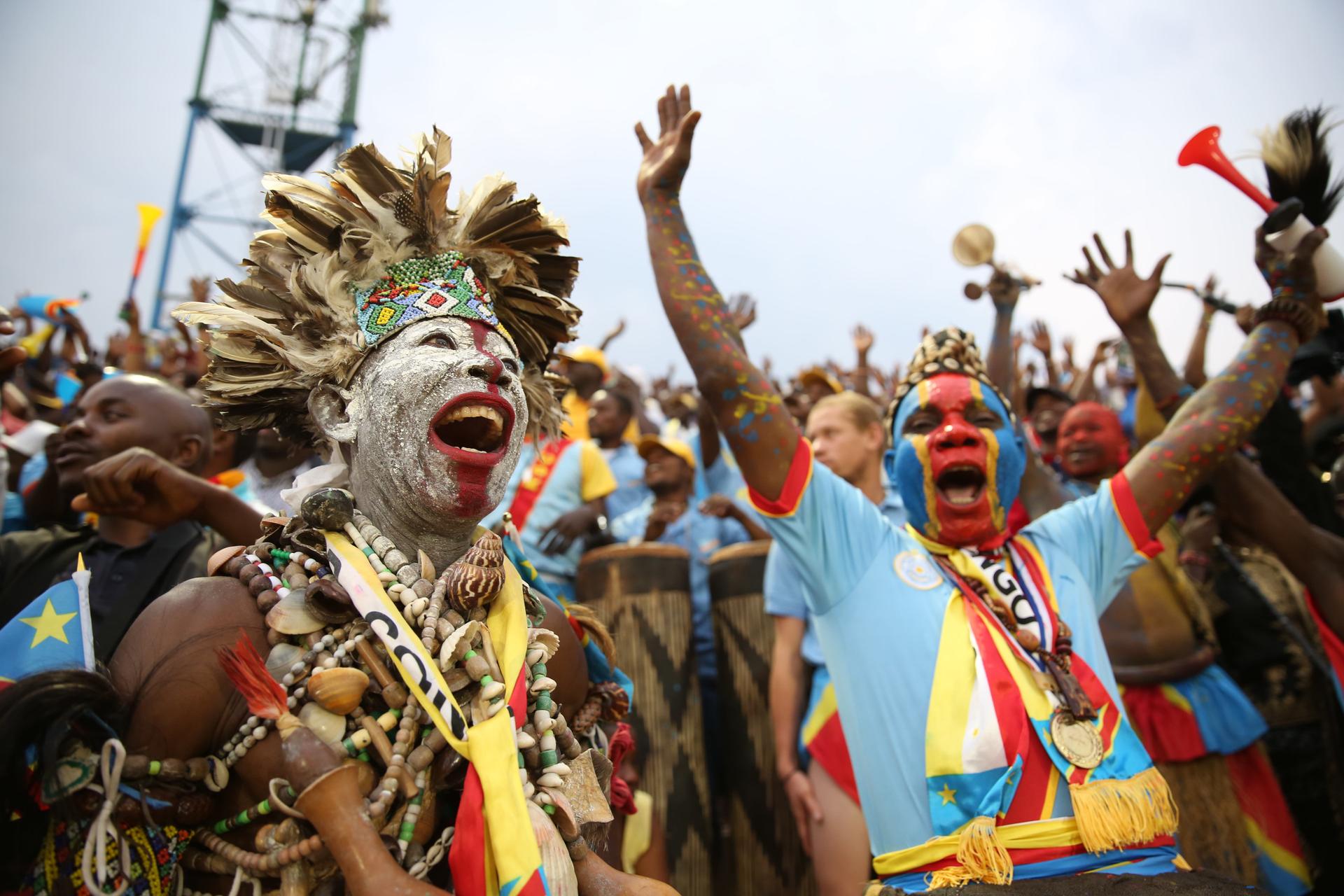
For Kenyans and Africans across sixteen North American host cities, a record ten African teams have turned the 2026 World Cup into something that feels less like a foreign event and more like a homecoming.
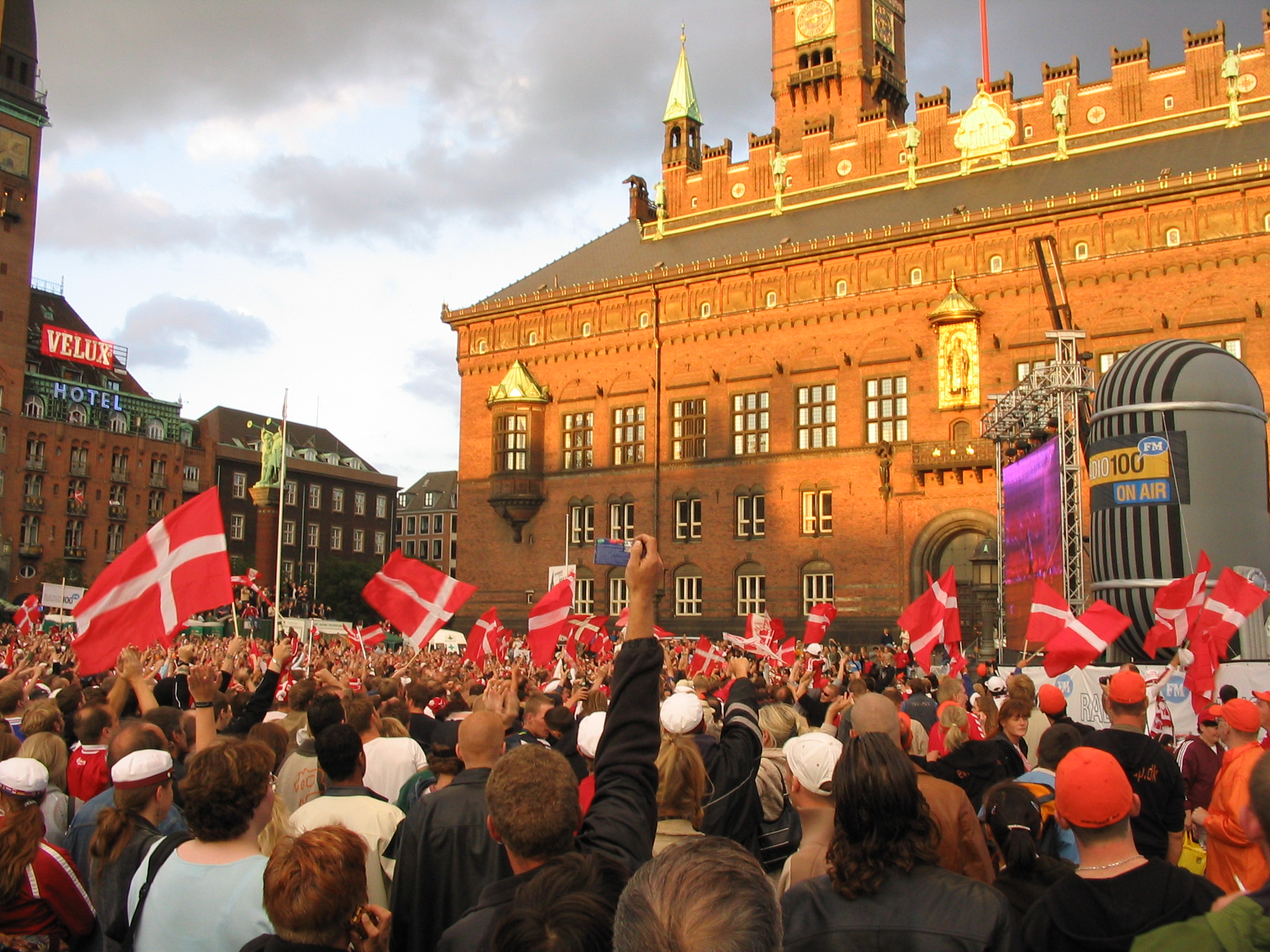
On 55th Street in Southwest Philadelphia, the bunting went up before the first whistle. This stretch of the city, anchored by a community some residents simply call Africatown, holds one of the densest concentrations of West African families in the United States, and this month it has become something else as well: a viewing gallery for the biggest football tournament the continent's diaspora has ever been able to watch from home.
According to the travel magazine AFAR, the African Cultural Alliance of America, known as ACANA, is hosting free, open-to-all watch parties along that corridor through the group stage, with beer gardens, DJs and food from neighbourhood restaurants set out for fixtures involving Ghana and Côte d'Ivoire. No tickets, no stadium gates, no long-haul flight. Just a screen, a street and a crowd that has waited a long time to gather like this.
For the Kenyan and broader African diaspora scattered across North America, the 2026 FIFA World Cup is not happening somewhere far away. It is happening down the road.
A Record Ten, and a Continent's Pride
Africa arrived at this tournament in unprecedented numbers. Ten nations from the Confederation of African Football qualified for the 48-team field, the most the continent has ever sent: Algeria, Cape Verde, Côte d'Ivoire, DR Congo, Egypt, Ghana, Morocco, Senegal, South Africa and Tunisia. The expansion of the World Cup from 32 teams to 48 widened the African allocation, and the continent filled every seat it was given.
Two of those names had never appeared on this stage before. Cape Verde, an island nation of roughly half a million people, and DR Congo, who sealed the final African-linked berth through the intercontinental play-offs, are both making their World Cup debuts. For diaspora communities tied to those countries, the qualification itself was the headline long before any match kicked off.
The absences are felt too. Nigeria and Cameroon, two of the continent's most storied footballing nations and the source of large diaspora populations in the very cities now hosting games, did not make it through the African play-offs. Their fans are improvising, lending their voices to neighbours on the field.
Sixteen Cities Where the Diaspora Already Lives
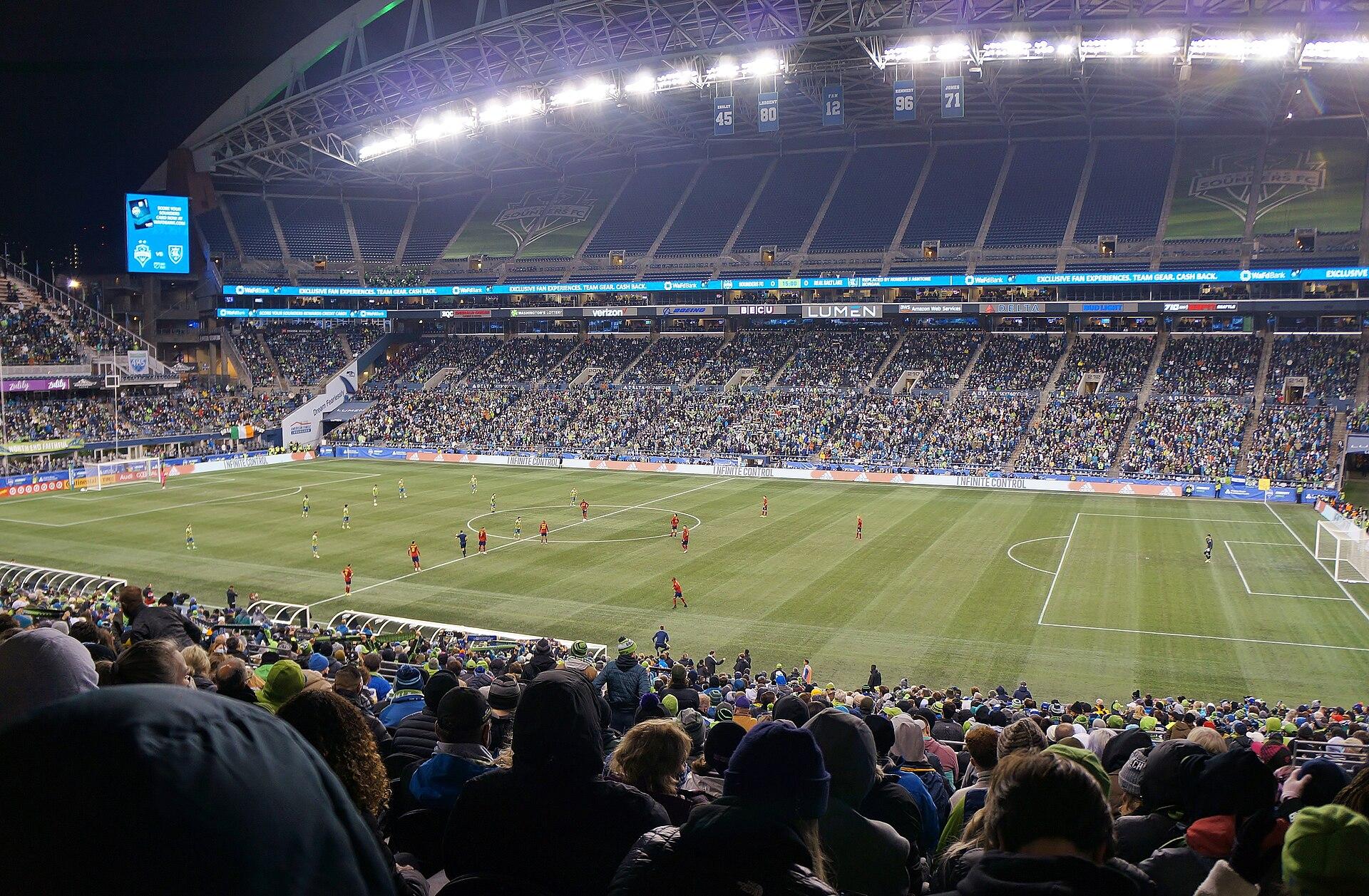
The tournament is being co-hosted by the United States, Canada and Mexico across sixteen host cities, and the map reads almost like a census of where the African diaspora has put down roots. The American venues run through Seattle, the San Francisco Bay Area, Los Angeles, Kansas City, Dallas, Atlanta, Houston, Boston, Philadelphia, Miami and the New York–New Jersey metro. Canada brings in Toronto and Vancouver; Mexico adds Mexico City, Guadalajara and Monterrey.
Atlanta, Houston, Boston and the New York area are home to some of the largest Kenyan communities in the United States. Toronto's African population has grown into one of the most diverse on the continent's diaspora map. For families in those metros, the distance between their living rooms and a World Cup match has collapsed from an ocean to a transit ride. Even where match tickets are scarce or expensive, the fan festivals, public screenings and neighbourhood gatherings put the event within reach of people who would never have travelled to Qatar or Russia to see it.
The Team That Isn't There
For Kenyans, there is a familiar ache running underneath the celebration. Harambee Stars are not at this World Cup. Kenya has never qualified for the finals, and the 2026 edition, for all its expansion, did not change that.
So Kenyan supporters do what diaspora football fans have always done: they adopt. In group chats and at watch parties, allegiances are being parcelled out to Morocco, whose deep run at the last World Cup made it a continental standard-bearer, and to East African-adjacent hopes carried by Egypt and the debutants. The flag in someone's hand may not be their own, but the pride is continental, and for one tournament the line between a Kenyan fan and a Ghanaian or Senegalese one tends to blur into a single word: Africa.
That adoption is not new. It is the same instinct that turned living rooms across Nairobi and Mombasa into Morocco strongholds in 2022. What is new is the proximity. This time the players the diaspora is cheering are on the same landmass, in the same time zones, sometimes in the same city.
More Than a Match
For immigrant communities, a tournament like this does work that goes well beyond sport. It gives second-generation children, born in Minneapolis or Mississauga, a reason to wear the colours of a country they may have only visited, and to ask their parents how to pronounce a striker's name. It gives restaurants and corner shops a month of unusual footfall. It gives elders and newcomers a shared subject in a season when the diaspora's news has more often been about visa rules, deportation guidance and the rising cost of sending money home.
The economics are real but modest at the neighbourhood level: a watch party fills tables, a winning run sells jerseys, a host city's fan zone draws families who spend the afternoon. The deeper return is harder to count. It is the feeling, rare and fleeting, of being at the centre of a global moment rather than at its margins.
When the Whistle Blows
The group stage is unfolding now, and with ten African teams in the draw, the diaspora's calendar is unusually full. Some of those campaigns will end early; at least a few are likely to carry the continent's hopes deeper into a tournament being played, for once, on this side of the Atlantic.
Whatever the results, the scene on 55th Street will repeat itself in dozens of other neighbourhoods through the summer — in Atlanta and Toronto, in Houston and the Bronx, wherever the African diaspora has gathered and a screen can be hung. For a community that spends much of its year reading the news to stay connected to a home far away, the World Cup has offered something simpler and rarer: a reason to step outside, raise a flag, and watch the home teams play in the neighbourhood.