The $2,100 Goodbye: What Washington's Self-Departure Offer Signals to Every African on Borrowed Time in America
A Supreme Court ruling and a paid plane ticket have turned 'temporary' protection into a countdown — and the wider diaspora is reading the fine print.

In the weeks since the Supreme Court spoke, the most consequential immigration document in many households has not been a court filing or a congressional bill. It has been a smartphone screen: the CBP Home app, where the federal government now offers a one-way plane ticket and a little over two thousand dollars to anyone willing to leave the United States on their own.
For roughly 350,000 Haitians and about 6,000 Syrians who have lived for years under Temporary Protected Status, that screen has become the center of an impossible arithmetic. Stay, and risk the machinery of removal. Go, and accept a cash payment to return to a country the United States government itself tells its own citizens not to visit.
The Department of Homeland Security framed the message plainly this week. TPS holders, officials said, must either secure another legal immigration status or prepare to leave once their protection ends. "Temporary status is NOT permanent status," Homeland Security Secretary Markwayne Mullin said in a televised interview, adding that the administration stood ready to help people return home.
A countdown that began in a courtroom
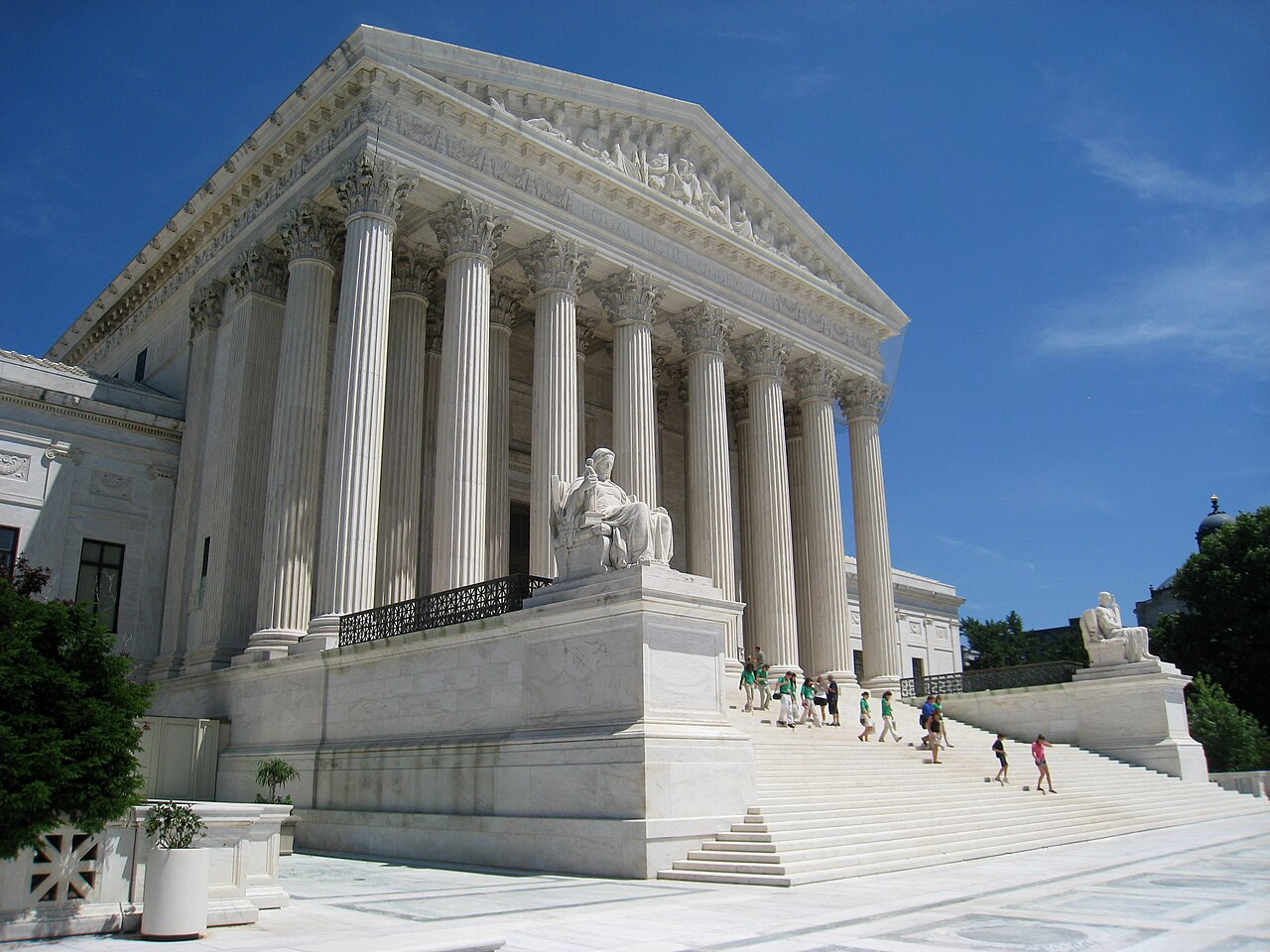
The policy did not arrive out of nowhere. It follows a Supreme Court decision, handed down on June 25, that confirmed the federal government's authority to end TPS designations and lifted lower-court orders that had blocked the termination of protections for Haitian and Syrian nationals. The administration welcomed the ruling as a decisive victory for its immigration agenda.
TPS was never designed to be a path to a green card. Created to shelter people from countries ravaged by war, disaster or epidemic, it offers something narrower: protection from deportation, the right to work legally, and permission to apply for travel authorization, all of it explicitly temporary. For years, successive extensions allowed that temporary status to function, in practice, like a long stay. The court's ruling stripped away that ambiguity.
The math of a $2,100 ticket
What makes the current moment distinct is the incentive attached to leaving. Through the CBP Home app, DHS is offering eligible migrants cost-free travel and a payment of just over $2,000 to help them resettle. Earlier in the year, the department expanded the same self-departure program with a $2,600 payment for those who chose to go.
For the government, the appeal is budgetary. Officials say a formal removal typically costs more than $18,000 per person, while a voluntary departure runs at less than a third of that. A plane ticket and a resettlement check, in that calculation, are cheaper than handcuffs and a detention bed.
For the family weighing the offer, the math is harder to balance. Two thousand dollars is real money. It is also, set against the cost of uprooting a life built over a decade — children in school, a job, a congregation, a mortgage — almost nothing.
Why a community far from Port-au-Prince is watching
On its face, this is a story about two nationalities. Kenya is not a TPS-designated country, and the ruling does not touch the legal status of most Kenyans or other East Africans in the United States. But the wider African diaspora is reading the decision closely all the same, because it answers a question that has hung over immigrant life for years: how durable is any status that the government can simply decide to revoke?
The Haitian community most directly affected is, in many American cities, woven into the same churches, hometown associations and messaging groups as Nigerians, Ghanaians, Ethiopians and Kenyans. A chill in one corner of that network is felt across all of it. And the self-departure payment itself is not limited to TPS holders; it is open, in principle, to other migrants without secure status — including Kenyans who overstayed a visa and have lived for years in the gray zone between legal and not.
For a diaspora that sends home billions of dollars a year, the stakes are not only personal but economic. Every household that leaves the United States is, somewhere in Nairobi, Lagos or Accra, a remittance that stops arriving.
The countries you are told not to return to
The sharpest criticism of the policy turns on a single contradiction. The same federal government that is encouraging departures also warns, through State Department travel advisories, against going to the very places people would be sent. Haiti and Syria both carry the highest-level warnings, citing terrorism, kidnapping, armed conflict, widespread unrest and crime.
Critics argue that paying vulnerable people to return to such conditions is not a neutral act of immigration enforcement but a transfer of risk onto those least able to absorb it. Supporters counter that TPS was always meant to be temporary, that the law is the law, and that ending the program protects opportunities for American workers. Both arguments will now be tested not in the abstract but in tens of thousands of individual decisions.
What "temporary" has come to mean
The deeper shift is in the meaning of a word. For a generation of immigrants, "temporary" protection quietly hardened into something that felt permanent — renewed, extended, lived inside for so long that it shaped careers and raised children. The events of this summer have re-attached the word to its literal sense, and with it a lesson the diaspora is absorbing in real time: a status granted at the discretion of the state can be withdrawn at the discretion of the state.
That lesson will outlast this particular ruling. It is already changing conversations in immigration clinics and community halls, where the advice has narrowed to a single urgent theme — that anyone with a pathway to a firmer status, whether through family, employment or naturalization, should pursue it now rather than later.
For the families staring at the CBP Home app tonight, though, the philosophy is beside the point. The screen offers a ticket and a number. Somewhere behind it is a home they fled, a life they built, and a deadline that is no longer theoretical. The hardest part of a voluntary departure, as anyone weighing one will tell you, is the word that comes before it.