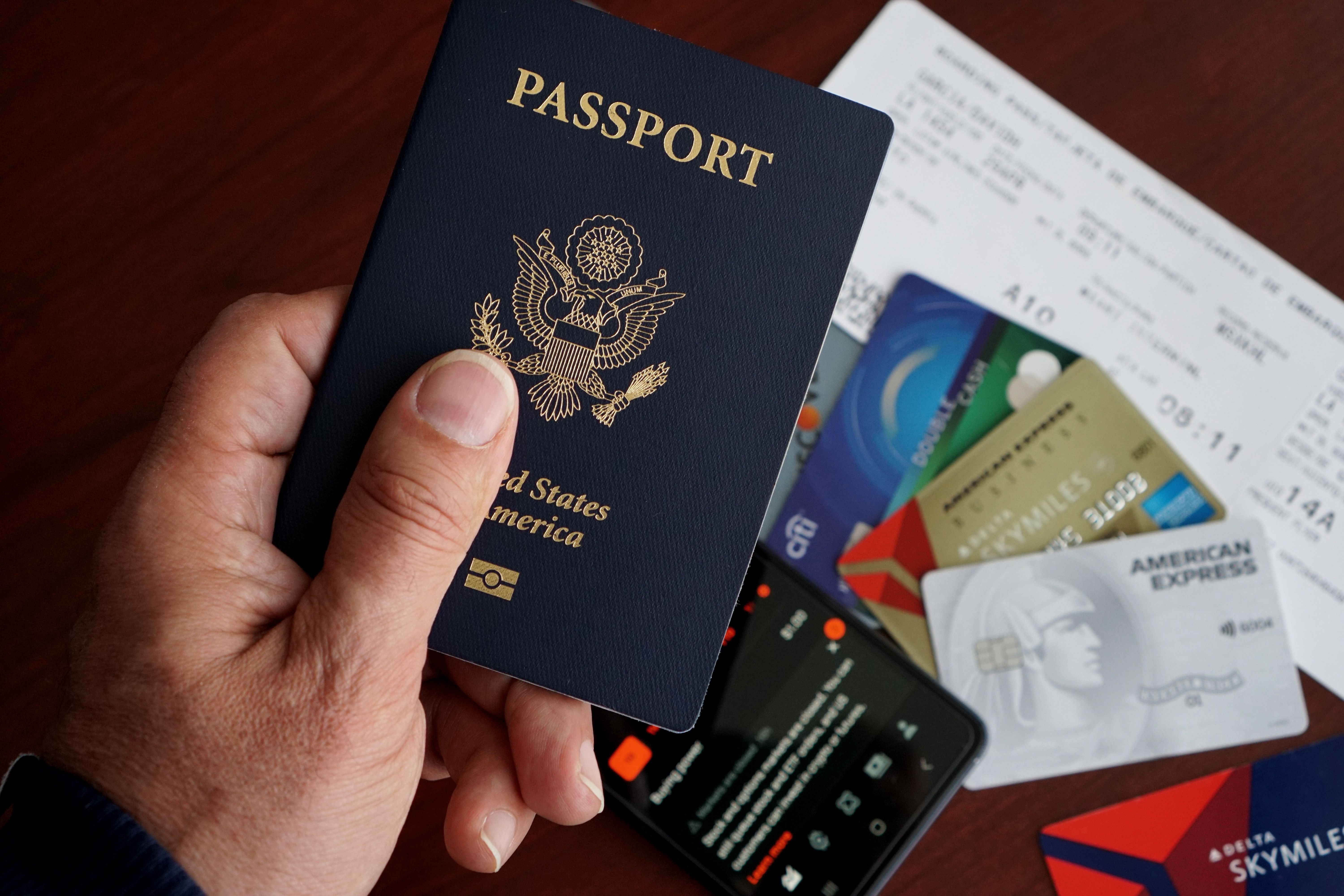
The Charge That Travels Home: How a US Supreme Court Ruling Follows Green-Card Holders to the Border
A 6–3 decision lets border officers treat returning permanent residents with pending charges as new arrivals — and the chilling effect reaches diaspora living rooms far from Washington.
The line at John F. Kennedy International Airport is where the journey began to unravel. A lawful permanent resident, returning from a trip abroad, handed over a green card he had held since 2007. An officer ran his name, found an unresolved criminal charge from years earlier, and made a decision that would echo all the way to the Supreme Court: instead of waving him through as a returning resident, the officer placed him on immigration parole and treated him as someone seeking admission for the very first time.
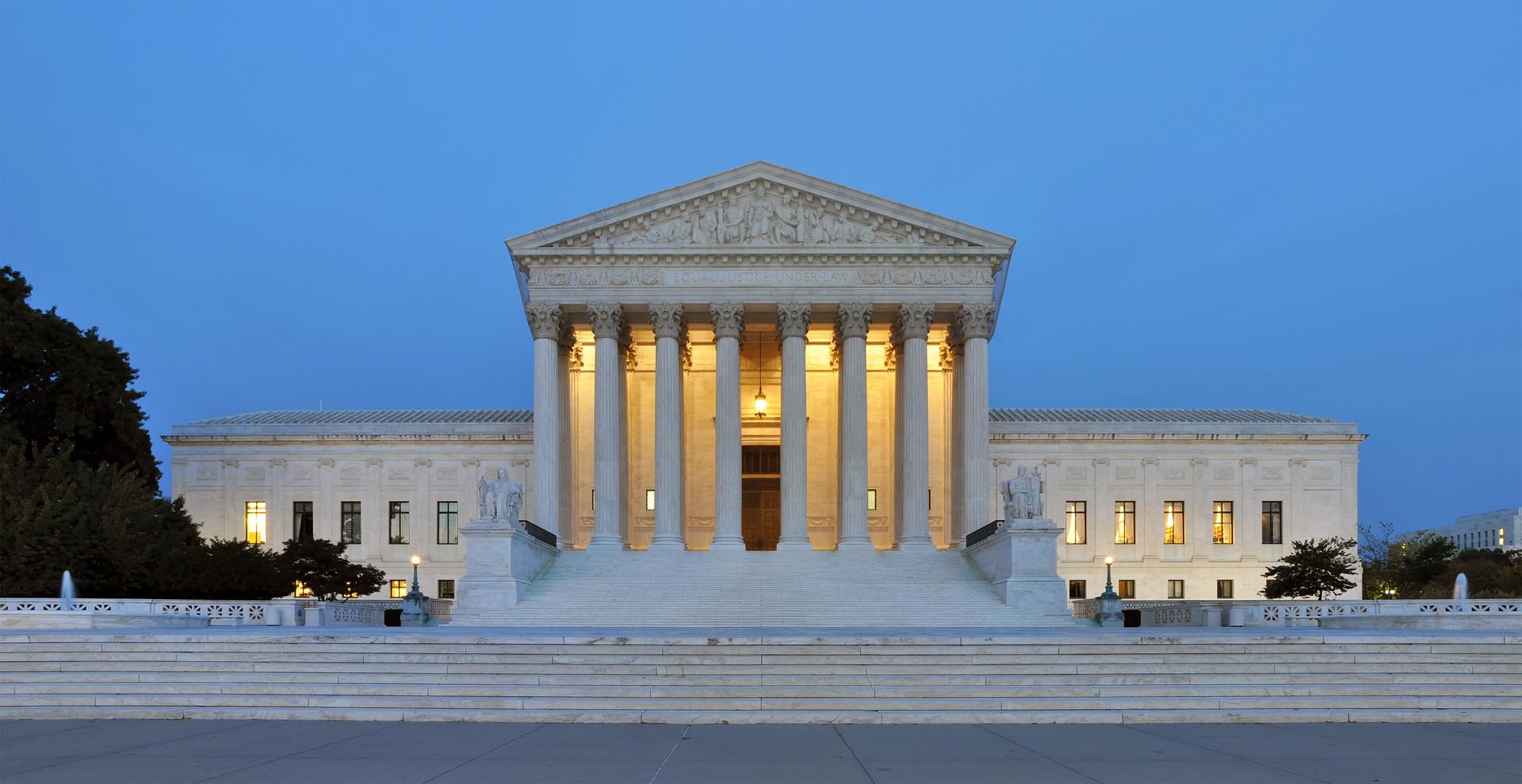
That traveller was Muk Choi Lau, and on 23 June the United States Supreme Court ruled, 6–3, that border officers were entitled to do exactly what they did. The decision sided with the Trump administration and widened the government's power to scrutinise green-card holders at the nation's ports of entry. For the hundreds of thousands of Kenyans who carry US permanent residence and still fly home to bury parents, attend weddings, or check on family land, the ruling quietly changes the arithmetic of every trip.
What the Court actually decided
The legal question was narrow but consequential: how much certainty must a border officer have before treating a returning permanent resident as an "applicant for admission" rather than simply readmitting them?
Writing for the majority, Justice Clarence Thomas held that officers do not need to prove "by clear and convincing evidence" that a crime has been committed before placing a returning resident on parole. It is enough, the Court found, that there is reason to believe the traveller may have committed a qualifying offence. A pending charge — even one that has not produced a conviction — can be enough to reroute a permanent resident out of the smooth returning-resident lane and into the far harsher inadmissibility track.
That track matters because of where it shifts the burden. A returning resident is presumed admissible, and the government must justify keeping them out. An applicant for admission must affirmatively prove their own eligibility, and can be paroled into the country, detained, or placed directly into removal proceedings while they try.
The case behind the ruling
Lau became a lawful permanent resident in 2007. In 2012 he was charged in New Jersey with trademark counterfeiting. Before that charge was resolved, he travelled to China and then sought to come home through JFK, where the pending case surfaced and he was paroled rather than admitted.
He later pleaded guilty and received a probationary sentence. The Department of Homeland Security then moved to remove him, arguing the offence was a "crime involving moral turpitude" that rendered him inadmissible. Lau fought back, insisting he should never have been treated as inadmissible at the border because, at the moment he returned, he had not been convicted of anything. The Second Circuit Court of Appeals agreed with him, ruling the government lacked sufficient evidence to deny him admission. The Supreme Court has now reversed that conclusion, handing the discretion back to the officers at the gate.
A sharp dissent on due process
The three dissenting justices saw the same facts and described a very different danger. Justice Ketanji Brown Jackson, joined by Justices Sonia Sotomayor and Elena Kagan, warned that the decision hands the government broad power to place lawful permanent residents into what she called "immigration limbo" on the strength of allegations alone.
Her concern was procedural but deeply human: a resident could be exposed to the machinery of deportation before any court has found them guilty of anything. Charges are dropped, cases collapse, and the accused are acquitted every day in American courtrooms. Under the majority's logic, the dissent argued, a person can be treated as inadmissible at the border for a charge that may never become a conviction — and the consequences of that border decision can outlast the criminal case that triggered it.
Why the diaspora should read the fine print
For Kenyans living in the United States on green cards, the ruling does not change who may travel, but it raises the stakes for anyone who travels with an unresolved legal matter at home. A bar fight that produced a misdemeanour charge, a disputed traffic incident, a business dispute that turned into a counterfeiting or fraud allegation — any of these, still pending, now becomes a reason an officer can pull a returning resident into secondary inspection and reclassify them.
The decision lands amid a broader tightening that diaspora outlets have tracked through the year: a proposed sharp increase in naturalisation fees, new deportation guidance that immigration lawyers say widens who can be removed, and reports of the government examining denaturalisation in selected cases. None of these are aimed at Kenyans specifically. Together, though, they reshape the calculation for a community that has long treated a green card as settled security rather than a status to be defended at every border crossing.
Immigration practitioners give consistent, unglamorous advice in moments like this: resolve open criminal matters before leaving the country, carry documentation of the disposition of any closed case, and consult a lawyer before travelling if anything is unresolved. For a parent debating whether to fly to Nairobi for a funeral, that advice can be the difference between a hard week of grief and a far longer fight to come home.
The longer shadow
The Lau ruling is one of several immigration disputes moving through the Court, with cases touching asylum, birthright citizenship, and temporary protections still to come. Each is technical on its face and personal in its reach. This one redraws a line that millions of permanent residents cross without thinking — the moment a returning resident becomes, in the eyes of the law, a stranger asking to be let in.
For the Kenyan diaspora, the message is not panic but preparation. Permanent residence remains exactly that: permanent, durable, and worth protecting. But the border is now a place where an old, unresolved charge can travel home with you, and where the benefit of the doubt belongs a little less to the traveller than it did a week ago.