The Trip Home That Got Complicated: How a Supreme Court Ruling Reshapes Re-Entry for Kenya's Green Card Holders
A 6–3 decision lets US border officers treat returning permanent residents with pending charges as new arrivals — and Kenyans who fly home to visit are taking note.

Picture a Kenyan nurse in Dallas who has not seen her mother in four years. A ticket to Nairobi sits in her inbox, bought for a cousin's wedding in Murang'a. She has a green card, a mortgage, two American-born children and, somewhere in a county court file, a misdemeanor charge from a fender-bender dispute that her lawyer keeps promising will be dropped. For most of the last two decades, none of that would have complicated her return through Dallas–Fort Worth. After a ruling handed down in Washington this week, she is no longer sure.
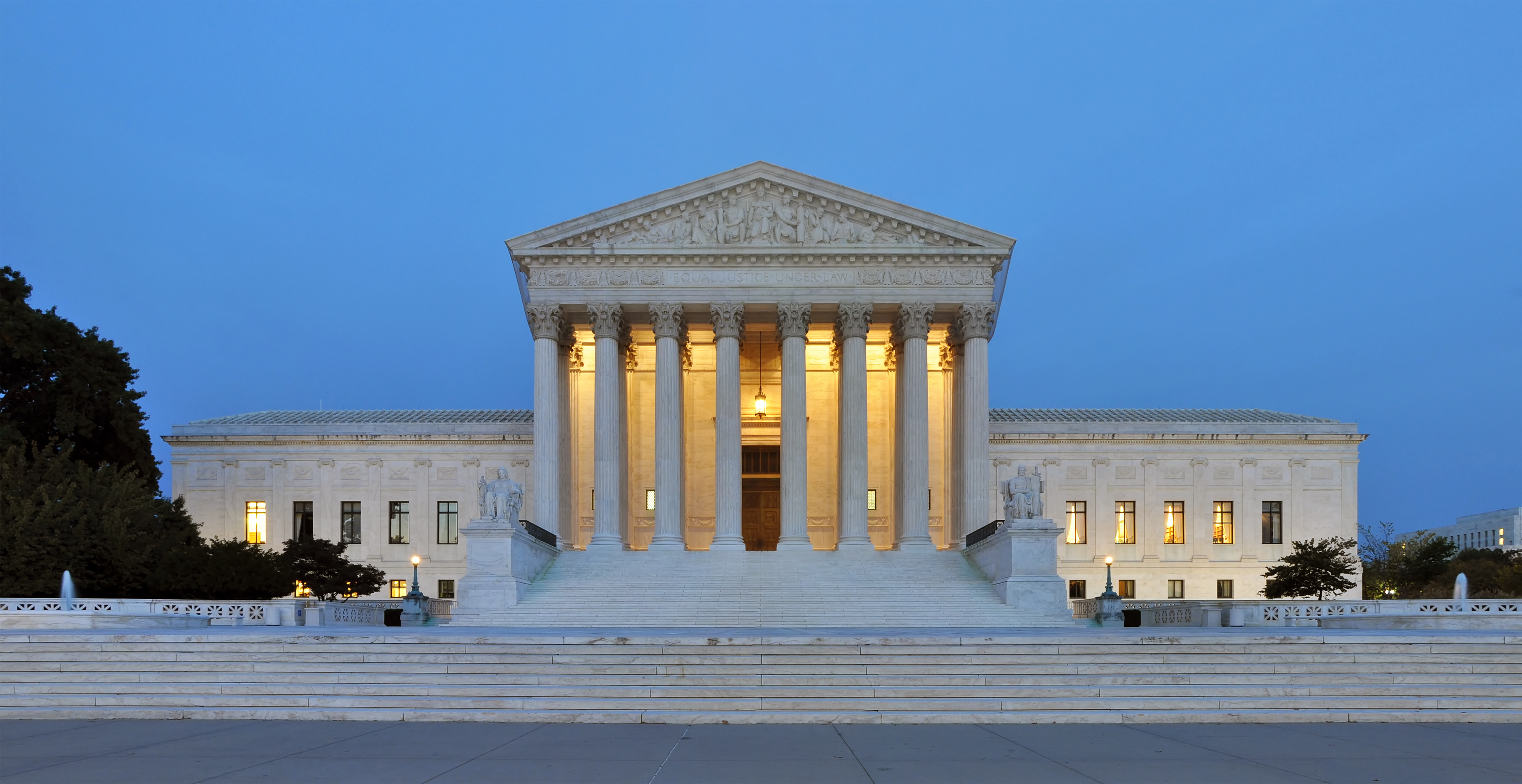
The United States Supreme Court has decided that immigration officers may treat returning lawful permanent residents who face criminal charges as applicants for admission when they re-enter the country, even when those residents have not been convicted of anything. The 6–3 decision lands at the intersection of two things Kenyans abroad think about constantly: the green card that anchors their lives in America, and the flights home that keep them tethered to family in Kenya.
A Ruling That Redraws the Line at the Border
The case, reported by Mwakilishi and confirmed across US legal outlets including FindLaw and the American Immigration Council, is known as Blanche v. Lau. It centered on Muk Choi Lau, a Chinese national who became a lawful permanent resident in 2007. In 2012 he was charged in New Jersey with trademark counterfeiting. Soon after, he traveled abroad and tried to return through John F. Kennedy International Airport, where border officials placed him on immigration parole because of the unresolved charge rather than admitting him as a returning resident. He later pleaded guilty and received a probationary sentence, and the government moved to remove him.
Lau argued that he should not have been treated as inadmissible on his return, because at the time he had not been convicted. A federal appeals court agreed. The Supreme Court has now reversed that finding. Writing for the majority, Justice Clarence Thomas held that border officials are not required to prove "by clear and convincing evidence" that a crime has occurred before placing a permanent resident on parole. In practice, an unresolved charge can now shape how a returning resident is processed at the port of entry.
What "Applicant for Admission" Actually Means
The phrase sounds bureaucratic, but it carries weight. Ordinarily a green card holder returning from a trip is a returning resident, presumed admissible and entitled to walk back into the life they left. Reclassifying someone as an applicant for admission flips that posture. It moves them onto the harder inadmissibility track, where they can be paroled into the country, detained, or placed in removal proceedings — and where the burden of proof shifts onto the individual rather than the government.
According to analyses published this week by US immigration firms, the people most exposed are those with pending criminal charges, prior arrests or convictions, allegations involving fraud, theft or drugs, earlier immigration violations, or unusually long absences abroad. None of those categories require a conviction to trigger extra scrutiny. The ruling does not strip anyone of a green card by itself, but it widens the discretion officers have at the exact moment a traveler is most vulnerable: jet-lagged, alone, and standing at a counter far from a lawyer.
Why Kenyans in America Are Paying Attention
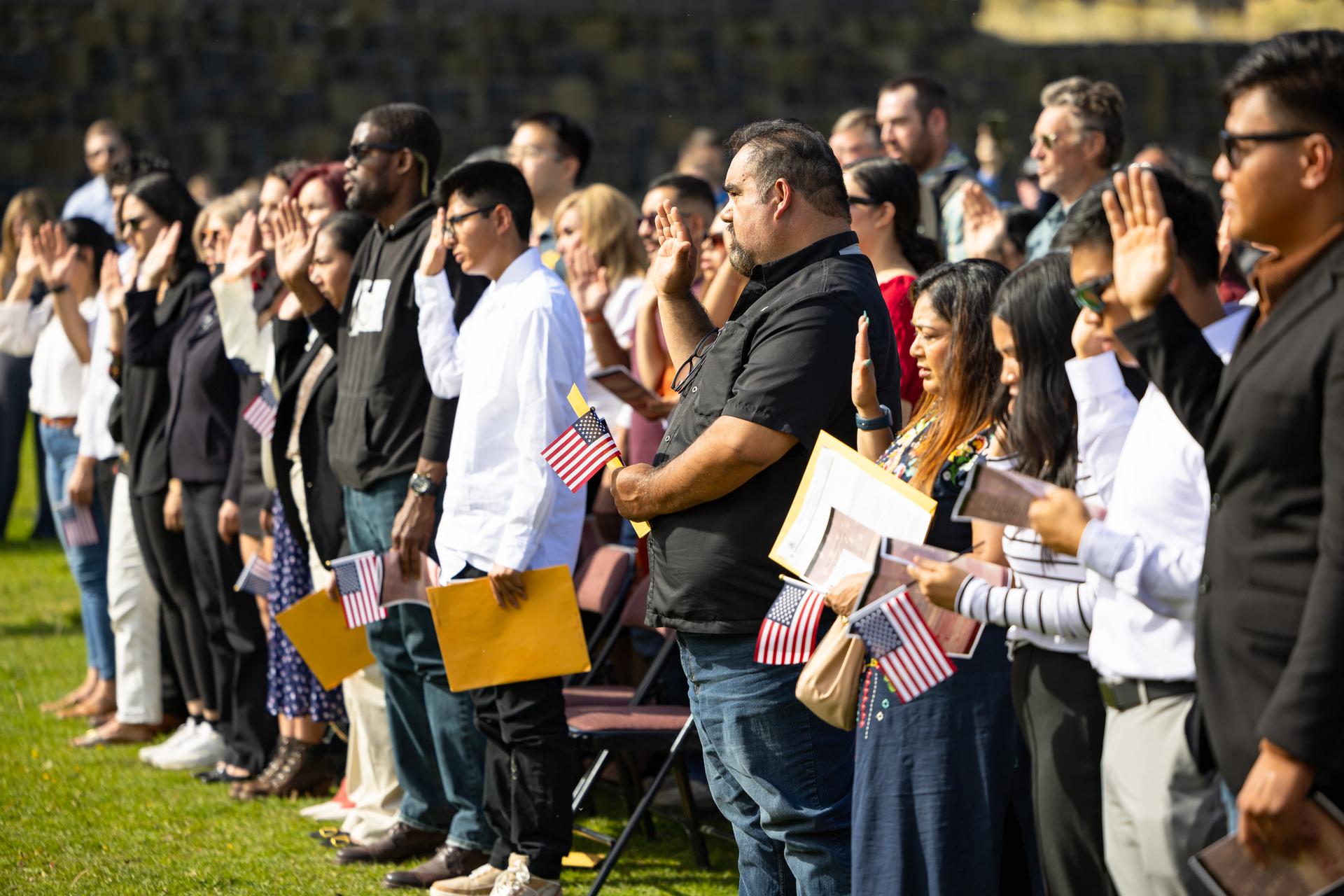
The United States is the single largest hub of the Kenyan diaspora and, by a wide margin, the largest source of the remittances that sustain households back home. Recent Central Bank of Kenya figures put the US at roughly 43.5 percent of all money sent to Kenya. Behind that statistic are tens of thousands of nurses, truck drivers, software engineers, students and care workers whose lives straddle two countries. They fly home for funerals that cannot wait, for weddings, for ailing parents, for the simple need to stand on Kenyan soil again.
For that community, the calculus around travel has quietly changed. A green card has long felt like a near-guarantee of return. The new ruling introduces a sliver of doubt for anyone with even a minor legal entanglement, and doubt has a way of spreading. Immigration advisers say the practical risk remains concentrated among residents with genuine criminal exposure, not the average traveler. But the chilling effect — the hesitation before booking a ticket to Nairobi — reaches further than the law's actual targets.
The Dissent's Warning
The decision was not unanimous, and the disagreement was sharp. Justice Ketanji Brown Jackson, joined by Justices Sonia Sotomayor and Elena Kagan, warned that the majority had handed the government broad power to place lawful permanent residents in what she called "immigration limbo" on the strength of allegations alone. Her concern was procedural and human at once: that people could be exposed to the machinery of deportation before any finding of guilt, eroding the due-process protections that are supposed to attach to permanent residency.
That argument resonates in diaspora WhatsApp groups, where the line between an accusation and a conviction is well understood to be the difference between a bad week and a ruined life. The dissent does not change the outcome, but it frames the stakes that immigration lawyers are now relaying to worried clients.
Practical Caution for Travelers
The advice emerging from US immigration attorneys is measured rather than alarmist. Permanent residents with no criminal record have little reason to cancel plans. Those with pending charges, old arrests, or any history that might raise a flag are being urged to consult a lawyer before leaving the country, to carry documentation of their status and the disposition of any case, and to understand that a long stay abroad can itself invite questions on return.
The ruling also fits a broader pattern the diaspora has been tracking through a steady drip of headlines: proposed increases to citizenship fees, debates over visa programs, and tighter scrutiny across the immigration system. Taken together, they signal an environment in which the gap between holding a green card and holding citizenship feels wider than it did a year ago. For the nurse in Dallas weighing that ticket to Nairobi, the takeaway is not panic but preparation — a phone call to a lawyer before she packs, so that the trip home does not become the hardest part of coming back.