The Last Step Gets Steeper: How a Proposed US Fee Hike Could Put Citizenship Out of Reach for Kenyan Green Card Holders
Washington wants to nearly double the cost of naturalising and scrap the waivers low-income immigrants rely on. For many Kenyans in America, the final step toward belonging could become the hardest one.
A Decision Deferred
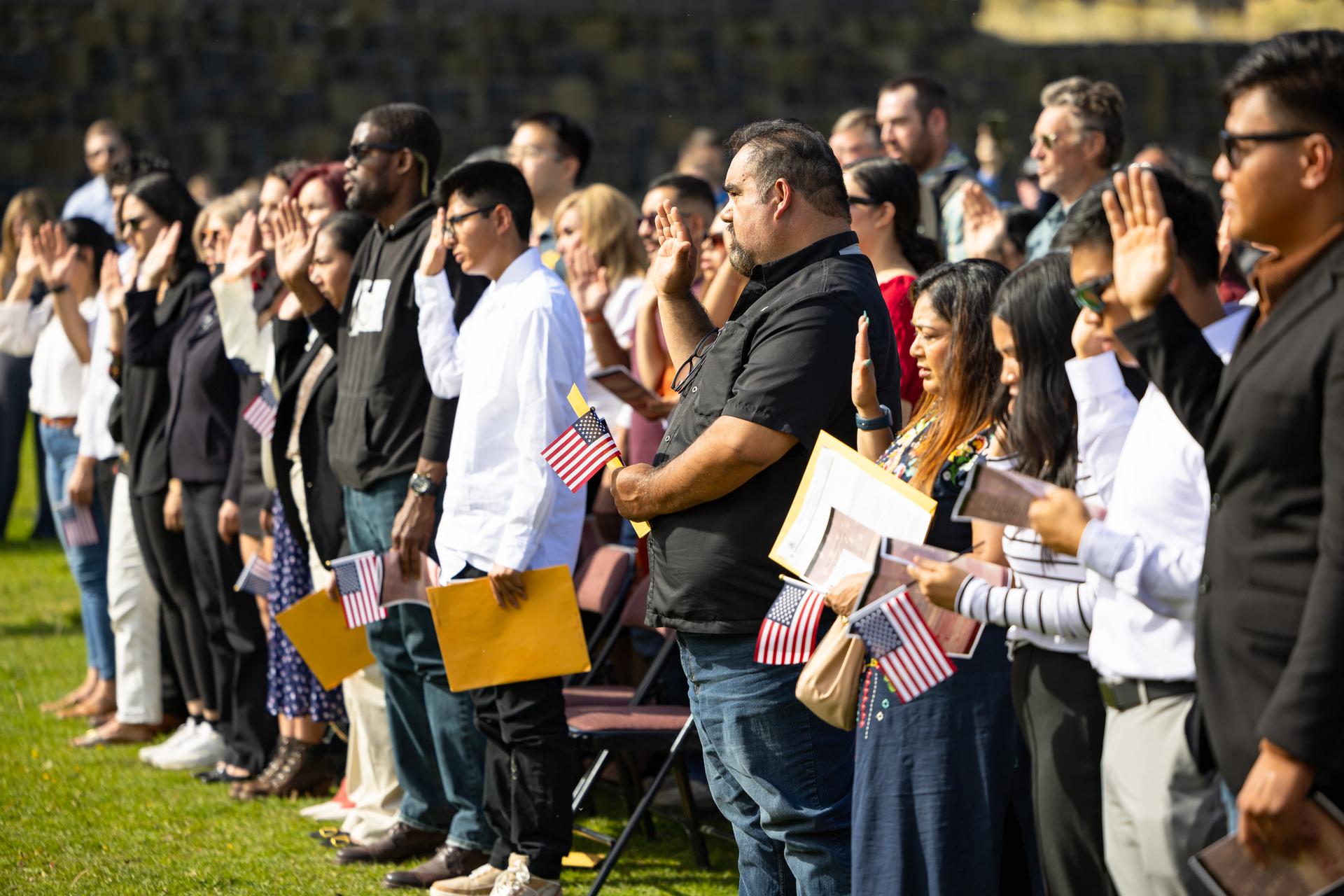
Picture a Kenyan nurse who has spent the better part of a decade on the night shift at a hospital outside Dallas. She arrived on a work visa, adjusted to a green card, and has been counting down the five years that stand between a permanent resident and the oath of citizenship. The savings jar on the kitchen counter is for that day: the filing fee, the passport photos, the morning off work for the ceremony. This month, she did the arithmetic again and found the target had moved.
For thousands of lawful permanent residents like her, naturalisation is not a formality but a long-deferred destination. A new proposal out of Washington would make the final stretch markedly more expensive, and would remove the financial cushions that have helped lower-income immigrants reach the finish line at all. The change is still a proposal, not law. But for Kenyans who have organised their lives around becoming American, the numbers are already reshaping the calculation.
What the Proposal Actually Says
The US Department of Homeland Security has published a proposed rule that would sharply raise the cost of applying for citizenship. Under it, the fee for Form N-400, the Application for Naturalisation, would climb from $760 to $1,330 for paper filings and from $710 to $1,280 for online submissions, increases of roughly 75 to 80 percent.
The proposal reaches beyond the application itself. The fee for Form N-336, used to request a hearing when a naturalisation application is denied, would rise from $830 to $1,475 on paper and from $780 to $1,425 online. For an applicant who is rejected and wishes to appeal, the combined cost of trying and trying again would more than double from today's levels.
DHS frames the increases around what it calls a beneficiary-pays principle: the idea that those who receive a government service should bear the full cost of processing it. The department argues that earlier administrations deliberately kept naturalisation fees low to encourage applications, effectively asking applicants for other immigration benefits to subsidise the gap. Supporters of the change say the new schedule simply reflects the true cost of the work and protects the financial stability of US Citizenship and Immigration Services.
Why the Waiver Matters for Kenyans
The headline figure is not the only thing that worries immigration advocates. The proposal would also eliminate the reduced-fee option and most fee waivers that exist today.
At present, applicants whose household income falls at or below 400 percent of the Federal Poverty Guidelines can pay a reduced fee of $380, and some qualify for a full waiver. Those provisions were designed precisely for people in the early, financially stretched years of building a life in a new country, the very stage many Kenyan immigrants occupy. If the rule is adopted as written, that ladder disappears, and every applicant pays the full amount.
There is one carve-out. The proposal would preserve the existing fee exemptions for qualifying current and former members of the armed forces who naturalise under the relevant sections of US immigration law, because those exemptions are required by statute. For the many Kenyans who have served in the US military, the door stays open. For the nurse in Dallas, the home health aide in Minnesota, or the rideshare driver in New Jersey, it narrows.
The Wider Squeeze on the Diaspora
The fee proposal does not land in isolation. It arrives amid a broader tightening of the American immigration system that Kenyan diaspora outlets have tracked closely in recent weeks, from proposed increases to the salaries employers must pay H-1B workers to court rulings expanding the government's power over returning green card holders. Read together, these shifts send a consistent signal to immigrants weighing their futures: the cost of staying, and of formalising one's place, is rising.
That signal carries weight back home as well. The Kenyan diaspora in the United States is among the largest and most economically active abroad, and the remittances its members send help sustain households, school fees and small businesses across the country. Citizenship is more than a personal milestone; it offers protection from deportation, the right to vote, the ability to sponsor relatives and access to jobs closed to non-citizens. Anything that slows the path to that security has consequences that ripple far beyond a single applicant's bank account.
For families who have already endured years of separation, paperwork and waiting, the prospect of an additional several hundred dollars per applicant can be the difference between filing this year and filing some indefinite year later, if at all.
What Happens Next
Nothing about the proposal is final. DHS opened a 60-day public comment period, with written submissions due by late August, and the current fees remain in force throughout that window. There is no confirmed effective date for any new schedule, and immigration lawyers, advocacy groups and community organisations are expected to scrutinise the rule closely and file objections before the deadline.
That interval matters for anyone close to eligible. Immigration practitioners often advise applicants who already meet the requirements not to wait, since today's fees and today's waiver options still apply until a final rule takes effect. For a permanent resident who has met the five-year residence test, or the three-year test for those married to a US citizen, and who can satisfy the English and civics requirements, the months ahead may be the most affordable runway that will be available for some time.
The Calculus of Belonging
What makes this proposal sting is not only the dollar figure but what it represents. Citizenship is the moment an immigrant stops being a guest and becomes a full participant, with a vote, a passport and a measure of permanence that no visa can promise. Pricing that moment higher, and removing the help that made it reachable for those with the least, changes who gets to arrive.
The nurse outside Dallas will likely still get there; she has time, a steady job and a plan. Others, further from the threshold or closer to the margins, may find the oath receding into the distance. As the comment period runs its course, the question facing Washington is not merely how to fund an agency, but how much it is willing to charge for the privilege of belonging, and who it is prepared to leave standing outside the room.