The Border Everyone Is Watching: How a Surging Ebola Outbreak Reaches the Kenyan Diaspora Through a Phone Line Home
As Ebola cases in DR Congo climb past 480 and Kenya screens its western borders, Kenyans abroad confront an outbreak they can fight only from a distance.
For many Kenyans working abroad, the first news of the day now arrives the same way: a phone held in the dark, a headline refreshed before the alarm, and a quiet calculation about how far an outbreak in a neighbouring country has travelled toward home. In hotel staff quarters in the Gulf, in nursing-home break rooms in Britain, in apartment kitchens in Minnesota, the questions are the same. How close is it to the village? Is the border still open? Is everyone well?
The outbreak they are watching is the Ebola epidemic spreading through the eastern Democratic Republic of the Congo, and over the past week it has grown large enough to put the whole region — and the diaspora that follows Kenyan news from afar — on edge. For a community used to sending money home, the past fortnight has added something harder to wire across a banking app: worry that arrives faster than any remittance.
A Familiar Virus, Moving Faster Than Before
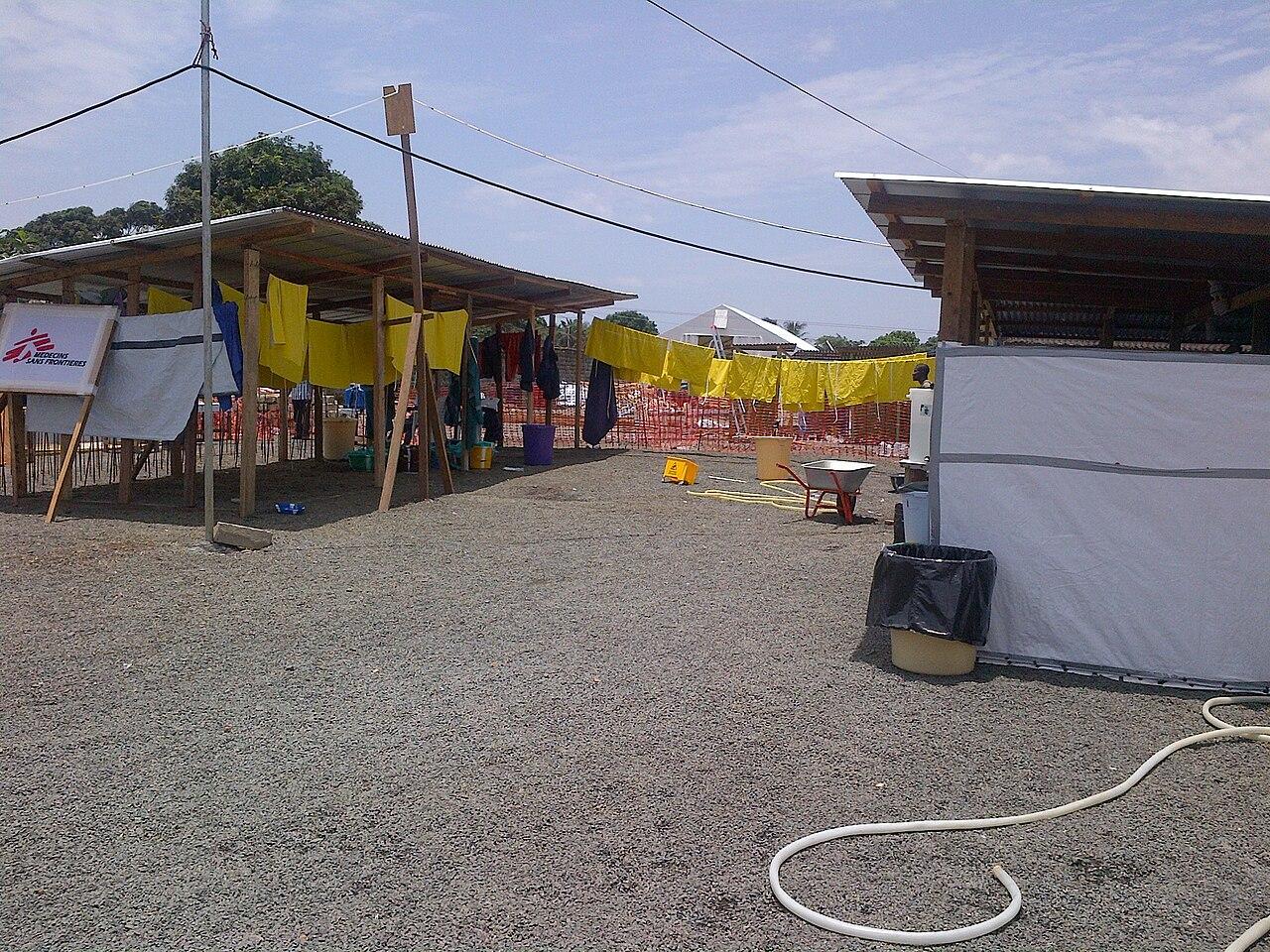
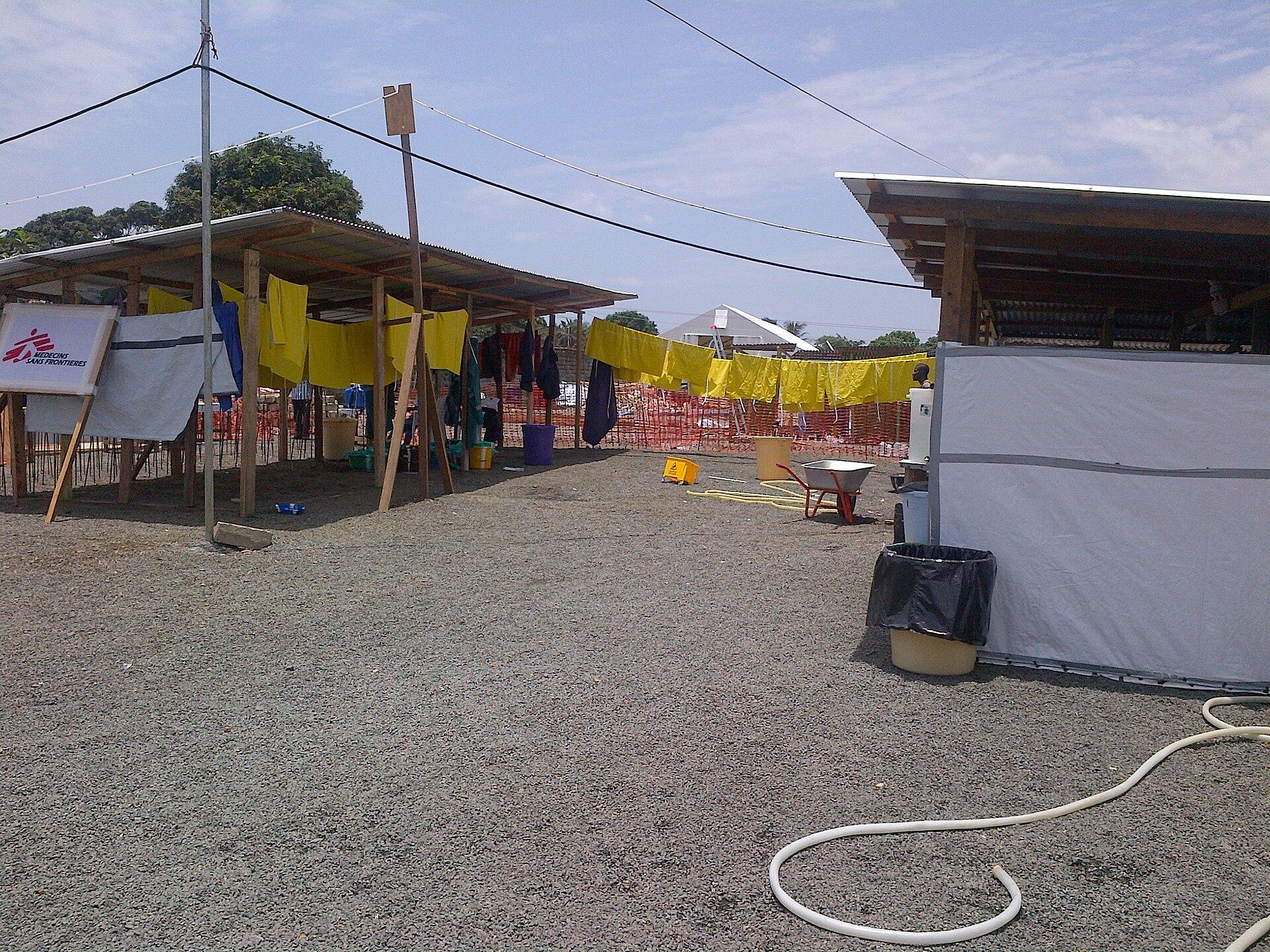
The current epidemic was first reported in May 2026 in DR Congo's Ituri Province and is, by the count of health authorities, the seventeenth Ebola outbreak the country has faced. Genetic sequencing identified it as the Bundibugyo virus, one of the species that causes Ebola disease in people. It is a sobering identification: there is no licensed vaccine or approved therapeutic specifically for the Bundibugyo strain, which leaves supportive medical care and old-fashioned public-health discipline — surveillance, isolation, contact tracing — as the main tools available to stop it.
That is what makes the speed of this outbreak so unsettling to officials. The virus has spread beyond its first rural footprint, and neighbouring Uganda has reported cases of its own, turning a localised emergency into a cross-border one. For East Africans, the geography is intimate rather than abstract. The same roads, markets and bus routes that knit the region together are the routes a virus can follow.
The Numbers Behind the Alarm
The figures have moved quickly enough that different agencies, counting on different days, have published different totals — a normal feature of a fast-moving outbreak, and a reason to read each number with care. People Daily reported this week that confirmed cases in DR Congo had surged past 480. The United States Centers for Disease Control and Prevention, summarising the situation in early June, put the death toll at roughly 88 and warned that the DRC health ministry had described rapid and continuous community transmission, including dozens of new cases confirmed within a single 24-hour window.
Whatever the precise tally on a given morning, the direction is what matters, and it is upward. Each new case is also a new web of contacts to trace, a task that becomes exponentially harder as numbers climb and as fear pushes some families to move rather than report symptoms.
A Continent's One-Response Plan — and a Funding Gap
On 5 June 2026, the Africa Centres for Disease Control and Prevention and the World Health Organization launched a joint continental preparedness and response plan built around a single idea Dr Tedros Adhanom Ghebreyesus summarised as "one plan, one budget, one team." The six-month framework, covering June to November 2026, is designed to pull governments, partners and communities into one coordinated effort spanning emergency coordination, disease surveillance, laboratory testing, infection prevention, clinical care, community engagement, logistics and research.
The plan complements the national responses already under way in DR Congo and Uganda, and it asks for serious money: roughly 518 million US dollars, about 67 billion Kenyan shillings, to fund the work. Africa CDC's director-general, Dr Jean Kaseya, framed the urgency bluntly, arguing that Ebola moves fast and that Africa must move faster, with member states, WHO and partners turning commitment into resources for the communities most at risk. The plan also stresses that other emergencies — mpox, cholera and measles among them — cannot be allowed to slide while attention shifts to Ebola.
For all the coordination, the gap between an ambitious budget and the cash actually pledged is where outbreaks are often won or lost. That gap is one the diaspora has historically helped to close, quietly, one fundraiser and one M-Pesa transfer at a time.
The Quarantine Fight Kenyans Abroad Are Following
Closer to home, the outbreak has collided with a domestic argument that Kenyans overseas have been tracking with unusual intensity. Plans to build dedicated Ebola quarantine and treatment facilities inside Kenya have become politically charged. A proposal linked to United States support was halted by a Kenyan court in late May, according to Mwakilishi, and the diaspora reaction — particularly among Kenyans in Europe, who voiced concerns about how and where such a centre would be run — has been part of the debate rather than a footnote to it.
Inside the country, the politics are just as sharp. A proposal to establish facilities in Kakamega drew open criticism from some leaders, with sceptics questioning whether a health system that already strains against routine illnesses can safely host a high-risk isolation unit. Supporters counter that preparedness is precisely the point, and that a facility built before a crisis is worth far more than one improvised during it. For Kenyans abroad, the dispute is not academic; many are weighing whether, and when, it is safe to travel home to see ageing parents and young children.
What the Diaspora Can and Cannot Do
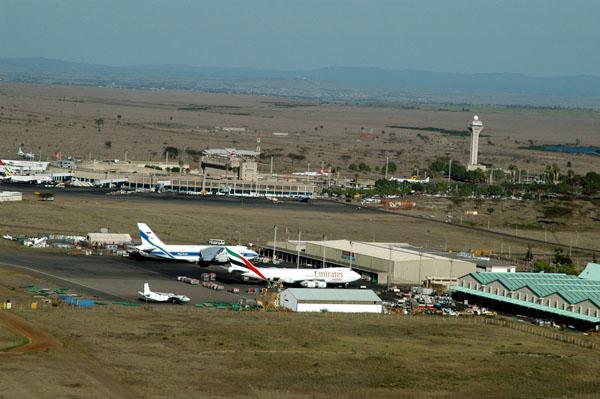
The most immediate effect on Kenyans overseas has been felt by travellers. A travel advisory issued by the United Arab Emirates has raised fresh questions for Kenyan passengers, a reminder that an outbreak hundreds of kilometres from Nairobi can still reshape a Gulf worker's plans, paperwork and peace of mind. Within Kenya, the Ministry of Health has moved to reassure the public: Health Cabinet Secretary Aden Duale confirmed that 67 suspected Ebola tests had returned negative, even as the country maintains a high state of alert and tightens screening at the Malaba crossing and other points of entry.
For the diaspora, the honest reckoning is about distance. They cannot staff a treatment unit in Ituri or screen a passenger at Malaba. What they can do is the work the response plan keeps returning to: support the people on the ground, fund the gaps, and — perhaps most usefully — push accurate information through the family WhatsApp groups where rumour spreads as fast as any virus. Contact tracing falters when communities lose trust, and trust is something a familiar voice abroad can help protect.
So the calls home will continue, before dawn in Abu Dhabi and after midnight in Minnesota. The diaspora has long been Kenya's quiet financier. In the weeks ahead, it may also need to be one of the country's calmest voices — steadying families, funding the response, and waiting, as everyone in the region now waits, for the curve to bend back down.