The Checkpoint Before Home: How an Ebola Outbreak Next Door Is Reshaping the Journey Back for Kenyans Abroad
As a $518 million continental plan launches and JKIA's screening buckles under the crowds, Kenyans returning from abroad face a tense new ritual at the door home.
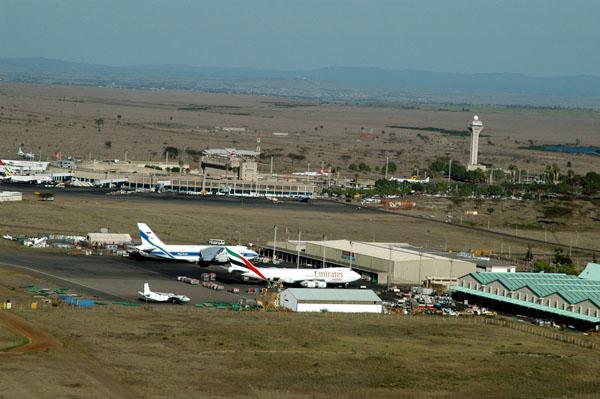
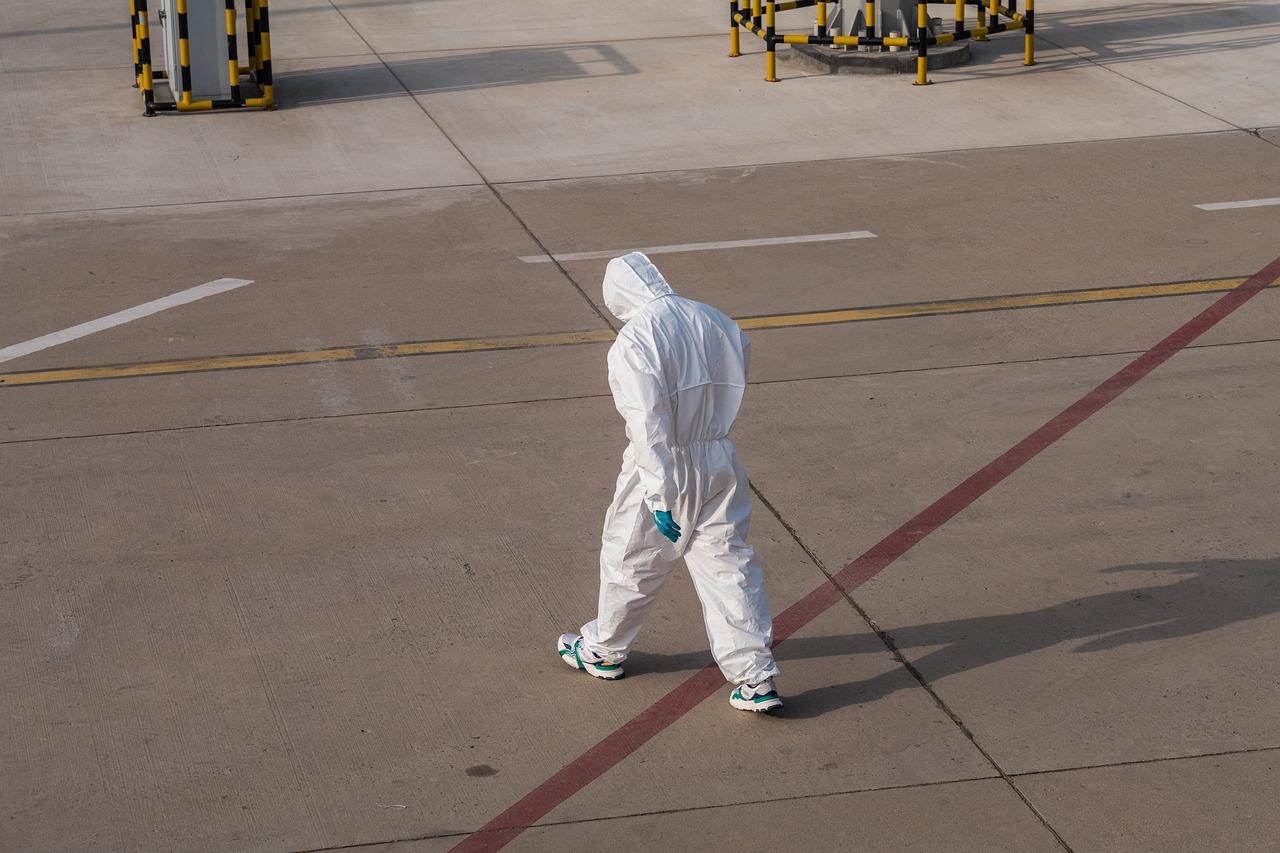
For most Kenyans living abroad, the last hurdle before home has always been a familiar one: the long immigration queue at Jomo Kenyatta International Airport, the stamp, the hug at the arrivals hall. This month, a new station has appeared in front of all of that, and it is the one that has people talking. Travellers stepping off long-haul flights into Nairobi are now funnelled toward a health checkpoint where they must scan a QR code and submit their recent travel history and health status before they are waved through to the rest of the airport.
It is meant to be a quiet, orderly act of public health. On several recent nights it has been anything but. Passengers arriving on a return trip from China were seen bunched at a single counter, scanning codes that would not load, waiting on staff who were too few for the crowd. Some, by their own accounts, were eventually let through without finishing the process at all. "People were stuck for long periods and the system was not working properly," one traveller told Capital FM, describing scenes that looked less like a frontline defence and more like a bottleneck.
The outbreak that changed the arrivals hall
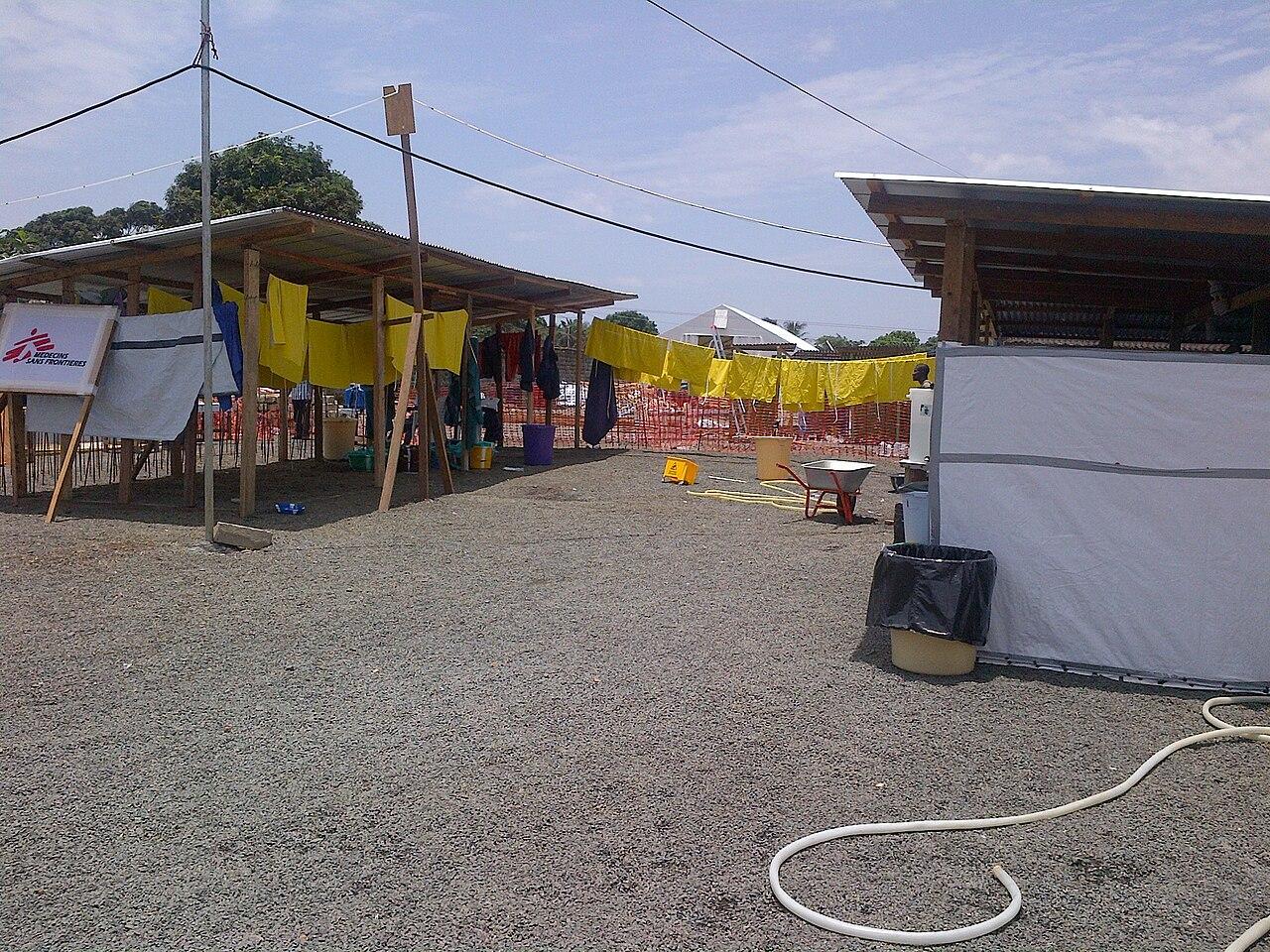
The reason for the new checkpoint sits just across Kenya's western frontier. An outbreak of Ebola caused by the Bundibugyo virus has taken hold in the Democratic Republic of the Congo, with the World Health Organization declaring the situation in Ituri Province a Public Health Emergency of International Concern. Case counts and deaths have been climbing there and in neighbouring Uganda, and the geography matters: the same buses, lorries and regional flights that knit East Africa together are exactly the routes an outbreak can travel.
For the Kenyan diaspora, this is not a distant news item. It is the backdrop to every trip home this summer — the wedding in Kisumu, the burial in Murang'a, the school holiday with grandparents in Nairobi. The continent's health authorities are explicit that the risk is regional, not contained to two countries, and that travellers moving through busy hubs are part of how the virus could spread or be stopped.
A $518 million plan, and the screening it demands
On 5 June, the Africa Centres for Disease Control and Prevention and the WHO launched a joint continental preparedness and response plan for the Bundibugyo outbreak, seeking to raise 518 million US dollars over six months, from June to November 2026. Built around what the agencies call a "One Response" approach — one plan, one budget, one team — the strategy folds together surveillance, laboratory testing, infection control, clinical care and community engagement across the affected and at-risk countries.
The plan carries a sobering caveat that shapes everything downstream: there are no licensed vaccines or therapeutics specifically approved for the Bundibugyo species of Ebola. With no shot to fall back on, the first line of defence is the unglamorous work of detection — finding cases early, tracing contacts, and watching the points where people cross borders. WHO Director-General Tedros Adhanom Ghebreyesus framed containment as a matter of political commitment, sustained financing and, above all, community trust. Africa CDC's Director-General, Jean Kaseya, put the urgency more bluntly, warning that Ebola moves fast and the continent must move faster.
That continental call to strengthen screening at points of entry is precisely what the queue at JKIA is supposed to embody. The plan names roughly ten priority countries where preparedness is being reinforced ahead of any imported case. Kenya, with the region's busiest airport and deep road and rail links to its neighbours, is an obvious one.
What Kenya says it has built
Kenyan officials insist the machinery is in place. The Ministry of Health says it has reinforced screening across JKIA's arrivals gates, with a dedicated lane — Gate 16 — set aside for passengers arriving from countries judged to be at elevated risk. Thermal scanners, isolation points staffed by port health officials, expanded laboratory capacity and even the testing of aircraft wastewater have all been rolled out, and the government says rapid-response teams are on standby across air, sea and land borders. Health Cabinet Secretary Aden Duale told Parliament this week that Kenya had already screened more than 71,000 people at its border points.
The country is also building capacity on the ground. Duale described a network of 23 quarantine and isolation centres under construction, including a contested 50-bed facility at the Laikipia Air Base near Nanyuki. On that project he was unyielding, telling lawmakers the government "will not stop it." Counties such as Kakamega have announced their own Ebola centres amid fears tied to the Uganda outbreak.
The gap between the plan and the platform
Yet the chaotic scenes at JKIA expose the distance between a policy on paper and its execution at 2 a.m. when a wide-body lands and hundreds of tired travellers converge on one counter. Disease surveillance is only as strong as its weakest checkpoint, and a system that waves people through because the QR codes have frozen is, in effect, not screening at all. The contrast between confident statements in Parliament and stranded passengers at the terminal is what has turned a health measure into a political flashpoint.
The Laikipia facility has drawn court orders, street protests and questions of sovereignty, with civil-society groups challenging a US-linked quarantine arrangement and demanding public participation — a demand the health minister has dismissed as unnecessary in an emergency. Supporters argue that an outbreak next door leaves no time for prolonged consultation and that visible, well-resourced isolation capacity is exactly what reassures both citizens and the diaspora. Critics counter that preparedness built without public trust, and undermined by visible operational failures, risks the very community confidence the WHO says is essential to stopping Ebola.
What it means for the journey home
For Kenyans abroad weighing a trip back, the practical takeaways are modest but real. Expect the new health checkpoint on arrival, carry your travel history, and budget extra time in case the queues are long or the systems balky. None of this should deter a journey home; Kenya has recorded no confirmed Ebola cases, and screening is a sign of vigilance, not of an outbreak inside the country.
The deeper story is about a region trying to hold a line. The diaspora has always been a bridge — sending money, ideas and, several times a year, themselves — across the same borders that an outbreak now tests. Whether the checkpoint before home becomes a reassuring ritual or a cautionary tale will depend on something less visible than thermal cameras: whether the people staffing that single counter are given the numbers, the working systems and the trust to do the job the continental plan is counting on.