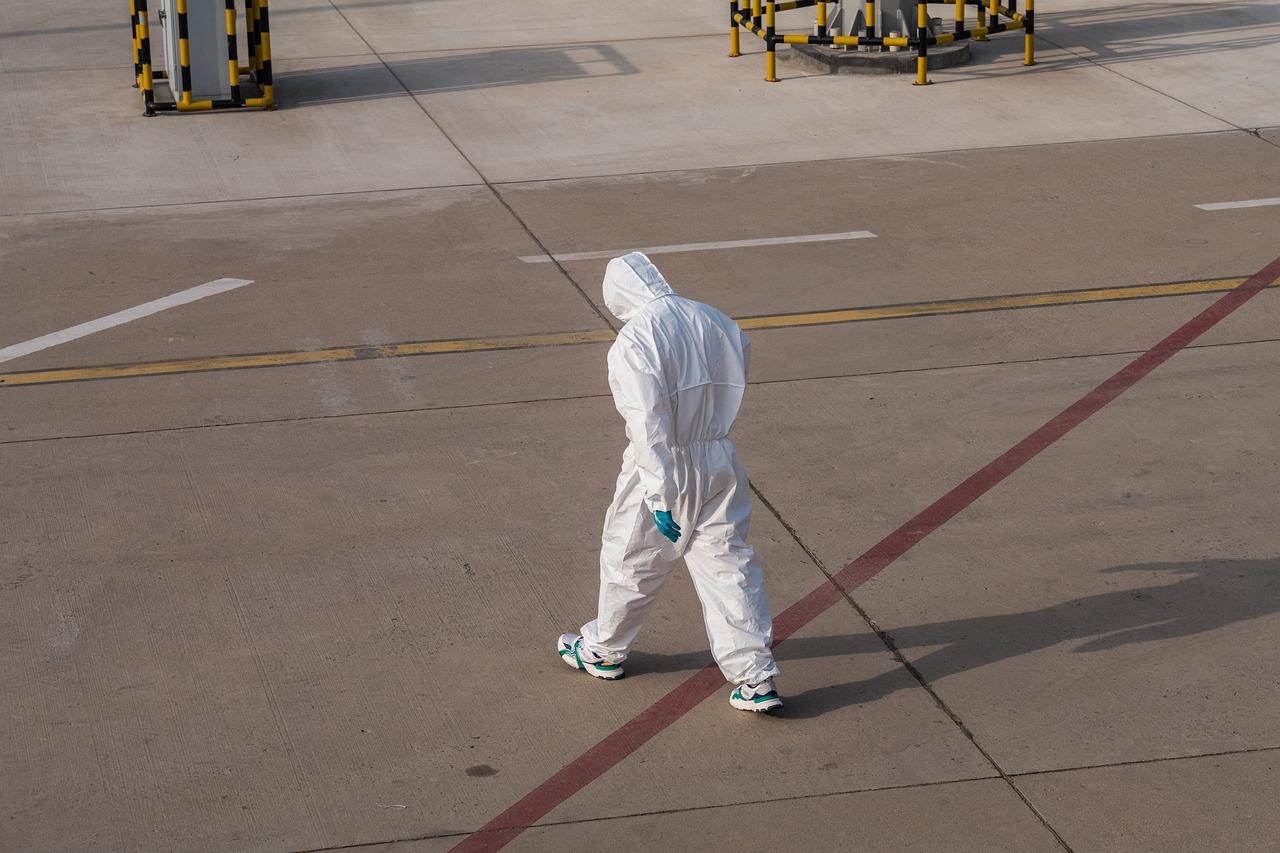
The Distance an Outbreak Travels: How Central Africa's Ebola Emergency Is Reshaping the Diaspora's Path Home
A WHO-declared emergency in DR Congo and Uganda has brought screening, rerouted flights and quarantine rules — and East Africa's diaspora is feeling it from thousands of miles away.
For a Nairobi-bound traveller leaving Washington this month, the journey now begins with a question that did not exist a few weeks ago: which airport will the plane actually be allowed to land at, and what happens on arrival. Across diaspora WhatsApp groups in London, Berlin and Minneapolis, the same screenshots circulate — health advisories, rebooked itineraries, and the quiet calculus of whether a planned trip home is still worth it. None of these people live anywhere near the forests of eastern Democratic Republic of Congo, where this story begins. Yet the outbreak there has reached into their calendars, their airports and their family plans all the same.
What the WHO Declared, and Why This Strain Worries Scientists
On 17 May 2026, the World Health Organization declared the Ebola outbreak in the Democratic Republic of Congo and Uganda a Public Health Emergency of International Concern, its highest level of global alarm. The trigger was not Ebola in the abstract but a specific virus: the Bundibugyo species, one of the four orthoebolaviruses known to sicken people. Unlike the Zaire strain behind the catastrophic West African epidemic of 2014, Bundibugyo has no licensed vaccine and no approved specific treatment, though researchers are racing to test promising candidates.
That gap is what unsettles public-health officials. The tools that helped contain recent flare-ups — ring vaccination, proven therapeutics — are not yet available off the shelf for this strain. Containment, for now, leans on the oldest methods in epidemiology: finding cases, tracing contacts, isolating the sick, and slowing movement out of affected zones. It is a labour-intensive response, and it is unfolding in a region already strained by conflict and hunger, which the WHO has warned complicates every step.
The Numbers Behind the Emergency
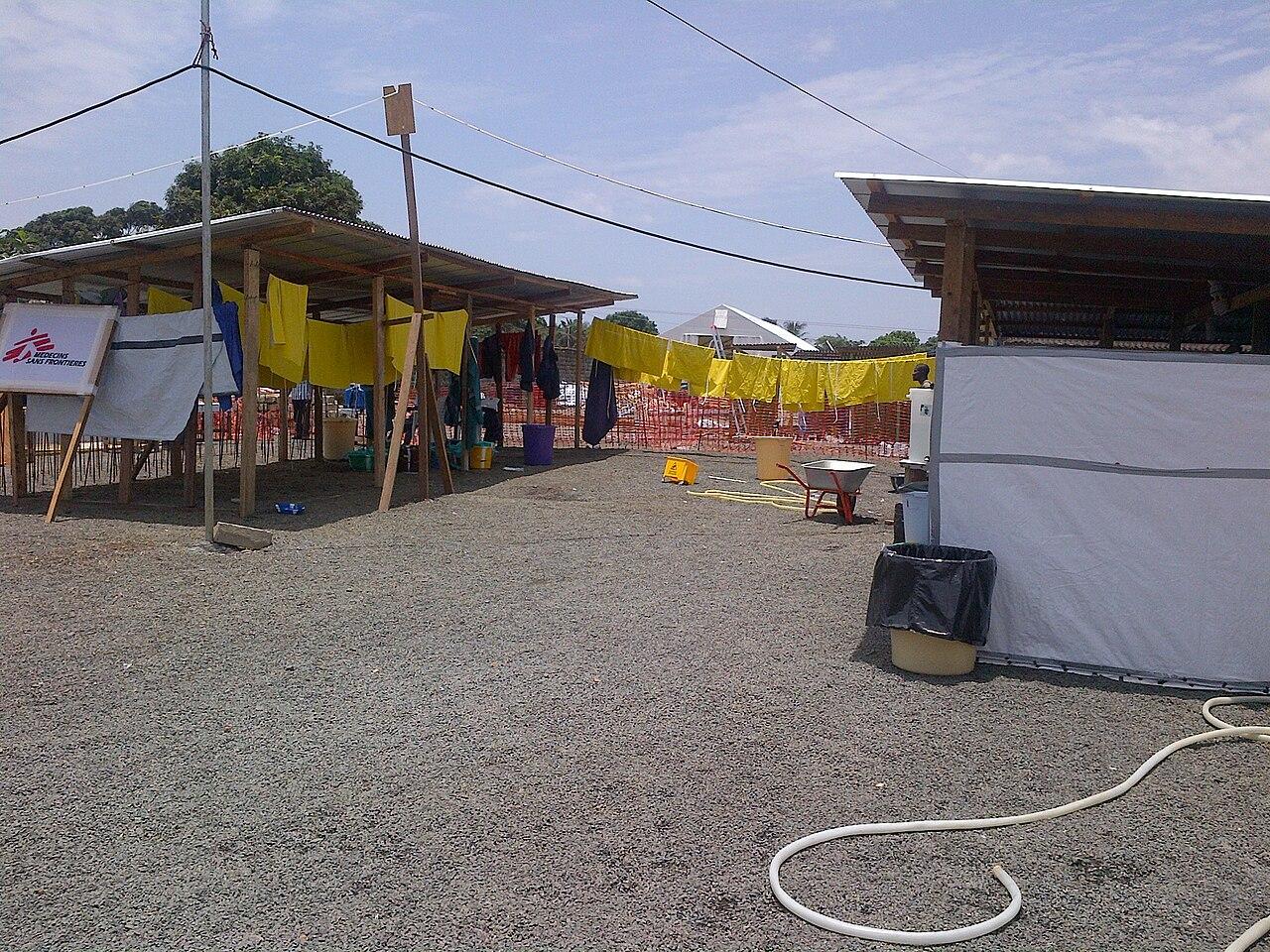
The scale is still modest by the standards of past epidemics, but it is climbing. As of 3 June, the DRC health ministry had recorded 381 confirmed cases and 64 confirmed deaths, with 233 people hospitalised in isolation. The province of Ituri, in the country's northeast, carries the heaviest burden — 359 confirmed cases spread across 17 health zones — with smaller clusters in North Kivu and South Kivu. Across the border, Uganda had confirmed 19 cases and two deaths by 5 June.
Each of those figures represents a containment challenge rather than a settled outcome. Ebola's case-fatality rate is high, and the virus spreads through direct contact with the body fluids of a symptomatic person. That biology is grim for the communities at the centre of the outbreak, but it also shapes the official message to the wider world: this is not a disease that drifts through the air of an airport terminal. It moves person to person, through care, through contact, through grief.
How the Borders Changed — From Kampala to Dulles
The policy response rippled outward within days of the WHO declaration. In the region, Uganda closed its border with the DRC for at least four weeks and imposed a 21-day isolation requirement on people entering from across that frontier. Rwanda introduced mandatory quarantine for travellers returning from the DRC.
Farther afield, the United States moved on 18 May, when the Centers for Disease Control and Prevention and the Department of Homeland Security announced enhanced screening and entry measures. Air passengers travelling from the DRC, Uganda and South Sudan are now funnelled to a short list of designated US airports — including Washington-Dulles, Atlanta, Houston and New York's JFK — where arrivals can be screened and monitored. The European Union took a coordinating step on 22 May, when its Health Security Committee agreed a common approach, including recommendations on exit screening from affected countries. Notably, the European Centre for Disease Prevention and Control assessed the risk to people living in the EU and EEA as very low, precisely because transmission requires close contact with a symptomatic patient and the likelihood of onward spread in Europe is small.
What It Means for a Diaspora That Lives Between Two Worlds
For East Africa's diaspora, the outbreak lands in a particular and personal way. Hundreds of thousands of Kenyans, Ugandans and Congolese live in Europe and North America, and for many the rhythm of life is binational: a funeral to attend, a parent to visit, a wedding that cannot be rescheduled. Screening protocols, rerouted flights and regional quarantine rules turn those ordinary obligations into logistical puzzles. A trip that once meant a direct flight and a short layover may now mean a designated arrival airport, extra health checks, and uncertainty about conditions on the ground.
There is a social cost, too. Diaspora life is sustained by gatherings — community days, church services, sports tournaments and cultural festivals that knit far-flung families together. Reports from diaspora news outlets describe organisers weighing whether to postpone events amid the heightened caution, and embassies circulating travel guidance to their nationals. None of this reflects a high risk of infection abroad; it reflects the way a distant emergency reorganises the practical and emotional geography of people who already live with one foot in each hemisphere.
Caution Without Panic
The public-health consensus, for now, is a careful balance: take the outbreak seriously at its source, keep sensible checks at borders, and resist the urge to treat every traveller from the region as a threat. The ECDC's "very low" risk assessment for Europe is a reminder that screening is a precaution, not a verdict. For the diaspora, the most useful posture is the same one health authorities are urging everywhere — stay informed through official channels, follow current travel and screening guidance, and recognise that the people most endangered are not in London or Atlanta but in the health zones of Ituri and North Kivu.
What the past month has shown is how short the distance has become between an outbreak in a remote forest and a household half a world away. The virus itself may travel poorly between continents, but worry, rules and rerouted plans travel fast. For families that have learned to live across borders, the task now is to stay connected without losing their footing — to keep watch on the news from home while trusting that, for those abroad, the danger remains far smaller than the headlines can make it feel.