The Roses That Leave Naivasha Before Dawn: How Ruto's Three-Nation Europe Tour Puts Kenya's Exports to the Test
As the president lands in Belgium, Norway and Finland this week, the duty-free deal behind Kenya's tea, coffee and cut flowers — and the diaspora who trade them — faces its real test.

In the cold hours before sunrise, the greenhouses along the shores of Lake Naivasha are already lit. Women in fleece jackets move between the rows, cutting stems at a practised angle, laying roses into crates that will be chilled, trucked to Nairobi, and flown out before most of the country has woken. By the time a bouquet reaches a supermarket in Brussels or a florist in Helsinki, it has crossed a continent in under forty-eight hours. The journey is routine. What is not routine is the question hanging over it this week: how easily will the next crate clear the European border, and at what price?
That question travelled to Europe on Sunday aboard the presidential jet. President William Ruto departed Nairobi on June 7 for official visits to Belgium and Norway and a State Visit to Finland, a three-nation tour his office framed squarely around trade. State House Spokesman Hussein Mohamed said the visits were "aimed at attracting investment, expanding market access for Kenyan products and strengthening partnerships that boost exports, create jobs and drive economic growth." For the farms, the freight handlers and the diaspora traders who move Kenyan goods through European markets, the trip is less about ceremony than about the fine print of who pays what at the border.
The Deal Beneath the Diplomacy
At the centre of the tour sits the Kenya-European Union Economic Partnership Agreement, the framework that grants Kenyan exports duty-free, quota-free access to the European market. On paper it is one of the most generous trade arrangements Kenya holds with any bloc. In practice, its benefits are uneven and its implementation incomplete, which is why Ruto's first major stop is Belgium, the seat of the European institutions.
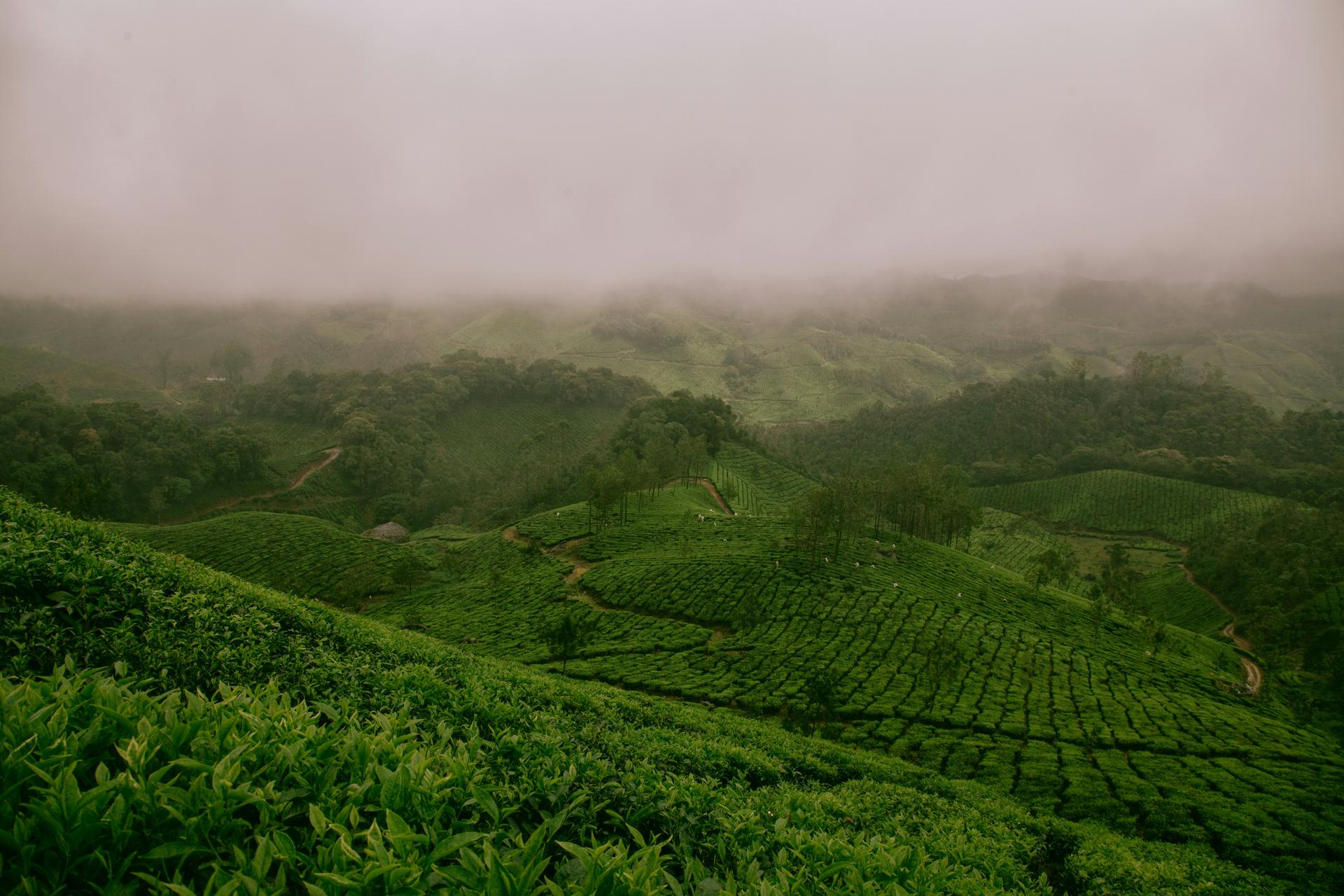
In Brussels, the president is scheduled to meet European Council President António Costa and European Parliament President Roberta Metsola to press for faster implementation of the agreement. The products with the most to gain are the ones Kenya already sends north in volume: tea, coffee, cut flowers and horticulture. These are not abstractions on a trade ledger. They are the wages of pickers in Kericho, packers in Thika and the smallholder coffee growers whose earnings rise or fall with every percentage point of access. Kenya is among the world's largest exporters of cut flowers, and Europe is its single most important customer.
A Tour With Three Capitals
The itinerary is deliberately sequenced. In Belgium, Ruto is also due to hold talks with King Philippe and the Flemish Minister-President, Matthias Diependaele, on trade, investment and logistics. Norway follows, where the president will meet Prime Minister Jonas Gahr Støre and Crown Prince Haakon and take part in a Kenya-Norway Business Forum built around renewable energy, electric mobility, climate-smart agriculture and the blue economy — sectors where Norwegian capital and Kenyan ambition increasingly overlap.
The tour closes in Finland, where President Alexander Stubb hosts Ruto for a full State Visit, reciprocating Stubb's own trip to Nairobi in May 2025. The two leaders are expected to sign agreements spanning education, technology, health, clean energy and security cooperation, and to address the Kenya-Finland Business Forum, which leans toward technology, manufacturing and value addition. Ruto is also slated to speak at the Kultaranta Talks, a Finnish foreign-policy forum where Africa features as a central theme this year. Three capitals, three different conversations, but a single underlying pitch: that Kenya is open for business and that Europe should buy more of what it makes.
The Sticking Points
A trade preference is only as good as the rules that surround it, and several of those rules remain unsettled. Ahead of the trip, Prime Cabinet Secretary Musalia Mudavadi chaired a multi-agency meeting to align Kenya's negotiating priorities, with one technical knot drawing particular attention: a tariff disparity between the Kenya-EU bilateral framework and the East African Community's Common External Tariff on imported alcoholic beverages. It sounds like the kind of detail that lives in a footnote, but disputes like it are exactly what slow the agreement from promise to practice.
There is a wider tension, too. The European market that Kenya wants deeper into is also tightening its own rules, from sustainability and traceability requirements to carbon-related border measures that will eventually reach agricultural imports. A duty-free door means little if the paperwork and compliance costs behind it climb out of reach for the very smallholders the deal is meant to lift. For Ruto, the task in Brussels is not only to ask for faster implementation but to keep the terms workable for producers who cannot afford a consultant in every European capital.
What the Diaspora Has Riding on It
For Kenyans living in Europe, the tour lands closer to home than a State House press release might suggest. Diaspora-run import shops, restaurants and online stores are a quiet artery of the trade in Kenyan goods, stocking the tea, coffee, snacks and produce that connect families abroad to home. When access widens and freight becomes more predictable, those shelves fill more easily and more cheaply; when border friction rises, the diaspora feels it first, in higher prices and thinner supply.
The stakes run in both directions. A stronger export economy at home is also, in the long run, an argument against the very migration that built the diaspora. Every job created in a Naivasha greenhouse or a Nairobi value-addition plant is one more reason for a young Kenyan to stay. Diaspora investors, for their part, have long said they want clearer rules and fewer surprises before committing capital back home; a tour that produces concrete, enforceable agreements speaks to that demand more persuasively than any appeal to sentiment. The community watching from Belgium, the Nordics and beyond will judge this trip by what is signed, not by what is toasted.
The Shadow of the Travel Ledger
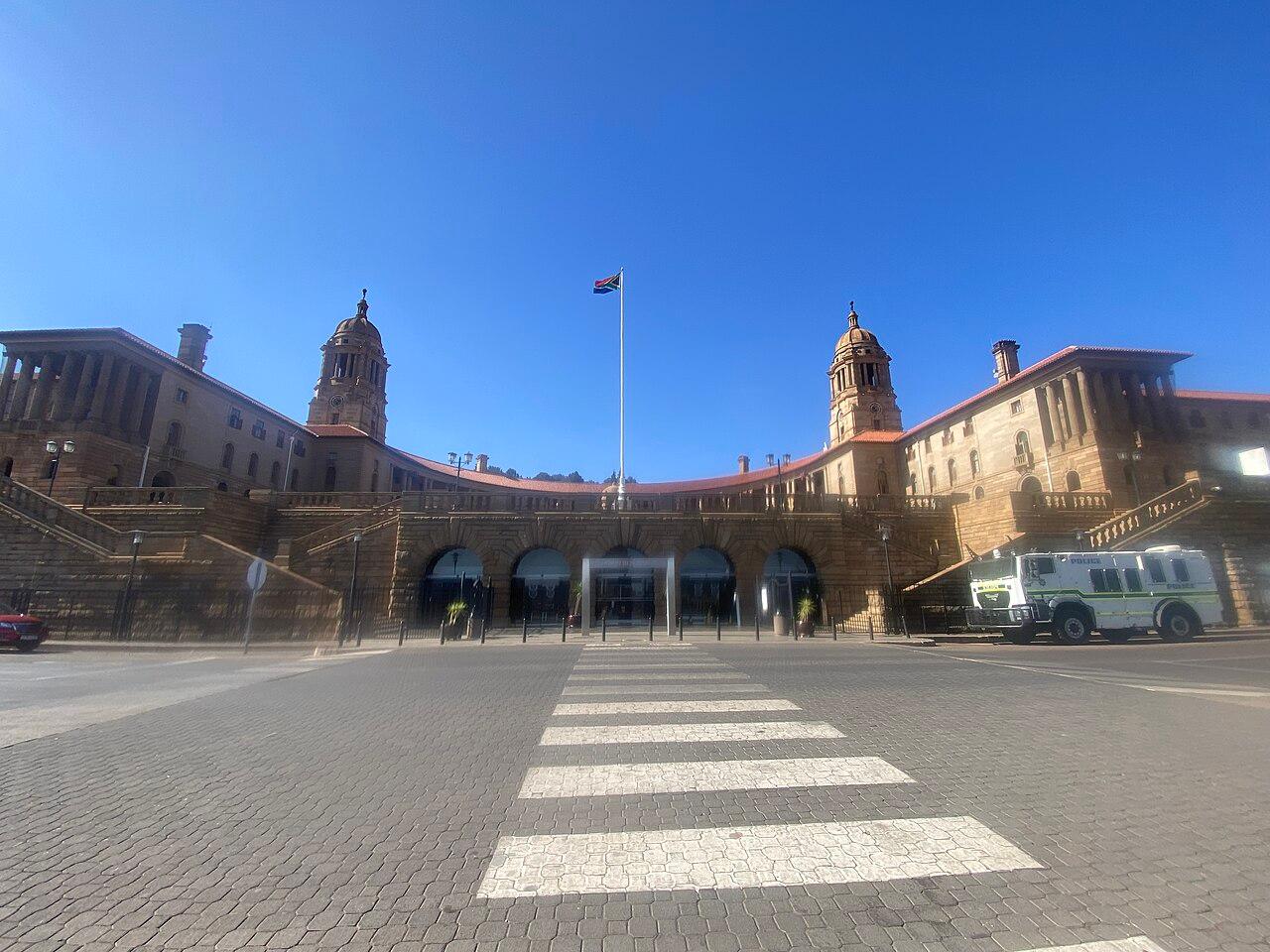
The visit does not arrive without scrutiny. Ruto's frequent foreign travel has become a recurring point of domestic criticism, and his departure for Europe — days after a two-day State Visit to South Africa, where he and President Cyril Ramaphosa signed six bilateral agreements — has revived the debate over what these trips return for their cost. Supporters argue that trade diplomacy is precisely the president's job and that market access cannot be negotiated by video call. Critics counter that announcements of investment and partnership too often outrun delivery, and that the measure of a tour is whether the tea and the roses actually move more freely a year later.
That is the standard worth holding. For the woman cutting stems before dawn in Naivasha, and for the shopkeeper in a European suburb stacking Kenyan tea beside the till, the headlines from Brussels, Oslo and Helsinki will matter only if they change something at the border. The plane has left. The harder work — turning a duty-free promise into a faster, cheaper, more reliable crate — begins when it lands.
.jpg&w=1920&q=75)