The Cup That Crossed the Limpopo: How a Tea Truce in Pretoria Reaches Kenya's Farmers and Its Diaspora in the South
South Africa has lifted the duties that shut out Kenyan tea, coffee and spices since November — a small concession with long reach for growers at home and Kenyans building lives across the South.
In the gilded halls of the Union Buildings in Pretoria, where the presidents of Kenya and South Africa sat beneath the weight of three decades of cautious diplomacy, the breakthrough arrived not as a dry communiqué but as something close to a confession. South Africa, President Cyril Ramaphosa admitted, had been preparing to punish Kenyan tea. Nairobi had placed a tariff on South African steel; Pretoria had been minded to answer in kind, raising barriers against the one green commodity that the rest of the world reads as shorthand for Kenya.
Then, he said, the two governments thought better of it. "Earlier today we said no, let's stop this nonsense," Ramaphosa told the Kenya–South Africa Business Forum on June 4, calling himself a tea lover who wanted Kenyan leaves in his own cup. "Please, I want my tea to come here." With that, a suspension that had quietly shut Kenyan tea, coffee and spices out of one of Africa's largest consumer markets since November was lifted, restoring preferential access under the Southern African Customs Union tariff arrangement.
For the millions of Kenyans whose lives are stitched into that single crop — and for the smaller but growing community of Kenyans who have made their homes in Johannesburg, Cape Town and Pretoria — it was a reminder of how a continent's trade quarrels and reconciliations land, eventually, on a kitchen table.
The Tariff That Started a Tea War
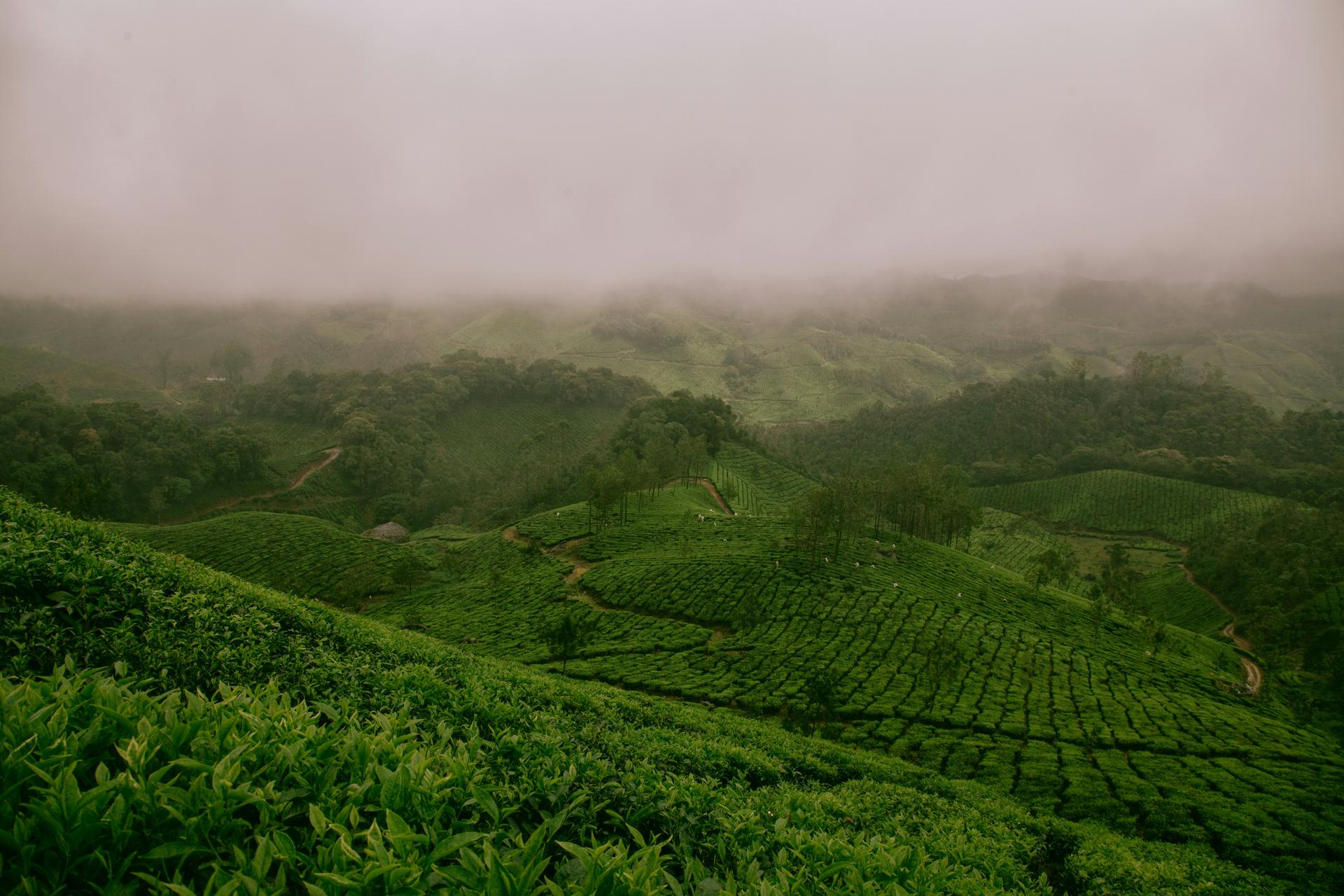
The dispute that Ramaphosa was so eager to end had been simmering for months. Kenya had imposed a tariff on South African steel, part of a long pattern of skirmishes between two economies that admire each other in public and guard their markets in private. South Africa, the continent's industrial heavyweight, considered retaliating where it would hurt Nairobi most: on tea, the smallholder crop that earns Kenya hard currency and feeds a rural economy stretching from Kericho to Nandi Hills.
The suspended duties, imposed in November 2025, did exactly that. They blunted the competitiveness of Kenyan leaf in a market of more than sixty million consumers, and they exposed the fragility of a relationship that, on paper, looks like a partnership of equals. Ramaphosa's language at the forum made the politics plain. "We cannot reciprocate on steel and tea, tea that is grown by small-scale farmers," he said. "I am saying to my people, let's have a heart and allow tea from Kenya to come here."
What the Concession Actually Restores
Stripped of the diplomatic warmth, the decision is technical and specific. South Africa has lifted the suspended duties on Kenyan tea, coffee and spices, returning those products to the preferential tariff lines they had enjoyed under the SACU offer before the November freeze. Kenya's Ministry of Trade framed the move as a step to "reduce the trade imbalance that currently favours South Africa" — a candid acknowledgement of how lopsided the relationship has become.
The numbers explain the urgency. President Ruto told the forum that bilateral trade between the two countries reached roughly 680 million dollars in 2025, a figure he called "meaningful progress" but also "a measure of how much potential remains untapped." South Africa sells Kenya manufactured goods, machinery and industrial products; Kenya sells back tea, coffee, horticulture and cut flowers, and not nearly enough of them. Restoring duty-free access for tea will not erase that gap, but it reopens a door that had been slammed at precisely the moment Nairobi was looking to diversify away from its traditional buyers in Europe, Asia and the Middle East.
A Truce Wrapped in Six Agreements
The tea concession did not arrive alone. At the Union Buildings on June 4, the two leaders witnessed the signing of six bilateral agreements spanning shipping and maritime cooperation, gender equality and empowerment, technical and vocational training, arts and culture, and sports and recreation. Mining and Blue Economy Cabinet Secretary Hassan Joho said the maritime pact would deepen collaboration on shipping, port development, maritime safety and the mutual recognition of seafarers' certifications — the kind of unglamorous plumbing that decides whether goods actually move.
Education Cabinet Secretary Julius Migos signed a memorandum on technical and vocational education aimed at promoting staff and student exchanges, joint research and skills development. Foreign Affairs Principal Secretary Korir Sing'oei said the two presidents agreed to deepen cooperation across trade, investment, industrial development, education, transport, health and skills, and to drive engagement through a newly established Joint Business Council. Trade Cabinet Secretary Lee Kinyanjui, for his part, pressed the point that connectivity and logistics — cargo transit times, transport links — will determine whether any of this paperwork translates into commerce.
Why a Tea Cup Matters to the Diaspora
It is tempting to file a tariff story under back-home economics, of interest only to exporters and trade officials. But the agreements signed in Pretoria are, at their core, about people who move. The technical and vocational exchange programme is a promise to send Kenyan students and trainers south and bring South Africans north. The gender-empowerment and arts-and-culture pacts speak to the people-to-people ties that already exist in a country where Kenyan nurses, academics, accountants and traders have quietly built lives.
For that community, an easing of trade tensions is more than symbolic. Kenyans in Southern Africa are often the informal ambassadors of the very products now regaining shelf space — the relatives who carry home-roasted coffee in their luggage, the small shopkeepers who stock Kenyan tea for a homesick clientele, the entrepreneurs who have tried, against non-tariff friction, to build cross-border businesses. When Nairobi and Pretoria choose cooperation over retaliation, it is their daily calculations that quietly get easier. And for the wider Kenyan diaspora watching from further afield, the episode is a small case study in whether African governments can actually deliver on the integration they keep promising.
The Long Game of Intra-African Trade
Ruto tied the concession to a larger ambition: the African Continental Free Trade Area, the long-delayed project meant to let African economies trade with one another the way they trade with the rest of the world. He described Kenya and South Africa as complementary — "South Africa is a financial and manufacturing powerhouse in the Southern Africa region while Kenya is the gateway to East and Central Africa" — and argued that complementarity "represents massive opportunities for business." The two governments agreed to lean on regional blocs, the East African Community, the Southern African Development Community and COMESA, to push integration further.
The caution is warranted. Intra-African trade remains stubbornly below global averages, throttled by exactly the kind of tit-for-tat barriers the tea dispute exemplified. A single concession on tea, coffee and spices will not remake a continent's commerce. But it is a reminder that the AfCFTA's grand architecture is ultimately built from modest, reversible decisions like this one — and that the distance between a farmer's field in Kericho and a tea aisle in Pretoria is measured not only in kilometres, but in political will. For now, at least, the cup is allowed to cross the Limpopo.

.jpg&w=1920&q=75)