The Rail That Moves the Money Home: What a South African Takeover of Safaricom Means for Kenyans Abroad
Vodacom now controls 55 per cent of the company behind M-Pesa. For millions in the diaspora, the platform that carries their remittances has quietly changed hands.
In a shared flat in Doha, a Kenyan care worker named Wanjiru does the same thing on the last Friday of every month. She opens her phone, taps through to a money-transfer app, and watches a few hundred dollars travel four thousand kilometres in the time it takes the kettle to boil. By the time she has poured her tea, her mother in Murang'a has had an M-Pesa message: the school fees have landed, the chemist has been paid, the maize is bought.
She rarely thinks about the machinery underneath that message. On Tuesday, that machinery changed owners. Vodacom Group, the South African telecommunications giant, completed its acquisition of an additional effective 20 per cent of Safaricom, lifting its stake to roughly 55 per cent and handing it majority control of the company that runs M-Pesa — the rail along which a very large share of the Kenyan diaspora's money travels home.
The Deal That Closed on a Tuesday
The transaction closed on 30 June 2026, days after Kenya's Court of Appeal lifted a conservatory order that had frozen it. According to People Daily and statements from both Vodacom and Vodafone, the deal is worth about $2.1 billion, or roughly Ksh272 billion. Vodacom bought a 15 per cent stake directly from the Government of Kenya for some Ksh204 billion, and a further effective 5 per cent from Vodafone Group for about Ksh68 billion, at a price of Ksh34 per share.
The structure leaves the Kenyan state holding 20 per cent, with the remaining shares trading in the hands of public investors on the Nairobi Securities Exchange. In accounting terms, the shift is decisive: Safaricom moves from being an associate in Vodacom's books to a fully consolidated subsidiary, its revenue, assets and liabilities folded into the South African group's results. The deal had first been announced in December 2025; it took six months of legal, regulatory and parliamentary wrangling to cross the line.
The Rail the Diaspora Built
For the Kenyan abroad, the headline numbers matter less than a quieter fact: Safaricom is not just a phone company. It is the plumbing of how money moves in Kenya, and increasingly of how money comes back to it.
Diaspora remittances are Kenya's single largest source of foreign exchange, worth nearly $5 billion in 2024 according to Central Bank of Kenya figures — more than tea, more than tourism. A growing slice of that money lands not in a bank branch but directly in an M-Pesa wallet, through tie-ups between Safaricom's platform and the international transfer services the diaspora uses. Around 44 per cent of Safaricom's Kenyan revenue now comes from financial services rather than calls and data, the company has said. When a nurse in Minnesota or a driver in Dubai sends money home, there is a strong chance it touches M-Pesa before it reaches the person who needs it.
That is why a change in who controls Safaricom is not a remote corporate story for people living thousands of kilometres away. It is a change in the ownership of the most important piece of financial infrastructure in their family's life.
A Strategic Asset, Sold
The long delay before completion was not bureaucratic accident. Petitioners had gone to court arguing that Safaricom was a strategic national asset whose partial sale demanded stricter constitutional scrutiny. They raised questions about public participation, about the valuation used to price the shares, and — pointedly for a company that holds the transaction records of tens of millions of people — about data governance.
The High Court initially issued conservatory orders halting the deal. The Court of Appeal overturned that suspension on 26 June 2026, ruling that the government had met the threshold for a stay and that the public interest favoured letting the transaction proceed while the underlying case continued. Treasury Cabinet Secretary John Mbadi framed the sale as the maturing of a long bet, noting that a founding investment in a mobile licence twenty-five years ago had grown into a company that "connected more than fifty million Kenyans" and contributed over one and a half trillion shillings to the exchequer. Proceeds, the government says, will fund roads, energy, water and airports.
For the diaspora, the unresolved questions are the interesting ones. Who now sets the rules over the data trail of every remittance? Where does ultimate control of a national payments system sit when the majority owner is headquartered in Johannesburg and answers, in turn, to Vodafone in the United Kingdom?
What Changes for the Person Sending Money
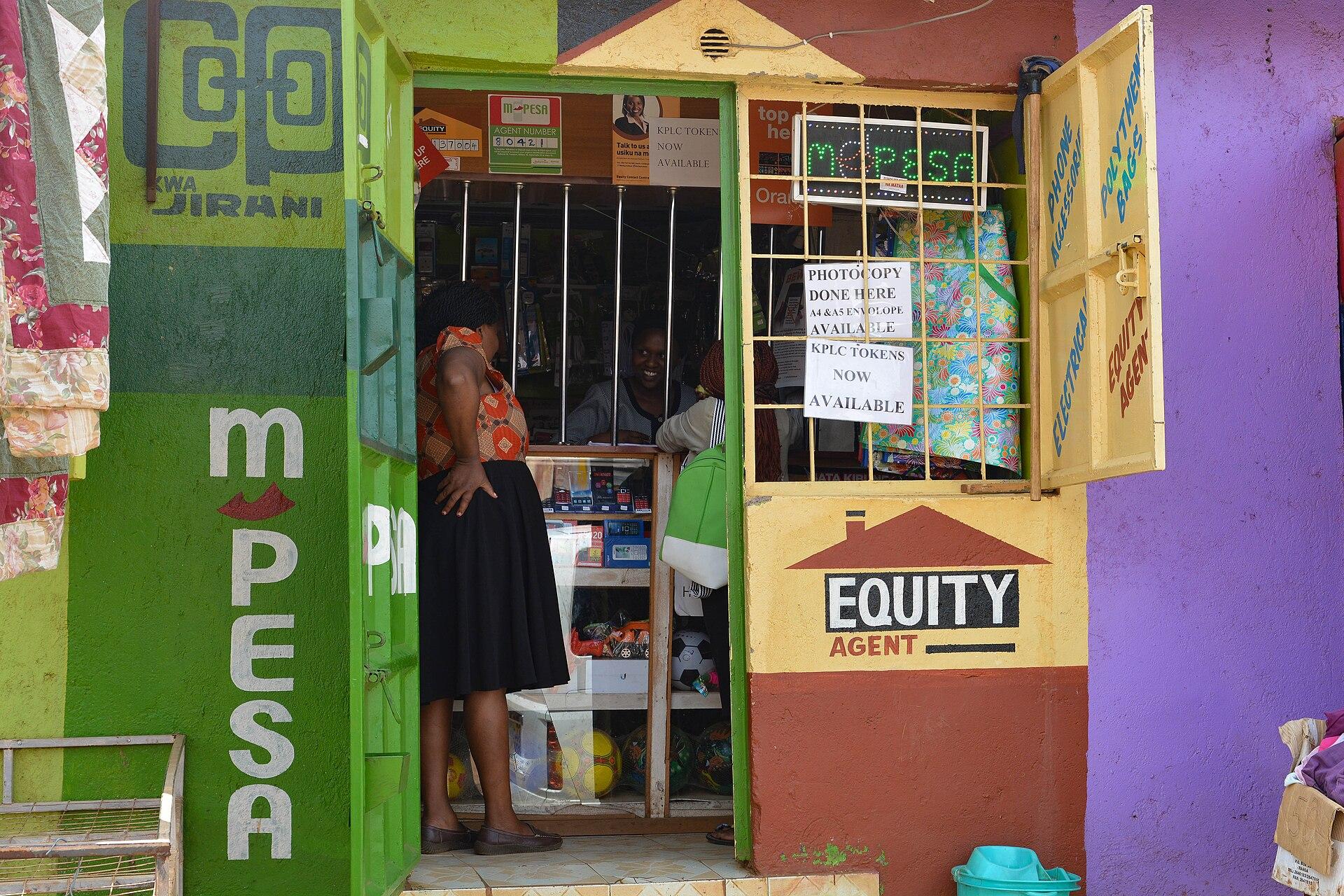
In the short term, very little is likely to feel different at the kiosk or in the app. M-Pesa keeps its name, its agents, its green livery; the woman in Doha will send money on Friday exactly as before. Majority ownership is a question of boardrooms and balance sheets, not of how a transfer is keyed in.
Over time, though, ownership shapes strategy. Vodacom has been explicit that it sees Safaricom as central to a pan-African push into digital and financial services. That could mean heavier investment in the cross-border payment products the diaspora relies on, smoother links between M-Pesa and the wider Vodacom money network, and new services aimed squarely at money moving between countries. It could equally mean pricing and product decisions made with a regional portfolio in mind rather than a purely Kenyan one. For families whose budgets are built around the cost and speed of a monthly transfer, those are not abstract trade-offs.
The Wider African Map
The takeover is also a marker of where economic power on the continent is consolidating. Vodacom Group chief executive Shameel Joosub called the completion "a landmark moment," saying majority ownership of Safaricom would help "drive digital and financial inclusion at scale in Kenya and Ethiopia." That mention of Ethiopia is telling: Safaricom has built a base of roughly 14 million users there since entering the market, and Vodacom's Vision 2030 strategy leans heavily on exporting the mobile-money model that M-Pesa pioneered in Nairobi to the rest of the region.
For the Kenyan diaspora, the story sits at an unusual intersection — a back-home corporate deal that reaches directly into the everyday act of sending money to a parent or a child. The rail that Wanjiru uses each month was built in Kenya and became, over two decades, a piece of the country's identity. It now belongs, in the controlling sense, to a company in another country. Whether that makes the journey of her money cheaper, faster and safer, or simply more distant from the place it serves, is the question the next few years will answer.