The Phone in the Suitcase: How Kenya's New Device Tax Fight Reaches the Diaspora's Gifts Home
A 25% activation tax may be headed for the bin, but the IMEI registration system behind it still meets every smartphone a Kenyan abroad carries or ships back.
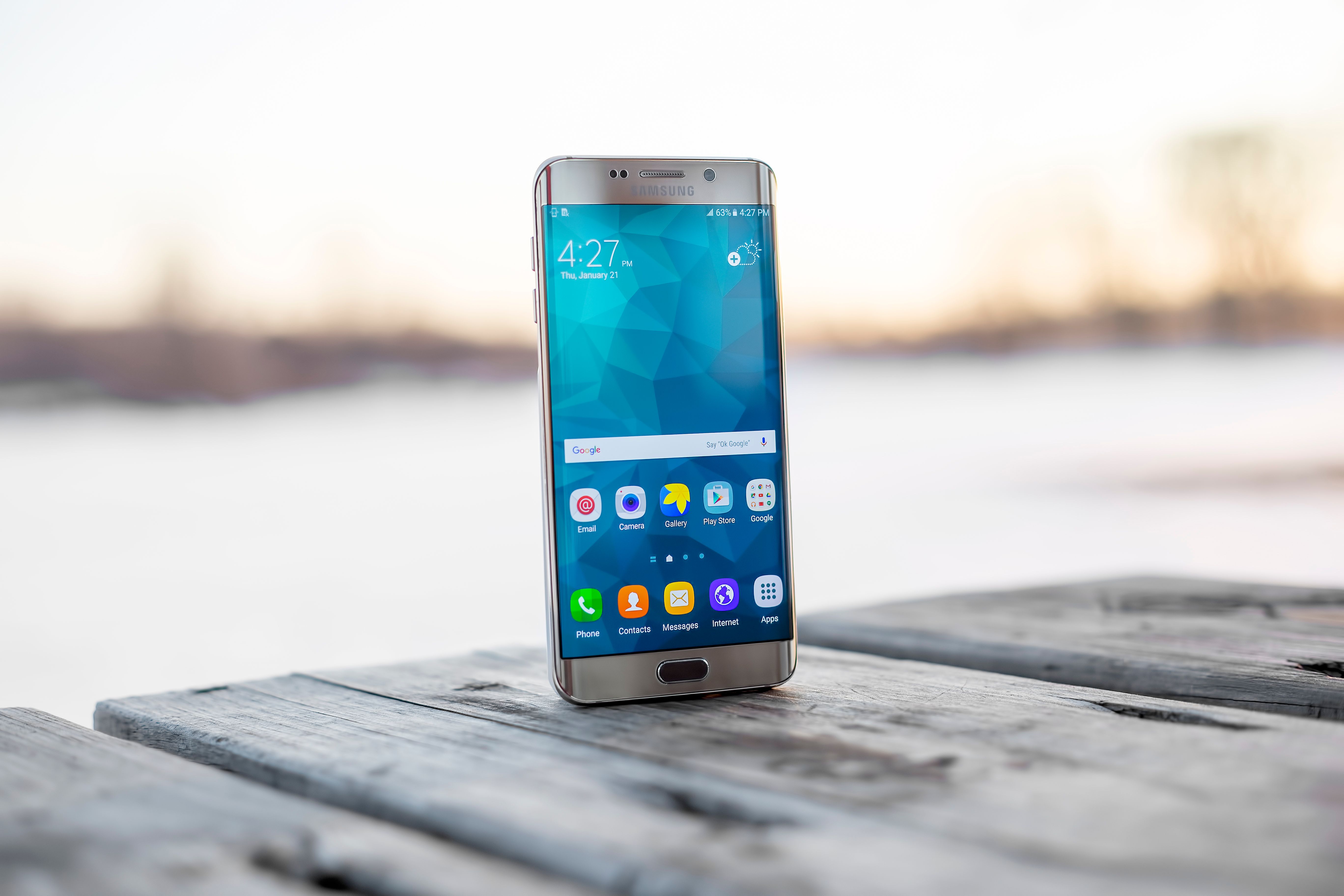
Mercy Wanjiru had the box wrapped before she even left the shop in Manchester. A new smartphone for her mother in Murang'a, bought with a nurse's overtime, the kind of present that says I am still here even when I am four thousand miles away. She planned to send it home with a cousin flying out of Heathrow that weekend. What she did not plan for was the question her cousin asked her at the airport: "Do we have to declare this to KRA?"
It is a question thousands of Kenyans abroad are now asking, because a phone is no longer just a gift. In Nairobi this month, the humble handset has become the centre of a noisy tax fight — one that touches anyone in the diaspora who has ever tucked a new device into a suitcase or shipped one home in a padded envelope.
A gift that now comes with paperwork
For years the arithmetic of diaspora generosity was simple. You earned in pounds, dollars or dirhams; you spent a slice of it on something your family could not easily afford at home; you handed it over and felt the distance shrink a little. Phones were the classic example — lighter than a television, more useful than cash, and a status symbol on both ends of the journey.
That simplicity is fraying. Kenya has spent the last eighteen months building a system that records, taxes and tracks mobile devices the moment they enter the country, and the latest budget season has thrown a new and contested levy on top of it. For the family receiving the gift, the worry is no longer whether the phone will arrive. It is what happens when they switch it on.
The 25 percent question
The flashpoint is a clause in the Finance Bill 2026 that proposed a 25 percent excise duty on mobile phones — but collected at the point of activation on a local network such as Safaricom, Airtel or Telkom, rather than at the border. The Treasury argued the shift was a kindness in disguise. Cabinet Secretary John Mbadi told retailers and lawmakers that phones already carry a stack of import charges — value-added tax, excise, import duty, a declaration fee and a railway levy that together can approach 55 percent of a device's value — and that an activation-based tax would simplify collection and squeeze out smugglers who currently dodge the lot.
Not everyone bought the logic. Speaking on the morning of Monday, June 22, Kathiani MP and Deputy Minority Leader Robert Mbui called the proposal unclear and impractical, and warned it could quietly wire the tax authority into the phone network. "What it means is that there was going to be an attempt, probably to connect our phones and Safaricom with KRA," he said, arguing that the only way to chase an activation tax was to watch when and where a device came alive. He pressed a more basic question, too: in a market where phones are sold in sealed boxes in informal shops, "at what point then will you be considered to have activated, and how will the tax man get his money?"
Parliament blinks
For now, the lawmakers have flinched. The National Assembly's Finance Committee, chaired by Kuria Kimani, reviewed the bill and recommended scrapping the 25 percent activation duty altogether, citing compliance headaches, delayed revenue and uncertainty for both consumers and retailers. The committee left other measures standing, including a tax amnesty programme due to start in July and changes to filing deadlines, and kept zero-rated status for items such as electric motorcycles, electric buses and solar batteries.
So the most alarming version of the tax — the one that would have metered a phone the instant a relative powered it up in Kisumu or Eldoret — looks likely to be dropped. But the diaspora reader who exhales too soon misses the larger point. The tax was always the noisy part. The machinery underneath it is what endures.
The system that outlives the tax
Long before the activation debate, the Kenya Revenue Authority and the Communications Authority began rolling out a Mobile Device Declaration system that uses each phone's IMEI — the unique identifier baked into every handset — to log devices against the tax database. Importers, assemblers and retail distributors must submit IMEI numbers for validation and "whitelisting," and from the start of 2025 buyers have been advised to check that a phone's IMEI is not blocked before paying for it. The stated aims are familiar: widen the tax base, flag counterfeits, and level the field between formal and grey-market sellers.
This is the part of the story that does not disappear when a single clause is struck from a bill. The register, the IMEI checks and the border declarations remain — and they are precisely the parts that touch the diaspora.
What it means at the airport
KRA has tried to reassure travellers, and the detail matters for anyone flying home. Devices on roaming foreign numbers face no declaration, and visitors are promised a support process to get a local SIM working. Personal items brought in as accompanied baggage are covered by a duty-free allowance of up to 2,000 US dollars, roughly 258,000 Kenyan shillings — enough to carry a high-end phone home without a bill, in most cases.
The catch is in the fine print that speaks directly to Kenyans abroad. By KRA's own guidance, a resident returning from overseas is expected to declare mobile devices, with their IMEI numbers, on the F88 passenger declaration form on arrival, "and tax payable where applicable." A phone mailed home, rather than hand-carried, sits in an even greyer zone, exposed to whatever import treatment the parcel attracts. The gift still gets through. It just travels with a question mark it never used to carry.
The real bargain
Strip away the budget theatre and the diaspora is being asked to weigh the same trade other Kenyans are debating: convenience and a wider tax net on one side, privacy and friction on the other. The Communications Authority has insisted the tax man will not gain access to private data through device registration, but critics like Mbui hear in any phone-to-KRA pipeline the hum of surveillance.
For families like Mercy Wanjiru's, the calculation is smaller and more human. A phone sent home is remittance in a different currency — proof of care you can hold in your hand. The lesson of this budget season is not that the gift is now taxed; the loudest version of that tax may never arrive. It is that the device, like the money the diaspora wires every month, has quietly become something the state counts. The suitcase is no longer private. And the people packing it, from Manchester to Minneapolis, are learning to read a Kenyan tax form before they wrap the box.