The Bite That Didn't Land: How Kenya's MPs Spared Diaspora Remittances a 16% Tax on M-Pesa
Parliament cut a proposed VAT on mobile-money transfers from the Finance Bill 2026 — a quiet reprieve for the families who live on what relatives abroad send home.

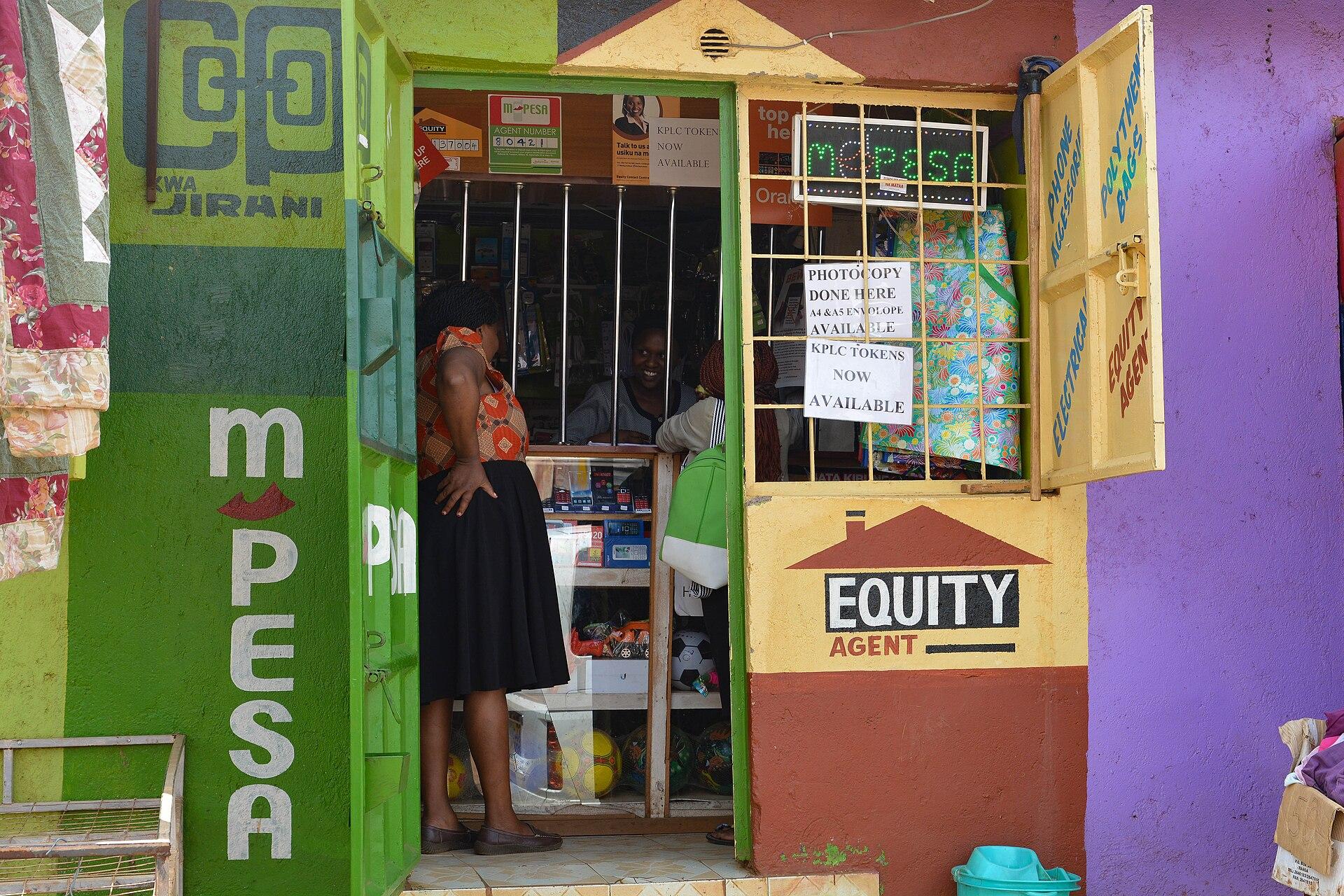
In a roadside mobile-money kiosk in Nyeri, the day starts with a queue. A boda-boda rider waits to cash out fare money. A college student checks whether tuition has landed. And, most mornings, at least one customer is there for the same reason: a relative in Boston, Manchester, Doha or Toronto has sent something home, and the green-and-white M-Pesa till is where that money becomes bread, rent and school fees.
For a few tense weeks this June, every one of those small transactions was at risk of costing more. The National Treasury had proposed folding a 16% Value Added Tax onto person-to-person mobile-money transfers as part of the Finance Bill 2026. During the bill's amendment stage, Members of Parliament struck it out. For the Kenyan diaspora — whose remittances are increasingly the country's single largest source of foreign exchange — the deletion of one quiet clause matters more than its wording suggests.
A clause aimed at the most ordinary transaction
The rejected proposal would have applied VAT to the act of sending money from one person to another over platforms such as Safaricom's M-Pesa and Airtel Money. MPs scrapped it during amendments, citing concerns that it would raise the cost of sending money and undermine the financial inclusion that mobile money has come to symbolise in Kenya. A parallel proposal — a 25% excise duty on mobile phones — was thrown out as well.
The Kenya Bankers Association, Safaricom and Airtel Kenya had all lined up against the transfer tax, arguing it would push people away from digital finance and back toward cash. With smartphone ownership now reported at roughly 92.9% of Kenyans, the reach of any such levy would have been close to universal — and so would the irritation it caused.
Why a domestic tax is a diaspora story
It is tempting to read the Finance Bill as a purely back-home affair. It is not. The Central Bank of Kenya has projected that diaspora remittances will grow about 4% to around $5.24 billion in 2026, up from roughly $5 billion the year before — inflows that rival or exceed tea, tourism and coffee as a source of hard currency.
Most of that money does not sit still in a bank. It lands, it is split, and it is moved again: a portion to a parent, a portion to a sibling for fees, a portion to a chama or a burial committee. Each of those onward hops is a person-to-person transfer. A 16% VAT on that movement would not have taxed the diaspora directly at the moment of sending, but it would have shaved value off the money the instant it began doing its work inside Kenya — and the people who would have felt it most are the rural recipients at the very end of the chain.
The cost question that won't go away
Even without a new tax, sending money to Kenya is not cheap. Data from the 2025 Household Remittance Survey found that transaction costs were the single biggest complaint among recipients, named by more than 80% of those surveyed. Layering a consumption tax on top of existing transfer fees would have compounded a problem the sector has spent years trying to shrink.
That is the context in which this vote should be read. The clause that survived is narrower but still real: the bill retains a 16% VAT that applies to the companies providing mobile-money services, meaning the fees and commissions charged by operators — rather than the peer-to-peer transfer itself — stay inside the tax net. For diaspora families, the distinction is meaningful. A tax on the transfer would have touched every shilling moved; a tax on the service is more likely to surface, if at all, in the charges around the edges.
A bill passed, but not without a fight
The Finance Bill 2026 cleared the National Assembly with 122 MPs in favour and 40 against, with no abstentions recorded, and President William Ruto is expected to sign it into law. The government framed the final text as a softening — pointing to the dropped mobile-money VAT, the rejected phone excise and assorted relief measures as evidence it had listened.
The opposition was unconvinced. Its MPs dismissed the amendments as superficial and accused the Treasury of repackaging punitive taxes under friendlier names. Several proposals that would have helped lower-income earners did not survive either: a push to exempt Kenyans earning less than KSh 30,000 a month from income tax was acknowledged but not adopted, and a Treasury plan to reclassify essentials such as pharmaceutical inputs and animal feed was rejected by the committee. The picture, in other words, is mixed — a few wins for households, a few losses, and the same recurring argument about who really benefits.
What the diaspora should watch next
For Kenyans abroad, the practical takeaways are narrow but worth holding onto. The money you send will not, for now, meet a fresh 16% charge each time a relative moves it onward. The phones your family buys to receive that money will not carry a new 25% duty. But the underlying cost of remitting remains high, and the retained VAT on mobile-money services is a reminder that the sector is still squarely in the taxman's sights.
The deeper lesson is about leverage. The clauses that fell did so because banks, telcos and ordinary users made enough noise that Parliament blinked. Diaspora associations have spent years asking to be treated as a serious economic constituency rather than a sentimental one, and episodes like this show exactly why a seat at the table during Finance Bill season is worth fighting for. The next bill will come around, as it always does. And the money flowing home — quiet, constant and increasingly indispensable — will be watching how it is treated.